
 Susilo Edi Turonggo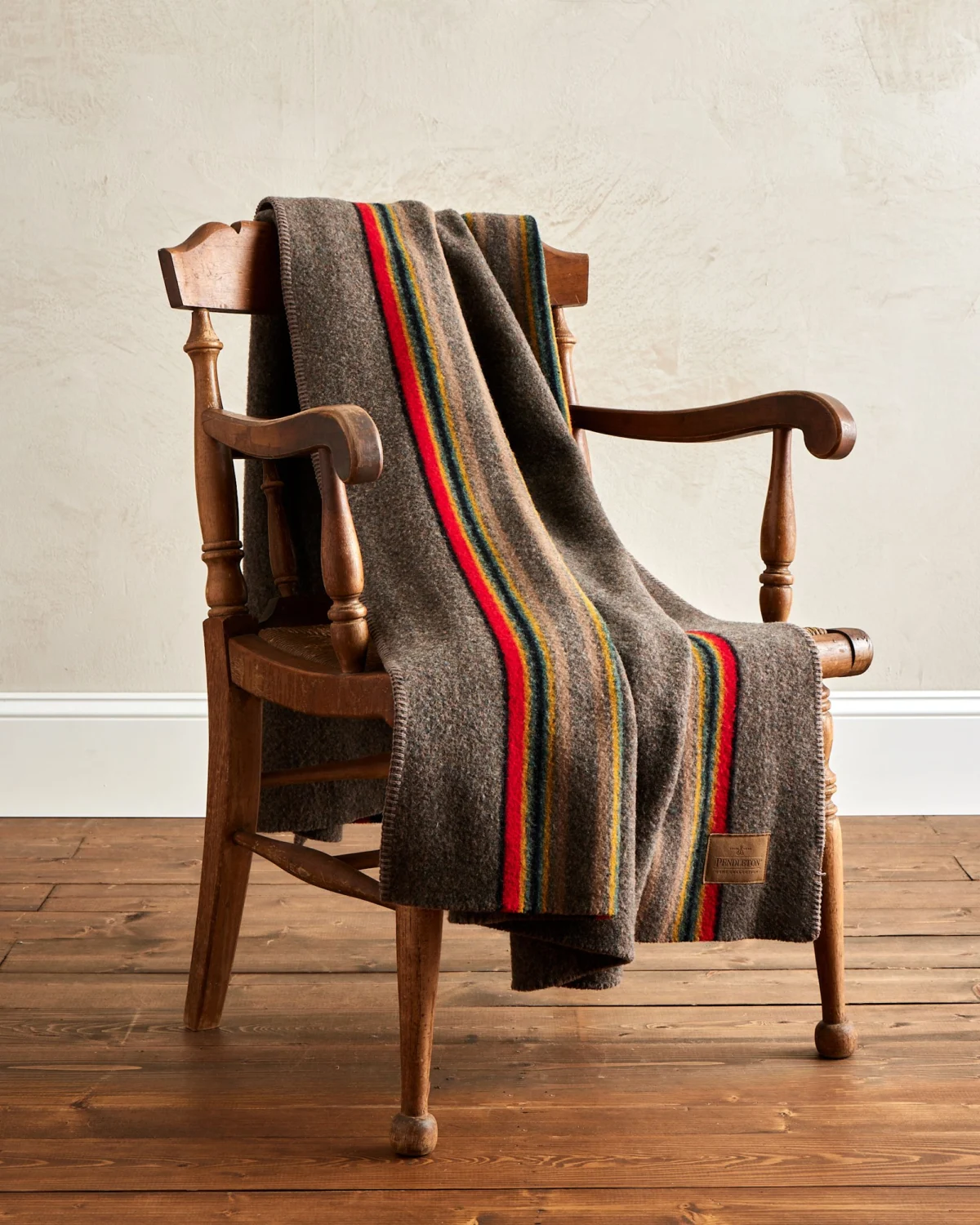
In an era where consumer awareness increasingly shapes purchasing decisions, the humble blanket, a quintessential symbol of home comfort, has emerged as a focal point for ethical and sustainable practices. Far from being mere decorative accents or seasonal necessities, well-crafted throws and quilts represent an investment in well-being, both personal and planetary. As months of colder weather, festive gatherings, and evenings by the hearth beckon, the demand for cozy textiles intensifies, prompting a critical examination of how these cherished items are produced. This burgeoning market segment reflects a broader societal shift towards conscious consumption, where the warmth a blanket provides is matched by the integrity of its origins.
The pursuit of a genuinely sustainable and ethical blanket transcends aesthetic appeal or immediate comfort. It involves a discerning assessment of materials, manufacturing processes, labor conditions, and a product’s overall lifecycle. This journey requires intention, as consumers seek to align their purchases with values that prioritize environmental stewardship and social equity. The following exploration delves into the foundational criteria that define ethical blanket production and highlights key brands leading this transformative movement, offering insights for both holiday shoppers and individuals committed to enriching their homes responsibly.
Beyond Warmth: Key Pillars of Ethical Blanket Production
The decision to invest in a sustainable blanket is underpinned by several critical considerations, each addressing a facet of environmental or social responsibility. These pillars guide both manufacturers in their production methods and consumers in their informed choices.
Health and Environmental Integrity: The Imperative of Skin-Safe Materials and Dyes
One of the most significant yet often overlooked aspects of textile production is the chemical footprint left by synthetic materials and their associated dyes. Conventional textile manufacturing frequently employs immuno-sensitizing azo-benzene disperse dyes, which are known carcinogens and allergens. When present in blankets, these hazardous substances pose a direct risk. As individuals snuggle into these textiles, skin contact can lead to allergic reactions, while the shedding of microscopic dye particles contributes to household dust. This dust can then be inadvertently inhaled or ingested by family members, including children and pets, introducing toxic compounds into the body’s systems.
The environmental ramifications of these synthetic dyes are equally concerning. Wastewater from dyeing processes, if untreated, pollutes rivers and ecosystems, harming aquatic life and rendering water sources unsafe. Furthermore, synthetic fibers like polyester, acrylic, and nylon are petroleum-based, non-biodegradable, and contribute to microplastic pollution throughout their lifecycle, from washing to disposal.
In stark contrast, natural fibers offer a healthier and more sustainable alternative. Organic cotton, cultivated without synthetic pesticides or fertilizers, reduces chemical runoff and promotes soil health. Alpaca and merino wool, renowned for their softness, warmth, and natural breathability, are renewable resources that require minimal processing. Linen, derived from flax, is a low-impact crop that needs little water and pesticide use. Tencel (lyocell), a regenerated cellulosic fiber made from sustainably sourced wood pulp, uses a closed-loop production process that recycles water and solvents. Hemp, another fast-growing and low-impact crop, offers exceptional durability and requires minimal resources. These natural fibers are not only biodegradable but also inherently safer for skin contact.
To ensure that even natural fibers are free from harmful chemical residues, consumers must look for robust certifications. Oeko-Tex Standard 100, for instance, guarantees that every component of a textile product, from thread to buttons, has been tested for harmful substances and is therefore harmless for human health. Similarly, bluesign certification sets stringent environmental, health, and safety standards across the entire textile supply chain, focusing on minimizing resource use, reducing emissions, and ensuring worker safety. These labels provide a transparent and verifiable assurance that the dyes and finishes used are non-toxic, safeguarding both human health and ecological systems.
Investment in Longevity: Durability and Timeless Design
The concept of "fast fashion" has unfortunately permeated many aspects of home goods, leading to a cycle of cheap, disposable items. However, the sustainable movement champions a return to quality and longevity, particularly for items like blankets that are meant to provide comfort for years, if not decades. Investing in durable, well-made blankets reduces waste, conserves resources, and offers superior value over time.
Brands committed to sustainability intentionally select high-quality materials known for their resilience. For example, wool blankets are celebrated for their natural anti-odor, moisture-wicking, and temperature-regulating properties, reducing the need for frequent washing and extending their lifespan. Unlike synthetic fibers that can pill and degrade quickly, natural fibers, when properly cared for, maintain their integrity and aesthetic appeal. The longevity of a blanket is also intrinsically linked to consumer behavior; adhering to specific material care instructions is crucial for maximizing its life.
Beyond material robustness, timeless design plays a pivotal role in sustainability. Blankets with classic patterns, neutral palettes, or understated elegance resist fleeting trends, ensuring they remain relevant and cherished pieces in a home regardless of evolving interior styles. This approach counters the obsolescence built into trend-driven products, promoting a "slow consumption" mindset where items are chosen for their enduring beauty and utility. By embracing durability and timelessness, consumers can foster a more sustainable relationship with their possessions, contributing to a reduction in textile waste that burdens landfills globally.
Empowering Artisans: Traceable and Ethical Supply Chains
The journey of a blanket from raw fiber to finished product often involves a complex global supply chain, which, if not properly managed, can be rife with exploitation. Unfair wages, unsafe working conditions, child labor, and environmental disregard are prevalent issues in opaque textile supply chains. A commitment to ethical production necessitates complete transparency and accountability at every stage.
Sustainable brands prioritize traceable supply chains, meaning they can identify the origin of their raw materials and the conditions under which their products are manufactured. This often involves building direct, long-standing relationships with farmers, spinners, weavers, and artisans. Such relationships ensure that workers are paid fair wages, work in safe and healthy environments, and are treated with respect. This empowerment not only uplifts individuals and communities but also preserves traditional craftsmanship and textile arts that might otherwise be lost.
Certifications like Fair Trade USA and the World Fair Trade Organization (WFTO) serve as critical benchmarks for ethical sourcing. Fair Trade USA focuses on ensuring fair wages, safe working conditions, and community development, often with a premium paid back to workers for collective investment. The WFTO, on the other hand, operates as a global community of social enterprises committed to fair trade principles, covering everything from environmental protection to transparency and capacity building. For consumers, these certifications provide verifiable proof that their purchase supports equitable labor practices and contributes positively to the livelihoods of artisans worldwide. Investing in blankets from brands with traceable and ethical supply chains is a tangible way to support human dignity and cultural heritage.
Leading the Way: Brands Defining Sustainable Coziness
The following brands exemplify a commitment to ethical and sustainable practices, each contributing uniquely to the landscape of conscious home textiles. Their diverse approaches demonstrate that comfort and conscience can indeed coexist beautifully.
1. Pendleton
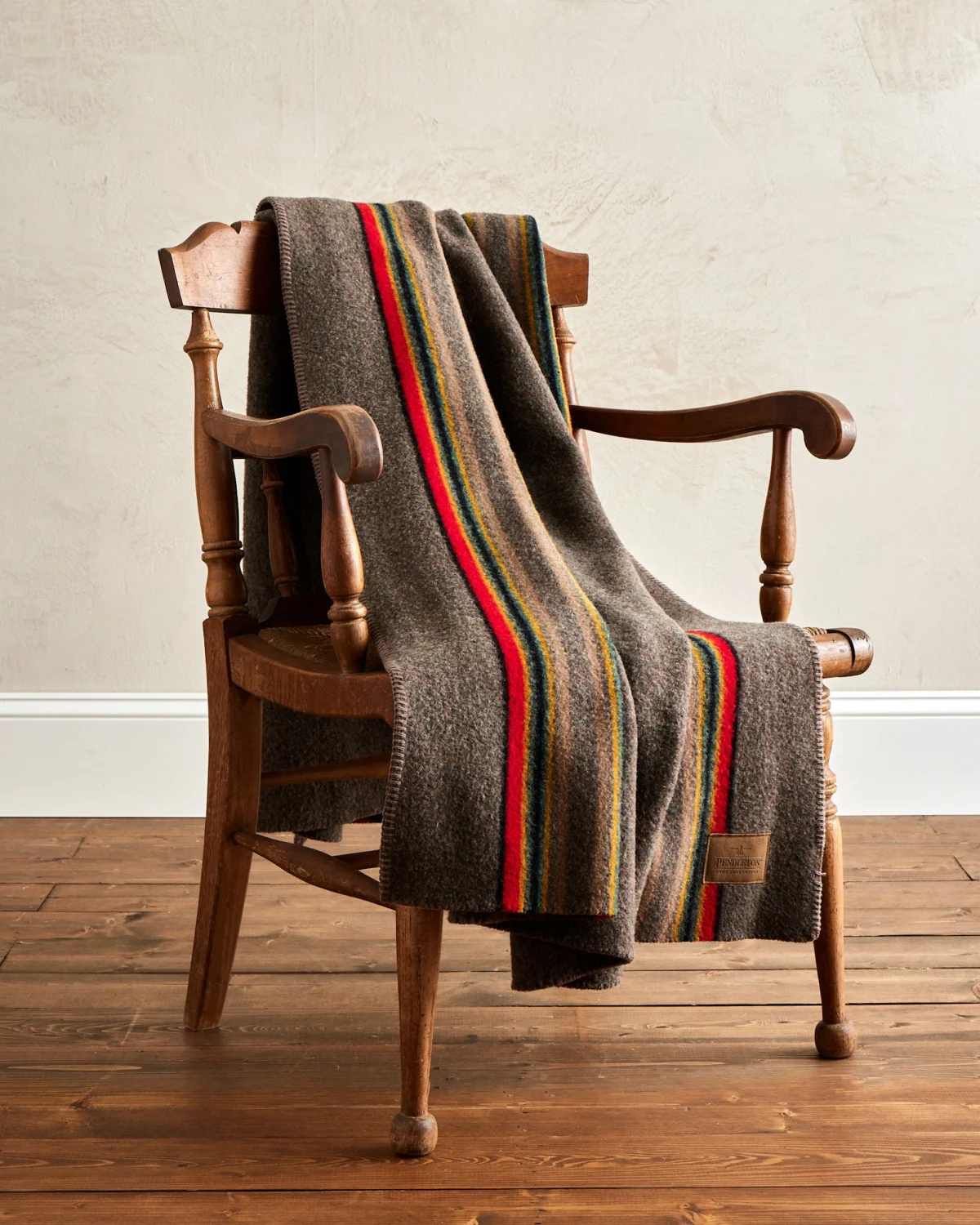
With a legacy spanning over a century since its founding in 1909, Pendleton stands as an iconic American brand renowned for its woolen mills. Operating two of the few remaining woolen mills in the U.S., Pendleton oversees the entire production process from scouring and dyeing to spinning, weaving, and hand-finishing wool and cotton for its Oeko-Tex-certified blankets. This vertical integration allows for meticulous quality control and adherence to high environmental standards. The brand fosters deep-rooted relationships with local wool farmers, ensuring a consistent supply of ethically sourced raw materials. Furthermore, Pendleton is celebrated for its collaboration with indigenous artists, whose iconic patterns are intricately woven on traditional looms, preserving cultural narratives and supporting artistic heritage. The price range for Pendleton blankets varies from $60 to $529, and they are primarily available in the U.S.
2. Minna
Minna, a certified B Corp and queer-led business based in Upstate New York, is a beacon of ethical craftsmanship. The brand specializes in blankets that feature captivating abstract patterns and minimalist designs, handcrafted in small batches. Minna prioritizes natural and certified materials, utilizing alpaca, Oeko-Tex-certified cotton, and merino wool. A cornerstone of their philosophy is building meaningful relationships with artisan partners across Central and South America. In a testament to their commitment to transparency and empowering artisans, Minna proudly lists the individual who made each blanket directly on its product pages, fostering a personal connection between consumer and creator. Their blankets range from $165 to $398 and are available in most countries.
3. April Notes
April Notes crafts soft and earth-friendly home linens with a strong emphasis on sustainability and artisan welfare. Their collection of blankets is made from natural fibers including linen, cotton, and merino wool, all certified free of harmful chemicals and synthetic dyes. These blankets are celebrated for being naturally breathable and hypoallergenic, catering to health-conscious consumers. The brand operates on a made-on-demand model, a proactive strategy to minimize textile waste and combat overproduction, a significant issue in the fashion and home goods industries. April Notes collaborates closely with a boutique atelier in Lithuania, ensuring not only exceptional craftsmanship but also fair wages and safe working conditions for their skilled artisans. Prices range from $149 to $180, with availability in the U.S., Canada, the U.K., Australia, New Zealand, Mexico, Norway, Switzerland, Gibraltar, and all European Union countries.
4. Avocado
Avocado, a Los Angeles-based certified B Corp, has expanded its reputation for sustainable mattresses to include a range of cozy bedroom stylings. Their throw blankets are meticulously crafted from Oeko-Tex-certified organic cotton, luxurious alpaca wool, cashmere, merino wool, and recycled cotton. Demonstrating a commitment to natural processes, the colors of their alpaca wool throws are naturally occurring, eliminating the need for any dyes, while other blankets utilize azo-free dyes. Avocado sources its wool from Northern India and maintains a rigorously audited supply chain, ensuring ethical practices from raw material to finished product. Avocado blankets are priced between $39 and $349 and are available in the U.S.
5. Coyuchi
Coyuchi is dedicated to creating high-quality home goods with a minimal environmental footprint, prioritizing organic and sustainable materials. Their blankets are made with organic cotton and wool sourced from India, and are woven in Fair Trade-certified factories located in Turkey, Portugal, and Germany. This commitment to Fair Trade certification underscores their dedication to ethical labor practices and community empowerment within their global supply chain. To assist customers in making informed choices, Coyuchi offers a comprehensive online blanket guide, helping individuals find the perfect match for their needs and preferences. With a price range of $58 to $478, Coyuchi products are available in the U.S.
6. Savvy Rest
Savvy Rest, another certified B Corp in the bedding sector, distinguishes itself by producing organic cotton, dye-free blankets. The brand offers a wide array of sizes, from throws to king-sized blankets, ensuring options for various needs. A notable aspect of Savvy Rest’s commitment to sustainability and local economies is that its cotton is grown and woven into blankets entirely within the United States. This localized production minimizes transportation emissions and supports domestic agriculture and manufacturing jobs. Their blankets are priced from $89 to $198 and are available exclusively in the United States.
7. Under the Canopy
Under the Canopy creates blankets with an emphasis on intentional design and lasting quality, ensuring they are built to withstand the test of time. Their products are manufactured in India, Pakistan, Turkey, and China, utilizing Oeko-Tex-certified low-impact dyes that minimize environmental harm. The brand sources its merino wool from Argentina and organic cotton from Turkey, carefully selecting materials that align with their sustainability goals. By combining global sourcing with stringent certification, Under the Canopy strives to offer products that are both eco-conscious and durable. Their blankets range from $178 to $212 and are available in the U.S.
8. Boll & Branch
Boll & Branch, a prominent Fair Trade Certified bedding company, places a strong emphasis on non-toxic processes to deliver safe and exceptionally soft blankets. Their throws are crafted by skilled artisans in India, Turkey, and Pakistan, utilizing traceable Oeko-Tex-certified organic cotton and alpaca. The brand’s commitment to traceability ensures that the origin of their materials is known, promoting transparency and accountability throughout their supply chain. This dedication to ethical sourcing and non-toxic production methods results in premium blankets that are both luxurious and responsible. Boll & Branch blankets are priced between $149 and $699 and are available in the U.S. and Canada.
9. Bearaby
Bearaby specializes in therapeutic weighted blankets designed to promote better sleep and reduce anxiety, but also offers a selection of comfortable and lightweight throws. The brand innovates with its material choices, using Tencel from Austria, organic cotton from India, and Oeko-Tex-certified recycled polyester. This blend of materials allows them to create blankets in multiple weights and sizes, catering to diverse needs while maintaining a focus on sustainability. Bearaby’s use of Tencel, known for its closed-loop production, highlights their commitment to environmentally friendly manufacturing processes. Their products are available in the U.S., with prices ranging from $149 to $309.
10. Cold Picnic
Cold Picnic transforms home goods into striking art pieces, with a unique design sensibility. Their blankets are designed in Brooklyn and primarily made in the U.S. in small batches by a family-owned company, utilizing domestically-sourced Oeko-Tex-certified recycled cotton. This localized production supports American manufacturing and reduces carbon footprint. Additionally, their exquisite quilts are handmade in India by skilled artisans, blending global craftsmanship with local design. Consumers should note that while many products are sustainable, some blankets do incorporate polyester, so checking material details is advisable for those sensitive to synthetics. Cold Picnic blankets range from $130 to $560 and are available worldwide.
11. Parachute
Parachute is a direct-to-consumer brand that has built a reputation for creating quality and durable home goods with a modern aesthetic. Their blankets feature timeless designs and are crafted from Oeko-Tex-certified materials, including cotton, alpaca wool, and linen. Parachute prioritizes ethical manufacturing by partnering with Fair Trade certified factories in Portugal and Turkey, ensuring a supply chain that upholds fair labor practices. While committed to sustainability, some blankets may contain a small percentage of polyester, so customers are encouraged to review material details if they have sensitivities to synthetics. Parachute blankets are priced from $99 to $289 and are available in the U.S. and Canada.
12. The Citizenry
The Citizenry is a Fair Trade certified brand that offers a diverse collection of warm and lightweight blankets, quilts, and throws. Their products are made from ethically sourced Oeko-Tex-certified materials such as alpaca wool, mohair, linen, and cotton. A hallmark of The Citizenry’s approach is its deep engagement with international artisan partners. The brand proudly lists all its partners and the specific region where each blanket was handwoven or loomed on its product pages, fostering unparalleled transparency and celebrating global craftsmanship. Similar to other brands, a small amount of polyester may be present in some blankets, so checking the material composition is recommended. The Citizenry’s offerings range from $189 to $299 and are available in the U.S. and Canada.
13. Made Trade
Made Trade operates as an innovative online marketplace, meticulously vetting every product to ensure it meets rigorous sustainability and transparency standards. This platform empowers consumers to shop by their specific values, allowing them to filter for blankets that are USA Made, handcrafted, or Fair Trade certified. Customers can also select based on preferred materials, including organic cotton, recycled polyester, hemp, linen, and merino and alpaca wool. While Made Trade champions sustainable choices, it’s crucial for shoppers to utilize the filter settings to specifically avoid synthetics if that is a preference. The wide range of ethical options is reflected in their price range of $40 to $719, with availability in the U.S., Australia, Canada, the U.K., and most European and Asian countries.
The Broader Impact: Shifting Consumer Landscapes and Industry Responsibility
The growing interest in ethical and sustainable blankets is not an isolated trend but rather a reflection of a broader transformation within the consumer market. A significant number of consumers are now actively seeking products that align with their environmental and social values, driving brands to adopt more responsible practices. This shift is particularly evident in the home goods sector, where items are often seen as long-term investments that contribute to a healthy living environment.
The implications of this movement are far-reaching. Environmentally, the demand for natural fibers and non-toxic dyes reduces reliance on petrochemicals, minimizes water pollution, and supports regenerative agricultural practices. Socially, the emphasis on traceable and Fair Trade certified supply chains challenges exploitative labor practices, empowers artisans, and fosters economic development in vulnerable communities. This collective consumer pressure is pushing the textile industry towards greater transparency, accountability, and innovation in sustainable materials and manufacturing.
While significant progress has been made, challenges remain. The complexity of global supply chains, the cost of sustainable certifications, and the need for ongoing consumer education are hurdles that the industry continues to navigate. However, the trajectory is clear: the future of home comfort lies in a harmonious blend of luxurious coziness and unwavering ethical integrity. As more brands embrace these principles and consumers become increasingly informed, the ripple effect will continue to transform not just the way blankets are made, but how we think about every product in our homes, fostering a more sustainable and equitable world one thread at a time.



 Anjar Salim
 Dwi Wanna
 Budi Mulyono
 Lukman Taruna Persada Ramadan
 Chandra Hamzah
 Gabriela Annisa