Walid Sujud Trenggono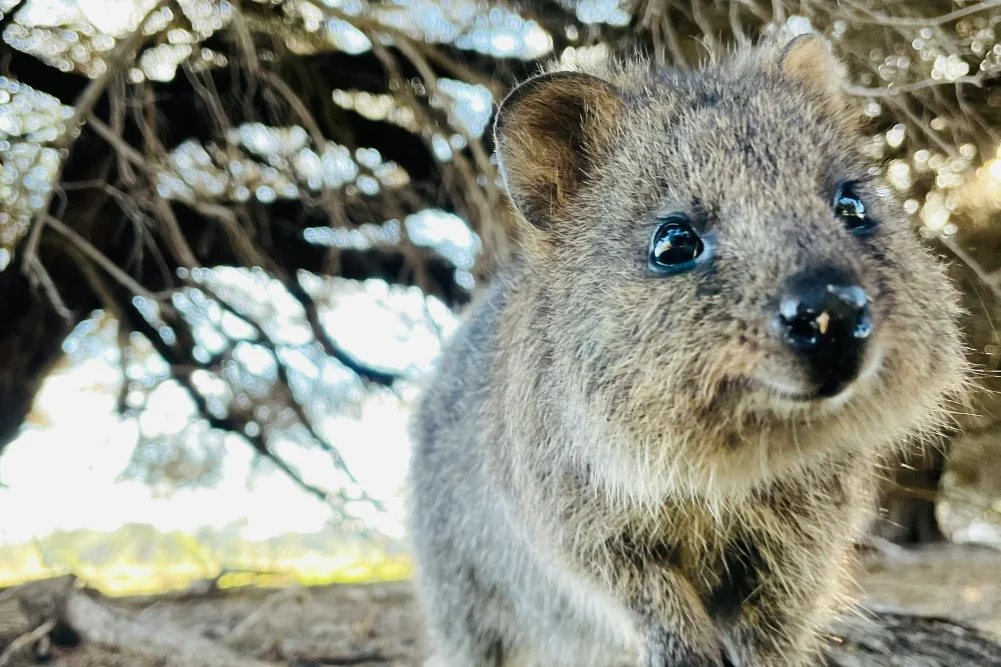
Rottnest Island, known as Wadjemup by the Whadjuk Noongar people, and the adjacent port city of Fremantle (Walyalup) represent a complex intersection of ecological wonder, colonial history, and modern tourism within Western Australia. Located approximately 18 kilometers off the coast of Perth, Rottnest Island serves as a primary sanctuary for the quokka (Setonix brachyurus), a small macropod that has become a global symbol of the region’s biodiversity. However, the island’s contemporary status as a premier holiday destination is underpinned by a somber history as a site of Indigenous incarceration and profound cultural significance. This report examines the environmental, historical, and socio-economic facets of Rottnest Island and Fremantle, providing an analytical overview of their roles in the Australian tourism landscape.
The Ecological Framework: Biodiversity and the Quokka Phenomenon
Rottnest Island encompasses 19 square kilometers of varied terrain, including coastal heathlands, salt lakes, and limestone reefs. Its Mediterranean climate and isolation from the mainland have created a unique habitat for various flora and fauna. The most notable inhabitant is the quokka, a herbivorous marsupial that has seen its mainland population dwindle significantly due to habitat loss and predation by introduced species such as foxes and cats.
Currently, Rottnest Island supports an estimated population of 10,000 to 12,000 quokkas, representing approximately 80% of the world’s remaining population. While these animals are celebrated for their seemingly "smiling" facial expressions, they are classified as "Vulnerable" on the IUCN Red List of Threatened Species. Environmental data indicates that the population faces ongoing threats from rising global temperatures and increasing frequency of drought, which deplete the island’s limited freshwater sources during the summer months.
The "quokka selfie" trend, which gained international momentum after tennis professional Roger Federer posted a photo with the animal in 2017, has significantly impacted visitor behavior. Tourism Western Australia reported that the post reached over half a billion people globally, resulting in a measurable surge in visitor numbers. While this has generated substantial revenue via tourist levies—funds that are reinvested into conservation and infrastructure—it has also necessitated stricter management of human-wildlife interactions to prevent the habituation of quokkas to human food and interference.
A Chronology of Wadjemup: From Sacred Site to Penal Colony
The history of Rottnest Island is divided into three distinct eras: the pre-colonial Indigenous period, the colonial penal era, and the modern tourism era.
-
Pre-Colonial Era (Pre-6,500 BP): Geologically, Rottnest was connected to the mainland until rising sea levels isolated it approximately 6,500 years ago. For the Whadjuk Noongar people, the island is known as Wadjemup, meaning "place across the water where the spirits are." It remains a site of deep spiritual significance, traditionally viewed as a gateway to the afterlife.
-
European Discovery and Naming (1696): Dutch explorer Willem de Vlamingh landed on the island in December 1696. Mistaking the abundant quokkas for large rats, he named the land "Rotte Nest" (Rat’s Nest).
-
The Penal Era (1838–1931): In 1838, the colonial government established a prison on the island for Aboriginal men and boys. Over the next century, more than 4,000 Indigenous people from across Western Australia were incarcerated there. Prisoners were subjected to forced labor, contributing to the construction of much of the island’s heritage architecture, including the Wadjemup Lighthouse, the Quod (the former prison building), and the seawall. Records indicate that approximately 370 prisoners died on the island, often from disease or malnutrition, making it the largest unmarked burial site of Aboriginal people in Australia.
-
Modern Tourism Era (1917–Present): The island was officially declared a public park in 1917, though the prison continued to operate in various capacities until 1931. Since the mid-20th century, the island has transitioned into a car-free recreational zone managed by the Rottnest Island Authority (RIA).
Fremantle: The Mainland Gateway and Maritime Hub
The port city of Fremantle, or Walyalup, serves as the primary transit point for visitors to Rottnest Island. Fremantle’s history is inextricably linked to that of the island, sharing a legacy of convict labor and maritime development. The city is renowned for having the most well-preserved 19th-century port streetscape in the world.
Key historical assets in Fremantle include:
- The Fremantle Prison: A UNESCO World Heritage site built by convicts in the 1850s. It served as a place of incarceration for 136 years before closing in 1991.
- The WA Shipwreck Museum: This facility houses the remains of the Batavia, a Dutch East India Company ship wrecked in 1629. The museum’s collection provides critical data on early European maritime exploration in the Indian Ocean.
- The Round House: Constructed in 1830, it is the oldest public building in Western Australia and was originally used as a lock-up.
In recent years, Fremantle has undergone a significant economic transition. While it remains a working port, the city has diversified into a cultural and gastronomic hub. Data from the City of Fremantle suggests that the "visitor economy" is a primary driver of local growth, with the hospitality sector benefiting from the high volume of traffic moving toward the Rottnest ferries.
Socio-Economic Infrastructure and Tourism Logistics
The management of Rottnest Island requires a delicate balance between high-volume tourism and environmental preservation. Because private vehicles are prohibited, the island’s internal transport infrastructure is centered on cycling and a fleet of electric-powered shuttle buses.
Logistics and Accessibility:
Ferries operate from three main locations: Fremantle (25-30 minutes), Hillarys Boat Harbour (45 minutes), and Perth City (90 minutes). Current pricing structures for return trips range from $84 to $124 for adults, which includes a mandatory government landing fee. This fee is a critical revenue stream for the RIA, funding the maintenance of the island’s independent water desalination plant and renewable energy microgrid, which includes wind and solar power.
Accommodation Tiers:
The island offers a tiered accommodation model to cater to diverse demographics:
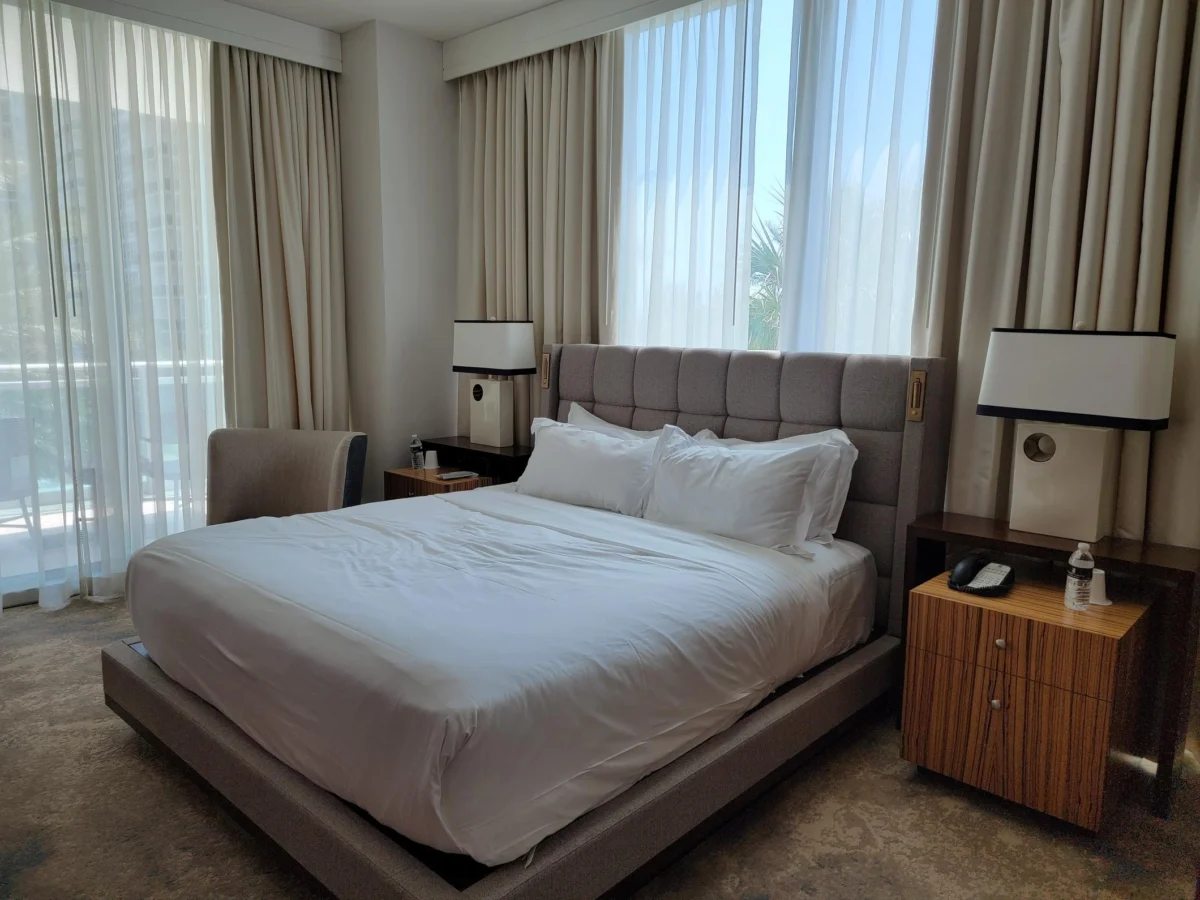
- High-End: Samphire Rottnest and Discovery Resorts provide luxury "glamping" and hotel experiences, with rates often exceeding $500 per night during peak summer periods.
- Mid-Range: Heritage cottages and units managed by the RIA.
- Budget: The Kingstown Barracks hostel and designated camping grounds provide entry-level access for students and hikers.
Implications and Future Outlook: Reconciliation and Sustainability
As Western Australia moves toward a more inclusive historical narrative, the future of Rottnest Island is being reshaped by the "Wadjemup Project." This initiative, led by the RIA in consultation with Aboriginal elders, aims to formally acknowledge the island’s dark history. Plans include the permanent closure and memorialization of "The Quod" and the implementation of cultural awareness programs for visitors.
From a sustainability perspective, the island faces challenges related to climate change. Rising sea levels threaten the limestone foundations of the island’s coastal infrastructure, and the fragile terrestrial ecosystem requires constant monitoring to ensure that visitor numbers do not exceed the "carrying capacity" of the environment.
The economic outlook for the region remains positive, with international tourism returning to pre-pandemic levels. However, analysts suggest that the long-term viability of Rottnest Island as a premier destination will depend on its ability to transition from a "quokka-centric" marketing strategy to one that emphasizes its profound cultural history and environmental resilience.
In conclusion, Rottnest Island and Fremantle represent more than mere scenic locales; they are vital repositories of Western Australia’s natural and social history. The shift toward a more nuanced understanding of Wadjemup’s past, combined with rigorous environmental stewardship, will be essential in preserving these sites for future generations. As the Indigenous proverb suggests, visitors are merely "passing through," and the ultimate goal of such travel is to observe, learn, and contribute to the preservation of the landscape’s integrity.


 Budi Mulyono
 Lukman Taruna Persada Ramadan
 Chandra Hamzah
 Gabriela Annisa
 Tatiana Tantri Indah Sari