
 Tatiana Tantri Indah Sari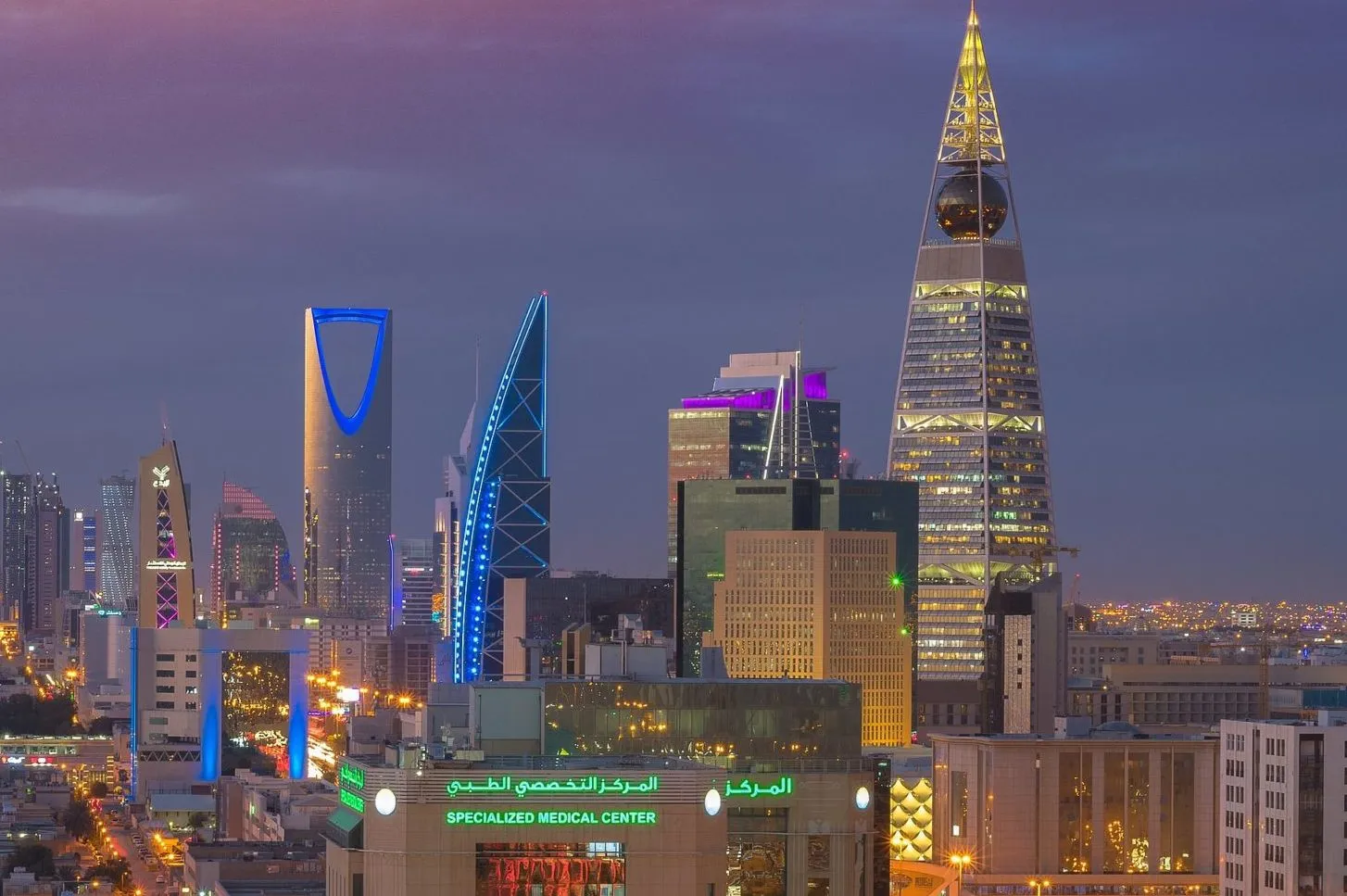
A significant joint venture has been announced, poised to inject $1 billion into Saudi Arabia’s burgeoning business hotel sector. U.S. investment firm Patel Family Office has partnered with the prominent Saudi industrial conglomerate Abdel Hadi A. Al-Qahtani & Sons (AHQ) to develop a substantial portfolio of hospitality assets across the Kingdom. The initiative, detailed in a joint statement released on Friday, outlines ambitious plans to establish 50 hotels, encompassing between 5,000 and 7,000 rooms, strategically positioned in Saudi Arabia’s key economic hubs by 2029.
The properties are slated for development in the commercially vibrant cities of Riyadh, Jeddah, and Dammam. These locations have been chosen for their pivotal roles as centers of finance, commerce, and industry, attracting a rapidly expanding influx of corporate and business travelers. The hotels will operate under the management of a newly established hospitality platform named Ayara, yet will prominently feature the branding of various international hotel groups. This strategic approach aims to leverage global recognition and operational excellence while catering specifically to the Kingdom’s rapidly expanding corporate and business travel sector. The design philosophy for these rooms will center around optimizing functionality, comfort, and connectivity to meet the demanding needs of modern business professionals, integrating features such as dedicated workspaces, high-speed internet, and convenient access to meeting facilities and transportation networks.
The Landmark Partnership and Investment Scope
The collaboration between Patel Family Office and AHQ represents a powerful confluence of international financial acumen and deep local market expertise. Patel Family Office, known for its strategic investments across diverse sectors, brings a global perspective and access to capital crucial for a project of this scale. Abdel Hadi A. Al-Qahtani & Sons, a diversified Saudi conglomerate with a long-standing presence in various industrial and commercial sectors within the Kingdom, offers invaluable insights into the local market dynamics, regulatory landscape, and supply chain efficiencies. This synergy is fundamental to navigating the complexities of large-scale development in a rapidly evolving market.
The $1 billion commitment underscores the significant confidence both parties hold in Saudi Arabia’s economic trajectory and the robust growth potential of its hospitality sector, particularly within the business travel segment. The target of 50 hotels and up to 7,000 rooms within a five-year timeframe is indicative of an aggressive expansion strategy designed to capture a substantial share of the anticipated demand. This investment is not merely about constructing buildings; it is about developing a comprehensive hospitality ecosystem that supports the Kingdom’s broader economic diversification objectives.
Strategic Alignment with Saudi Vision 2030
This ambitious hotel development initiative is deeply rooted in and directly supports Saudi Arabia’s transformative national blueprint, Vision 2030. Launched in 2016, Vision 2030 aims to reduce the Kingdom’s reliance on oil, diversify its economy, and foster new sectors, including tourism, entertainment, and logistics. A cornerstone of this vision is the dramatic expansion of the hospitality infrastructure to accommodate an anticipated surge in both leisure and business visitors.
The Kingdom’s Ambitious Tourism and Business Goals
Saudi Arabia has set ambitious targets to attract 100 million annual visitors by 2030, a significant portion of which is expected to comprise business travelers, delegates for conferences, and professionals involved in the numerous giga-projects underway. The Public Investment Fund (PIF), Saudi Arabia’s sovereign wealth fund, is spearheading colossal projects such as NEOM, The Red Sea Project, Qiddiya, and Diriyah Gate, each designed to create new economic zones and tourism destinations. These projects inherently generate immense business travel demand, from construction and engineering professionals to investors, consultants, and future operational staff. Furthermore, the Kingdom is aggressively positioning itself as a global hub for Meetings, Incentives, Conferences, and Exhibitions (MICE), evidenced by a growing calendar of international events, forums, and summits hosted in Riyadh and Jeddah. This strategic focus on MICE tourism necessitates a corresponding increase in high-quality business accommodation.
The investment by Patel Family Office and AHQ directly addresses this critical need, providing the necessary infrastructure to host this burgeoning segment. By focusing on business hotels, the partnership aligns with the Kingdom’s drive to enhance its global competitiveness as a destination for commerce and investment, offering world-class facilities and services to international and domestic corporate visitors.
Addressing the Burgeoning Business Travel Sector
The decision to focus exclusively on business hotels is a calculated response to a clear and demonstrable market need. Saudi Arabia’s economic transformation under Vision 2030 is generating unprecedented levels of commercial activity. Foreign direct investment (FDI) into the Kingdom has seen significant upticks, driven by government incentives, regulatory reforms, and the sheer scale of development projects. Each new company establishing a presence, every international delegation visiting for business, and every large-scale event demands reliable, high-quality accommodation tailored to their professional requirements.
The current hospitality landscape, while growing, has a discernible gap in dedicated, internationally branded business hotels that offer consistent service standards and amenities. These new properties are designed to fill this void, providing not just rooms, but also integrated business services such, as meeting rooms, co-working spaces, executive lounges, and advanced connectivity, which are indispensable for modern corporate travelers.
Key Economic Hubs: Riyadh, Jeddah, Dammam
The selection of Riyadh, Jeddah, and Dammam as the primary locations for these 50 hotels is strategically sound, reflecting their status as the Kingdom’s economic powerhouses:
- Riyadh: As the capital city, Riyadh is the political, financial, and administrative heart of Saudi Arabia. It is home to major government ministries, the Saudi Central Bank, the Saudi Stock Exchange (Tadawul), and a rapidly expanding ecosystem of international corporations. The King Abdullah Financial District (KAFD) is transforming into a global financial hub, attracting significant business traffic. The city is also a focal point for major national events and conferences, driving consistent demand for business accommodation.
- Jeddah: Situated on the Red Sea coast, Jeddah is Saudi Arabia’s primary commercial port and a critical gateway for trade and pilgrimage. Its strategic location makes it a hub for logistics, shipping, and a growing tourism sector, including Red Sea Project visitors. As a bustling commercial center, Jeddah attracts a diverse range of business travelers involved in trade, maritime industries, and regional commerce. It also serves as a crucial transit point for Makkah, influencing a unique blend of business and spiritual travel.
- Dammam: Located in the Eastern Province, Dammam is the administrative center of the Kingdom’s oil and gas industry, home to Saudi Aramco and numerous related petrochemical and industrial enterprises. The city and its surrounding areas, including Khobar and Jubail, form a vital industrial corridor. Business travelers to Dammam are typically involved in energy, manufacturing, logistics, and heavy industry, requiring specialized accommodation that caters to longer stays and industrial-focused needs.
By targeting these three cities, the partnership ensures maximum exposure to the most active and high-demand segments of the business travel market.
Operational Model: Ayara and International Brand Synergy
The operational strategy for this portfolio of hotels involves a dual-layered approach: management through the newly created Ayara hospitality platform, coupled with branding under established international hotel groups. This model offers several distinct advantages. Ayara, as the dedicated management entity, will be able to centralize operational efficiencies, leverage local market insights, and ensure a consistent service delivery across all 50 properties. This localized management also allows for agility in adapting to specific Saudi cultural nuances and consumer preferences.
The decision to affiliate with international hotel brands is equally critical. Global brands bring with them invaluable assets: worldwide recognition, established booking and distribution channels, loyalty programs that attract repeat corporate customers, and globally recognized service standards. For business travelers, the assurance of a familiar international brand signifies a certain level of quality, reliability, and amenities, irrespective of location. This synergy allows the venture to combine localized operational expertise with the global appeal and reach of renowned hotel chains, maximizing market penetration and guest satisfaction. It also signifies the growing attractiveness of the Saudi market to global hospitality players, who are increasingly looking to establish or expand their presence in the Kingdom.
Statements from Leadership and Industry Perspective (Inferred)
While specific official statements beyond the initial announcement have not been widely published, the strategic nature of this investment allows for logical inferences regarding the perspectives of the involved parties and broader industry reactions.
Patel Family Office on Strategic Growth
A representative from Patel Family Office might emphasize the strategic foresight behind this investment. "Saudi Arabia’s Vision 2030 represents one of the most compelling growth narratives globally today," an executive could state. "Our investment in business hotels is a direct response to the incredible economic diversification underway, particularly the exponential growth in corporate travel and MICE events. We see immense long-term value in supporting the Kingdom’s ambition to become a premier global business destination. This partnership with AHQ allows us to combine our financial expertise with their deep understanding of the local landscape, creating a robust platform for sustainable growth and significant returns for our investors."
AHQ’s Commitment to National Development
From the Saudi partner’s perspective, Abdel Hadi A. Al-Qahtani & Sons would likely underscore their commitment to national development and leveraging their local expertise. "As a Saudi conglomerate with a long history of contributing to the Kingdom’s progress, we are proud to partner with Patel Family Office on this transformative hospitality venture," an AHQ spokesperson might remark. "This project is not just about building hotels; it’s about building capacity, creating jobs, and enhancing the infrastructure necessary for Saudi Arabia to realize its Vision 2030 objectives. We are uniquely positioned to ensure these properties are developed and operated with an understanding of local needs and a commitment to world-class standards, further strengthening our nation’s economic fabric."
Government Endorsement and Market Confidence
Saudi government officials, particularly from the Ministry of Investment or the Saudi Tourism Authority, would likely welcome such a substantial foreign direct investment. "This $1 billion commitment is a testament to the increasing confidence international investors have in Saudi Arabia’s economic future," a ministry official might comment. "It directly aligns with our goals of attracting capital, diversifying our economy, and creating a vibrant, world-class tourism and business ecosystem. Such partnerships are vital for achieving the ambitious targets set forth by Vision 2030 and solidifying the Kingdom’s position as a global investment and business hub."
Industry analysts would likely view the investment positively, highlighting the strategic timing. "The Saudi market is undergoing unprecedented growth in infrastructure and economic development," noted one hospitality consultant. "There’s a clear demand for quality business accommodation, especially with the influx of professionals working on giga-projects. This scale of investment will help meet that demand and elevate the overall standard of business hospitality in the Kingdom, though competition will inevitably intensify as more players enter the market."
A Robust Pipeline: Project Timeline and Development
The timeline for this ambitious undertaking is set to culminate by 2029, implying a rapid and phased development strategy. Constructing 50 hotels and establishing a fully operational hospitality platform within five years requires meticulous planning, efficient execution, and strong supply chain management. The development will likely involve a mix of new builds and potentially some strategic acquisitions or conversions, depending on market opportunities and speed-to-market considerations.
The Ayara platform will be instrumental in streamlining the development process, from site selection and design to construction oversight and pre-opening operations. Engaging international hotel groups early in the process will ensure that the properties meet brand standards from conception, facilitating a seamless transition to operation. The emphasis on economic centers means that land acquisition and development will need to navigate existing urban infrastructure and planning regulations, requiring close collaboration with municipal authorities.
Economic Impact and Broader Implications
The $1 billion investment and the subsequent development of 50 business hotels will have profound economic and social implications for Saudi Arabia.
Catalyzing Job Creation and Local Economies
A project of this magnitude will be a significant job creator. The construction phase alone will generate thousands of direct and indirect employment opportunities in fields such as engineering, construction, project management, and related services. Once operational, the 50 hotels will require a substantial workforce, encompassing roles in hotel management, guest services, food and beverage, housekeeping, maintenance, and administration. This direct employment will be complemented by indirect job creation across the supply chain, benefiting local businesses in sectors like food production, laundry services, transportation, and retail. This aligns perfectly with Vision 2030’s focus on increasing local content and creating opportunities for Saudi nationals, fostering human capital development within the burgeoning hospitality sector.
Elevating Saudi Arabia’s Global Business Profile
The enhanced availability of world-class business accommodation is crucial for Saudi Arabia’s aspirations to become a leading global business and investment destination. High-quality hotels are not merely places to sleep; they are extensions of the business environment, offering facilities for meetings, networking, and comfortable stays that support productivity. By bolstering its capacity to host international business delegations, conferences, and corporate events, the Kingdom strengthens its appeal as a reliable and sophisticated hub for global commerce. This investment will contribute to a more diversified GDP, reducing reliance on hydrocarbon revenues and accelerating the growth of non-oil sectors. It also signals to other international investors the viability and attractiveness of investing in Saudi Arabia’s rapidly transforming economy.
The Future of Saudi Hospitality
This joint venture marks a pivotal moment in the evolution of Saudi Arabia’s hospitality landscape. While the focus is on business hotels, its success will undoubtedly catalyze further investment across the entire spectrum of hospitality, including luxury resorts, boutique hotels, and budget accommodations. The sheer scale of development under Vision 2030, from new cities to entertainment hubs, guarantees sustained demand for diverse lodging options.
Challenges, such as intense competition from other regional hubs like Dubai and Qatar, talent acquisition and retention in a rapidly expanding sector, and ensuring sustainable development practices, will need careful navigation. However, the proactive and strategic nature of investments like the Patel Family Office-AHQ partnership demonstrates a clear commitment to overcoming these challenges. As Saudi Arabia continues its economic and social transformation, robust and high-quality hospitality infrastructure will be a cornerstone of its success, cementing its position as a major player on the global stage.




 Anjar Salim
 Chandra Hamzah
 Budi Mulyono

