
 Tatiana Tantri Indah Sari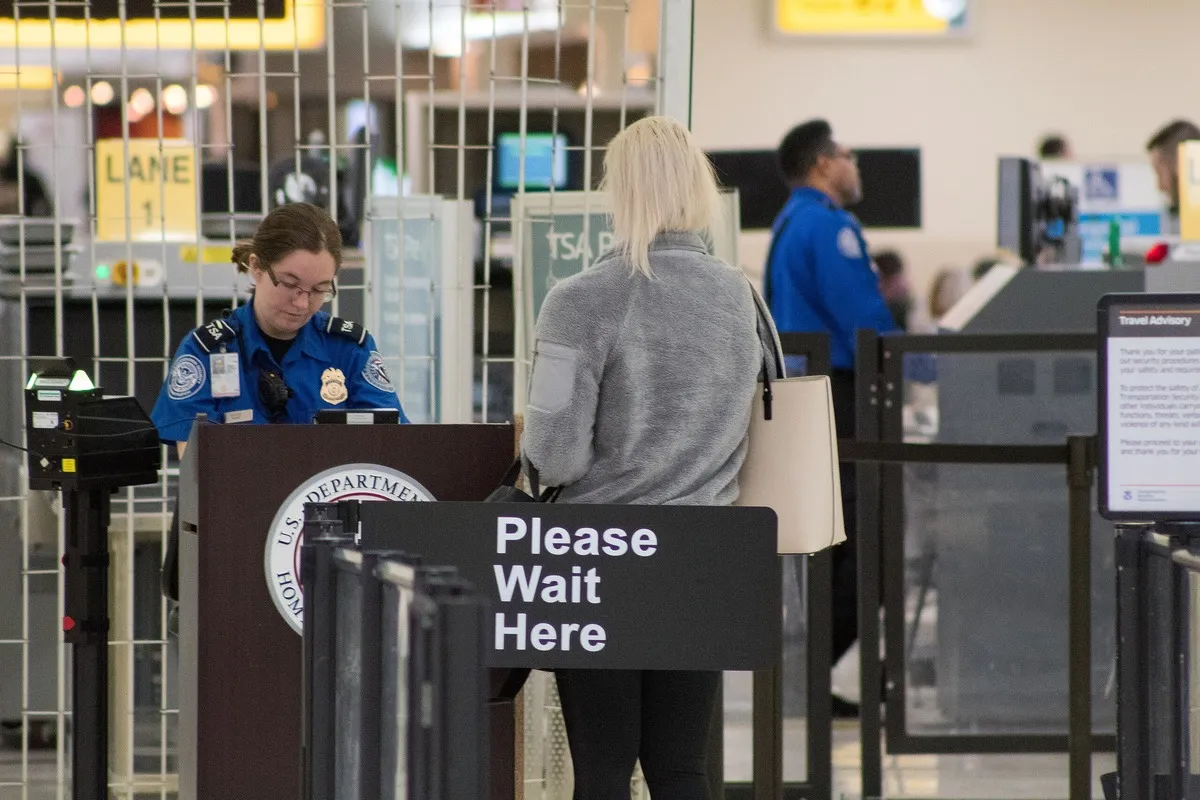
The United States’ travel infrastructure is facing an acute and unprecedented period of strain, grappling with the simultaneous pressures of a partial government shutdown, record-breaking spring break demand, and a series of critical operational incidents. This confluence of challenges has resulted in widespread airport chaos, significant staffing shortages for key security personnel, and a deepening sense of unpredictability for millions of travelers. The crisis has exposed underlying vulnerabilities in the system, raising fundamental questions about its long-term resilience and the broader economic implications for airlines, the hospitality sector, and international travel sentiment.
A Perfect Storm: Compounding Crises Rock U.S. Airports
The current predicament reached a critical juncture in late March 2026, when reports of exorbitant wait times at major U.S. airports began to surface. Travelers, many embarking on highly anticipated spring break vacations, found themselves enduring waits of three hours or more at security checkpoints, a stark indicator of a system teetering on the brink. This operational paralysis was not merely a result of increased passenger volume; it was exacerbated by a complex interplay of factors that created a "perfect storm" for the nation’s aviation network.
At the heart of the immediate crisis lies a partial government shutdown, which commenced several weeks prior and has directly impacted the critical workforce of the Transportation Security Administration (TSA). Unlike previous full shutdowns, the current impasse has disproportionately affected specific federal agencies, including parts of the Department of Homeland Security (DHS), under which the TSA operates. As a result, TSA agents, deemed essential personnel, have been required to work without pay. This financial uncertainty has led to a significant increase in absenteeism, with reports indicating a 10% call-out rate among TSA staff nationwide, and even higher percentages, sometimes reaching 30%, at individual airports. Furthermore, approximately 450 TSA workers have reportedly resigned during this period, seeking more stable employment elsewhere. While back pay is typically provided upon the resolution of a shutdown, the immediate financial hardship and lack of job satisfaction have eroded morale and thinned the ranks of an already stretched workforce.
Compounding the staffing crisis is the unprecedented surge in spring break travel demand. Following years of pandemic-induced disruptions, the travel industry is experiencing a robust rebound, with passenger volumes reaching and, in some cases, exceeding pre-pandemic levels. Industry analysts have characterized the current spring break season as the busiest on record, underscoring the immense pressure on airport infrastructure and personnel, even under normal operating conditions.
Adding to this volatile mix were critical operational incidents that brought key aviation hubs to a standstill. On a particularly chaotic Monday, ground stops were issued at both LaGuardia and Newark Liberty International Airports. These disruptions were triggered by a reported plane collision at LaGuardia (attributed to the smell of smoke, though a fire was not confirmed) and issues within an air traffic control tower at Newark. Such incidents, while not directly related to the shutdown, amplified the existing stress on the system, creating a ripple effect of delays and cancellations across the interconnected U.S. air traffic network.
The result has been an unpredictable and uneven travel experience. While some airports, such as Los Angeles International (LAX), reported normal operations and minimal wait times, others, like San Juan, experienced severe bottlenecks, with travelers facing 4.5-hour waits and requiring outdoor tents for shelter. In a telling move, New York City’s major airports – JFK, LaGuardia, and Newark – resorted to disabling their online wait time displays, presumably to avoid alarming travelers with the true extent of the delays. This variability underscores the localized impact of TSA staffing shortages and operational incidents, making it nearly impossible for travelers to anticipate their airport experience.

Political Stalemate and DHS Leadership Challenges
The root cause of the partial government shutdown lies in a contentious political dispute over funding for U.S. Immigration and Customs Enforcement (ICE). The inability of Republicans and Democrats to reach a consensus on immigration policy and border security funding has left several government agencies in limbo. This political gridlock is particularly ironic given that ICE, the very agency at the center of the dispute, was the one the presidential administration considered deploying to assist with airport security during the crisis.
The situation places immense pressure on Markwayne Mullins, who was recently confirmed as the new Secretary of Homeland Security. Assuming leadership at such a critical juncture, Mullins faces the daunting task of navigating both the immediate operational challenges at airports and the broader political complexities of his department’s funding. His background as a former MMA fighter and his past strong stances on immigration issues add a layer of intrigue to his leadership during this high-stakes period. The previous administration’s appointee, Kristi Noem, had a more publicly defined and often controversial presence in these debates, making Mullins’ approach a subject of keen observation.
A potential short-term resolution being discussed involves a compromise to specifically fund the TSA, allowing agents to receive pay and ideally return to work, even if the broader partial government shutdown continues. Such a measure would alleviate immediate pressure on airport operations but would not resolve the fundamental political divisions that led to the shutdown.
Economic Ramifications: A K-Shaped Recovery for Airlines, Uncertainty for Hospitality
The ongoing travel disruptions are having a differentiated impact on the business side of the travel industry, reinforcing what many analysts describe as a "K-shaped recovery." Larger, financially robust airlines appear better positioned to weather the storm, while smaller carriers and the broader hospitality sector face increasing uncertainty.
Airline executives have offered varied perspectives. Scott Kirby, CEO of United Airlines, has publicly expressed confidence in his company’s ability to navigate the chaos, citing United’s substantial cash reserves and industry-leading profit margins. Kirby’s aggressive stance suggests that United is not only prepared to absorb potential shocks but also to potentially capitalize on the struggles of competitors, even hinting at a willingness to acquire assets if conditions worsen for other players. Similarly, Delta Air Lines has openly embraced its position at the "top end of the K," acknowledging its appeal to wealthier travelers who continue to fly despite the disruptions. These major carriers, having restructured and bolstered their finances during the pandemic, possess the flexibility to adapt to volatile operating environments.
However, the picture is less optimistic for other airlines, particularly those with thinner margins or a greater reliance on leisure travelers sensitive to pricing and inconvenience. Prolonged disruptions, cancellations, and reduced passenger confidence could significantly impact their financial performance. The airline industry, already contending with global events affecting jet fuel prices and international travel sentiment, finds its domestic market further complicated by political instability.

The hospitality sector, a direct beneficiary of robust air travel, is also feeling the ripple effects. Hotels are reporting a slowdown in bookings and increasing concern among members of major hotel lobby groups. While executives at a recent investment conference in Berlin affirmed their commitment to long-term investment plans, acknowledging "uncertainty" as a constant in their business, there is growing apprehension about forward bookings. This is particularly evident for major events like the upcoming World Cup in the United States, which heavily relies on international visitors. The perception of the U.S. as an unwelcoming or logistically challenging destination, coupled with the chaos at airports, could deter crucial international tourism, impacting hotel occupancy and revenue.
A System at a Crossroads: Beyond a "Rough Week"
The central question emerging from this crisis is whether the current turmoil represents merely a "rough week" for travel or a symptom of a deeper, systemic breakdown. While the immediate pain of the government shutdown and operational incidents may eventually pass, the recurring nature of these political impasses and their cumulative toll on public services cannot be ignored.
Experts and travelers alike ponder if the U.S. aviation experience is irreversibly shifting from an enjoyable journey to a consistently frustrating ordeal. The erosion of TSA workforce morale, the vulnerability of critical infrastructure to political disputes, and the increasing frequency of disruptive events (both man-made and natural) point to a system under significant stress. For many, the joy of air travel, as eloquently put by some enthusiasts, is being overshadowed by anxiety and inconvenience.
The long-term implications could include a decline in traveler confidence, a reluctance to undertake non-essential air travel, and a potential "brain drain" from critical public service roles like the TSA. Addressing these challenges will require not only immediate political solutions to funding disputes but also sustained investment in infrastructure, comprehensive workforce planning, and a renewed commitment to depoliticizing essential public services.
As the nation navigates this turbulent period, the U.S. travel system stands at a crossroads. The resolution of the current shutdown will offer a temporary reprieve, but the underlying questions about its resilience, its workforce, and its capacity to meet future demands will continue to loom large, demanding durable solutions beyond short-term fixes.



 Anjar Salim
 Chandra Hamzah
 Budi Mulyono
 Lukman Taruna Persada Ramadan
