Anjar Salim
The National Parks and Federal Recreational Lands Access Pass, a cornerstone of the United States’ commitment to inclusive outdoor recreation, serves as a vital resource for millions of Americans living with permanent disabilities. This lifetime pass, which grants free entry to more than 2,000 federally managed recreation sites, has recently seen a significant surge in public awareness. By waiving entrance fees at all 433 sites managed by the National Park Service (NPS), as well as sites overseen by the U.S. Forest Service, the U.S. Fish and Wildlife Service, the Bureau of Land Management, and the Bureau of Reclamation, the program seeks to eliminate financial and logistical barriers to the nation’s most cherished natural and historical landmarks.
While the Access Pass is a long-standing federal benefit, its profile was elevated in March 2026 following a viral social media campaign that resonated with a younger generation of outdoor enthusiasts managing chronic illnesses. The program’s resurgence highlights a broader shift in the national conversation regarding what constitutes a disability, moving beyond visible physical impairments to include chronic autoimmune conditions, neurodivergence, and sensory disorders.
The Catalysts of Public Awareness: A Chronology of Recent Events
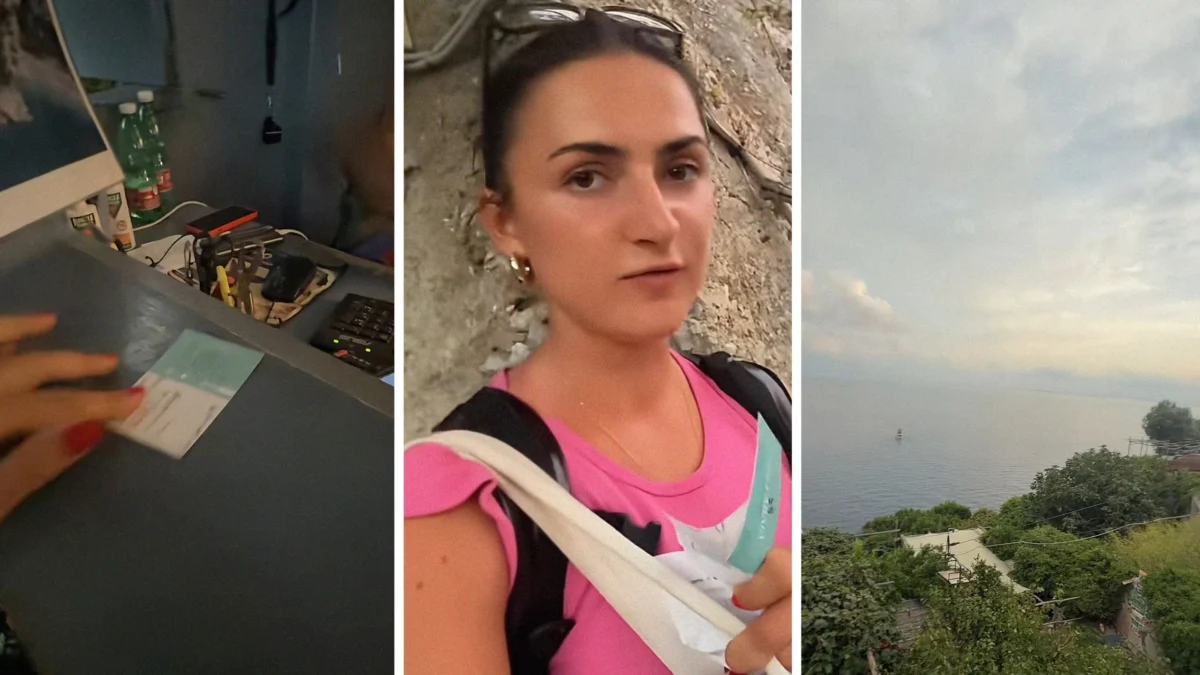
The recent influx of interest in the National Parks Access Pass can be traced back to a specific timeline of digital advocacy. On March 22, 2026, Kate Kirby, a 29-year-old advocate diagnosed with Type 1 diabetes at age ten, shared her experience applying for the pass at Arches National Park in Utah. Her Instagram video, which documented the straightforward application process and her emotional reaction to receiving the lifetime benefit, quickly became a focal point for the chronic illness community.
Within days, the video amassed millions of views, sparking a wave of similar testimonials from individuals with "invisible disabilities." By March 28, 2026, the topic had become a trending phenomenon across multiple social media platforms, leading to a measurable increase in inquiries at NPS visitor centers nationwide. Kirby’s message was clear: the pass is not merely a financial subsidy but a validation of the unique challenges faced by those with permanent health conditions.
This surge in interest mirrors a growing trend of "medical transparency" online, where patients share resources to help others navigate the complexities of life with chronic illness. For many, the realization that conditions like diabetes, asthma, or ADHD qualify for federal recreation benefits was a revelation that challenged preconceived notions of disability.
Eligibility Criteria and the Spectrum of Permanent Disability
The legal framework for the Access Pass is rooted in the criteria established by the Americans with Disabilities Act (ADA) and the Federal Lands Recreation Enhancement Act (FLREA). To qualify, a U.S. citizen or permanent resident must have a "permanent disability," defined as a physical, mental, or sensory impairment that substantially limits one or more major life activities.
Crucially, the National Park Service does not maintain a restrictive or exhaustive list of qualifying conditions. Instead, the focus is on the functional impact of the condition on the individual’s daily life. This inclusive approach allows for a wide range of diagnoses to be considered, including:
- Physical Impairments: Cerebral palsy, multiple sclerosis, spinal cord injuries, and mobility-related conditions.
- Sensory Impairments: Blindness, visual impairment, deafness, or significant hearing loss.
- Neurodivergence and Mental Health: Autism spectrum disorder, ADHD, severe anxiety disorders, and intellectual disabilities.
- Chronic and Systemic Illnesses: Type 1 and Type 2 diabetes, severe heart disease, epilepsy, cancer, and autoimmune disorders.
To obtain the pass, applicants must provide formal documentation. This typically includes a statement from a licensed physician detailing the nature of the permanent disability and its impact on major life activities. Alternatively, documentation from a federal agency—such as the Social Security Administration (SSD or SSI) or the Department of Veterans Affairs (VA)—is accepted as proof of eligibility.
Application Logistics: Streamlining Access to the Outdoors
The federal government offers three primary pathways for eligible individuals to secure their Access Pass, ensuring that the process is as accessible as the parks themselves.
- In-Person Applications: Applicants can visit any of the more than 1,000 federal recreation sites that issue passes. This is often the preferred method for many, as the pass is issued immediately and there is no processing fee.
- Online via the USGS Store: For those who cannot travel to a physical site, the U.S. Geological Survey (USGS) provides an online portal. While the pass itself is free, there is a nominal processing fee for mail-order fulfillment.
- Digital Integration via Recreation.gov: In line with modern digital standards, the government has integrated the application process into the Recreation.gov platform, allowing for the issuance of digital passes that can be stored on mobile devices.
The benefits of the pass extend beyond the individual holder. In most cases, the Access Pass covers the entrance fees for the pass owner and up to three additional adults in a single, private, non-commercial vehicle. At sites where "per person" fees are charged, the pass covers the holder and three companions. Furthermore, the pass often provides a 50 percent discount on "expanded amenity fees," such as camping, swimming, boat launching, and guided tours.
The Intersection of Chronic Illness and Nature: Case Studies in Resilience
The stories of individuals like Kate Kirby and Emily Jensen illustrate the profound impact that nature can have on those managing life-altering diagnoses. Emily Jensen, a 31-year-old Montana resident, was diagnosed with Type 1 diabetes in late 2024. As an avid mountain biker and snowboarder, Jensen initially feared that her diagnosis would end her ability to engage in high-intensity backcountry activities.
For Jensen, the Access Pass served as a bridge between her former life and her new reality. The ability to visit national parks frequently allowed her to practice managing her blood sugar in environments that offer a safety net of "front-country" facilities while still providing the rugged beauty of the wilderness. This "transitional" access is critical for patients who must learn how their bodies react to altitude, exercise, and temperature fluctuations while dependent on insulin or other life-sustaining medications.
The financial aspect is also significant. The Centers for Disease Control and Prevention (CDC) notes that people with disabilities often face higher out-of-pocket medical expenses and may have lower average incomes due to employment barriers. By providing free access to public lands, the federal government acknowledges these economic burdens. For a patient with Type 1 diabetes, whose annual costs for insulin and technology can reach thousands of dollars even with insurance, a free lifetime pass to the outdoors is a meaningful gesture of support.
Statistical Context: The Scope of Disability in America
The relevance of the Access Pass is underscored by current public health data. According to the CDC, approximately 70 million adults in the United States—roughly one in four—live with some form of disability. As the American population ages, the prevalence of chronic conditions is expected to rise, making programs like the Access Pass increasingly vital for public health and wellness.
Furthermore, the National Park Service reported over 325 million visits in recent years. However, historical data suggests that individuals with disabilities have been underrepresented in outdoor recreation due to physical barriers and a lack of information regarding available accommodations. The recent surge in Access Pass applications signals a potential shift in visitor demographics, as more people feel empowered to reclaim their place in the national landscape.
Broader Implications: Accessibility as a Civil Right
The National Parks Access Pass is more than a recreational perk; it is an extension of the civil rights protections afforded by the ADA. By facilitating entry into public lands, the government is fulfilling its mandate to ensure that the nation’s heritage is accessible to all citizens, regardless of their physical or mental health status.
This program also fosters a sense of stewardship among a diverse population. When individuals with disabilities are encouraged to visit national parks, they become invested in the conservation of those spaces. As Kate Kirby noted, the act of visiting and respecting these lands is a form of support that ensures their preservation for future generations.
From a public health perspective, the "nature as medicine" movement has gained significant traction. Numerous studies have demonstrated that time spent in natural environments can reduce stress, lower blood pressure, and improve mental health outcomes for individuals dealing with chronic pain or illness. By removing the financial barrier to entry, the Access Pass effectively integrates the nation’s park system into the broader healthcare and wellness infrastructure of the country.
Conclusion: A Future of Inclusive Exploration
The National Parks and Federal Recreational Lands Access Pass stands as a testament to the idea that the American wilderness belongs to everyone. The recent visibility brought to the program by advocates like Kirby and Jensen has demystified the eligibility requirements and encouraged a new wave of citizens to apply for their benefits.
As the National Park Service continues to evolve, the emphasis on accessibility—both in terms of physical infrastructure like paved trails and ramps, and programmatic access like fee waivers—remains a top priority. For the 70 million Americans living with disabilities, the Access Pass is an open invitation to explore, heal, and find belonging in the great outdoors. It is a recognition that while a disability may alter how an individual moves through the world, it does not diminish their right to experience the majesty of the United States’ most iconic landscapes.




 Chandra Hamzah
 Gabriela Annisa
 Tatiana Tantri Indah Sari
 Budi Mulyono