
 Budi Mulyono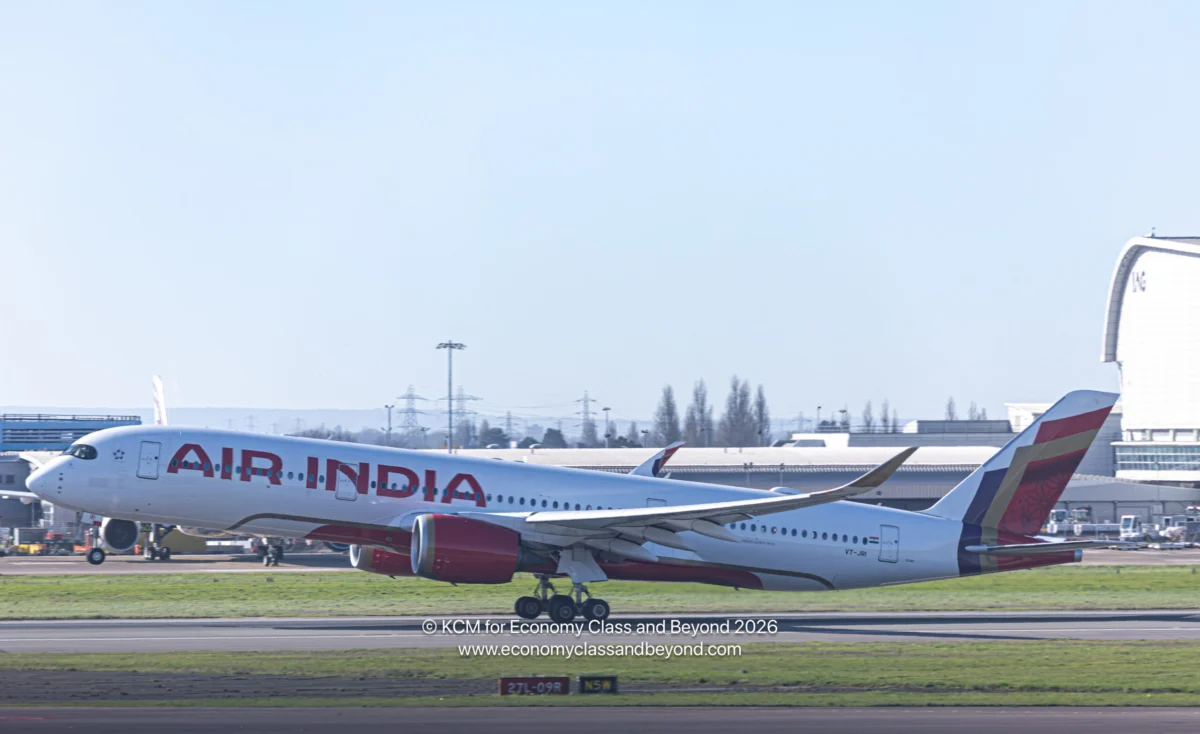
The Evolution of VT-JRI: From Aeroflot to Air India
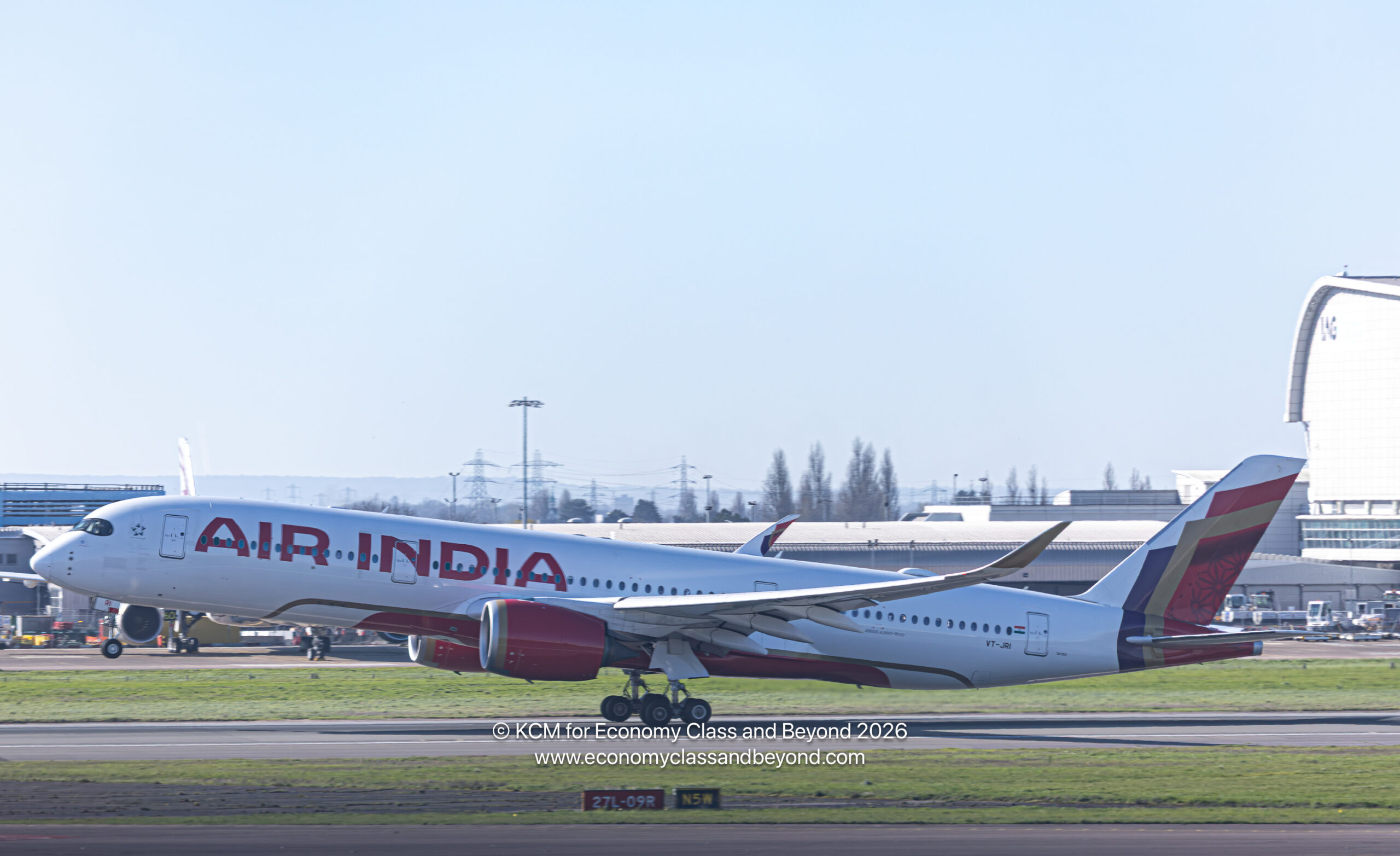
The specific aircraft featured in this operational rotation is registered as VT-JRI (Manufacturer Serial Number 594). The history of this airframe provides a fascinating glimpse into the shifting dynamics of the global aviation market and the supply chain complexities of the post-2020 era. VT-JRI performed its maiden flight in November 2023 at the Airbus production facility in Toulouse, France. Originally, the aircraft was part of an order destined for the Russian flag carrier, Aeroflot. However, following international sanctions and geopolitical shifts, the aircraft became available on the secondary market.
Air India, amidst an aggressive fleet renewal program, secured the airframe and officially took delivery in May 2024. Since its induction, VT-JRI has been a workhorse for the airline’s international expansion. Flight tracking data indicates that the aircraft has been deployed on high-demand routes connecting the Indira Gandhi International Airport (DEL) in Delhi to global financial and cultural centers, including Newark Liberty International (EWR), Rome Fiumicino (FCO), and London Heathrow (LHR). It also services high-traffic domestic corridors, such as the Delhi-Hyderabad route, to maintain crew currency and operational flexibility.
Strategic Significance of the Airbus A350 in the Vihaan.AI Transformation
The deployment of the Airbus A350-900 is a cornerstone of "Vihaan.AI," Air India’s comprehensive five-year transformation roadmap. This plan, initiated after the Tata Group’s acquisition of the airline in early 2022, aims to modernize the fleet, improve service standards, and increase the airline’s market share in both domestic and international sectors.
The A350 serves as the flagship of this new era. Prior to the delivery of these aircraft, Air India’s long-haul capabilities relied heavily on an aging fleet of Boeing 777 and Boeing 787 Dreamliner aircraft. While the Dreamliners remain efficient, the A350-900 offers a superior passenger experience and enhanced fuel economics that allow Air India to compete directly with Gulf Cooperation Council (GCC) carriers and European legacy airlines.
The current widebody fleet of Air India is a diverse mix of Boeing and Airbus technology:
- Airbus A350-900: 6 aircraft currently in service, with more on order.
- Boeing 777-200LR: Primarily used for ultra-long-haul North American routes.
- Boeing 777-300ER: The backbone of high-capacity long-haul services.
- Boeing 787-8 and 787-9: Utilized for medium-to-long-haul routes with lower density.
Technical Specifications and Operational Efficiency
The Airbus A350-900 is widely regarded as one of the most technologically advanced commercial aircraft in the sky. Its airframe is constructed of over 70% advanced materials, including composites (53%), titanium, and modern aluminum alloys. This "Extra Wide Body" (XWB) design results in a 25% reduction in fuel burn and CO2 emissions compared to previous-generation aluminum aircraft like the Boeing 777-200.
For Air India, the technical advantages of the A350-900 include:
- Engine Performance: Powered by two Rolls-Royce Trent XWB-84 engines, the aircraft provides exceptional thrust and reliability, specifically optimized for long-range missions.
- Cabin Pressure and Humidity: The composite fuselage allows for a lower cabin altitude (6,000 feet) and higher humidity levels, significantly reducing passenger fatigue and jet lag on the 9-to-14-hour flights between India and the United Kingdom or the United States.
- Payload and Range: With a range of up to 8,300 nautical miles, the A350-900 can easily bridge the distance between any major Indian city and Europe, Africa, or the East Coast of the Americas without the need for technical stops.
The London Heathrow Corridor: A Competitive Battlefield
London Heathrow Airport remains one of the most critical destinations for Air India. The "London-India" corridor is characterized by high volumes of "Visiting Friends and Relatives" (VFR) traffic, as well as a growing segment of corporate travelers. Historically, this route has been dominated by British Airways and Virgin Atlantic, with significant leakage to Middle Eastern hubs like Dubai and Doha.
By deploying the A350-900 on the London route, Air India is positioning itself as a "product-first" airline. The interior configuration of these specific A350s—originally designed for Aeroflot—features a highly competitive three-class layout:
- Business Class: Private suites with sliding doors, providing a level of privacy previously unavailable on Air India’s older fleet.
- Premium Economy: A dedicated cabin offering increased legroom and enhanced amenities, targeting the growing middle-class traveler.
- Economy Class: Ergonomically designed seats with high-definition In-Flight Entertainment (IFE) systems.
The visual of the A350 taking off from Heathrow is more than just "Airplane Art"; it is a statement of intent. It signals to the European market that Air India is no longer a struggling state entity but a modernized competitor capable of offering a world-class product.
Chronology of Air India’s Fleet Modernization
To understand the context of the A350’s arrival, one must look at the timeline of Air India’s recent procurement strategy:
- January 2022: Tata Group officially takes control of Air India.
- September 2022: Announcement of "Vihaan.AI" transformation plan.
- February 2023: Air India places a historic order for 470 aircraft—the largest in aviation history at the time. This included 250 Airbus aircraft (210 A320neo family and 40 A350s) and 220 Boeing aircraft (190 737 MAX, 20 787, and 10 777X).
- December 2023: The first Air India Airbus A350-900 (VT-JRA) arrives in India, marking the first time in decades that the airline has operated an Airbus widebody.
- May 2024: Delivery of VT-JRI, the aircraft featured in the London Heathrow departure.
- Late 2024 – 2025: Gradual rollout of the A350 on ultra-long-haul routes to the United States, replacing leased Boeing 777s.
Economic and Environmental Implications
The transition to the A350-900 has profound implications for Air India’s bottom line. Fuel typically accounts for 30-40% of an airline’s operating costs. The 25% efficiency gain offered by the A350 allows the airline to weather fluctuations in global oil prices more effectively. Furthermore, as international aviation regulators move toward stricter carbon offset requirements (such as CORSIA), the reduced emissions profile of the A350 fleet ensures that Air India remains compliant with global environmental standards.
From an operational standpoint, the A350’s advanced avionics and maintenance-friendly design reduce "Aircraft on Ground" (AOG) time. The use of "Health Monitoring" systems allows the aircraft to transmit real-time data to maintenance teams on the ground, enabling proactive repairs and reducing the likelihood of technical delays at outstations like London Heathrow.
Industry Reactions and Market Impact
Aviation analysts have noted that Air India’s rapid induction of the A350 has forced competitors to take notice. In a statement regarding the fleet expansion, industry experts suggested that the move is essential for India to develop its own international hubs. For decades, Indian passengers traveling to the West have been funneled through hubs in the Middle East. With the A350’s range and comfort, Air India is attempting to shift the "center of gravity" back to Indian soil, specifically targeting Delhi and Mumbai as primary transit points.
While the airline has faced some challenges during the transition—including the integration of various cabin products and the training of flight crews for a new aircraft type—the general consensus among industry observers is that the A350 represents the "New Air India."
Conclusion: A New Horizon for Indian Aviation
The sight of the Air India Airbus A350-900, VT-JRI, climbing into the skies over London Heathrow is a powerful symbol of a resurgent carrier. It represents the intersection of history, technology, and strategic ambition. As Air India continues to take delivery of the remaining aircraft in its massive order, the presence of the A350 will become a common sight at the world’s major gateways.
For the passenger, it means a more comfortable and reliable journey. For the airline, it means a path toward profitability and prestige. For the global aviation industry, it marks the return of a formidable player from the Indian subcontinent, ready to compete at the highest level of international commercial flight. The journey of VT-JRI from a cancelled order to a flagship of the Tata Group is a testament to the resilience and rapid evolution of modern aviation. As more Airplane Art captures these moments, they document not just a flight, but the transformation of an industry icon.




 Lukman Taruna Persada Ramadan
 Chandra Hamzah
 Gabriela Annisa
 Tatiana Tantri Indah Sari