
 Chandra Hamzah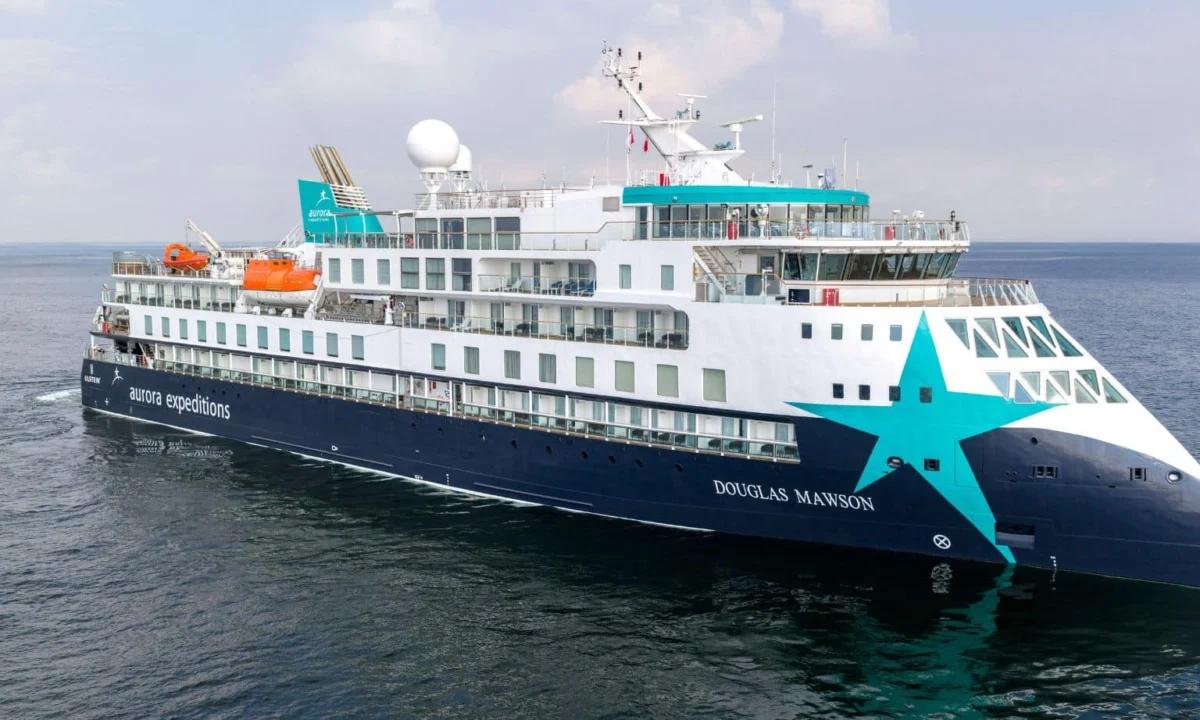
Aurora Expeditions’ newest purpose-built expedition vessel, the Douglas Mawson, has earned a prestigious spot on TIME Magazine’s World’s Greatest Places of 2026 list. This annual compilation by TIME recognizes destinations and travel experiences that are at the forefront of innovation, sustainability, and cultural significance, shaping the future of global tourism. The inclusion of the Douglas Mawson underscores the growing demand for authentic and responsible exploration, particularly in the planet’s most remote and pristine environments.
The Douglas Mawson, launched in November of the previous year, represents the third vessel in Aurora Expeditions’ distinguished fleet, dedicated to navigating and exploring some of Earth’s most challenging and captivating regions. The ship’s design prioritizes an intimate and immersive expedition experience, accommodating a maximum of 130 guests. This limited capacity ensures a personalized journey, allowing for up to 154 distinct expedition itineraries across its operational lifespan. Each itinerary is meticulously crafted to offer unparalleled access to wildlife, geological wonders, and unique cultural encounters, all while adhering to the highest standards of environmental stewardship.
A Platform for Discovery and Responsible Travel
Katie Malone, Chief Marketing Officer at Aurora Expeditions, expressed the company’s pride and the significance of this recognition. "Being recognized by TIME as one of the World’s Greatest Places reflects the growing appetite for meaningful exploration," Malone stated. "The Douglas Mawson was designed as a platform for discovery, bringing together adventure, science, and responsible travel in some of the most extraordinary places on Earth." This statement highlights the core philosophy behind the Douglas Mawson‘s conception and operation: to provide guests with transformative experiences that foster a deeper connection with nature and a commitment to its preservation.
The inclusion of the Douglas Mawson on TIME’s esteemed list is particularly noteworthy given the publication’s rigorous selection process. Each year, TIME’s editors and correspondents solicit nominations from their global network, evaluating a vast array of potential candidates based on originality, impact, and forward-thinking approaches to travel. The criteria often include factors such as unique accessibility, commitment to conservation efforts, community engagement, and innovative operational practices that minimize environmental footprint. For an expedition ship, especially one venturing into polar regions and other sensitive ecosystems, these considerations are paramount.
The Evolution of Expedition Cruising
The rise of expedition cruising, and the specific design philosophy behind vessels like the Douglas Mawson, is a response to a broader shift in traveler preferences. Increasingly, modern explorers are seeking more than just a vacation; they are looking for journeys that offer educational components, opportunities for personal growth, and a chance to contribute positively to the destinations they visit. This trend is supported by data indicating a significant increase in demand for adventure and nature-based tourism. According to reports from the World Tourism Organization (UNWTO), adventure tourism is projected to grow at a faster rate than the overall tourism market in the coming years, driven by a desire for authentic experiences and a connection with the natural world.
Aurora Expeditions, a company with a rich heritage in polar exploration, has consistently been at the vanguard of this movement. This year marks a significant milestone for the company as it celebrates its 35th anniversary of providing unparalleled expeditionary experiences. The Douglas Mawson is the latest embodiment of this legacy, joining its sister ships, the Greg Mortimer and the Sylvia Earle, in offering guests access to the planet’s most remote and awe-inspiring locations. Each vessel in the Aurora Expeditions fleet is designed with advanced technology and an unwavering commitment to sustainability, ensuring that the exploration of these fragile environments is conducted with the utmost respect.
Chronology of a Vision: The Douglas Mawson
The journey from concept to recognition for the Douglas Mawson involved a carefully orchestrated series of events. The initial planning and design phases would have commenced years prior to its launch, focusing on incorporating the latest advancements in maritime engineering, environmental technology, and expeditionary logistics. Key considerations would have included hull design for ice navigation, advanced waste management systems, energy efficiency measures, and the integration of scientific research capabilities.
The construction of the Douglas Mawson would have followed a meticulous timeline, culminating in its official launch and christening. The naming of the ship itself pays homage to Sir Douglas Mawson, an iconic Australian geologist and explorer renowned for his Antarctic expeditions in the early 20th century. This deliberate choice of nomenclature links the modern vessel to a legacy of pioneering exploration and scientific endeavor, reinforcing Aurora Expeditions’ connection to its Australian heritage and its commitment to the spirit of discovery.
Upon its launch in November of the previous year, the Douglas Mawson embarked on its inaugural voyages, quickly establishing its reputation for delivering exceptional expedition experiences. Early itineraries likely focused on iconic polar destinations such as Antarctica and the Arctic, as well as other remote regions like the Subantarctic Islands and Greenland. The feedback from these initial voyages, combined with the ship’s operational performance, would have formed the basis for its nomination and subsequent selection by TIME.
Supporting Data and Environmental Commitment
The Douglas Mawson‘s inclusion on TIME’s list is not merely a matter of aesthetic appeal or operational efficiency; it is deeply rooted in its commitment to sustainability and responsible tourism. Expedition vessels operating in sensitive environments face increasing scrutiny regarding their environmental impact. The Douglas Mawson is equipped with features designed to mitigate this impact. While specific details on its environmental certifications and technologies may vary, typical advancements in this class of vessel include:
- Reduced Emissions: Modern expedition ships often utilize advanced engine technologies and fuel types to minimize greenhouse gas emissions and other pollutants. This can include systems for managing sulfur oxides (SOx) and nitrogen oxides (NOx).
- Wastewater Management: Sophisticated systems are employed to treat and manage wastewater, ensuring that discharge into the marine environment meets or exceeds international regulations. This often involves advanced filtration and purification processes.
- Waste Reduction and Recycling: Comprehensive waste management programs are crucial, focusing on reducing single-use plastics, maximizing recycling, and ensuring responsible disposal of any non-recyclable materials.
- Eco-friendly Operations: Practices such as dynamic positioning systems, which reduce the need for anchoring in sensitive marine areas, and careful route planning to avoid wildlife disturbances are integral to responsible expedition operations.
- Scientific Integration: Many modern expedition vessels are designed to support scientific research, often carrying scientific equipment and facilitating the work of onboard researchers. This allows guests to participate in citizen science initiatives and contribute to a greater understanding of the environments they visit.
The Douglas Mawson‘s capacity of 130 guests is also a strategic element in its sustainable approach. Smaller passenger numbers allow for more intimate encounters with wildlife and a less intrusive presence in fragile ecosystems. It also enables greater flexibility in itinerary planning, allowing the ship to access areas that larger vessels cannot, while minimizing the cumulative impact on shore-based environments.
Reactions from Industry and Stakeholders
The recognition by TIME is likely to resonate not only within Aurora Expeditions but also across the broader expedition travel industry. Industry experts and environmental advocates would view this as a positive affirmation of the growing emphasis on responsible tourism.
- Industry Analysts: Analysts in the travel sector might interpret this as a signal of the continued strength and evolution of the luxury expedition cruise market. They would likely point to the Douglas Mawson‘s success as an indicator of traveler demand for authentic, educational, and environmentally conscious journeys. This could spur further investment and innovation in the sector.
- Environmental Organizations: Conservation groups, while always advocating for the strictest environmental protection, might see the inclusion of a vessel like the Douglas Mawson as a positive step. They would likely emphasize the importance of the ship’s sustainable design and operational practices, and perhaps use it as a benchmark for other operators. Ongoing dialogue and collaboration between expedition companies and environmental bodies are crucial for the long-term preservation of polar and remote regions.
- Geographic Tourism Boards: Tourism bodies in regions frequented by expedition ships, such as Antarctica, Greenland, and the Arctic, would likely welcome this recognition. It draws attention to these destinations and can stimulate local economies, provided that tourism development is managed sustainably and in partnership with local communities where applicable.
While direct statements from all these parties may not be immediately available, the general sentiment within the responsible travel community is likely to be one of cautious optimism and encouragement for continued progress.
Broader Implications and the Future of Exploration
The inclusion of the Douglas Mawson on TIME’s World’s Greatest Places list has several broader implications for the future of exploration and travel:
- Elevating Responsible Tourism: This recognition serves to elevate the profile of responsible and sustainable tourism practices. By highlighting a vessel designed for discovery and environmental stewardship, TIME is sending a clear message to the industry and to consumers about the importance of making conscious travel choices.
- Inspiring Future Innovations: The Douglas Mawson‘s success may inspire other cruise lines and expedition operators to invest in similar technologies and design philosophies. This could lead to a wave of new vessels that are not only capable of reaching remote locations but are also built with a profound respect for the environments they explore.
- Shaping Traveler Expectations: As more travelers become aware of and seek out experiences like those offered by Aurora Expeditions, their expectations for all forms of travel will likely shift. This could put pressure on the broader tourism industry to adopt more sustainable and ethical practices.
- The Role of Storytelling in Exploration: The Douglas Mawson‘s naming after a historical explorer underscores the enduring power of storytelling in travel. These journeys are not just about visiting places; they are about connecting with history, understanding human endeavor, and appreciating the natural world through a narrative lens. TIME’s selection recognizes the experiential and narrative richness that vessels like the Douglas Mawson provide.
In conclusion, the Douglas Mawson‘s placement on TIME’s World’s Greatest Places of 2026 list is a testament to Aurora Expeditions’ vision and commitment to pioneering a new era of expedition travel. It signifies a broader trend towards exploration that is not only adventurous and awe-inspiring but also deeply rooted in responsibility, sustainability, and a genuine appreciation for the planet’s most extraordinary places. As the company celebrates its 35th anniversary, the Douglas Mawson stands as a beacon for the future of meaningful global exploration.

 Gabriela Annisa
 Tatiana Tantri Indah Sari
 Hendra Ismail
 Walid Sujud Trenggono
 Budi Mulyono