
 Anjar Salim
For decades, the wine industry was defined by the glass bottle, a vessel synonymous with tradition, aging, and a certain degree of fragility that often restricted its consumption to the dining room or the patio. However, a significant shift in consumer behavior and manufacturing technology has ushered in a new era for the viticulture world. As of early 2026, the canned wine segment has transitioned from a niche novelty to a powerhouse of the beverage industry, offering high-quality, varietal-specific options that cater to an increasingly mobile and environmentally conscious population. The days when choosing a canned wine meant simply deciding between "red" or "white" are long gone; today’s market is characterized by sparkling rosés, skin-contact orange wines, and estate-bottled Rieslings, all packaged in lightweight, infinitely recyclable aluminum.
The Transformation of the Canned Wine Market
The current landscape of the wine industry reflects a broader trend toward "premiumization" within the canned beverage sector. While the overall wine market has faced stagnant growth in recent years, the premium canned wine segment has reported double-digit annual increases. This growth is driven by a convergence of technological advancements, shifting consumer demographics, and a surplus of high-quality grapes that have found a new home in aluminum packaging.
Industry experts note that the perception of canned wine has undergone a radical transformation. "We’ve seen improvements in every aspect of canned wine, from the makers of the cans themselves to the makers of the wine and finally, to people’s interest," says Tim Buzinski, proprietor of Artisan Wine Shop in Beacon, New York. This sentiment is echoed across the retail landscape, where consumers are increasingly prioritizing convenience without being willing to sacrifice the organoleptic qualities of a fine vintage.
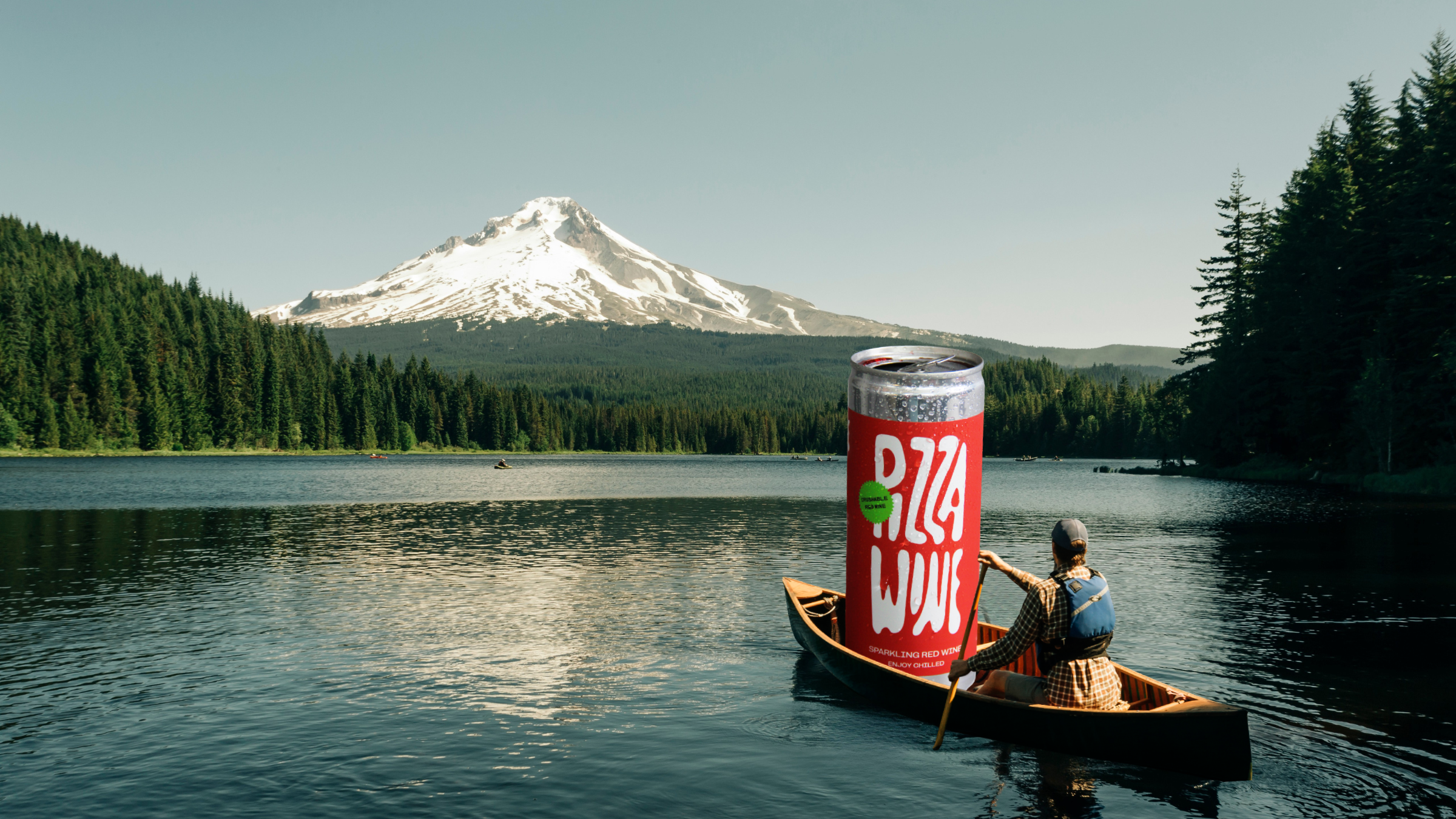
In regions like the Hudson Valley, retail patterns suggest that canned wine is no longer a seasonal purchase. While summer remains the peak for hikers and kayakers seeking portable refreshments for trips up Mount Beacon or days on the Hudson River, winter sales remain robust. Commuters and travelers have adopted the 250ml and 375ml formats as ideal companions for train rides and weekend getaways, proving that the format’s utility transcends the traditional "picnic" archetype.
A Chronology of the Canned Wine Revolution
The journey of canned wine from a low-end convenience product to a gourmet staple has been marked by several key milestones:
- The Early Experimentation (2000s–2010s): Early attempts at canned wine were often hampered by poor-quality juice and a lack of proper lining technology. These products were largely marketed as low-cost alternatives for stadium events and music festivals.
- The Craft Movement (2014–2019): Brands like Union Wine Co. and Sofia (by Francis Ford Coppola) began to prove that branding and design could elevate the can’s status. This period saw the introduction of the "Underwood" movement, which famously championed the "Wine in a Can" slogan.
- The Technological Breakthrough (2020–2023): Advancements in polymer-based can liners allowed for the packaging of high-acid and high-tannin wines without the risk of "reductive" off-flavors or corrosion. This opened the door for more complex varietals to be canned safely.
- The Premiumization Phase (2024–2026): As the global wine market faced a glut of premium grapes due to changing consumption habits, boutique winemakers began diverting high-quality harvests into the canned format. This era saw the rise of appellation-specific canned wines and organic certifications.
Technological and Economic Drivers
The primary catalyst for the recent surge in quality is the evolution of can liner technology. Wine is a chemically complex beverage; its acidity and sulfur dioxide levels can react with aluminum if not properly insulated. Modern BPA-free liners are now engineered to be more resilient, ensuring that the wine remains stable and flavor-pure for 12 to 18 months. While canned wine is not intended for long-term aging—a fact acknowledged by producers—it is perfectly suited for immediate consumption within the year of its release.
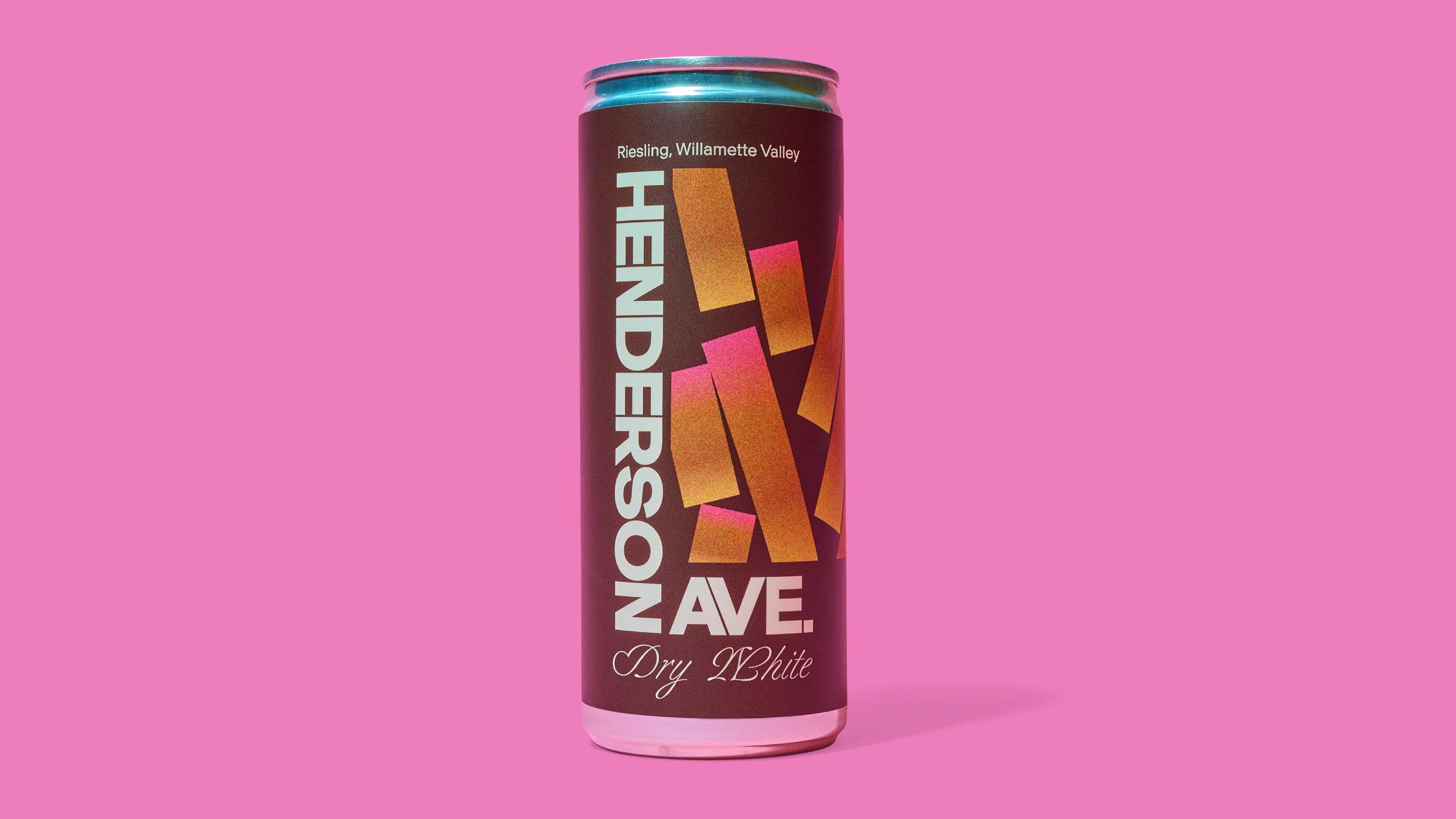
"Good juice can live in a can!" insists Tiquette Bramlett, a former vineyard president who founded the Henderson Ave canned wine brand in 2025. "No, you can’t age it for 15 years, but if you want something great and easy to drink this year, you have something in your fridge or pantry that you can take anywhere."
Economically, the canned wine market is benefiting from a "buyer’s market" in the grape industry. With traditional bottled wine sales slowing among younger demographics, many growers in prestigious regions like the Sonoma Coast and Oregon’s Willamette Valley have made their fruit available to canned brands that do not own their own vineyards. This has allowed brands to offer premium juice—such as organic Pinot Noir or estate-grown Riesling—at a lower price point than a traditional 750ml bottle, often sold in convenient four-packs.
Environmental Impact and Sustainability
One of the most compelling arguments for the transition to aluminum is its environmental footprint. Glass bottles are heavy, fragile, and energy-intensive to produce and transport. In contrast, aluminum cans are significantly lighter, which reduces the carbon emissions associated with shipping.
Data from environmental impact studies suggest that shipping wine in cans instead of glass can reduce transport-related greenhouse gas emissions by up to 40%. Furthermore, aluminum is "infinitely recyclable," meaning it can be melted down and repurposed repeatedly without losing its structural integrity. For the outdoor community, the "pack it in, pack it out" philosophy is much easier to maintain with lightweight cans that can be crushed and stowed in a backpack after use.
Analysis of Top-Tier Canned Wine Offerings in 2026
The current market offers a diverse array of styles that cater to both the casual drinker and the connoisseur. The following selections represent the pinnacle of the 2026 canned wine landscape:
Henderson Ave Dry White (Dundee Hills, Oregon)
Sourced from the Miranda Vineyard in the Dundee Hills, this 100% Riesling exemplifies the "new wave" of canned wine. Unlike the sweet, mass-produced Rieslings of the past, this offering is bone-dry and mineral-driven. The wine displays a complex profile of jasmine, white peach, and lime pith. Its success highlights the ability of the canned format to preserve the delicate aromatics of cool-climate whites.
Just Enough Cabernet Sauvignon (Central Valley, California)
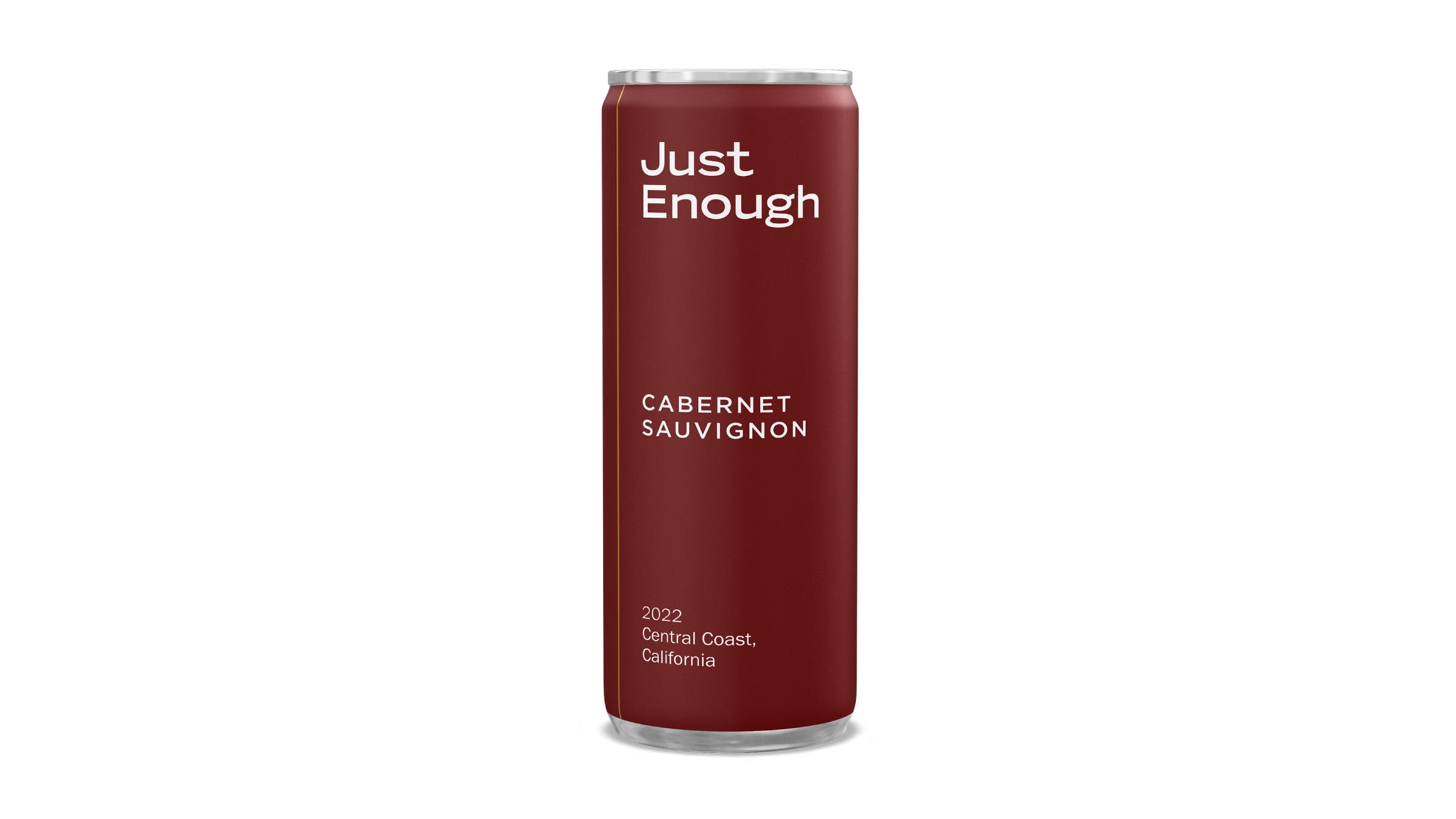
Red wines have traditionally been the most difficult to master in a can, but Just Enough Wines has bridged the gap with its Cabernet Sauvignon. By sourcing grapes from California’s Central Valley, they have created a bold, fruit-forward red that maintains its structure. The wine offers jammy dark fruit notes with a surprisingly sophisticated tannic finish, making it a viable companion for campfire meals like steak or hearty stews.
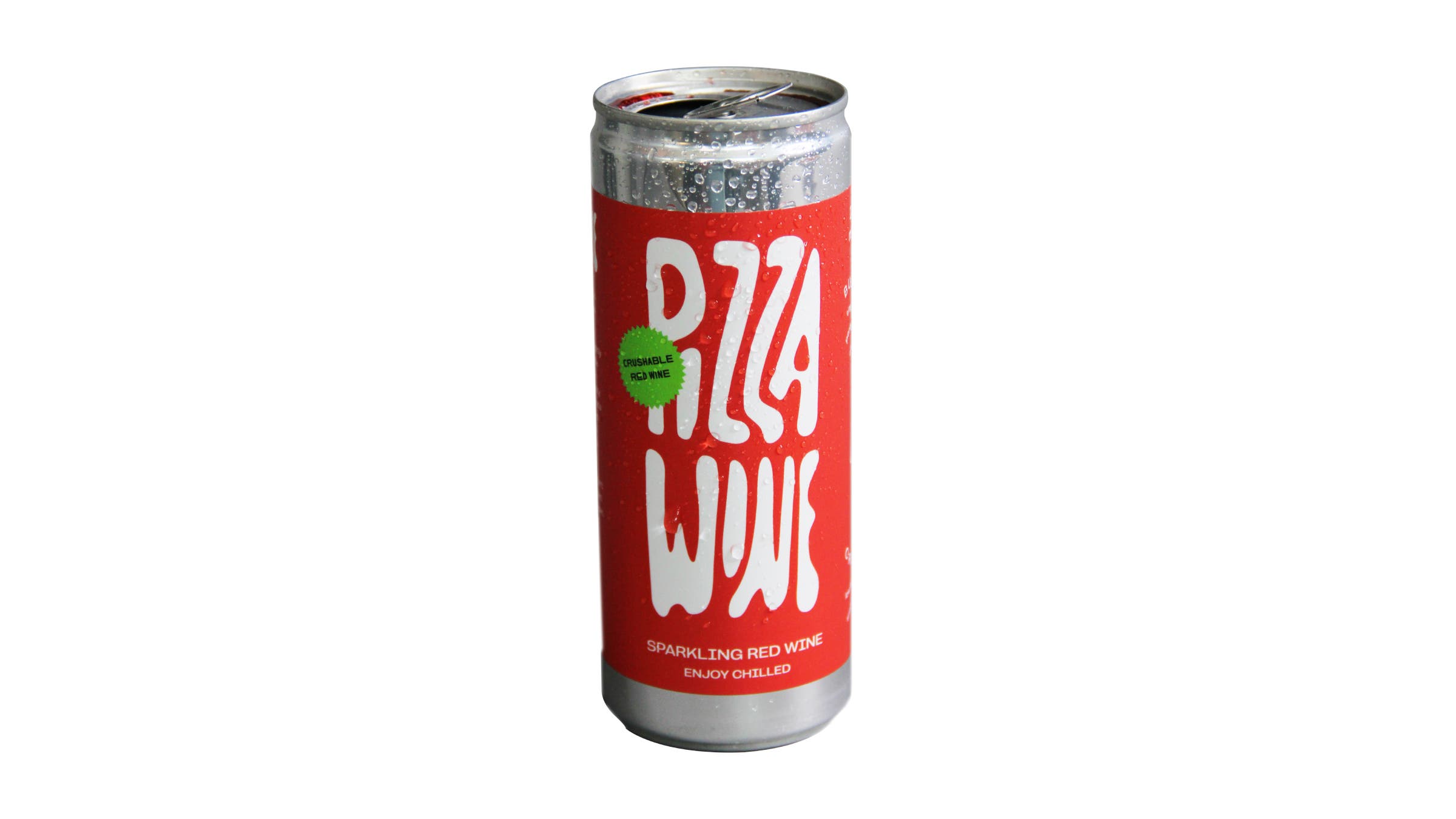
Pizza Wine (Lake Erie, New York)
This product represents the "fun" side of the canned wine revolution. A sparkling red blend from the Lake Erie viticultural area, "Pizza Wine" uses hybrid red varietals that thrive in the Northeast. The result is a chillable, light-bodied, effervescent red that cuts through the richness of cheese and fats. It reflects a growing trend toward "low-intervention" and "glou-glou" styles that prioritize drinkability.
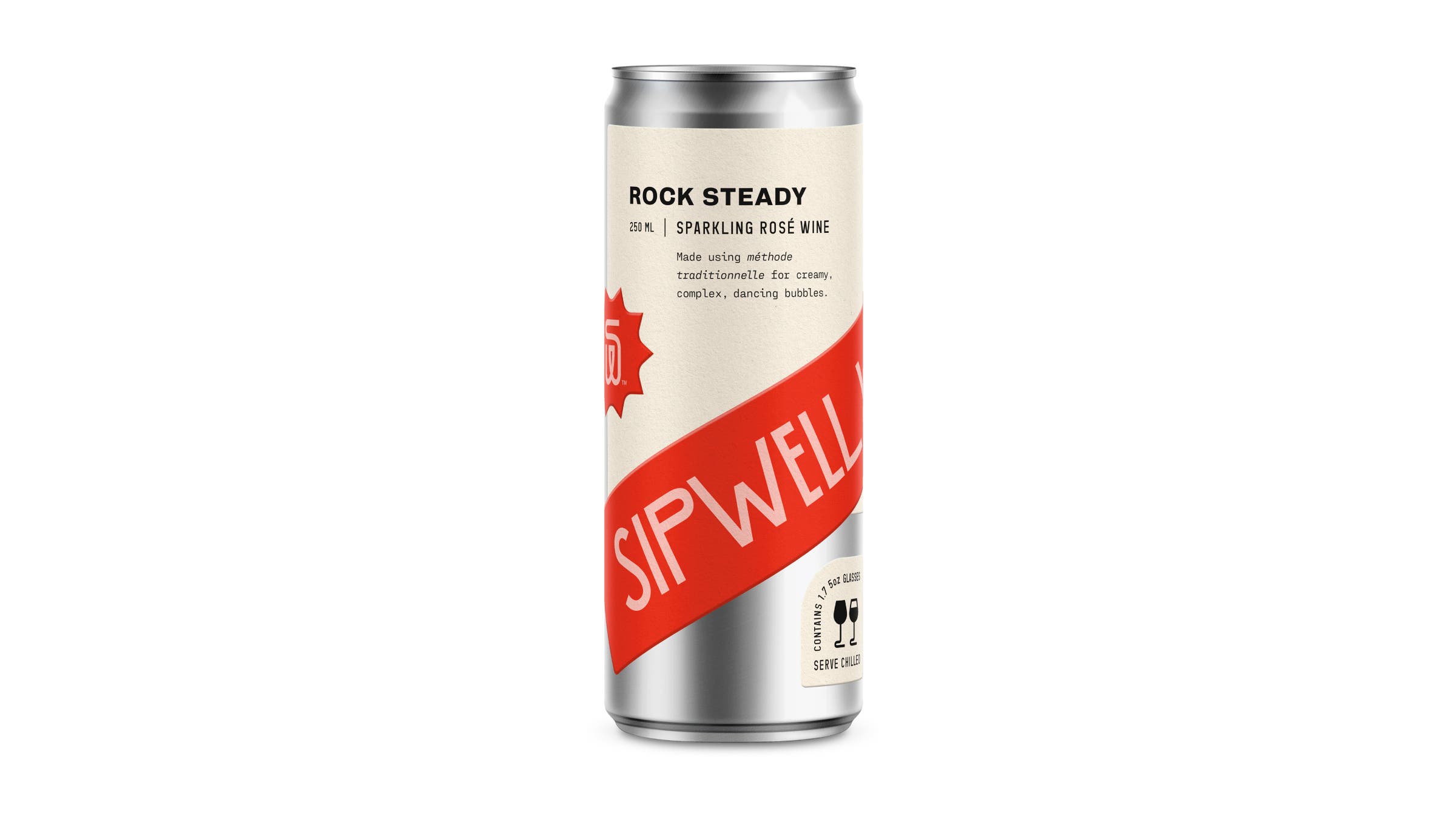
Sipwell Rock Steady (Sonoma Coast, California)
Sipwell utilizes the traditional Champagne method for conditioning its "Rock Steady" Rosé, a rarity in the canned sector. Made from organically grown Pinot Noir grapes on the Sonoma Coast, this wine offers a gentle spritz and a sophisticated palate of wild strawberry and sea salt. The use of organic fruit and labor-intensive carbonation methods signals a commitment to quality usually reserved for high-end bottled sparkling wines.
Avinyó Petillant Blanc (Catalonia, Spain)
Proving that the canned trend is a global phenomenon, the Spanish estate Avinyó has introduced its "vi d’agulla" (needle wine) to the format. This Catalonian white is characterized by natural, fine bubbles and is produced from organically farmed estate vineyards. It is a refreshing, low-alcohol option that brings European estate-grown quality to the portable market.
Broader Implications for the Wine Industry
The rise of premium canned wine is more than a trend; it is a structural shift in how wine is marketed and consumed. For the broader industry, this provides a necessary lifeline. As Gen Z and Millennial consumers show a preference for "ready-to-drink" (RTD) formats and smaller serving sizes, the 250ml can—equivalent to a generous glass and a half—aligns with modern moderation trends.
Moreover, the format allows winemakers to bypass the "cork dork" stigma. By removing the ritual of the corkscrew and the glassware, brands are making wine more accessible to a demographic that may find traditional wine culture intimidating.
The implications for the hospitality and outdoor industries are equally significant. National parks, music venues, and airlines are increasingly opting for cans over glass for safety and weight reasons. As the technology continues to refine and more prestigious estates experiment with the format, the boundary between "fine wine" and "canned wine" is expected to blur further.
In conclusion, the 2026 spring season marks a turning point where the convenience of the can has finally met the excellence of the vine. For the adventurer, the commuter, and the casual drinker alike, the current selection of canned wines offers a level of quality that was once thought impossible for a beverage in a pull-tab container. The "Golden Age" of canned wine is not just about portability—it is about the democratization of great taste.



 Chandra Hamzah
 Tatiana Tantri Indah Sari
 Budi Mulyono
 Lukman Taruna Persada Ramadan