
 Lukman Taruna Persada Ramadan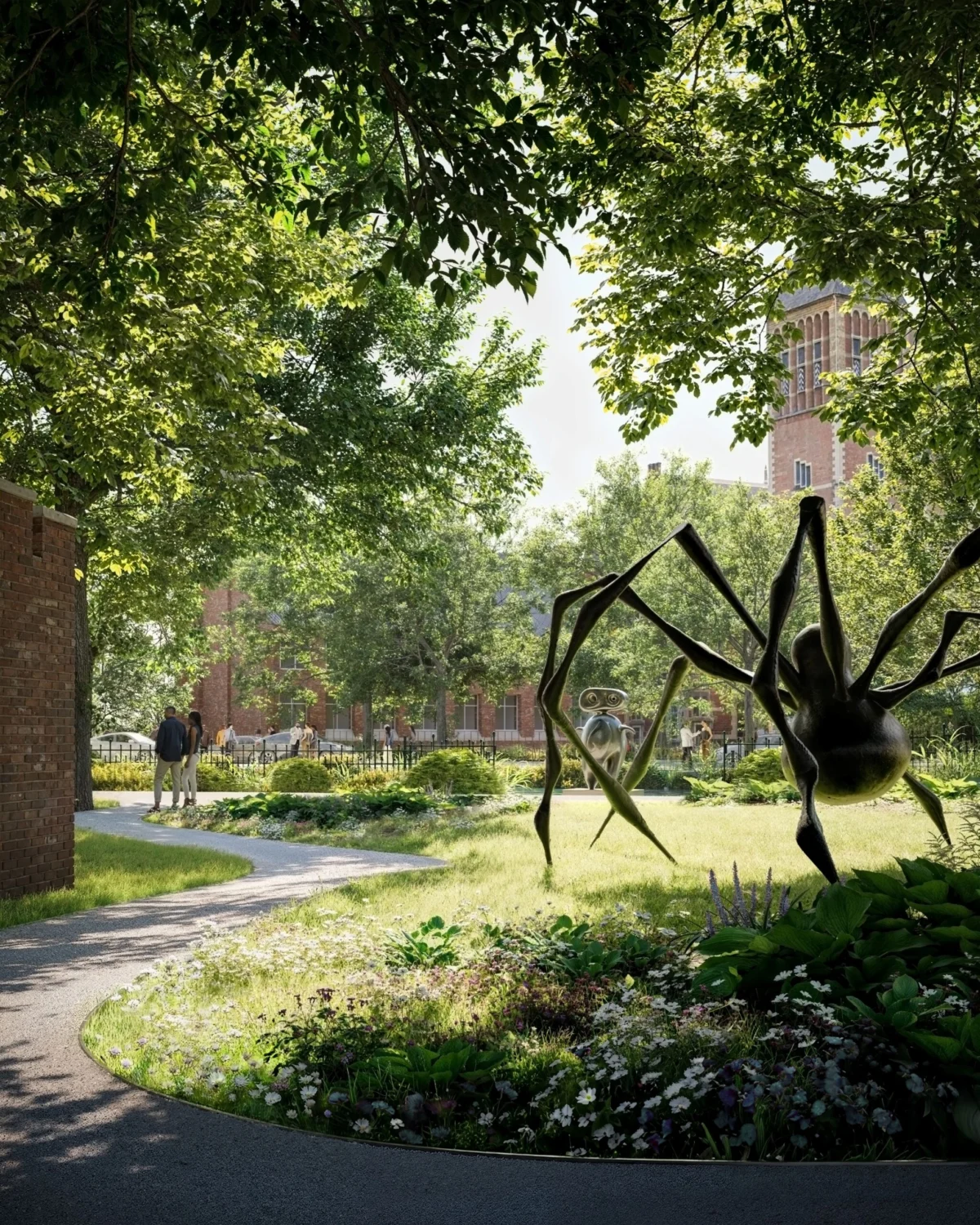
An extraordinary philanthropic gesture from the Don Quixote Foundation is set to dramatically enhance Amsterdam’s cultural landscape, enabling the world-renowned Rijksmuseum to establish a public sculpture garden of international stature. This monumental donation will fund the creation of a sprawling green space, complete with three reimagined pavilions, where visitors will be able to immerse themselves in the works of legendary artists such as Alberto Giacometti, Louise Bourgeois, Alexander Calder, Jean Arp, Roni Horn, and Henry Moore. The garden, to be named the Don Quixote Pavilion and Garden at the Rijksmuseum, will be freely accessible to the public during the day, offering a unique fusion of art, nature, and urban tranquility.
A Vision for Public Art and Green Space
The genesis of this ambitious project lies in a profound commitment to public art and environmental enrichment. Situated in the Carel Willinkplantsoen, a strategic location directly across the picturesque Boerenwetering canal from the Rijksmuseum, the new sculpture garden is poised to become a significant cultural landmark. This initiative is not merely about exhibiting art; it is about creating an accessible, vibrant, and ecologically conscious public realm where modern sculpture can be experienced in an open-air setting. The concept envisages a dynamic space that will host both a permanent collection of iconic works and a rotating program of temporary sculpture exhibitions, ensuring a fresh and engaging experience for repeat visitors.
The integration of art into a natural environment underscores a growing global trend to make cultural experiences more accessible and less confined to traditional museum walls. By transforming the Carel Willinkplantsoen, the project will breathe new life into an existing urban green space, making it a focal point for both art enthusiasts and the general public seeking respite and inspiration. The design emphasizes a harmonious dialogue between the sculptural forms and the organic elements of the garden, promising a contemplative journey through contemporary artistic expression.
An Ensemble of Modern Masters
The roster of artists whose works will grace the Don Quixote Pavilion and Garden reads like a who’s who of 20th and 21st-century sculpture, guaranteeing its international appeal. The inclusion of figures like Alberto Giacometti, celebrated for his elongated, existential human figures that capture profound psychological states, will offer visitors a glimpse into the complexities of the human condition. Louise Bourgeois, known for her powerful and often unsettling works exploring themes of memory, trauma, and the body, particularly her iconic spider sculptures, will add a compelling, introspective dimension.

Alexander Calder’s whimsical yet meticulously balanced mobiles and stabiles will introduce elements of movement and playful interaction with the air and light, embodying a pioneering spirit in kinetic art. Jean Arp, a central figure in Dada and Surrealism, will contribute organic, biomorphic forms that blur the lines between abstraction and nature. Roni Horn’s minimalist yet deeply conceptual works, often engaging with themes of identity, duality, and the environment, will challenge perceptions. Finally, Henry Moore, a titan of British modernism whose monumental, reclining figures and abstract forms evoke the landscape and the human body, will anchor the collection with his timeless appeal. This curated selection promises a rich dialogue across different artistic movements and philosophies, making the garden a significant educational and aesthetic resource.
Architectural Transformation and Landscape Innovation
The creation of the Don Quixote Pavilion and Garden involves a sophisticated blend of architectural transformation and landscape design. The project will merge three existing pavilions, characterized by the distinctive "Amsterdam School" architectural style, with their adjoining gardens and the Carel Willinkplantsoen. For the first time, these historic pavilions will be opened to the public, offering unique indoor exhibition spaces that complement the outdoor displays.
The renowned London-based firm Foster + Partners, celebrated for their innovative and sustainable architectural solutions worldwide, has been entrusted with the transformation of these pavilions into modern sculpture exhibition spaces. Their expertise will ensure that the historic structures are sensitively adapted to their new purpose while meeting the demands of contemporary art display. Complementing this architectural vision, Belgian landscape architect Piet Blanckaert will undertake the design of the garden itself. Blanckaert’s approach is expected to prioritize ecological sustainability and aesthetic harmony, creating a verdant backdrop that enhances the sculptural works.
A significant aspect of the garden’s design will be its commitment to increasing urban biodiversity. The plans include the planting of twenty-two new mature trees and a wider variety of native flowers and plants. This effort will not only beautify the space but also contribute to the ecological health of Amsterdam, providing new habitats for local flora and fauna and offering a greener lung for the city. This focus on environmental stewardship aligns with contemporary urban planning principles that seek to integrate natural elements into metropolitan environments.
The Enduring Legacy of the Don Quixote Foundation
The Don Quixote Foundation’s role in this project is nothing short of pivotal, cementing its status as the Rijksmuseum’s largest private benefactor. Their generosity extends far beyond this single initiative, demonstrating a sustained and profound commitment to making art accessible to all. The foundation has been a consistent pillar of support for the Rijksmuseum, particularly since its grand reopening in 2013.

A chronological overview of their impact highlights this deep partnership:
- Since 2013: The Don Quixote Foundation has continuously supported the annual sculpture exhibitions held in the Rijksmuseum Gardens, crucially ensuring that admission to these popular exhibitions remains free for the public. This long-standing commitment has allowed millions of visitors to enjoy modern and contemporary sculpture without financial barrier.
- 2017: The foundation enriched the museum’s collection with the long-term loan of the unique flora and fauna albums of Anselmus de Boodt. These invaluable albums contain over 700 16th-century watercolors and drawings, significantly enhancing the Rijksmuseum’s holdings in natural history illustration.
- 2023: An additional donation of approximately $15 million was provided by the foundation, specifically to ensure the continuation of the acclaimed exhibitions in the Rijksmuseum Gardens, underscoring their dedication to fostering a vibrant public art scene.
- Current Donation: This latest, historic donation enables the realization of the permanent sculpture garden and includes a substantial number of sculptures placed on long-term loan to the Rijksmuseum, forming the core of the new outdoor collection.
This consistent and multi-faceted patronage underscores the vital role private philanthropy plays in sustaining and expanding cultural institutions. The foundation’s decision to lend a large number of sculptures on a long-term basis also signifies a deep trust in the Rijksmuseum’s stewardship and its vision for public engagement. The naming of the new exhibition space as the "Don Quixote Pavilion and Garden at the Rijksmuseum" serves as a lasting tribute to this extraordinary partnership.
Official Acclaim and Broader Implications
The announcement has been met with enthusiastic acclaim from city officials and museum leadership, who recognize the profound impact this project will have. Femke Halsema, the Mayor of Amsterdam, expressed the city’s gratitude, stating, "This is a wonderful gift for everyone in Amsterdam. Local residents, city dwellers and art lovers will soon be enjoying the tranquil natural surroundings and artistic beauty." Her remarks emphasize the dual benefit of the garden: offering both a serene green space and an opportunity for cultural enrichment, accessible to all segments of the population. This aligns with Amsterdam’s broader urban development goals of fostering liveable, green, and culturally rich environments.
Taco Dibbits, the General Director of the Rijksmuseum, underscored the historical significance of the donation. "This is a donation of historic significance, and a historic moment for the Rijksmuseum," Dibbits commented. He further highlighted the transformative effect on the museum’s collection and its public profile, noting, "It will give modern sculpture the visibility it deserves. It also marks an unprecedented enhancement of the Rijksmuseum’s collection of 20th-century art." The Rijksmuseum, traditionally celebrated for its Old Masters and historical collections, will now gain a prominent platform for modern and contemporary sculpture, diversifying its artistic offering and appealing to an even wider audience. This move signals a strategic expansion of the museum’s scope, positioning it as a more comprehensive institution for art history across different periods.
The strategic location of the garden, "just a stone’s throw from Rijksmuseum, at the intersection of Boerenwetering, Ruysdaelkade and Stadhouderskade," ensures its high visibility and easy access. The main entrance on Stadhouderskade will facilitate a welcoming entry point for visitors. While exact opening hours will be determined in consultation with the municipality and local residents, the commitment to free public access during the day ensures that the garden will serve as a truly democratic cultural space, fostering community engagement and enjoyment.
The implications of this project extend beyond immediate cultural benefits. It will undoubtedly bolster Amsterdam’s reputation as a leading global cultural capital, drawing art lovers and tourists from around the world. The addition of significant green space and enhanced biodiversity contributes to the city’s environmental goals, demonstrating how urban development can integrate both cultural and ecological considerations. Furthermore, by making world-class art freely accessible, the Don Quixote Pavilion and Garden champions the democratization of culture, inviting everyone to experience the power and beauty of modern sculpture in an inspiring outdoor setting. This monumental gift represents a lasting legacy, enriching the lives of current and future generations in Amsterdam and beyond.



 Anjar Salim
 Chandra Hamzah
 Tatiana Tantri Indah Sari
 Budi Mulyono

