
 Anjar Salim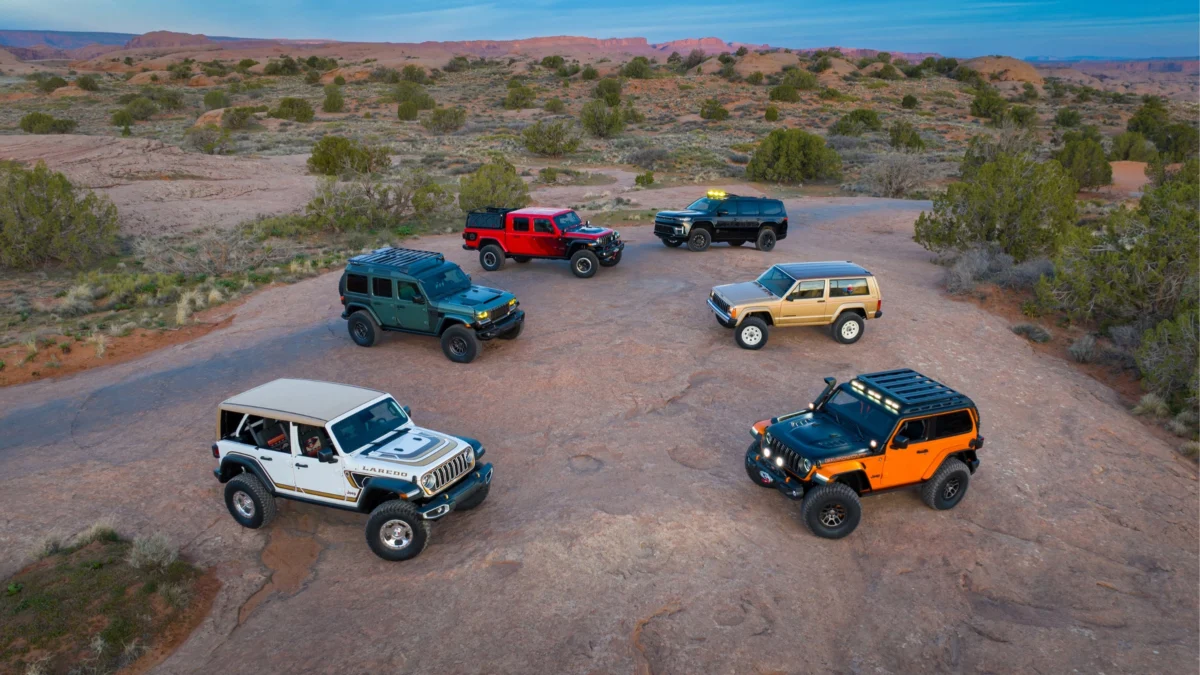
Moab, Utah, has solidified its reputation as the preeminent destination for outdoor enthusiasts, offering an unparalleled landscape for mountain biking, rock climbing, whitewater rafting, and high-intensity off-roading. Situated at the doorstep of Arches and Canyonlands National Parks, the town serves as a global epicenter for recreation, yet its current status as a tourism powerhouse is a relatively modern development. In March 2026, as the town prepares for the 60th anniversary of its most famous gathering, the Easter Jeep Safari, the event stands as a testament to how a localized promotional effort can transform a remote outpost into a multi-million dollar economic engine. What began as a modest one-day trail ride in 1967 has evolved into a nine-day international summit that dictates trends in the automotive industry and defines the culture of the four-wheel-drive community.
The Historical Genesis of a Desert Outpost
To understand the magnitude of the Easter Jeep Safari, one must look back to the mid-1960s. At that time, Moab was transitioning from its identity as a uranium mining hub. Following the decline of the domestic mining boom, the local economy faced significant uncertainty. In 1967, the Moab Chamber of Commerce sought a way to stimulate tourism and draw visitors to the rugged, red-rock terrain that surrounded the town. The solution was the inaugural Easter Jeep Safari, held on the Saturday before Easter Sunday.
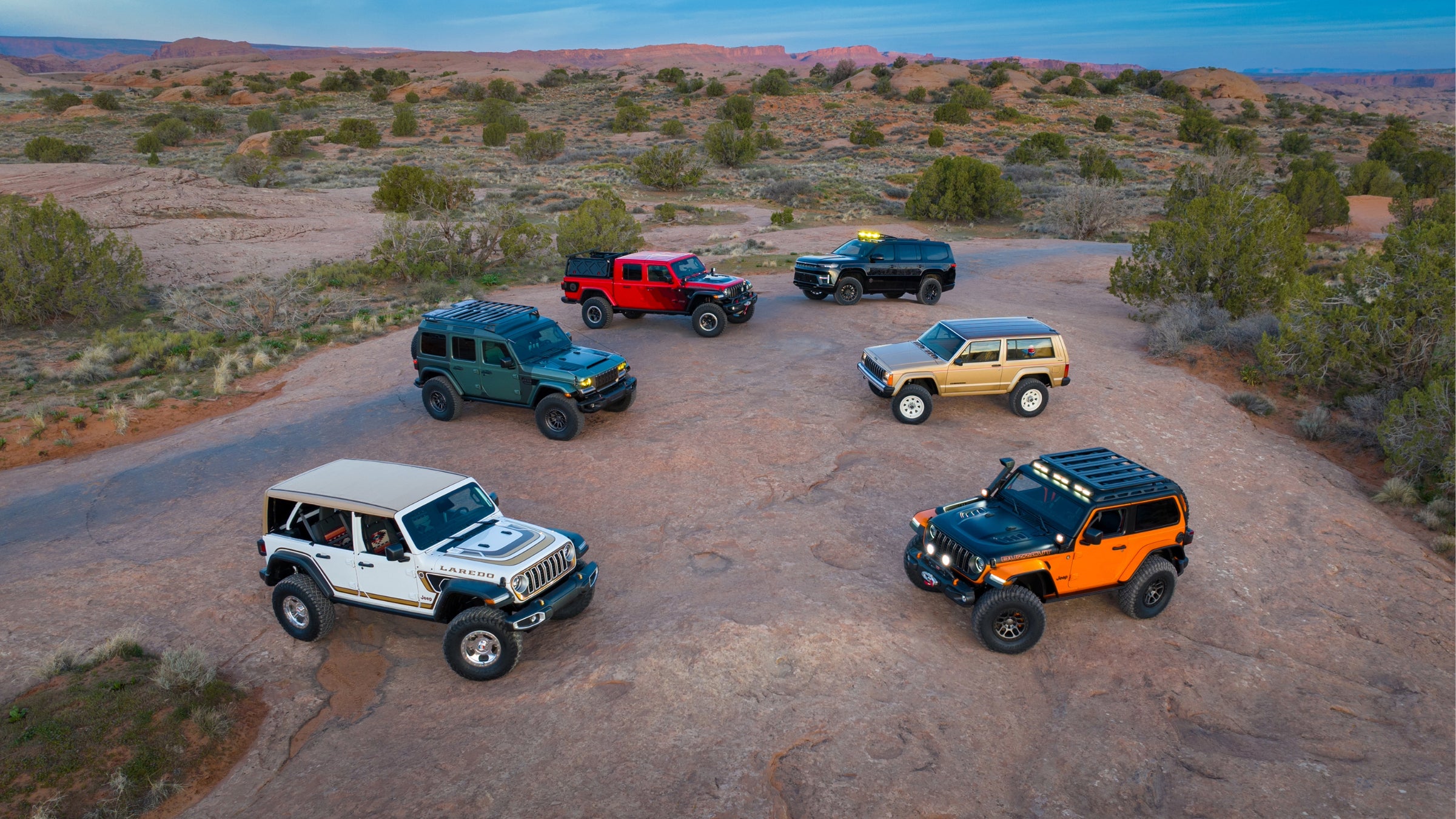
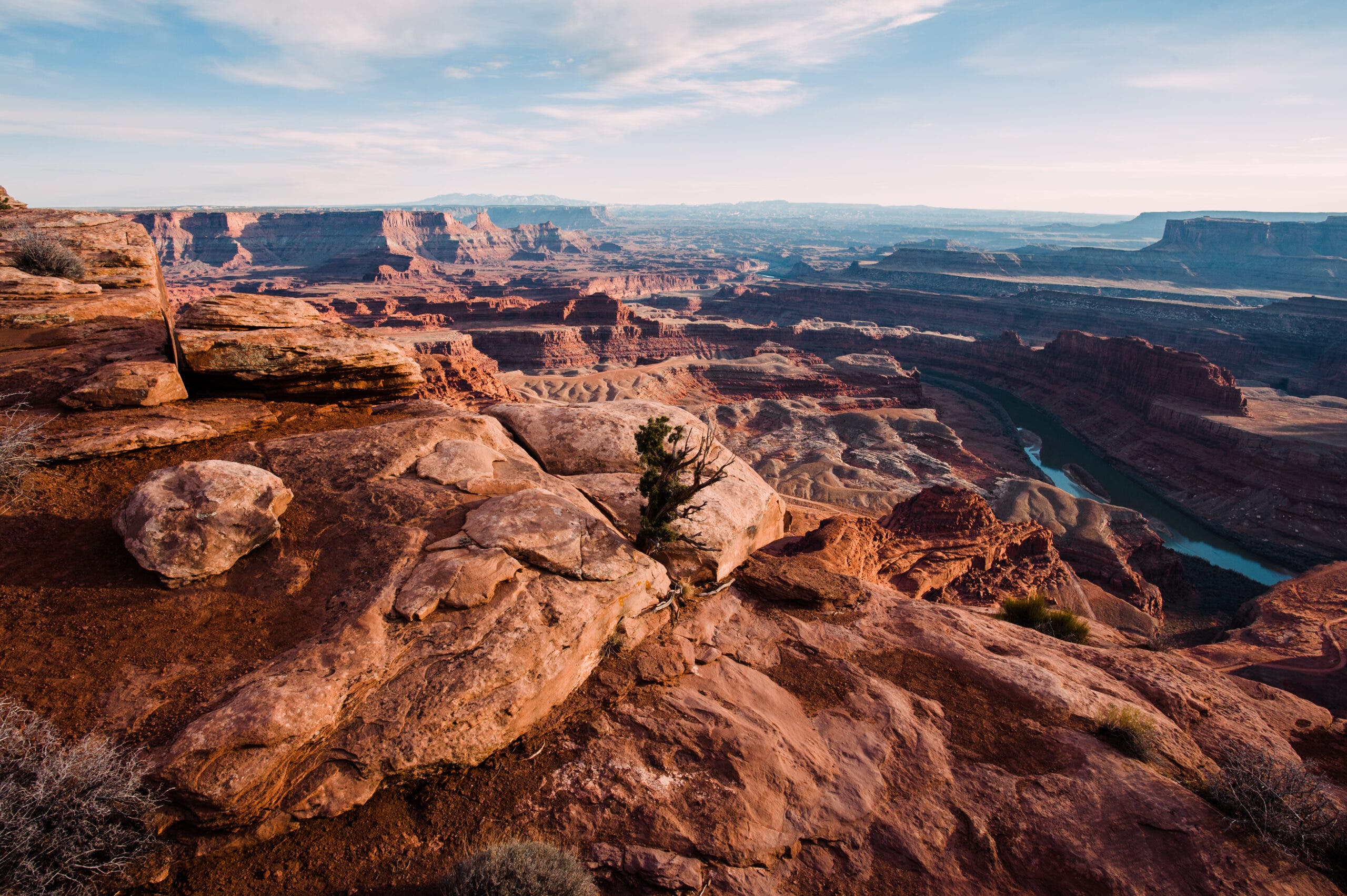
The first event was characterized by its simplicity. A small group of local drivers and visitors set out in their Jeep vehicles to navigate a route known as "Behind the Rocks." This trail, which remains a staple of the event today, offered a mix of sandy washes and steep technical ascents that showcased the unique capabilities of short-wheelbase 4×4 vehicles. The informal nature of the ride fostered a sense of camaraderie that would become the hallmark of the event. As word of the unique "slickrock" traction—where the sandstone provides a sandpaper-like grip for rubber tires—spread through the off-road community, the event began a trajectory of exponential growth.
A Chronology of Expansion
The timeline of the Easter Jeep Safari is marked by several key shifts in organization and scale. By the early 1980s, the sheer volume of participants necessitated a more formal structure. The Red Rock 4-Wheelers, a local club, took over the management of the event from the Chamber of Commerce. This transition allowed for better trail management, safety protocols, and coordination with federal agencies.
In the 1990s and 2000s, the event expanded from a single day to a full nine-day schedule. This allowed for a broader range of trails to be utilized, reducing the environmental impact on any single route while accommodating thousands of additional vehicles. By 2010, the Easter Jeep Safari had become the primary venue for the Jeep brand to engage directly with its most loyal customers, leading to the annual tradition of revealing custom concept vehicles. By 2026, the event has reached a peak capacity of more than 20,000 registered participants, with thousands more spectators and industry representatives descending on Grand County annually.
Economic and Infrastructure Impact
The logistical requirements of hosting 20,000 enthusiasts in a town with a permanent population of approximately 5,300 are immense. Data from the Moab Area Travel Council suggests that the Easter Jeep Safari is one of the highest-revenue periods for the region. Hotel occupancy rates typically reach 100% months in advance, and the secondary economic impact—ranging from fuel sales and grocery expenditures to mechanical repairs and guide services—contributes millions of dollars to the local economy.
However, the scale of the event also brings challenges regarding infrastructure and land use. The Bureau of Land Management (BLM), which oversees much of the terrain used during the Safari, works in close coordination with organizers to ensure that "Stay on Trail" initiatives are followed. The event serves as a critical case study in how large-scale motorized recreation can coexist with conservation efforts. Through the use of permit fees and volunteer trail maintenance, the Red Rock 4-Wheelers and the Jeep brand have invested heavily in preserving the very landscapes that draw visitors to the region.
The Cultural Significance of the "Pilgrimage"
For many attendees, the journey to Moab is less of a vacation and more of a "pilgrimage," a term frequently used by professional off-roaders and hobbyists alike. Casey Currie, a world-renowned off-road racer and member of the Currie Enterprises motorsports family, emphasizes that the event’s longevity is rooted in its social fabric. Having attended for over two decades, Currie notes that the Safari remains one of the few places where professional industry leaders and first-time owners interact on equal footing.
The collaborative nature of the trail rides is a defining feature. Unlike competitive racing, the Easter Jeep Safari focuses on collective success. Drivers are often seen spotting for one another—using hand signals to guide a vehicle over a difficult rock obstacle—or sharing tools and mechanical advice in the middle of the desert. This culture of mutual aid has fostered a community that extends far beyond the borders of Utah.
Innovation and Customization: The Concept Vehicles
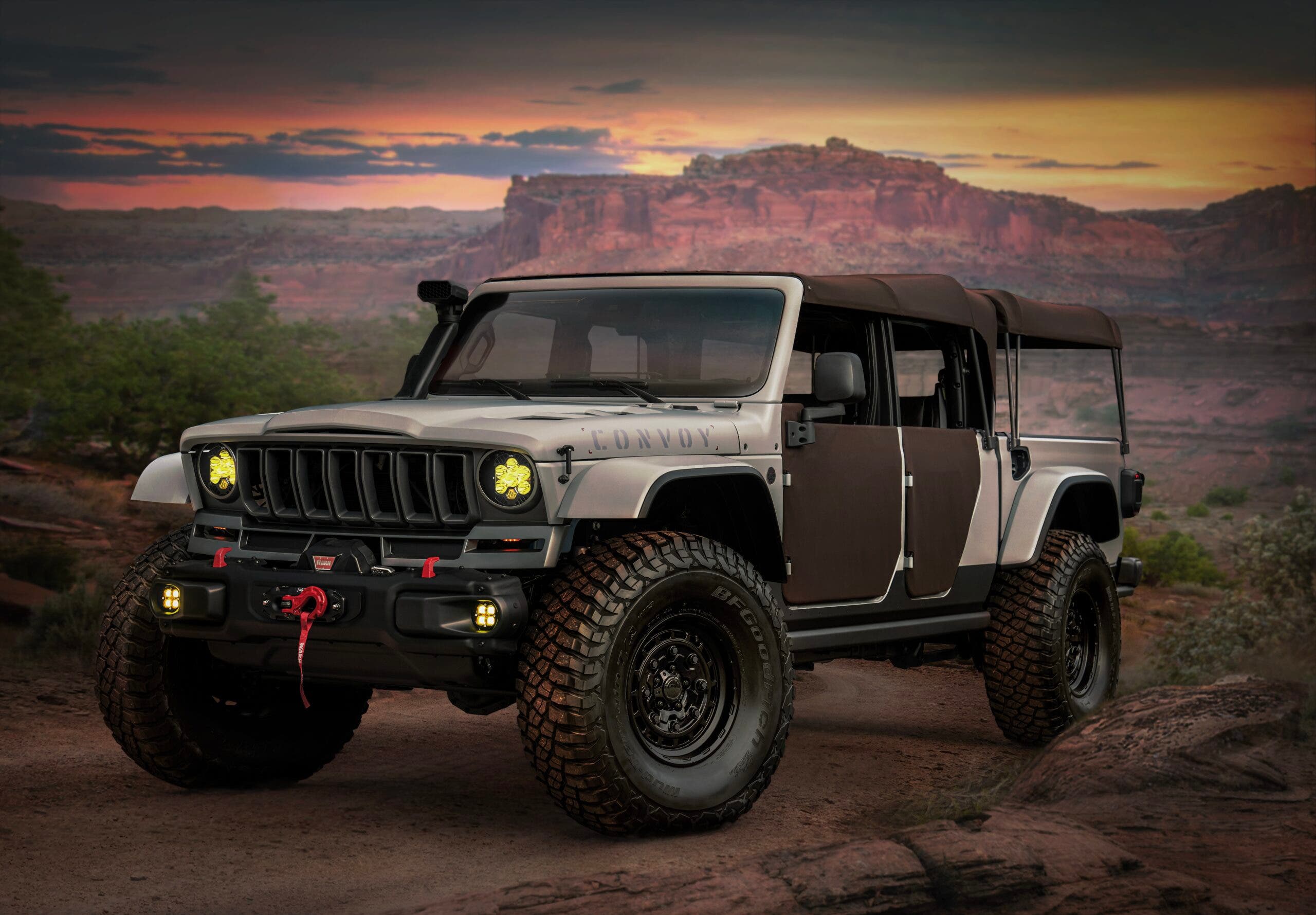
The Jeep brand has leveraged the Easter Jeep Safari as a real-world laboratory for automotive design. Each year, the company’s designers and engineers debut "Easter eggs"—hidden design details—and fully functional concept vehicles that push the boundaries of off-road technology.
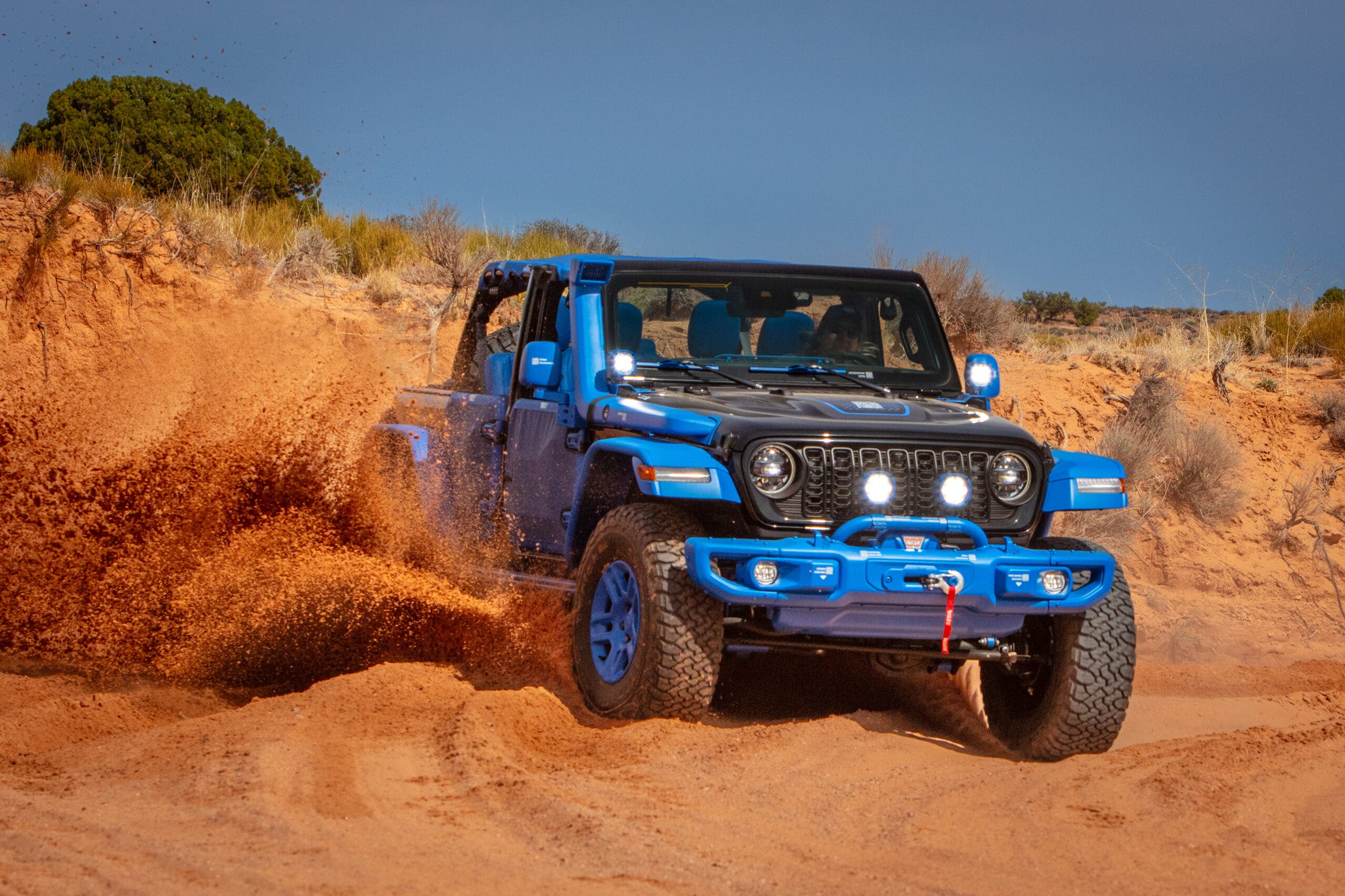
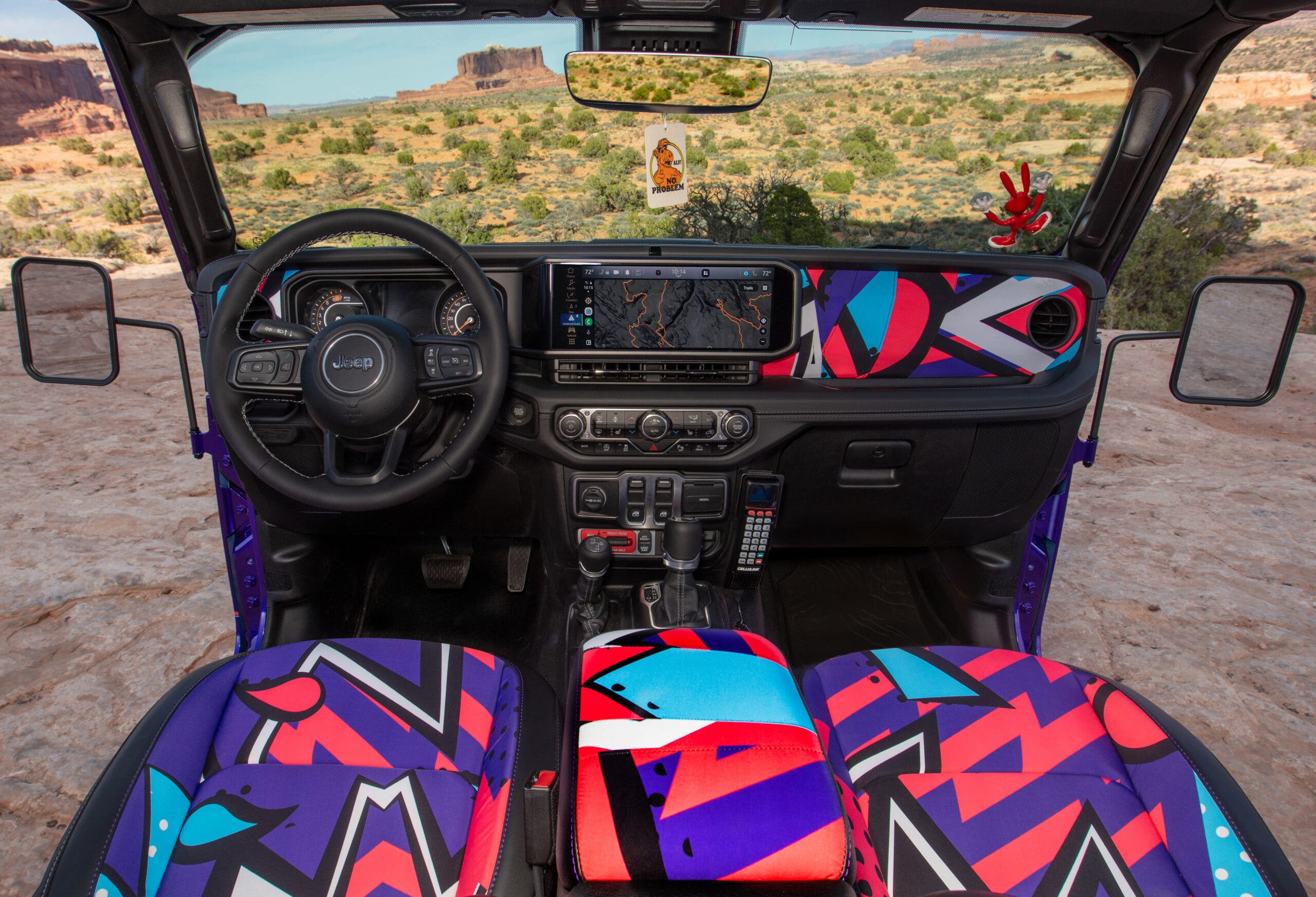
In the 2026 lineup, vehicles like the Jeep Wrangler 4xe Blueprint Concept and the Jeep Rewind Concept highlight the brand’s dual commitment to heritage and modernization. The Blueprint Concept showcases the integration of advanced electrification in rugged environments, proving that hybrid technology can survive the rigors of extreme rock crawling. Meanwhile, the Rewind Concept pays homage to the classic aesthetics of the 1960s and 70s while incorporating modern safety and performance features.
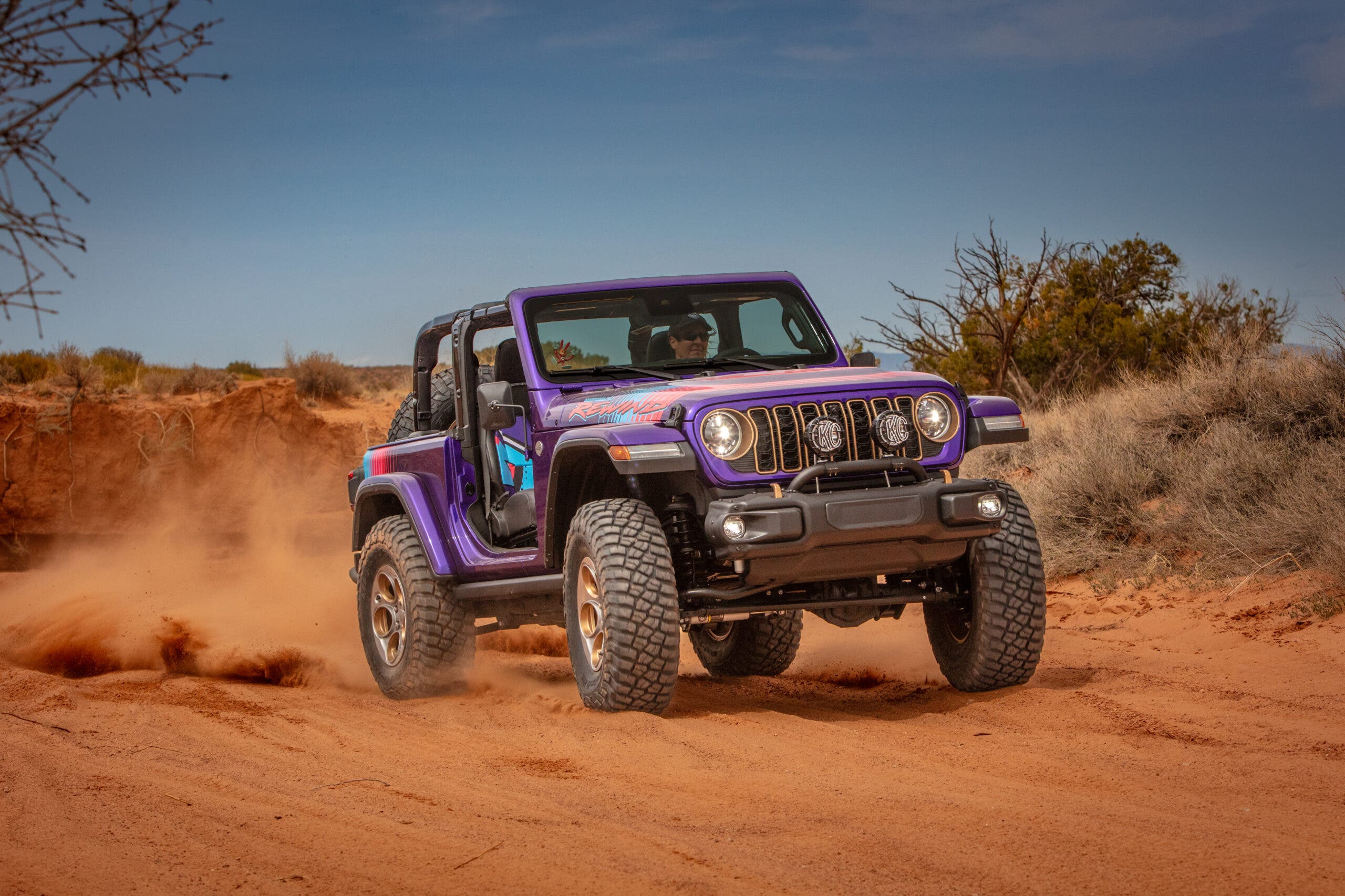
These reveals are more than marketing exercises; they often serve as previews for upcoming production accessories. Features like beadlock-capable wheels, high-clearance bumpers, and heavy-duty winches often make their first public appearance in Moab before becoming available to the general consumer. This direct feedback loop between the manufacturer and the end-user is a rarity in the automotive industry and remains a primary driver of the event’s popularity.
The Gamification of Exploration: Badge of Honor
A significant modern addition to the Jeep culture is the "Badge of Honor" program. This mobile app-based initiative allows owners to check in via GPS at specific, iconic trails. Upon completion, the brand mails a physical metal badge to the owner, which can be mounted on the vehicle’s fender or tailgate.
Moab features a high density of these trails, including "Hell’s Revenge," "Fins and Things," and "Poison Spider Mesa." This program has effectively gamified off-roading, encouraging owners to travel across the country to "collect" trails. At the Easter Jeep Safari, a vehicle’s tailgate often serves as a resume of the driver’s experience, with a row of badges signaling a veteran status within the community.
Broader Implications and the Future of Off-Roading
As the automotive industry shifts toward sustainability, the Easter Jeep Safari is at the forefront of the transition to electric off-roading. The introduction of the 4xe hybrid powertrain and upcoming all-electric models represents a paradigm shift for the community. The silence of electric motors allows for a different experience on the trail, one that emphasizes the sounds of nature and reduces the noise pollution often associated with motorized sports.
However, this transition requires new infrastructure, such as solar-powered charging stations at trailheads. The ongoing dialogue between Jeep, the BLM, and local advocacy groups in Moab will likely set the standard for how other off-road destinations manage the integration of new technologies.
The next 60 years of the Easter Jeep Safari will likely be defined by this balance of tradition and innovation. While the vehicles may change from internal combustion engines to electric drivetrains, the core philosophy remains the same: the desire to explore the inaccessible. The event has proven that there is a profound human appetite for adventure and community, provided there is a landscape rugged enough to challenge them.
In conclusion, the Easter Jeep Safari is no longer just a local event meant to boost spring tourism; it is a global cultural phenomenon. It has transformed Moab from a struggling mining town into a world-class destination while providing a roadmap for how specialized tourism can drive long-term economic stability. As enthusiasts look toward the future, the red rocks of Moab remain the ultimate proving ground for the vehicles, the technology, and the people who define the off-road world.



 Dwi Wanna
 Budi Mulyono
 Lukman Taruna Persada Ramadan
 Chandra Hamzah
 Gabriela Annisa