
 Tatiana Tantri Indah Sari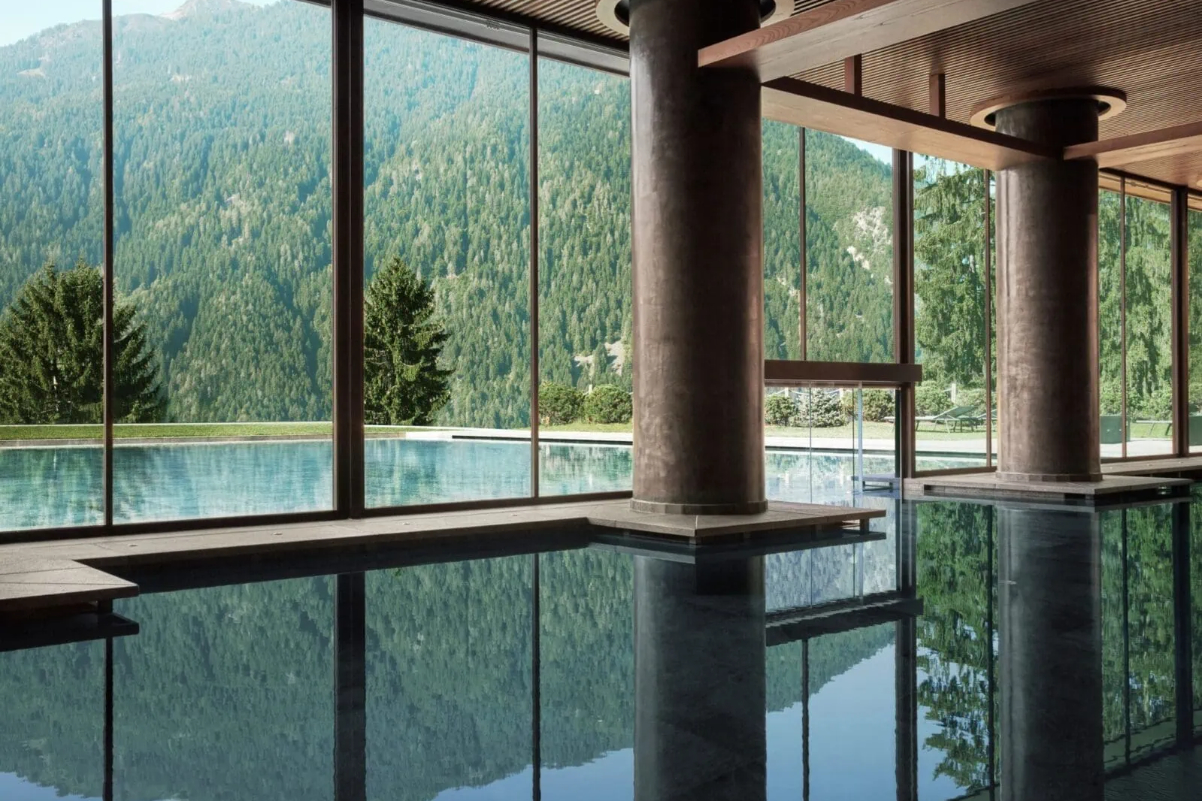
Marriott International, one of the world’s leading lodging companies, has announced a significant strategic move, forming a joint venture with the Italian family behind Lefay, a renowned luxury wellness resort brand. This partnership marks the addition of the 39th brand to Marriott’s expansive global portfolio, signaling a deliberate and substantial pivot towards the burgeoning high-end wellness tourism segment. The deal, officially unveiled on Tuesday, ties Marriott to a distinguished boutique Italian operator celebrated for its commitment to holistic well-being and exquisite spa experiences.
A New Chapter in Luxury Wellness
The core of this transformative agreement sees Lefay contributing its established brand identity and intellectual property to the newly formed joint venture. In return, the Leali family – led by the husband-and-wife team Domenico Alcide and Liliana Leali – will retain ownership of the existing Italian real estate assets, specifically their two highly acclaimed resorts located in northern Italy: one nestled on the shores of Lake Garda and another amidst the majestic Dolomites. These properties, along with future developments under the Lefay brand, will operate under long-term management agreements facilitated by the new joint venture. This arrangement aligns perfectly with Marriott’s asset-light growth strategy, focusing on brand management and franchising rather than direct real estate ownership, while simultaneously leveraging Lefay’s proven expertise in luxury wellness operations.
The decision to integrate Lefay into its brand ecosystem underscores Marriott’s strategic ambition to capture a larger share of the affluent traveler market, particularly those seeking enriching, health-focused experiences. For Marriott, the objective is clear: to convince developers that a dedicated wellness-themed resort can command a substantial rate premium, thereby justifying the investment in a separate, specialized brand and unlocking new avenues for growth and profitability within its vast network. This move is not merely an expansion of brand count but a calculated investment in a segment demonstrating remarkable resilience and growth potential.
Strategic Alignment: Marriott’s Growth Imperative
Marriott International has long been a titan in the hospitality industry, growing both organically and through significant acquisitions, most notably the 2016 merger with Starwood Hotels & Resorts Worldwide. This history of strategic expansion has equipped Marriott with an unparalleled global footprint and a diverse portfolio catering to every travel segment, from economy to ultra-luxury. However, the contemporary luxury traveler is increasingly sophisticated, demanding more than just opulent surroundings. There’s a pronounced shift towards experiential travel, authenticity, and, crucially, personal well-being.
The addition of Lefay addresses this evolving demand directly. While Marriott already boasts a robust luxury collection, including brands like The Ritz-Carlton, St. Regis, EDITION, and The Luxury Collection, none are exclusively positioned as pure-play luxury wellness resorts in the same vein as Lefay. Brands like The Ritz-Carlton and St. Regis offer exceptional spa facilities, but their core identity is broader luxury. Lefay’s specialization provides a distinct offering that can attract a clientele specifically seeking immersive wellness journeys, encompassing advanced spa treatments, holistic health programs, nutritional guidance, and mindful activities, all within a sustainable luxury framework.
This strategic alignment is also a response to the competitive landscape. Other major hotel groups have also recognized the value of the wellness segment. IHG, for instance, acquired Six Senses Hotels Resorts Spas in 2019, a move that similarly aimed to capture the high-end wellness market. Accor has invested in brands like Raffles and Fairmont, which increasingly incorporate extensive wellness offerings. By partnering with Lefay, Marriott ensures it remains at the forefront of this critical luxury niche, offering a compelling proposition to both consumers and potential hotel developers.
Lefay: A Legacy of Holistic Luxury
At the heart of this joint venture lies Lefay, a brand synonymous with Italian elegance, sustainability, and profound wellness. Founded by Domenico Alcide and Liliana Leali, the family’s vision has been to create sanctuaries that blend seamlessly with their natural surroundings while offering cutting-edge wellness programs rooted in ancient traditions and modern science.
The Lefay Resort & SPA Lago di Garda, opened in 2008, was the inaugural property, quickly establishing itself as a benchmark for luxury wellness in Europe. Perched on a hill overlooking Lake Garda, it is celebrated for its stunning views, eco-friendly design, and the Lefay SPA Method – a unique approach to wellness that integrates classical Chinese medicine principles with Western scientific research. This method focuses on restoring energy balance, promoting physical and mental rejuvenation through personalized programs, advanced treatments, and a healthy Mediterranean diet.
Following the success of Lake Garda, the family opened Lefay Resort & SPA Dolomiti in 2019. This property, nestled in the UNESCO World Heritage Dolomites, extends the brand’s philosophy to a mountain setting, offering a distinct experience focused on winter sports, hiking, and alpine wellness, alongside its signature spa programs. Both resorts are characterized by their commitment to environmental sustainability, using renewable energy sources, natural materials, and minimizing their ecological footprint, a factor increasingly important to luxury travelers. The Leali family’s dedication to these principles and the high service standards they have cultivated are key assets that Marriott seeks to leverage and scale globally.
The Booming Wellness Tourism Market
The timing of this joint venture could not be more opportune, as the wellness tourism market continues its exponential growth trajectory. According to the Global Wellness Institute (GWI), the global wellness economy was valued at $4.5 trillion in 2018 and projected to reach $7 trillion by 2025, even with the disruptions caused by the global pandemic. Within this vast economy, wellness tourism, specifically, was a $720 billion market in 2019 and is projected to rebound strongly, potentially reaching $1.1 trillion by 2025. This segment represents a significant portion of overall tourism expenditure, with wellness tourists typically spending 130% more than the average international tourist.
The pandemic has only accelerated the focus on personal health and well-being, transforming wellness from a niche interest into a mainstream priority for many consumers. Travelers are now actively seeking experiences that promote mental clarity, physical rejuvenation, and emotional balance. This includes everything from mindfulness retreats and detox programs to medical spas and active outdoor pursuits. The "Skift Take" insight — that a wellness-themed resort can command a rate premium — is firmly supported by market data. Specialized wellness resorts often achieve Average Daily Rates (ADRs) that are 20-50% higher than comparable luxury hotels without a dedicated wellness focus, reflecting the perceived value and unique offerings they provide.
This robust market fundamental is a powerful incentive for developers. Marriott’s partnership with Lefay offers a compelling blueprint for how to tap into this demand, providing a credible, established brand with a proven operational model and a loyal customer base.
Financial Fundamentals and Developer Appeal
For developers, the appeal of partnering with a brand like Lefay, backed by Marriott, is multi-faceted. Firstly, the ability to command premium rates directly translates to higher revenue per available room (RevPAR) and stronger overall profitability. This makes wellness resorts an attractive investment, especially in a landscape where traditional luxury hotel development can be highly competitive and margin-constrained.
Secondly, the joint venture provides access to Marriott’s unparalleled global distribution network, including its robust reservation systems, powerful marketing platforms, and the Marriott Bonvoy loyalty program, which boasts over 180 million members. This instantly broadens Lefay’s reach from a primarily European clientele to a truly global audience, significantly de-risking new developments for investors. Developers can leverage Marriott’s extensive database of affluent travelers who are actively seeking luxury experiences, including those focused on health and wellness.
Thirdly, Marriott’s operational expertise and rigorous brand standards will ensure consistency and quality across any new Lefay properties, providing reassurance to both developers and guests. The asset-light nature of the deal, where the Leali family retains real estate ownership but Marriott manages the brand and operations, further illustrates the strategic intent to grow the brand through management contracts globally, minimizing capital expenditure for Marriott while maximizing its management fee income. This model is attractive for both parties, allowing the Leali family to see their brand expand without the burden of global operational oversight, and Marriott to diversify its luxury portfolio with minimal balance sheet impact.
Statements from Key Stakeholders
While official quotes beyond the initial announcement are pending, it is possible to infer the sentiments of key figures involved in this landmark deal.
A senior Marriott executive, perhaps Anthony Capuano, CEO, or Tina Edmundson, President, Luxury, Marriott International, would likely emphasize the strategic significance: "This joint venture with Lefay represents a pivotal moment in our luxury growth strategy. The discerning traveler today seeks more than just luxury; they seek transformative experiences that nourish mind, body, and spirit. Lefay has masterfully cultivated an exceptional brand in this space, and we believe that by combining their unique proposition with Marriott’s global distribution and operational expertise, we can unlock significant value for developers and deliver unparalleled wellness journeys to our guests worldwide."
From the Leali family, Domenico Alcide or Liliana Leali would likely express pride and excitement for the brand’s future: "Our vision for Lefay has always been to create sanctuaries where guests can truly reconnect with themselves and nature, guided by our unique holistic wellness philosophy. Partnering with Marriott International allows us to bring the distinctive Lefay experience to a wider international audience while preserving the core values of sustainability, Italian elegance, and profound well-being that define us. We are confident that this collaboration will honor Lefay’s legacy and propel its growth to new heights."
Industry analysts would likely view the move positively. An expert from a hospitality consulting firm might comment: "This move by Marriott underscores the sustained investor and consumer interest in the experiential and wellness luxury segments. With Lefay, Marriott gains an authentic, highly-regarded brand with a proven operating model, which is critical in a segment where authenticity and specialized expertise are paramount. The key will be how well the distinct Lefay brand ethos can be scaled globally without diluting its unique, boutique appeal, a challenge that all luxury brands face when integrating into larger corporate structures."
Broader Industry Implications and Future Outlook
The Marriott-Lefay joint venture is more than just another brand addition; it is a clear indicator of the evolving landscape of luxury hospitality. It signifies a deeper commitment from major players to move beyond traditional amenities and offer truly specialized, immersive experiences.
For the wider industry, this partnership will likely accelerate the trend of consolidation and specialization. Other global hotel chains may now feel increased pressure to acquire or develop their own dedicated luxury wellness brands to remain competitive. This could lead to further M&A activity in the boutique wellness space or spur the creation of new in-house wellness concepts. The emphasis on sustainability, which is core to Lefay’s identity, will also likely become an even more prominent feature across the luxury segment, as environmentally conscious travel continues to gain traction.
Moreover, the success of this venture will provide a strong case study for developers globally, demonstrating the viability and profitability of investing in specialized wellness resorts. This could encourage a wave of new development in destinations ranging from tranquil natural settings to urban oases, catering to the growing demand for holistic health experiences.
Challenges and Opportunities Ahead
While the opportunities are vast, the joint venture will not be without its challenges. Maintaining the bespoke, intimate feel and authentic Italian essence of Lefay while scaling it globally under a massive corporate umbrella will require careful management. Ensuring that new properties adhere strictly to the Lefay SPA Method, sustainability principles, and service standards will be crucial to preserving brand integrity. The balance between standardization for efficiency and customization for authenticity will be a delicate one.
However, the advantages offered by Marriott’s global infrastructure, marketing prowess, and loyalty program are formidable. The joint venture provides Lefay with an unprecedented platform for international expansion, allowing its unique vision of luxury wellness to reach a significantly broader audience. For Marriott, it means solidifying its position in a high-growth, high-yield segment, offering its loyal customers a richer array of choices, and presenting developers with a compelling new investment opportunity.
In essence, the Marriott-Lefay partnership represents a forward-looking strategy that anticipates and responds to the profound shifts in consumer preferences within the luxury travel market. It is a bold statement about the future of hospitality, where well-being is not just an amenity but the very essence of the guest experience.




 Anjar Salim
 Chandra Hamzah
 Budi Mulyono

