
 Tatiana Tantri Indah Sari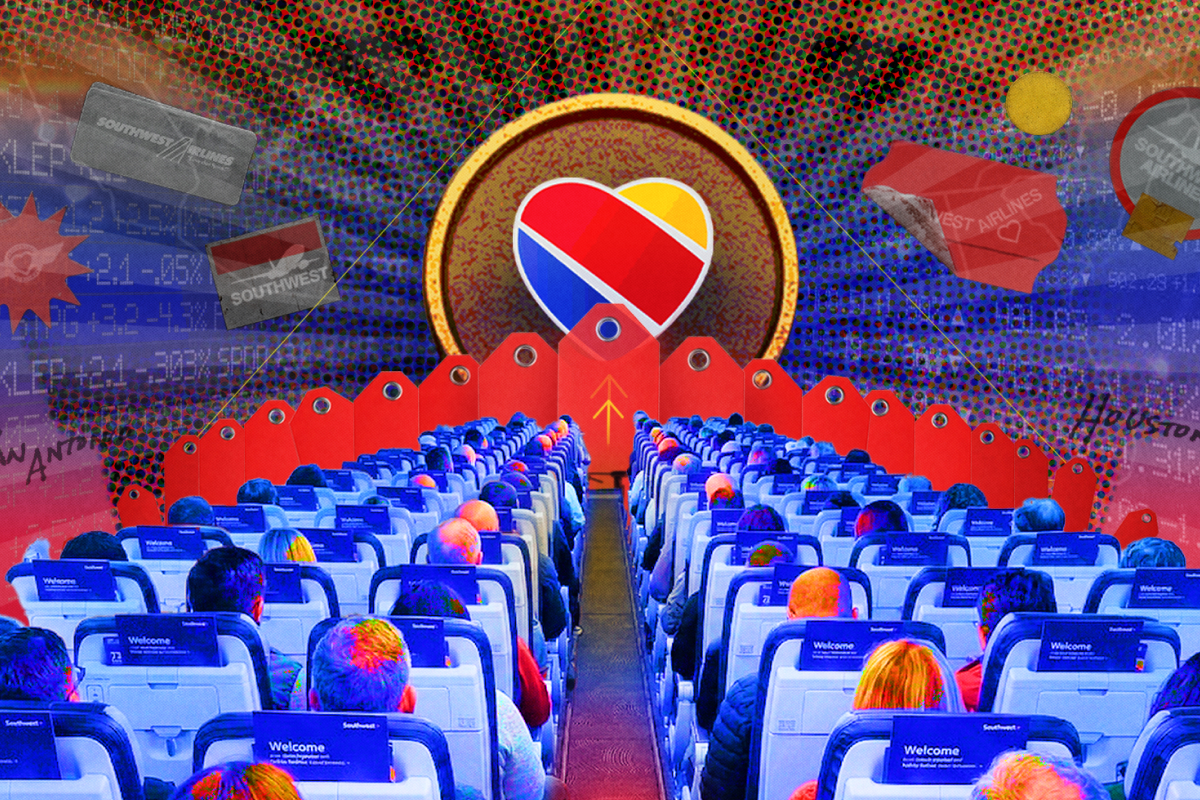
In a profound departure from its nearly six-decade-long operational philosophy, Southwest Airlines is executing one of the most significant strategic overhauls in modern aviation history. Driven by persistent shareholder pressure, notably from activist investor Elliott Investment Management, the Dallas-based carrier is systematically dismantling core tenets of its business model that once defined its unique identity and market position. This transformation includes the introduction of assigned seating, potential bag fees, expanded distribution channels like Expedia, and even discussions around airport lounges – tactics long eschewed by the airline’s founders. The sweeping changes aim to revitalize profitability and shareholder value, but not without potentially alienating a segment of its fiercely loyal customer base and challenging the very cultural fabric of the "Southwest Way."
For decades, Southwest stood as an outlier in the intensely competitive airline industry. While legacy carriers like American, Delta, and United embraced tiered services, complex fare structures, and global networks, Southwest championed simplicity: low fares, a robust point-to-point network, open seating, and a generous two-free-checked-bags policy. This model, combined with legendary customer service and operational efficiency, fostered a unique brand identity and cultivated a dedicated following. Now, the airline is consciously moving closer to the operational and revenue generation strategies of its mainline competitors, a shift that marks a pivotal moment for the industry and the airline itself.
The Catalyst: Underperformance and Activist Intervention
The impetus for this dramatic strategic pivot did not emerge in a vacuum. Southwest, while historically profitable and admired, has faced increasing headwinds in recent years. The COVID-19 pandemic severely disrupted its operations and financial stability, like all airlines, but Southwest’s recovery was further complicated by unique challenges. A major operational meltdown in December 2022, attributed to outdated scheduling software and a reliance on its point-to-point network during severe weather, resulted in thousands of canceled flights and left hundreds of thousands of passengers stranded, costing the airline over $1 billion and severely damaging its reputation.
This period of operational instability and perceived underperformance created an opening for activist investors. In mid-2024, Elliott Investment Management, a prominent hedge fund known for its aggressive campaigns to unlock shareholder value, revealed a significant stake in Southwest Airlines and publicly called for a comprehensive strategic review. Elliott’s thesis centered on the argument that Southwest’s rigid adherence to its legacy model was hindering its financial potential, leading to lower revenue per available seat mile (RASM) compared to peers and a stock performance that lagged behind the industry average over several years. The fund advocated for changes to the board, a new leadership structure, and a reevaluation of the airline’s core commercial strategy to align with modern industry practices.

Dismantling the "Southwest Way": A Chronology of Change
The response to Elliott’s pressure has been swift and decisive, indicating a profound shift in the airline’s executive thinking. While specific implementation timelines are still being solidified, the trajectory of change is clear:
- Late 2024 – Early 2025: Strategic Review & Initial Announcements: Following Elliott’s public campaign, Southwest’s board initiated a comprehensive strategic review. Initial announcements began to hint at a willingness to re-evaluate long-standing practices.
- Q1 2025: Enhanced Distribution Channels: Southwest confirmed plans to expand its presence on third-party online travel agencies (OTAs) such as Expedia. Historically, Southwest primarily sold tickets through its own website, a move that saved distribution costs but limited visibility to a broader customer segment. This expansion aims to capture more corporate travelers and leisure customers who prefer to book multi-airline itineraries or compare options across various carriers on a single platform.
- Q2 2025: Phased Introduction of Assigned Seating: Perhaps the most radical departure from its tradition, Southwest is expected to begin a phased rollout of assigned seating, potentially starting with specific routes or aircraft types by early 2026. The open seating policy, a hallmark of the Southwest experience, often led to boarding inefficiencies and customer anxieties, particularly for families or groups wanting to sit together. Assigned seating is projected to streamline the boarding process, improve on-time performance, and potentially create new ancillary revenue streams through preferred seating options.
- Mid-2025: Ancillary Revenue Streams Exploration (Bag Fees & Lounges): While an official announcement on standard bag fees is yet to be made, internal discussions and market signals suggest this is a strong possibility. The "two free checked bags" policy has been a significant differentiator for Southwest, beloved by passengers but a considerable cost for the airline in an era where most competitors generate billions from baggage fees. Concurrently, the airline is reportedly exploring the feasibility of airport lounges, a staple of premium travel offered by legacy carriers, signaling a potential move towards attracting higher-value business travelers.
- Target Implementation (Late 2025 – Early 2026): Many of these changes, particularly assigned seating and expanded distribution, are anticipated to be fully integrated into Southwest’s operations by March 2026, marking a new era for the carrier.
The Enduring Legacy of Herb Kelleher and the "Southwest Way"
To understand the magnitude of this transformation, one must revisit the legacy of Southwest’s co-founder and former CEO, Herb Kelleher. Kelleher, who passed away in 2019, was an aviation iconoclast. He envisioned an airline that democratized air travel, offering affordable, no-frills flights with a joyful, irreverent spirit. His philosophy was rooted in operational simplicity: a single aircraft type (Boeing 737s), point-to-point routes avoiding congested hubs, quick turnarounds at the gate, and a highly engaged, empowered workforce.
Kelleher’s "Southwest Way" prioritized low costs, high utilization of aircraft, and friendly customer service over complex revenue management tactics. The open seating policy was intended to speed boarding by eliminating seat assignment processes. The free bags policy was a gesture of goodwill and simplicity, avoiding the nickel-and-diming prevalent elsewhere. This model fostered deep customer loyalty and an unparalleled corporate culture, making Southwest consistently profitable and a leader in customer satisfaction for decades. At its Dallas headquarters, the memory of Kelleher remains vibrant, with a bright red button still playing his distinctive, booming laughter – a poignant reminder of a past era. The current strategic shift represents a direct challenge to the very tenets Kelleher championed, raising questions about whether the airline can retain its unique spirit while adopting more conventional practices.
Financial Imperatives and Market Realities
The primary driver behind these radical changes is financial performance. While Southwest has maintained profitability, its growth and revenue generation have not kept pace with the broader industry or investor expectations.
- Revenue Per Available Seat Mile (RASM): Industry analysts have frequently pointed out Southwest’s comparatively lower RASM. By not charging for checked bags, not offering premium seating options, and limiting its distribution channels, Southwest has forgone significant ancillary revenue streams that its competitors leverage heavily. For instance, U.S. airlines collectively generated over $7 billion in baggage fees in 2023, a revenue source almost entirely untapped by Southwest.
- Operational Efficiency and Cost Structure: While Southwest’s point-to-point model and single aircraft type offer cost advantages, rising fuel prices, increasing labor costs, and the investments needed to modernize its technology infrastructure have put pressure on its low-cost structure. The December 2022 meltdown highlighted vulnerabilities in its operational technology and network design that required substantial, unplanned expenditures.
- Market Share and Competitive Landscape: The competitive landscape has evolved significantly. Ultra-low-cost carriers (ULCCs) like Spirit and Frontier have encroached on Southwest’s traditional low-fare territory, while legacy carriers have become more adept at offering basic economy fares that compete on price while still retaining premium options. This has squeezed Southwest from both ends of the market.
- Shareholder Value: Elliott Management’s intervention underscored the belief that Southwest’s stock was undervalued due to its perceived reluctance to modernize its business practices. The fund argued that a more conventional approach to revenue generation could add billions to the airline’s market capitalization.
By implementing assigned seating, Southwest expects to reduce gate turn times, improving on-time performance and aircraft utilization, which directly impacts profitability. Expanding distribution will broaden its customer reach, potentially increasing load factors and revenue. The introduction of bag fees or premium seating options could unlock substantial new ancillary revenue.

Industry Reactions and Competitive Implications
The industry has largely reacted to Southwest’s transformation with a mixture of intrigue and validation. Competitors, having long adapted to diverse revenue streams, see this as Southwest finally playing by the same rules.
- Legacy Carriers: Executives at American, Delta, and United are likely observing closely. While they benefit from Southwest adopting similar strategies, they will also be wary of Southwest becoming an even more formidable competitor in segments where it previously held back, such as corporate travel.
- Analysts: Aviation analysts have largely applauded the strategic shift, viewing it as a necessary step for Southwest to remain competitive and improve its financial health. "This isn’t just about catching up; it’s about repositioning for sustained growth in a dynamic market," noted one senior airline analyst. "The challenge will be maintaining its brand appeal and operational efficiency during this complex transition."
- Ultra-Low-Cost Carriers (ULCCs): ULCCs might face increased pressure as Southwest, with its traditionally lower operating costs and strong brand, begins to compete more directly on price for basic services while simultaneously opening up premium options.
The move signals a further homogenization of the U.S. airline industry, where carriers increasingly differentiate through network, service quality, and loyalty programs rather than fundamental business models.
Customer and Employee Impact: Navigating the Transition
The strategic shift is not without its risks, particularly concerning Southwest’s loyal customer base and its employee culture.
- Customer Reaction: Generations of Southwest flyers have cherished the simplicity and value proposition of the "Southwest Way." The introduction of assigned seats and potential bag fees will undoubtedly lead to "gripping" from some long-time loyalists who feel the airline is abandoning its roots. However, for other segments, particularly business travelers or those who found open seating chaotic, these changes might be welcomed as a move towards greater predictability and convenience. The airline faces the delicate task of communicating the value proposition of these changes effectively, emphasizing improved service and efficiency rather than just new costs.
- Employee Morale and Culture: Southwest’s famed corporate culture, often cited as a key to its success, is deeply intertwined with Kelleher’s philosophy. Employees, who have long prided themselves on being part of a unique airline, may view these changes with skepticism or concern. Union leaders might raise questions about the impact on workloads, training, and the overall employee experience. Maintaining morale and ensuring employees feel supported and engaged during this profound transformation will be crucial for the airline’s leadership.
Implementation Challenges and Future Outlook
Implementing such fundamental changes across a vast organization like Southwest Airlines is a monumental undertaking. It requires significant investment in technology upgrades, extensive employee training, and careful communication with customers. The transition period is likely to be challenging, potentially leading to initial operational hiccups and customer confusion.
However, if executed successfully, the revamped Southwest could emerge as a more financially robust and competitively agile airline. By strategically adopting aspects of its competitors’ models while hopefully retaining elements of its renowned customer service and operational efficiency, Southwest aims to unlock new revenue potential and improve its long-term profitability. The ultimate success of this dramatic strategic shift will hinge on its ability to navigate these complexities, delivering on its profit goals without irrevocably sacrificing the unique spirit and customer affinity that has defined Southwest Airlines for over half a century. The airline is betting that the financial rewards of modernization will outweigh the nostalgic pull of its storied past.




 Anjar Salim
 Chandra Hamzah
 Budi Mulyono
 Lukman Taruna Persada Ramadan
