
 Dwi Wanna
Nineteen years after experiencing its untouched allure, the author revisited Ko Lipe, a Thai island that once epitomized an off-the-beaten-path idyll. In 2006, the island was a sanctuary for intrepid travelers, characterized by limited electricity, inexpensive beachfront bungalows, and a palpable sense of being at the edge of the world. Daily life revolved around simple pleasures: beach lounging, reading, snorkeling, and communal dining at the island’s handful of eateries. This unhurried existence fostered deep connections, both with fellow travelers and the local community, leaving an indelible mark on the author’s travel narrative. The island was a place where time seemed to stretch, allowing for an immersive, idyllic backpacker experience.
However, the author’s return in late 2023, driven by logistical convenience and a desire to experience New Year’s Eve celebrations, revealed a stark and disheartening transformation. The island, once a symbol of pristine natural beauty and understated tourism, has, in the author’s assessment, succumbed to the "Ko Phi Phi model" of development, resulting in extreme overdevelopment and unsustainable practices. This stark contrast between cherished memory and present reality forms the crux of a critical examination of tourism’s impact on fragile island ecosystems and local communities.
The Unraveling of a Pristine Paradise
The transformation of Ko Lipe is a narrative of rapid and, according to the author, unsustainable development. What were once dirt footpaths are now paved concrete thoroughfares accommodating vehicles and construction equipment. Expansive tracts of palm trees have been replaced by high-end resorts complete with swimming pools, a development particularly concerning given the island’s limited natural freshwater resources. The construction boom is ongoing, a relentless push for further expansion.
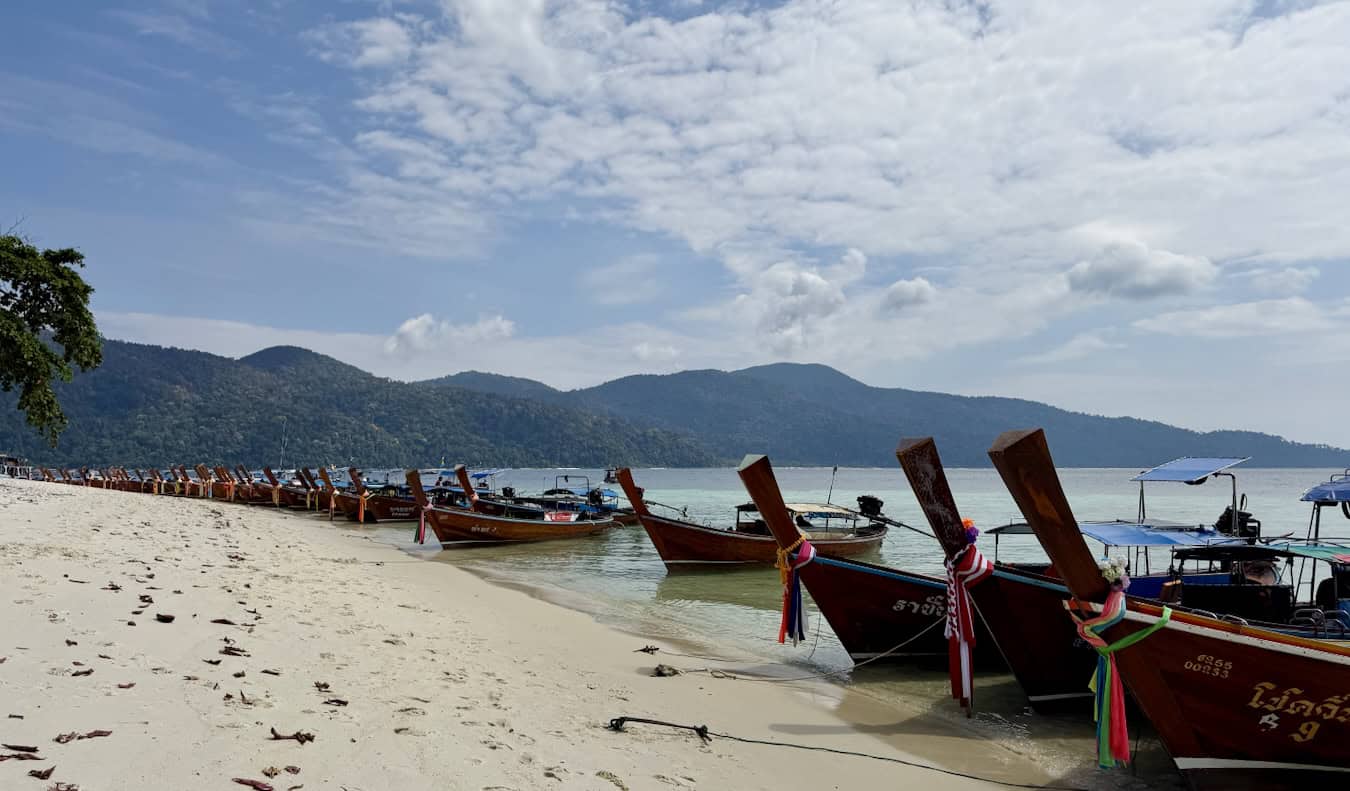
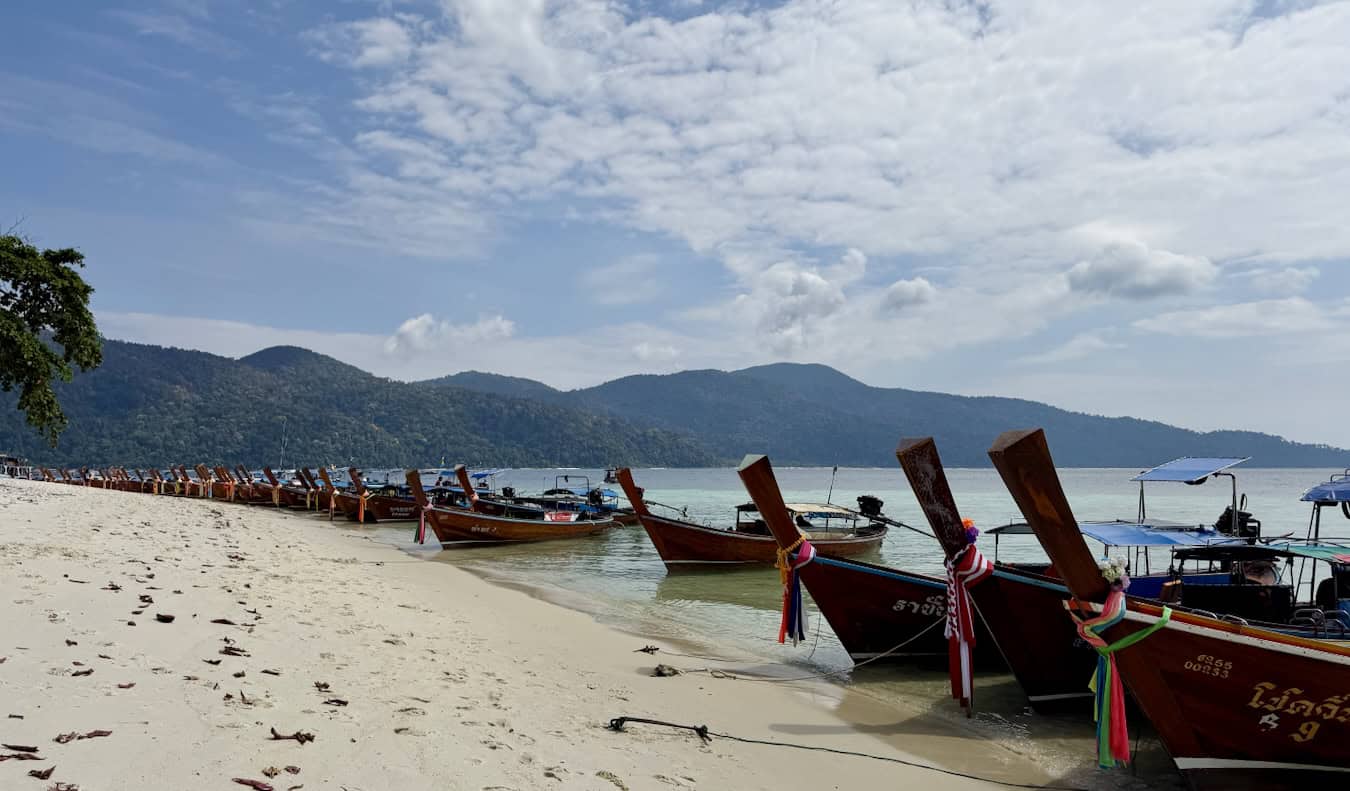
The environmental toll is significant. The coral reefs surrounding the island are reportedly in decline, casualties of increased boat traffic, anchoring, pollution, and overfishing. Beaches are now congested with longtail boats, their exhaust fumes seeping into the ocean, creating visible slicks on the water’s surface. The culinary landscape has also shifted, with restaurants increasingly catering to Western palates with "bad Western food" rather than celebrating the region’s rich Thai cuisine.
This rapid development has had profound social and economic consequences for the local population. Many indigenous residents have been displaced, forced to sell their land to mainland developers. The island’s workforce is now largely comprised of individuals from the mainland, who, the author notes, see little of the economic benefits generated by the tourism surge. This economic disparity exacerbates the sense of a paradise lost, where the very people who once embodied its charm are marginalized by the very industry that now defines it.
A Pattern of Unsustainable Growth
The author draws a direct parallel between Ko Lipe’s current state and the well-documented overdevelopment of other Thai islands, notably Ko Phi Phi. This pattern, characterized by unchecked "build, build, build," is presented as a pervasive issue within Thailand’s tourism sector. The article implies a systemic failure to implement sustainable tourism strategies, leading to the exploitation of finite natural resources and the degradation of the very attractions that draw visitors.
Data from organizations like the UN Environment Programme (UNEP) and the World Travel & Tourism Council (WTTC) consistently highlight the environmental and social pressures exerted by mass tourism on island destinations. Studies have shown that uncontrolled coastal development can lead to habitat destruction, increased waste generation, and strain on local infrastructure. In Thailand, rapid tourism growth, while a significant contributor to the national economy, has often outpaced regulatory frameworks, leading to situations like the one described on Ko Lipe. For instance, a 2019 report by the World Wide Fund for Nature (WWF) highlighted the significant threat of coral bleaching and marine ecosystem degradation in popular Thai tourist areas due to pollution and physical damage.
The author’s observation that the island now features resorts with pools "on an island with no natural water supply" points to a critical resource management issue. Island ecosystems are inherently fragile, and the introduction of large-scale infrastructure without adequate planning for water, waste, and energy can have irreversible consequences.
The Dilemma of the First-Time Visitor
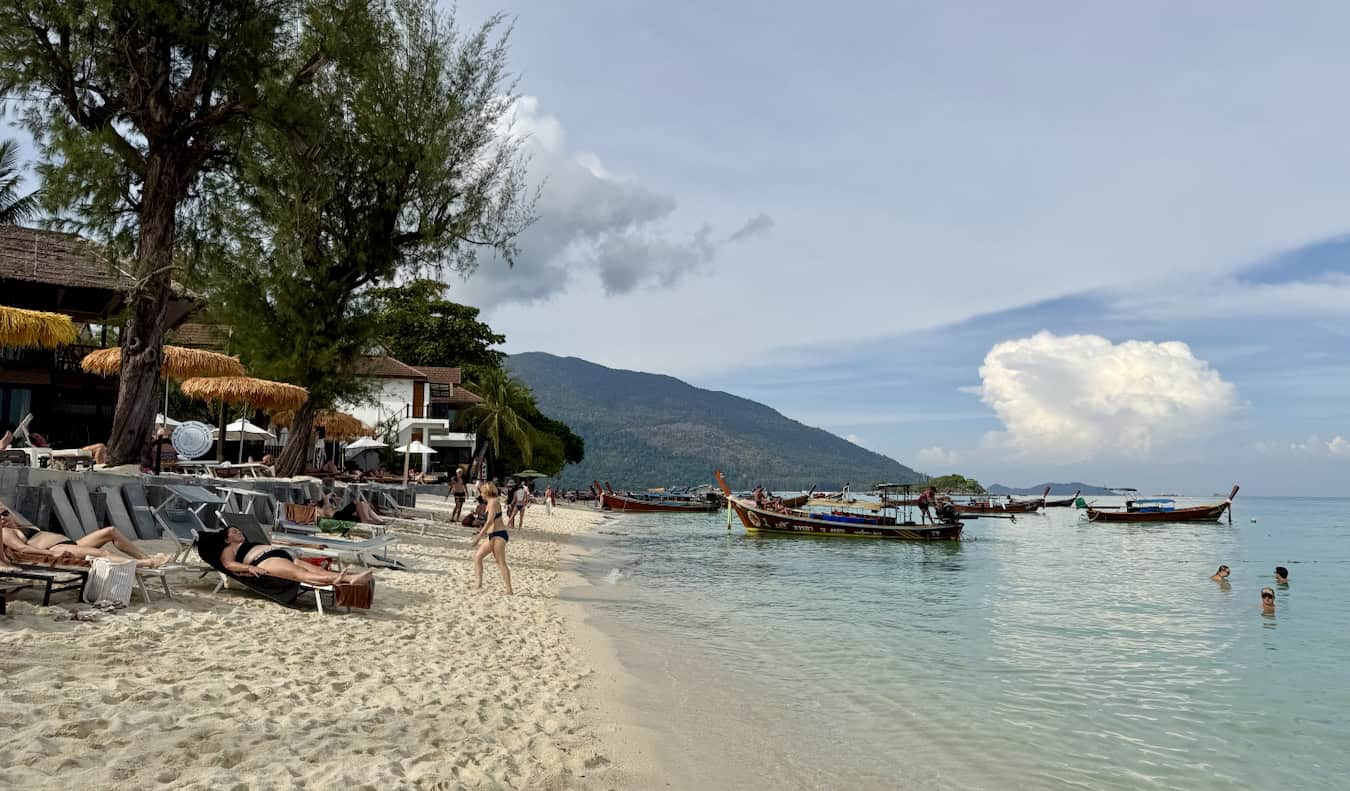
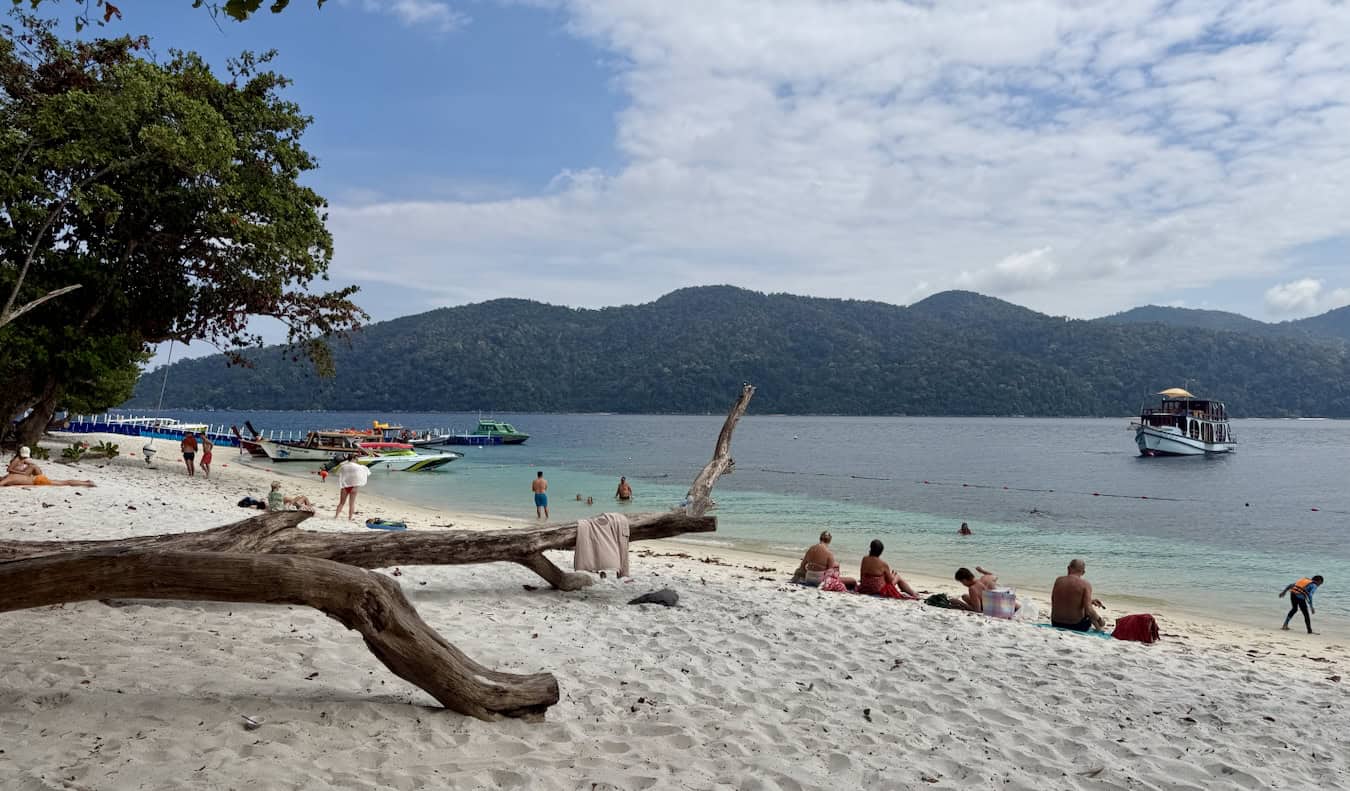
Despite the author’s critical assessment, the article acknowledges the enduring appeal of Ko Lipe’s natural beauty. For first-time visitors, the island’s postcard-perfect scenery – the azure waters, pristine white sands, and proximity to the surrounding national park, which offers access to secluded islands – can still evoke a sense of wonder. The author concedes that in comparison to more heavily developed destinations like Ko Phi Phi, Krabi, or Phuket, Ko Lipe may still appear relatively untouched to newcomers. This creates a challenging dichotomy: the island remains visually stunning, yet its underlying ecological and social fabric is being eroded.
The author’s personal connection to Ko Lipe underscores the poignancy of its transformation. The island’s initial appeal lay not just in its natural beauty but in its ability to foster a profound sense of peace and connection. This idyllic memory, the author states, was a primary reason for avoiding a return for fear of "chasing travel ghosts" and witnessing the degradation of a cherished past. The decision to return, therefore, was a difficult one, fueled by circumstance rather than a desire to recapture a lost era.
A Call for Responsible Travel Choices
The article concludes with a strong ethical stance, advocating for responsible travel and urging potential visitors to reconsider a trip to Ko Lipe. The author’s reasoning is rooted in the principle that continued visitation to an overdeveloped and unsustainably managed destination only exacerbates its problems. This perspective aligns with the growing discourse around "overtourism," where the sheer volume of visitors overwhelms local infrastructure and natural resources, leading to a diminished experience for both tourists and residents, and severe environmental degradation.
The author posits that while growth is inevitable, the type of growth is crucial. The current trajectory on Ko Lipe is deemed unsustainable and exploitative. The article emphasizes that the decision to visit a destination has a tangible impact, drawing parallels to past shifts in consumer consciousness that led to changes in practices like elephant riding and the rise of eco-lodges. The implication is that collective consumer choices can influence the direction of tourism development.
As an alternative, the article suggests several nearby islands that are, in the author’s view, better managed and more sustainable, including Ko Lanta, Ko Jum, and Ko Mook. This recommendation serves as a practical guide for travelers seeking to experience Thailand’s Andaman coast responsibly, encouraging them to support destinations that prioritize conservation and community well-being.
The author expresses a somber resignation, acknowledging that reversing the current development trend on Ko Lipe is unlikely. The economic realities and the inertia of established development models present formidable challenges. However, the message is clear: by choosing to visit alternative destinations, travelers can avoid contributing to the problem and, by extension, signal a demand for more sustainable tourism practices across the region. The final sentiment is a poignant plea for conscious travel, recognizing that "enough is enough" when a destination’s natural and social capital is being irrevocably depleted. The hope, however faint, is that such conscious choices might, in the long term, foster a more responsible approach to tourism development in Thailand and beyond.




 Anjar Salim
 Chandra Hamzah
 Tatiana Tantri Indah Sari
 Budi Mulyono

