
 Anjar Salim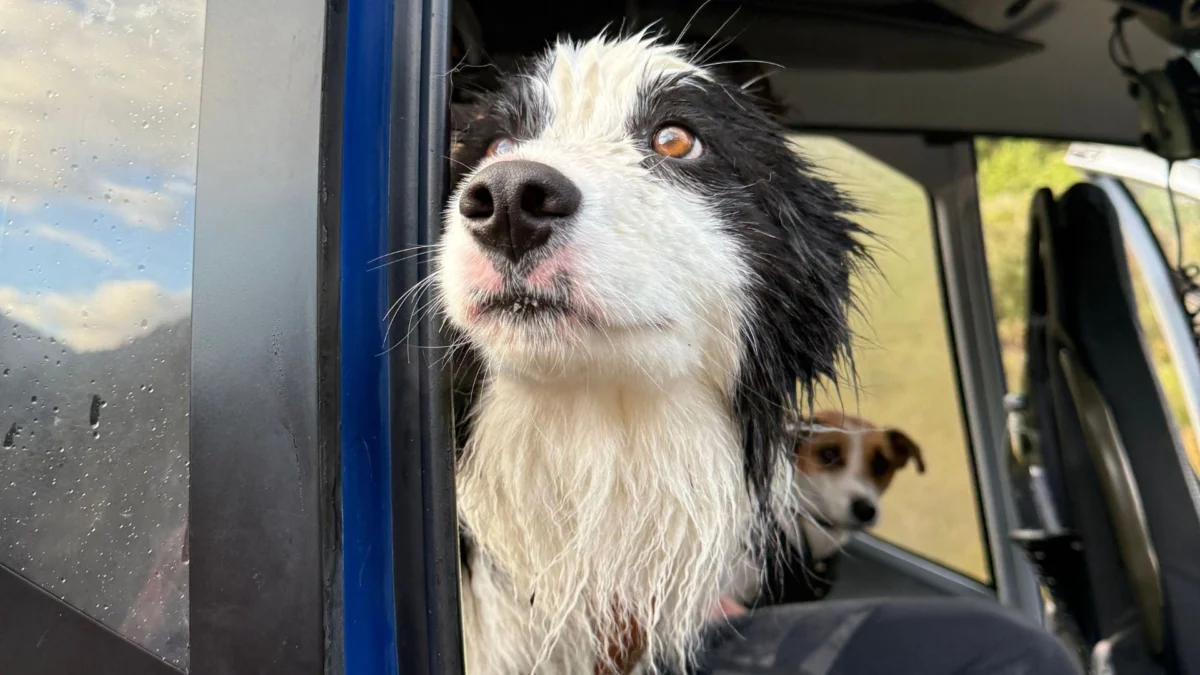
The rugged and unforgiving landscape of New Zealand’s Southern Alps became the stage for an extraordinary feat of survival this month, culminating in the successful rescue of a four-year-old border collie named Molly. On March 31, 2026, specialized rescue teams located and extracted the dog after she spent fourteen days alone in the wilderness following a catastrophic 180-foot fall down a waterfall. The operation, which combined high-tech thermal imaging, community-driven crowdfunding, and the unique assistance of a "support dog," has highlighted the extreme challenges of backcountry safety and the resilience of working dog breeds in high-altitude environments.
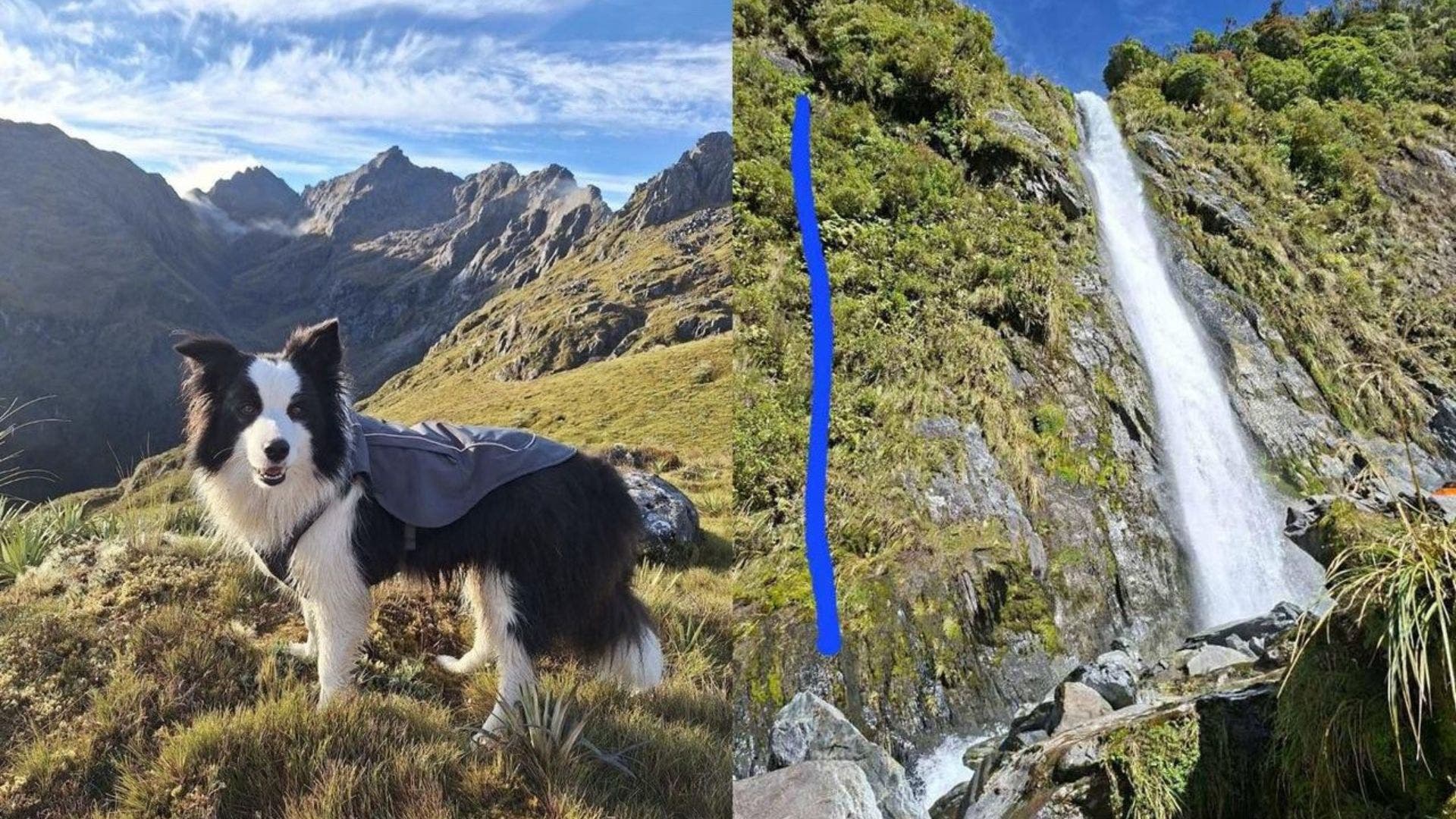
The incident began on March 17, when Molly’s owner, a woman in her twenties identified as Jessica, was backpacking through the remote backcountry near Hokitika, a town on the West Coast of the South Island known for its dense rainforests and steep mountainous terrain. While navigating a particularly treacherous section of the trail, Jessica lost her footing and plummeted approximately 55 meters (180 feet) down a vertical waterfall. In what officials have described as a stroke of immense luck, she landed in a pool of water at the base, which cushioned the impact and likely prevented a fatal outcome.
Despite her injuries, Jessica managed to activate her Personal Locator Beacon (PLB), a critical piece of safety equipment for anyone entering the New Zealand "bush." A government-funded search and rescue helicopter was dispatched to the GPS coordinates emitted by the beacon. Rescuers successfully winched the bruised and shaken hiker from the ravine, but in the chaos of the emergency extraction, Molly was nowhere to be found. For the next two weeks, the dog was presumed lost to the elements in an area characterized by some of the highest rainfall totals in the Southern Hemisphere.
A Chronology of the Search and Rescue Operation
The timeline of Molly’s disappearance and eventual recovery underscores the logistical difficulty of operations in the West Coast region. Following Jessica’s rescue on March 17, initial hopes for Molly’s immediate return faded as the days passed.
- March 17–24: Jessica recovers from her injuries while local authorities and outdoor enthusiasts monitor the area. Due to the remoteness of the waterfall, ground searches are deemed too dangerous for volunteers.
- March 25: Lillian Newton, the safety manager and a pilot for Precision Helicopters Ltd, becomes aware of the case. Despite her company not being part of the initial government response, Newton expresses a "gut feeling" that the dog might still be alive, citing the hardy nature of border collies.
- March 26: Newton launches a public appeal on the crowdfunding platform "Givealittle." The goal is to raise 2,500 NZD (approximately $1,436 USD) to cover the fuel and operational costs of a private aerial search.
- March 27: The campaign goes viral. Within six hours, the public contributes over 11,500 NZD ($6,605 USD), nearly five times the requested amount. Newton immediately closes the fundraiser to prevent over-collection and begins coordinating the flight path.
- March 28–30: Adverse weather conditions common to the Southern Alps—heavy mist and torrential rain—delay the flight. The team prepares thermal imaging equipment.
- March 31: A window of clear weather allows Matt Newton, a veteran pilot, and a thermal camera operator to take flight. Molly is spotted huddled near the base of the waterfall where the accident occurred.
Technical Logistics and the Role of Thermal Imaging
The search for a black-and-white dog in the dense, multi-layered canopy of the New Zealand bush has been compared by rescuers to "finding a needle in a haystack." The West Coast’s vegetation is notoriously thick, consisting of temperate rainforest, ferns, and moss-covered rock faces that can easily obscure a stationary animal from the naked eye.
To overcome these visibility issues, the Precision Helicopters team employed Forward-Looking Infrared (FLIR) technology. This thermal imaging system detects heat signatures against the cooler background of the forest floor and river water. During the final pass over the waterfall site, the camera operator identified a heat bloom tucked beneath a rock pile. Upon closer inspection through high-powered optics, the team confirmed it was Molly, remarkably situated in the exact location where Jessica had fallen two weeks prior.
The operational cost of such technology is significant. Running a turbine-engine helicopter in high-altitude environments costs approximately 50 NZD ($29 USD) per minute, or roughly 3,000 NZD per hour. The community’s rapid financial response was the sole factor that made the private search economically viable, as government resources are typically reserved for human life-safety missions.
Survival Instincts and Environmental Challenges
Molly’s survival for fourteen days in the Southern Alps is a testament to the physiological and psychological resilience of the border collie breed. Known for their high intelligence and physical stamina, border collies are traditionally used in New Zealand for high-country sheep farming, where they must endure long hours in harsh weather.
Lillian Newton noted that when Molly was finally reached, she appeared to be in surprisingly good physical condition. "She must have been eating—we have Australian brush-tailed possums here, and we reckon she must have killed and eaten a few of those," Newton stated. The brush-tailed possum is an invasive species in New Zealand and is ubiquitous in the bush, providing a potential, albeit difficult, food source for a stranded predator.
Beyond food, the primary threats were hypothermia and the terrain. The Hokitika region is subject to sudden temperature drops and relentless rain. However, the same waterfall that caused the accident provided a constant source of fresh water. Rescuers believe Molly’s decision to stay near the site of the fall—a behavior often seen in loyal working dogs waiting for their owners—actually aided her survival by keeping her near a known landmark and a water source.
The Rescue Extraction and the "Support Dog"
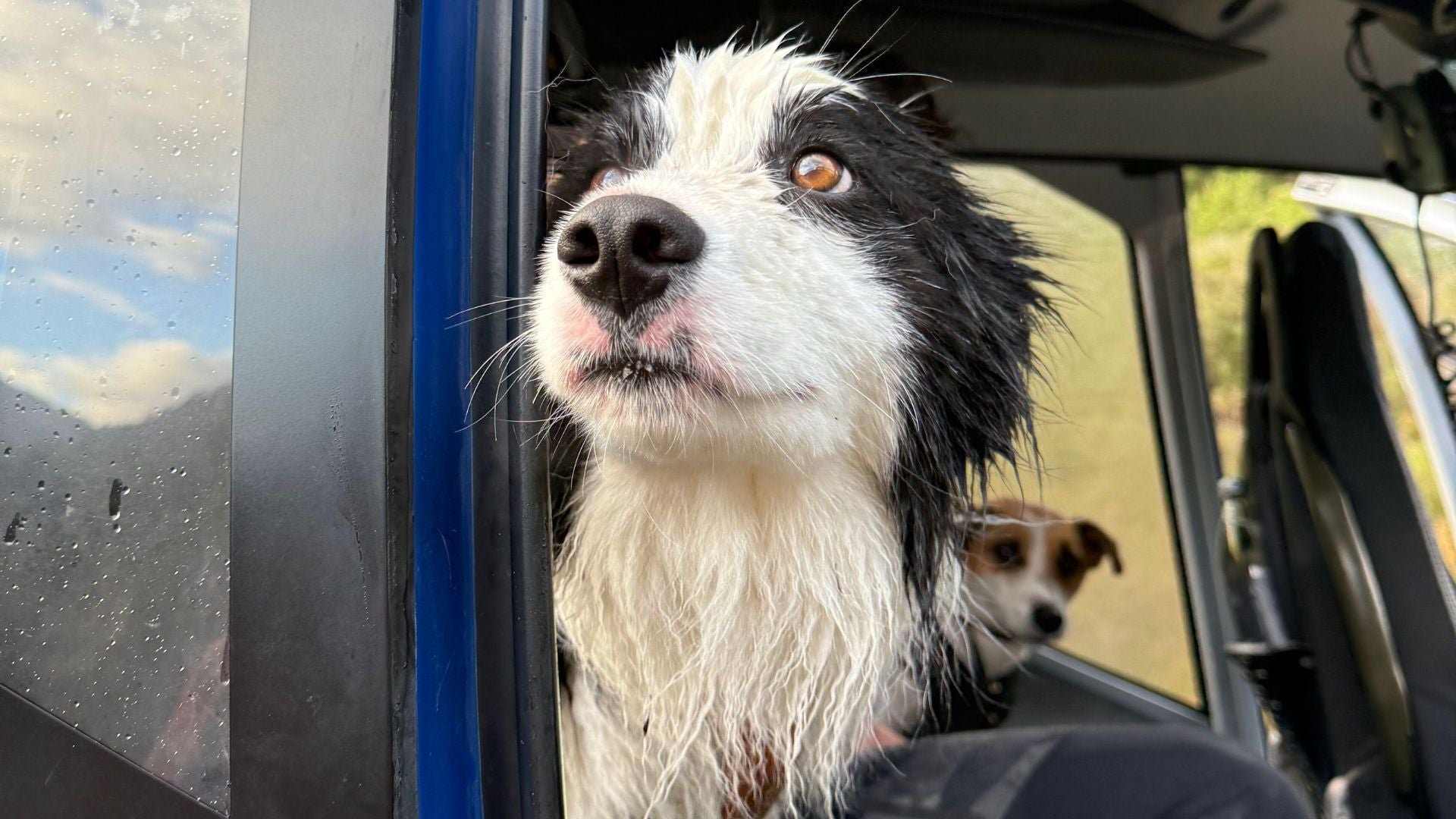
The actual extraction of Molly involved a unique tactical decision. Recognizing that a dog might be traumatized after two weeks of isolation and the thunderous noise of helicopter rotors, the rescue team brought along a "support dog"—a Jack Russell terrier named Bingo.
The strategy was intended to provide a familiar social cue to Molly. When the helicopter landed on a nearby gravel bar, Bingo was used to signal that the humans were friendly. The tactic proved successful; rather than fleeing into the bush out of fear, Molly approached the rescuers and climbed into the aircraft with little hesitation. Video footage captured at the scene showed the border collie huddled against the rocks just moments before she was whisked away to safety.
Official Responses and Community Impact
The successful reunion of Molly and Jessica has resonated deeply across New Zealand, a country with a high rate of pet ownership and a strong culture of outdoor exploration.
In a statement posted to their official social media channels, Precision Helicopters Ltd expressed gratitude to the hundreds of donors who funded the mission. "The success of saving Molly would not have been possible without this joint effort. What a happy ending to reunite her with Jess after her accident," the company noted.
Jessica, who was still recovering from the injuries sustained in her 180-foot fall, was reportedly overwhelmed by the news. While she was physically unable to join the search flights, she remained in constant contact with the Newton family throughout the process.
Lillian Newton emphasized the importance of following one’s intuition in search and rescue scenarios. "Trust your gut feeling," she advised. "We said dog prayers the night before flying with our own dogs, and it paid off."
Broader Implications for Backcountry Safety
While the story of Molly has a positive conclusion, it serves as a sobering reminder of the risks associated with New Zealand’s wilderness. The Southern Alps are beautiful but deceptive; the terrain is "rugged and gnarly," as Newton described it, and even experienced hikers can find themselves in life-threatening situations within seconds.
Safety experts point to three key takeaways from this incident:
- The Efficacy of PLBs: Jessica’s life was undoubtedly saved by her personal locator beacon. Without it, the initial rescue would have been delayed, potentially leading to a fatal outcome from her injuries or exposure.
- The Limitations of Public Search and Rescue: While New Zealand’s Land Search and Rescue (LandSAR) and Westpac Rescue Helicopters are world-class, their mandates are strictly focused on human lives. This case demonstrates the vital role that private aviation and community funding play in animal recovery missions.
- Preparation for Pets: Hiking with dogs in the backcountry requires additional planning, including emergency rations for the animal and ensuring the dog is physically capable of the terrain.
As of early April, Molly is back with Jessica, undergoing veterinary check-ups to ensure no long-term damage resulted from her ordeal. The remaining funds from the Givealittle campaign, which exceeded the cost of the flight, are expected to be donated to local animal charities and search and rescue organizations, ensuring that Molly’s legacy of survival contributes to the safety of others in the New Zealand bush.




 Budi Mulyono
 Chandra Hamzah
 Tatiana Tantri Indah Sari

 Lukman Taruna Persada Ramadan