Cholid Fahmi Thalib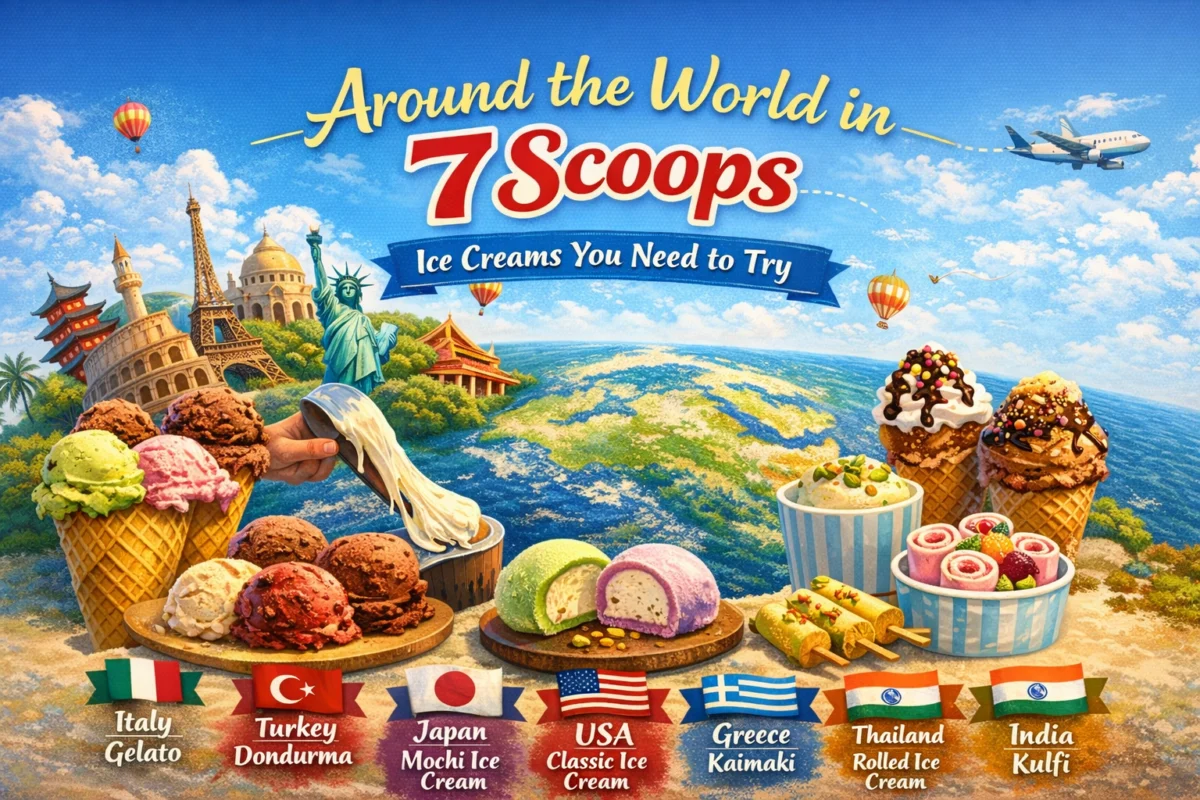
The seemingly simple pleasure of ice cream transcends geographical boundaries and cultural traditions, manifesting in a dazzling array of textures, flavors, and preparation methods. While the familiar comfort of vanilla or chocolate remains a global constant, a deeper exploration reveals a world where ice cream is not merely a dessert but a cultural artifact, a testament to local ingredients, historical ingenuity, and culinary artistry. This journey delves into seven distinct international ice cream traditions, offering a nuanced perspective on how this beloved frozen treat has been shaped by diverse environments and palates.
The Global Ice Cream Landscape: Beyond the Familiar Tub
The global market for ice cream and frozen desserts is a significant economic force, with projections indicating continued growth. According to Mordor Intelligence, the global ice cream market was valued at approximately USD 72.8 billion in 2023 and is expected to reach USD 97.8 billion by 2029, growing at a compound annual growth rate (CAGR) of 5.08%. This substantial market size underscores the universal appeal of frozen desserts and the vast potential for regional variations to gain international recognition. The variations in preparation, ingredients, and cultural significance discussed herein represent just a fraction of the rich tapestry of frozen confections enjoyed worldwide. From the artisanal craftsmanship of Italian gelato makers to the theatrical presentation of Thai rolled ice cream, each iteration offers a unique sensory experience and a window into the soul of its origin.
Italy: The Refined Art of Gelato
Italy, often hailed as the birthplace of gelato, has elevated ice cream to an art form. Unlike its American counterpart, traditional Italian gelato is characterized by a lower fat content, typically derived from more milk and less cream, and a denser texture due to a slower churning process. This meticulous preparation results in a less airy, more intensely flavored product. The serving temperature is also a critical differentiator; gelato is traditionally served at a slightly warmer temperature than ice cream, which enhances the perception of its vibrant flavors and smooth, velvety mouthfeel.
The key ingredients in authentic gelato include fresh milk, sugar, and natural flavorings. The emphasis on quality and seasonality of ingredients is paramount. For instance, a true pistachio gelato will prominently feature the distinctive nutty notes of pistachios sourced from regions like Bronte in Sicily. Similarly, Stracciatella, a popular flavor, involves the delicate incorporation of fine shards of chocolate into a creamy base, creating a delightful textural contrast. The artisanal gelateria, a staple in Italian towns and cities, is a testament to this dedication to craft. These establishments often pride themselves on small-batch production, ensuring freshness and allowing for innovative flavor combinations inspired by local produce and seasonal availability. The tradition of gelato making in Italy can be traced back centuries, with early forms emerging as early as the Renaissance, further solidifying its deep cultural roots.
Turkey: Dondurma’s Dramatic Charm
Turkish dondurma presents a captivating departure from conventional ice cream, celebrated for its unique elasticity, chewiness, and resilience to melting. This distinctive texture is attributed to the inclusion of salep, a flour derived from the tubers of wild orchids, and mastic, a resin obtained from the mastic tree. Salep acts as a natural thickener and emulsifier, contributing to dondurma’s characteristic stretchiness, while mastic imparts a subtle, slightly pine-like aroma and flavor.
The preparation of dondurma is often a performance in itself. Vendors, frequently adorned in traditional attire, employ long paddles to knead and stretch the frozen mass, creating a spectacle that engages all the senses. This theatrical element, coupled with the unusual texture and rich flavor profiles, such as Maraş ice cream (a regional specialty known for its strong salep flavor), has made dondurma a cultural icon in Turkey. The origins of dondurma can be traced back to the Ottoman Empire, where it was a luxury enjoyed by the elite. Over time, it became accessible to the general populace, evolving into a beloved street food and a symbol of Turkish hospitality and festivity. The cultural significance of dondurma is so profound that it is often associated with national pride and is a must-try for any visitor to Turkey.
Japan: The Delicate Delight of Mochi Ice Cream
Mochi ice cream, a fusion of traditional Japanese confectionary and Western-style ice cream, offers a delightful textural and sensory experience. It consists of a small ball of ice cream encased in a soft, chewy outer layer of mochi, a pounded rice cake. The mochi’s subtle sweetness and yielding texture provide a pleasing contrast to the cold, creamy ice cream within.
The versatility of mochi ice cream allows for an extensive range of flavors, from classic choices like vanilla and chocolate to more uniquely Japanese offerings such as matcha (green tea), adzuki bean (sweet red bean), and black sesame. The meticulous craftsmanship involved in creating perfectly uniform mochi balls, each precisely enclosing a core of ice cream, reflects Japan’s renowned attention to detail and aesthetic sensibility in food preparation. While mochi ice cream has gained international popularity, experiencing it freshly made in Japan, where traditional techniques are often employed, offers an unparalleled authentic taste. The origins of combining mochi with ice cream are more recent, gaining significant traction in the late 20th century as a novel dessert innovation.
United States: Indulgence and Innovation in Classic Ice Cream
The United States is synonymous with a style of ice cream characterized by its richness, creaminess, and sheer indulgence. American ice cream typically boasts a higher butterfat content compared to gelato, leading to a smoother, often softer texture. The diversity of American ice cream is staggering, ranging from simple soft-serve cones available at roadside stands to elaborately crafted creations featuring premium ingredients and generous inclusions.
The American ice cream industry is marked by a spirit of innovation and entrepreneurship. Small, artisanal creameries often prioritize locally sourced ingredients, creating unique natural flavors that highlight regional produce. Simultaneously, large-scale manufacturers and popular chains like Ben & Jerry’s have become household names, celebrated for their inventive flavor combinations and commitment to ethical sourcing and social activism. The evolution of American ice cream can be seen as a reflection of the nation’s consumer culture, embracing both comforting nostalgia and a drive for novelty and maximalist flavor experiences. The advent of commercial ice cream production in the 19th century laid the groundwork for its widespread popularity, which has only continued to grow.
Greece: The Aromatic Allure of Kaimaki
Kaimaki ice cream stands as a unique testament to the ancient culinary traditions of Greece, distinguished by its unusual yet captivating flavor profile derived from mastic. Mastic, a resin harvested from the mastic tree that grows exclusively on the Greek island of Chios, imparts a distinctively aromatic, slightly floral, and subtly resinous note. This ingredient, used for centuries in both culinary and medicinal applications, gives kaimaki a flavor profile that is both refreshing and complex, unlike any other frozen dessert.
The texture of kaimaki is typically dense, smooth, and velvety, achieved through a slow churning process. It is often served simply, allowing the unique flavor of mastic to be the star, though it is commonly garnished with crushed pistachios for added texture and visual appeal. Kaimaki is not a modern innovation but a deeply rooted tradition, representing a taste of Greek history and a connection to the island of Chios and its unique bounty. The historical use of mastic in the region dates back to antiquity, where it was valued for its medicinal properties and distinctive aroma.
Thailand: The Theatrical Art of Rolled Ice Cream
Thai rolled ice cream, also known as stir-fried ice cream, offers a captivating blend of culinary performance and fresh, customizable flavors. The process begins with a liquid base, typically a sweet cream mixture, poured onto an ultra-cold metal surface. Fresh ingredients, such as chopped fruits, herbs, or candies, are then added and rapidly chopped and mixed into the base. As the mixture freezes, it is scraped into delicate rolls, creating a visually appealing and texturally light dessert.
The appeal of rolled ice cream lies not only in its fresh preparation and light, smooth texture but also in the engaging process of its creation. Vendors transform the act of making ice cream into an entertaining spectacle. Originating on the streets of Bangkok, this trend has since spread globally, captivating consumers with its interactive nature and the ability to tailor each serving precisely to individual preferences. The rise of rolled ice cream can be seen as a modern adaptation of street food culture, emphasizing freshness, visual appeal, and personalized consumption.
India: The Slow-Cooked Richness of Kulfi
Kulfi, the beloved Indian frozen dessert, is a stark contrast to the airy, churned ice creams found elsewhere. Its essence lies in a slow, patient preparation process that involves simmering milk for extended periods until it significantly reduces and thickens, concentrating its natural sugars and developing a rich, creamy texture. This slow-cooking method imparts a distinct caramel-like sweetness and a dense, fudgy consistency that distinguishes kulfi from its Western counterparts.
Traditional kulfi flavors are deeply rooted in Indian culinary heritage, often featuring aromatic spices like cardamom and saffron, floral notes of rose water, or the nutty richness of pistachios. These flavorings are infused into the reduced milk base, creating a harmonious blend of taste and aroma. Due to its density, kulfi is typically molded into conical or cylindrical shapes and is designed to melt slowly, allowing for a prolonged enjoyment of its intense flavors. Historically, kulfi was a delicacy enjoyed by royalty and the elite, a testament to the labor-intensive process and the preciousness of the ingredients. Over time, it has become a widely accessible and cherished dessert across India and in Indian communities worldwide.
The Enduring Appeal and Future of Global Ice Cream
The diverse array of ice creams presented – from Italy’s refined gelato to Turkey’s elastic dondurma, Japan’s delicate mochi, America’s indulgent creations, Greece’s aromatic kaimaki, Thailand’s theatrical rolls, and India’s slow-cooked kulfi – underscores a universal human desire for delightful, frozen treats. Each variation tells a story of its origin, reflecting local ingredients, cultural practices, and historical evolution.
The continued growth of the global ice cream market suggests an increasing consumer appetite for novelty and authenticity. As culinary traditions become more accessible globally through travel and digital platforms, interest in unique regional desserts is likely to surge. This trend not only benefits consumers seeking new taste experiences but also supports local producers and preserves traditional artisanal methods. The future of ice cream promises further innovation, with a growing emphasis on health-conscious options, sustainable sourcing, and the fusion of diverse culinary influences, ensuring that the world of frozen desserts remains as dynamic and exciting as ever. Each spoonful offers not just a taste of sweetness, but a journey through history, culture, and human ingenuity.


 Budi Mulyono
 Lukman Taruna Persada Ramadan
 Chandra Hamzah
 Gabriela Annisa
 Tatiana Tantri Indah Sari