Diana Nuri Rohmawati
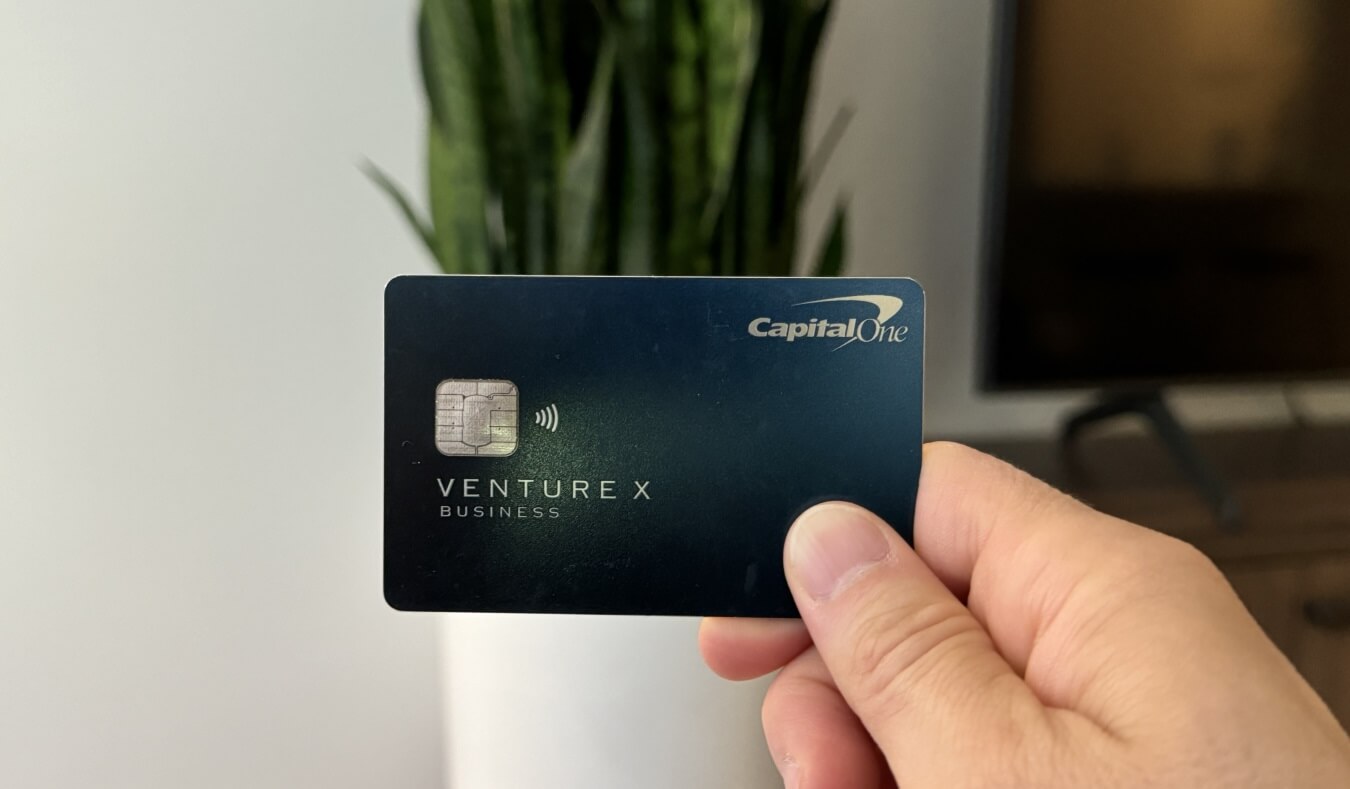
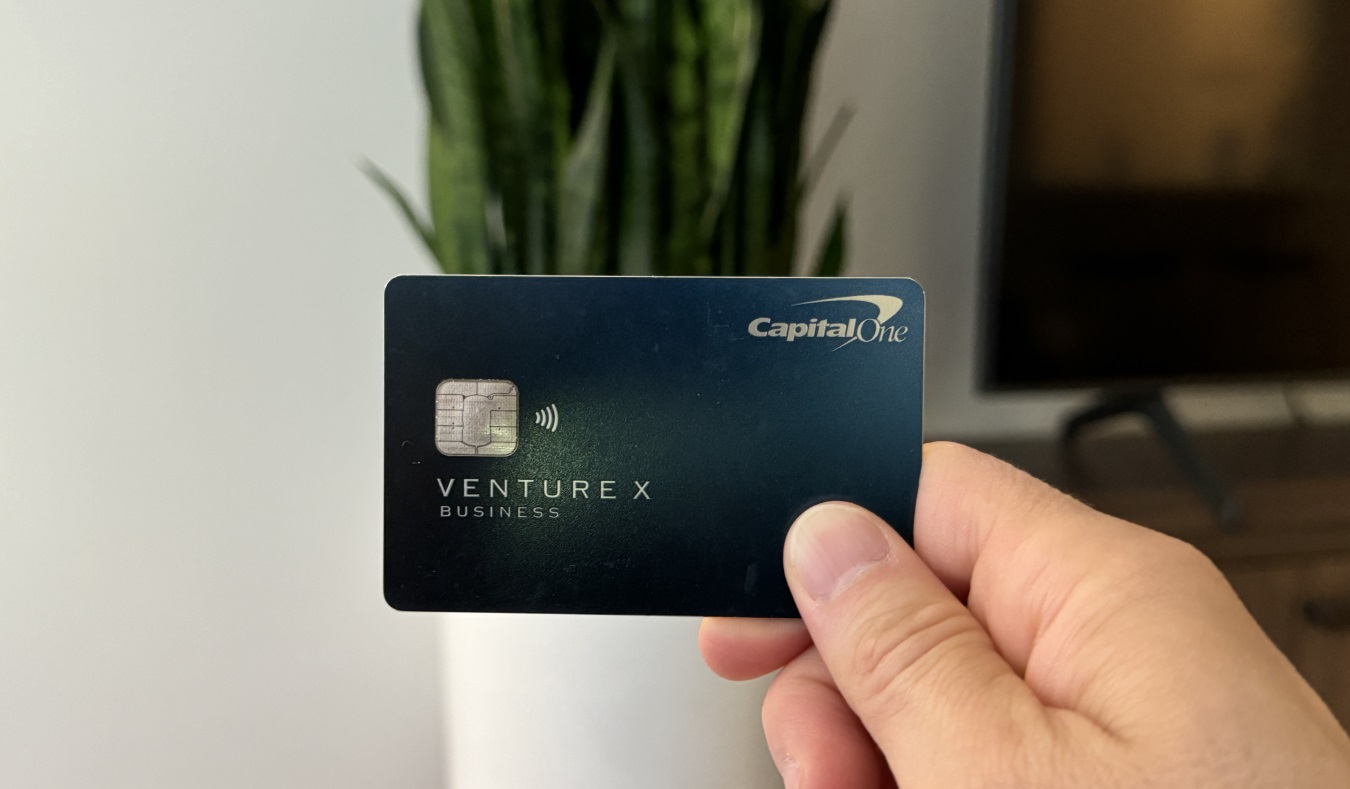
The landscape of corporate financial tools has shifted significantly over the last decade, moving away from simple revolving credit lines toward high-utility reward ecosystems designed to offset the rising costs of global commerce. Central to this shift is the Capital One Venture X Business Credit Card, a premium financial product positioned to bridge the gap between mid-tier business cards and ultra-luxury corporate offerings. By integrating a simplified rewards structure with a suite of high-end travel benefits, the card has emerged as a primary competitor to established staples from American Express and JPMorgan Chase. As small and medium-sized enterprises (SMEs) increasingly look to optimize their "catch-all" spending, the Venture X Business provides a case study in how financial institutions are leveraging travel infrastructure to secure long-term loyalty from business owners.
The Evolution of the Premium Business Credit Market
Historically, the business credit card market was bifurcated. On one end were the "no-fee" or low-fee cards that offered modest cash back; on the other were the "prestige" cards with annual fees exceeding $500, aimed at high-revenue corporations. The entry of the Capital One Venture X Business represents a strategic middle ground. Launched as a corporate-facing counterpart to the successful consumer Venture X card, this product targets business owners who require high-limit spending power and premium travel perks without the cumbersome overhead of more expensive competitors.
The chronology of this product’s development is rooted in Capital One’s broader effort to redefine its brand from a subprime lender to a premium travel partner. This transition began in earnest in late 2021 with the launch of the consumer Venture X, followed by the rollout of the Venture X Business in early 2023. By partnering with the travel-tech firm Hopper to power its booking portal and investing heavily in its own proprietary airport lounge network, Capital One has created a vertical ecosystem that keeps cardholders within its financial environment.
Comprehensive Fee Structure and Financial Analysis
The Venture X Business carries a $395 annual fee, a figure that sits significantly lower than the $695 charged for the American Express Business Platinum Card or the $550 for the Chase Sapphire Reserve. For financial controllers and business owners, the "effective" annual fee is a more critical metric than the sticker price. Through a series of built-in credits, the card is structured to potentially provide a net-positive return before a single dollar is spent on everyday business operations.
Each year, cardholders receive a $300 credit for travel booked through the Capital One Travel portal. Additionally, starting on the first anniversary of account opening, the card provides a 10,000-mile bonus. When valued at the standard baseline of one cent per mile for travel redemptions, these two perks alone represent a $400 annual value, effectively neutralizing the $395 fee. This "negative-cost" model is a common tactic in the premium credit space, intended to reduce "churn"—the rate at which customers close accounts—by making the card mathematically beneficial to keep in a wallet regardless of usage.
The "Catch-All" Strategy: Rewards and Earning Potential
While many business cards offer tiered rewards—such as 3x points on shipping or 4x on social media advertising—the Venture X Business utilizes a flat-rate earning model. It offers 2x miles on every purchase, with no caps or category restrictions. This simplicity is particularly advantageous for businesses with diverse spending profiles that do not align perfectly with traditional "bonus" categories.
Data from recent market analyses suggests that for businesses spending between $50,000 and $250,000 annually across non-specialized categories (such as inventory, utilities, and professional services), a flat 2x earning rate often outperforms tiered cards. Furthermore, the card offers accelerated earning rates for travel booked through its proprietary portal: 10x miles on hotels and car rentals, and 5x miles on flights. This tiered structure incentivizes businesses to consolidate their travel procurement within the Capital One ecosystem, providing the bank with valuable data on corporate travel trends.
Infrastructure and Global Travel Perks
Beyond the financial mathematics of points and fees, the Venture X Business is defined by its access to physical travel infrastructure. This includes:
- Lounge Access: Cardholders receive unlimited access to the Capital One Lounge network, which has received high marks for its modern design and culinary offerings in airports like Dallas-Fort Worth (DFW), Denver (DEN), and Washington-Dulles (IAD). The card also includes a Priority Pass Select membership, granting access to over 1,300 airport lounges globally.
- Global Entry/TSA PreCheck: A credit of up to $120 is provided every four years to cover application fees for these expedited security programs, a standard but essential feature for frequent business travelers.
- Premier Culinary and Event Access: Through the Capital One Entertainment and Dining portals, business owners can access "cardholder-only" tickets and reservations, a perk designed to facilitate client entertainment.
The expansion of the Capital One Lounge network is a direct response to the overcrowding seen in the American Express Centurion Lounges and Delta Sky Clubs. By controlling the capacity and quality of its own lounges, Capital One offers a tangible "soft benefit" that many business travelers value more than the raw points themselves.
Redemption Versatility and Transfer Partners
A critical component of the card’s value proposition is the flexibility of the Capital One miles. Unlike "fixed-value" rewards programs, these miles can be utilized in three distinct ways:
- The Travel Portal: Miles can be used to book flights, hotels, and cars at a fixed rate of one cent per mile. This is the simplest method and avoids the complexities of airline "blackout dates."
- The Purchase Eraser: Within 90 days of a travel purchase, cardholders can use miles to "erase" the charge from their statement at the same one-cent-per-mile rate. This allows business owners to book directly with airlines or hotels (to maintain elite status) while still using rewards to cover the cost.
- Transfer Partners: For maximum value, miles can be transferred to over 15 airline and hotel loyalty programs. This includes major international players such as British Airways Executive Club, Air France-KLM Flying Blue, Emirates Skywards, and Turkish Airlines Miles&Smiles. Professional "points-and-miles" analysts often find that transferring miles for international business class seats can result in valuations exceeding three or four cents per mile, significantly amplifying the return on business spending.
Strategic Implications for Small and Medium Enterprises
For SMEs, the decision to adopt the Venture X Business often hinges on two factors: spending volume and the "complexity cost" of managing rewards. Because the card is a "Pay in Full" card (though it offers a "Grow" feature for carrying a balance on certain purchases), it is designed for businesses with healthy cash flows.
Market reactions from the fintech sector suggest that the Venture X Business is particularly disruptive because of its lack of a pre-set spending limit. This allows businesses to make large inventory purchases that might exceed the limits of traditional credit cards. However, this flexibility requires a high level of fiscal discipline, as the balance is typically expected to be settled at the end of each billing cycle.
Furthermore, the card simplifies the accounting process. Instead of managing multiple cards for different categories—a "shipping card," an "office supply card," and a "travel card"—the business owner can put all expenses on one line of credit, earning a consistent 2x return. This reduction in administrative friction is a significant, if unquantified, benefit for time-constrained entrepreneurs.
Comparison with Market Alternatives
To understand the Venture X Business’s place in the market, one must compare it to its primary rivals:
- vs. American Express Business Platinum: The Amex card offers superior lounge access (including Centurion and Delta lounges) and extensive "statement credits" for Dell, Adobe, and wireless services. However, its $695 fee is much higher, and its base earning rate is only 1x on most purchases.
- vs. Chase Ink Business Premier: The Ink Premier offers 2% cash back on all purchases (and 2.5% on purchases over $5,000). While it shares the 2% floor with the Venture X Business, its points cannot be transferred to airline partners, making it a pure cash-back tool rather than a travel-rewards powerhouse.
The Venture X Business occupies the "sweet spot" for a business owner who wants the high-end travel perks of a premium card but the simple, high-earning rewards structure of a cash-back card.
Future Outlook and Industry Impact
As the travel industry continues to recover and surpass pre-pandemic levels, the competition for the "business wallet" will only intensify. Capital One’s aggressive expansion into the premium sector suggests a long-term commitment to capturing the high-spend demographic. Industry observers expect Capital One to continue expanding its lounge footprint and perhaps introduce more business-specific software integrations, such as automated expense reporting and enhanced employee card controls.
In conclusion, the Capital One Venture X Business Credit Card represents a sophisticated evolution in corporate finance. By combining a low "effective" annual fee with a high baseline reward rate and premium travel infrastructure, it has forced a re-evaluation of what a business credit card should provide. For the modern business traveler, it offers a compelling blend of luxury and logic, ensuring that every dollar spent on the business works toward reducing the cost of the next flight or hotel stay. As businesses navigate an era of fluctuating costs, such tools remain indispensable for maintaining both operational efficiency and corporate morale.




 Anjar Salim
 Chandra Hamzah
 Tatiana Tantri Indah Sari
 Budi Mulyono
 Lukman Taruna Persada Ramadan