
 Cholid Fahmi Thalib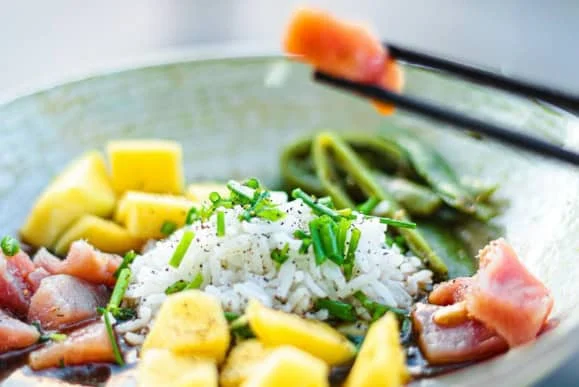
Islands, with their inherent isolation and distinct ecosystems, have long captivated the human imagination. Beyond their picturesque landscapes and unique biodiversity, these geographical enclaves often serve as cradles of distinctive culinary traditions. For the discerning traveler, particularly those with an appetite for authentic gastronomic experiences, islands represent unparalleled opportunities to indulge in local, fresh cuisine that is deeply intertwined with the culture and natural bounty of their surroundings. From the sun-drenched shores of the Caribbean to the remote reaches of the Pacific, a diverse array of island destinations offers exceptional dining experiences that tell a story of history, geography, and human ingenuity. This exploration delves into some of the world’s most compelling island food destinations, highlighting the unique flavors and traditions that make them must-visit locales for any self-respecting "foodie flashpacker."
Caribbean Delights: A Symphony of Spices and Freshness
The Caribbean archipelago is a vibrant tapestry of cultures, a legacy of its complex history shaped by African, Indigenous, and European influences. This rich heritage is profoundly reflected in its cuisine, characterized by bold, complex flavors and an unwavering commitment to fresh, locally sourced ingredients. Dishes like the fiery jerk chicken of Jamaica, the savory conch fritters found across the Bahamas, and the deeply flavorful curry goat prevalent in Barbados are not merely meals; they are culinary ambassadors of the region’s dynamic past.
The foundation of Caribbean cuisine lies in its abundant natural resources. Seafood, naturally, plays a starring role. The morning’s catch often graces dinner plates, expertly prepared with a medley of tropical accompaniments such as fluffy rice and peas or sweet, crispy fried plantains. Destinations like Jamaica and the Turks and Caicos Islands offer an exquisite bounty of ocean-fresh lobster, snapper, and shrimp, prepared using time-honored local techniques that emphasize a masterful blend of aromatic spices and fragrant herbs. This reliance on immediate, local procurement ensures a freshness and quality that is difficult to replicate elsewhere. For instance, a study by the Caribbean Tourism Organization in 2022 indicated that over 65% of surveyed tourists cited local food as a primary driver for their travel decisions, with seafood and indigenous produce being the most sought-after elements. The economic implications of this culinary tourism are significant, with many island economies heavily reliant on the revenue generated by visitors seeking authentic gastronomic experiences. Local fishing communities, in particular, benefit directly from the demand for fresh, high-quality seafood, fostering a sustainable economic cycle.
Mediterranean Islands: The Essence of Simplicity and Abundance
The Mediterranean basin, dotted with islands such as Sicily, Sardinia, and Crete, offers a culinary narrative deeply rooted in the region’s agricultural prowess and its long history of cultural exchange. The cuisine here is a testament to the power of simplicity, highlighting the inherent flavors of high-quality produce, pristine seafood, and the quintessential Mediterranean staples: olives, cheese, and wine. These islands have been crossroads of civilization for millennia, and their food reflects this heritage, incorporating influences from ancient Greeks, Romans, Arabs, and Normans.
Sicilian cuisine, for example, boasts iconic dishes like pasta alla Norma, a celebration of local eggplants and ricotta salata, showcasing the island’s fertile volcanic soil. Sardinia, known for its pastoral traditions, presents hearty meat dishes and its distinctive, robust pecorino cheese. The Greek island of Crete, a cradle of Minoan civilization, offers an array of mezze platters, featuring creamy tzatziki, succulent grilled lamb, and an abundance of seasonal vegetables, all drizzled with the island’s famed olive oil. The philosophy behind Mediterranean island cooking is straightforward: celebrate the earth and the sea through uncomplicated preparation methods that allow the natural flavors of premium ingredients to shine. According to a 2023 report by the Mediterranean Diet Foundation, food tourism in these regions has seen a steady increase of approximately 8% annually, directly contributing to the preservation of traditional farming and fishing practices. The implications extend beyond mere tourism, as the emphasis on fresh, seasonal produce supports local agricultural economies and promotes healthier eating habits globally.
Southeast Asian Islands: A Burst of Tropical Flavors and Aromatic Spices
Islands in Southeast Asia, including Bali, Phuket, and the numerous islands of the Philippines, are renowned for their vibrant culinary landscapes, characterized by an exhilarating fusion of tropical flavors and exotic spices. The culinary traditions here are a rich amalgam, shaped by indigenous palates and the culinary legacies of colonial powers, resulting in dishes that are complex, deeply aromatic, and bursting with life.
Bali’s Babi Guling, or suckling pig, is an unforgettable gastronomic experience. Typically served with steamed rice, a medley of fragrant spices, and shatteringly crispy skin, it embodies the island’s celebratory approach to food. Thailand’s islands offer an unparalleled array of classic dishes. Pad Thai, with its perfect balance of sweet, sour, and savory notes, is a global favorite, while Tom Yum soup, a hot and sour broth infused with lemongrass and chili, offers a refreshing kick. Fresh seafood curries, enriched with creamy coconut milk, are a staple, showcasing the region’s abundant marine life. In the Philippines, adobo, a savory stew of chicken or pork braised in vinegar, soy sauce, garlic, and black peppercorns, is a national treasure. Complementing these hearty dishes are fresh lumpia (spring rolls), typically filled with a flavorful mixture of vegetables and minced meat. A 2022 market analysis by Euromonitor International highlighted that the Southeast Asian food tourism sector is projected to grow by 12% over the next five years, driven by increasing global interest in authentic ethnic cuisines. This growth not only boosts local economies but also encourages the preservation of traditional food preparation techniques and indigenous ingredients.
The Galapagos Islands: Sustainable Dining in an Unspoiled Paradise
While the Galapagos Islands are globally celebrated for their extraordinary landscapes and unique endemic wildlife, they have also emerged as a remarkable destination for conscious and exceptional island dining. The islands’ remote geographical location and a steadfast commitment to sustainable tourism have cultivated a food scene that is both vibrant and environmentally responsible. Here, the emphasis is unequivocally on fresh seafood and ingredients sourced from local, sustainable operations.
A quintessential Galapagos dining experience often involves an "ocean-to-table" approach. Restaurants championing this philosophy serve dishes like succulent lobster, zesty ceviche, and impeccably fresh tuna, often accompanied by breathtaking ocean vistas. The Galapagos National Park Directorate has implemented strict regulations to ensure that all seafood served is responsibly sourced, aligning culinary indulgence with vital conservation efforts. This commitment to sustainability is not merely an ethical choice but a necessity for preserving the delicate ecosystem that makes the Galapagos so unique. For instance, a 2023 study on eco-tourism in the Galapagos found that visitors who engaged with local food initiatives reported a higher satisfaction rate and a deeper connection to the islands’ natural heritage. The economic implications are twofold: supporting local communities through responsible tourism and reinforcing the islands’ global reputation as a leader in conservation. Dining in the Galapagos is thus more than a meal; it is an immersion into a food culture that is inextricably linked to the preservation of biodiversity.
Pacific Islands: A Culinary Journey from Polynesia to New Zealand
The Pacific Islands evoke images of pristine beaches and dramatic natural beauty, but they are also custodians of profound and ancient culinary traditions. From the tropical paradises of Fiji and Tahiti to the diverse landscapes of New Zealand, these islands offer a spectrum of traditional dishes deeply rooted in local customs and centuries-old practices.
In Fiji, Kokoda stands out as a quintessential dish. This raw fish salad, marinated in citrus juices and finished with creamy coconut milk, offers a delightful interplay of fresh, tangy, and rich flavors. Venturing to New Zealand, lamb is a celebrated staple, often slow-cooked to tender perfection. A truly unique experience for any visitor is the traditional Māori hangi. This ancient cooking method involves slow-roasting meat and root vegetables in an underground oven, imparting a distinct smoky flavor and incredibly tender texture.
Across the Pacific, food is more than sustenance; it is a vital element of cultural expression, a way to connect with the land, the sea, and the ancestral heritage. The emphasis on hyper-local ingredients, including fresh seafood, nutrient-rich root vegetables like taro and kumara, and an abundance of tropical fruits, makes dining in the Pacific a flavorful and immersive journey into the heart of island life. A 2021 report by the Pacific Community (SPC) highlighted that traditional food systems in the Pacific are facing challenges from climate change and globalization, but also that there is a growing movement to revitalize and protect these culinary legacies through community-led initiatives and sustainable practices. This effort underscores the intrinsic value of island foodways, not just for tourism, but for cultural survival.
Hawaiian Islands: A Culinary Melting Pot of Global Influences
The Hawaiian Islands present a culinary landscape that is a vibrant testament to the confluence of diverse cultures. Drawing influences from Polynesian voyagers, American settlers, Asian immigrants, and European explorers, Hawaiian cuisine is a unique and eclectic fusion that is distinctly its own. Iconic dishes such as poke bowls and the comforting loco moco exemplify this rich heritage.
Poke, a celebrated raw fish salad, is a prime example, typically seasoned with soy sauce, sesame oil, and often accented with seaweed and other local ingredients. Loco moco, a beloved comfort food, features a bed of rice topped with a hamburger patty, a fried egg, and generously smothered in savory gravy. Hawaiian barbecue is another unmissable culinary experience, offering tender, grilled meats marinated in a signature blend of sweet and savory sauces that capture the essence of island flavors.
The cuisine of Hawaii is a delightful island blend, where traditions from various corners of the globe have harmoniously merged to create something truly unique. Whether one is indulging in a refreshing plate of shave ice or participating in a traditional Hawaiian luau, the food served is a reflection of the islands’ spirit of aloha – a spirit of warmth, welcome, and communal sharing. According to the Hawaii Tourism Authority, food and beverage experiences are a significant draw for visitors, with culinary tours and farm-to-table initiatives seeing substantial growth in recent years, indicating a strong consumer demand for authentic local flavors and sustainable food practices. This trend supports local farmers and food producers, fostering a more resilient and culturally rich food ecosystem.
Conclusion: Island Dining as an Unforgettable Adventure
Island destinations around the globe offer some of the most compelling and memorable culinary experiences available. From the bold, sun-kissed flavors of the Caribbean and the refined simplicity of the Mediterranean to the exotic spice trails of Southeast Asia and the sustainable ethos of the Galapagos, each island presents a unique gastronomic narrative. The Pacific Islands, with their deep-rooted traditions and the vibrant fusion of cultures in Hawaii, further enrich this global tapestry of island cuisine.
Whether one is savoring a bowl of freshly prepared ceviche in the Galapagos, indulging in a plate of authentic pasta in Sicily, or experiencing the smoky depths of a Māori hangi, island dining is an integral and unforgettable component of any travel adventure. The emphasis on fresh, local ingredients, combined with centuries of cultural exchange and unique environmental conditions, results in culinary creations that are not just meals, but profound experiences that connect diners to the very essence of island life. As global travel continues to evolve, the allure of these distinct island foodways remains strong, promising discerning travelers a world of delectable discoveries. Making these island food experiences a priority on any travel itinerary, whether for a luxury escape or a budget backpacking journey, is an investment in a truly special and flavorful adventure. The world’s most exceptional meals are frequently found on these isolated paradises, where nature’s bounty and human creativity converge to produce something extraordinary.


 Anjar Salim
 Chandra Hamzah
 Tatiana Tantri Indah Sari
 Budi Mulyono
 Lukman Taruna Persada Ramadan
