
 Chandra Hamzah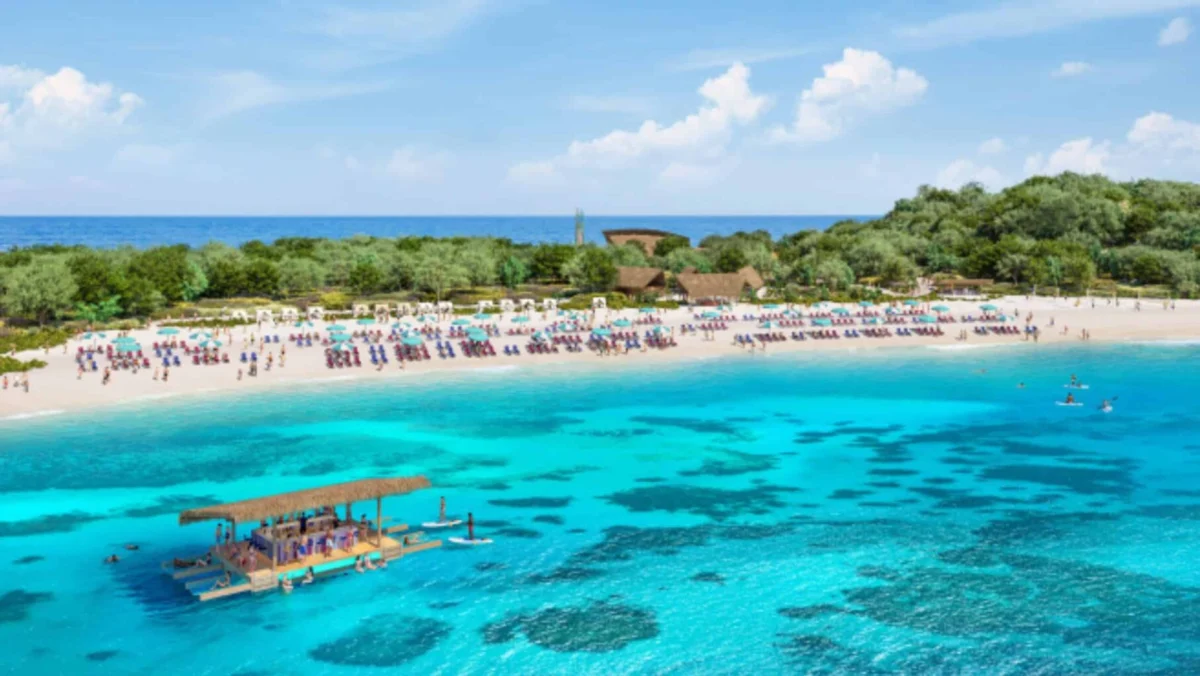
Royal Caribbean is actively engaged in the permitting process for its proposed Royal Beach Club on Lelepa Island, Vanuatu, a development slated to open in October 2027. While the cruise line has released promotional materials and begun accepting bookings, local indigenous community leaders and government officials have raised significant questions regarding the project’s environmental impact assessments and its potential strain on local resources. Despite these concerns, the Vanuatu government has expressed strong support for the initiative, viewing it as a significant endorsement of the nation’s tourism potential.
Project Timeline and Development
The vision for a Royal Caribbean presence on Lelepa Island has been in discussion since 2019. Initially conceived as a more extensive "PerfectDay" private island experience, the project has since been scaled down to a beach club. This strategic adjustment aims to integrate more seamlessly with the local environment and community. The current proposal outlines a development featuring 10 bars, a market, two eateries, a nature trail, two private beach resorts, and an adults-only area. This is a notably more modest footprint compared to Royal Caribbean’s larger private island developments in the Caribbean, such as PerfectDay at CocoCay.

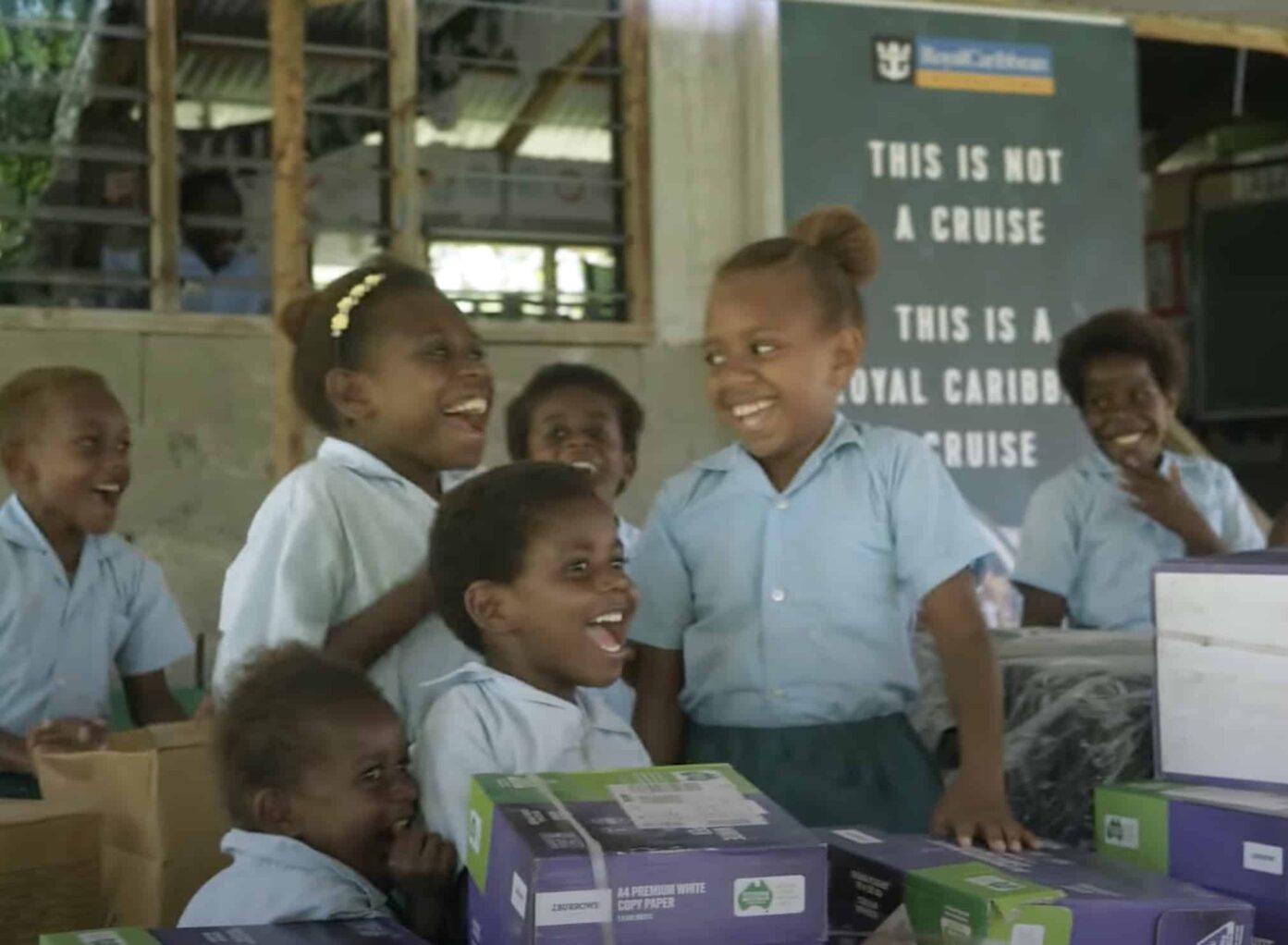
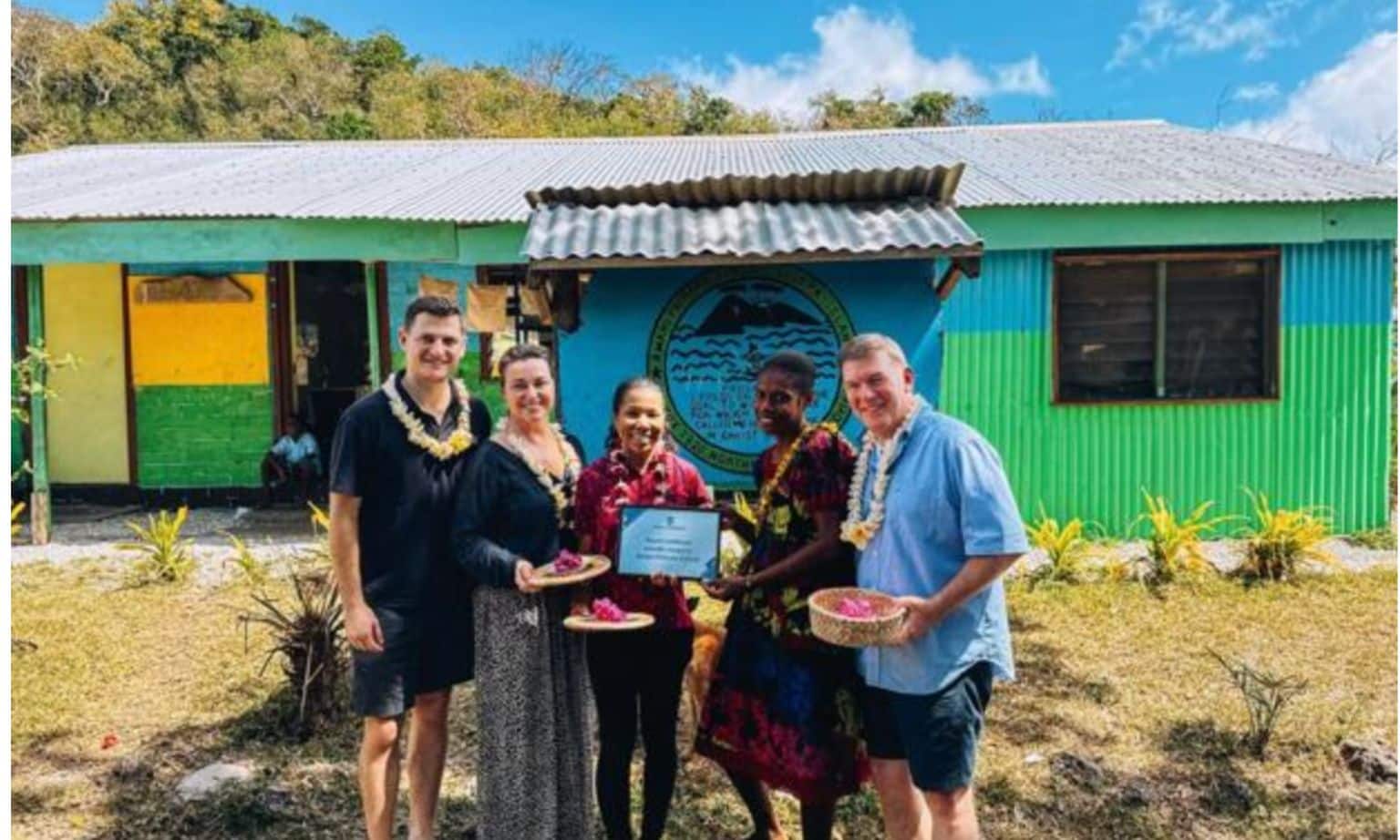
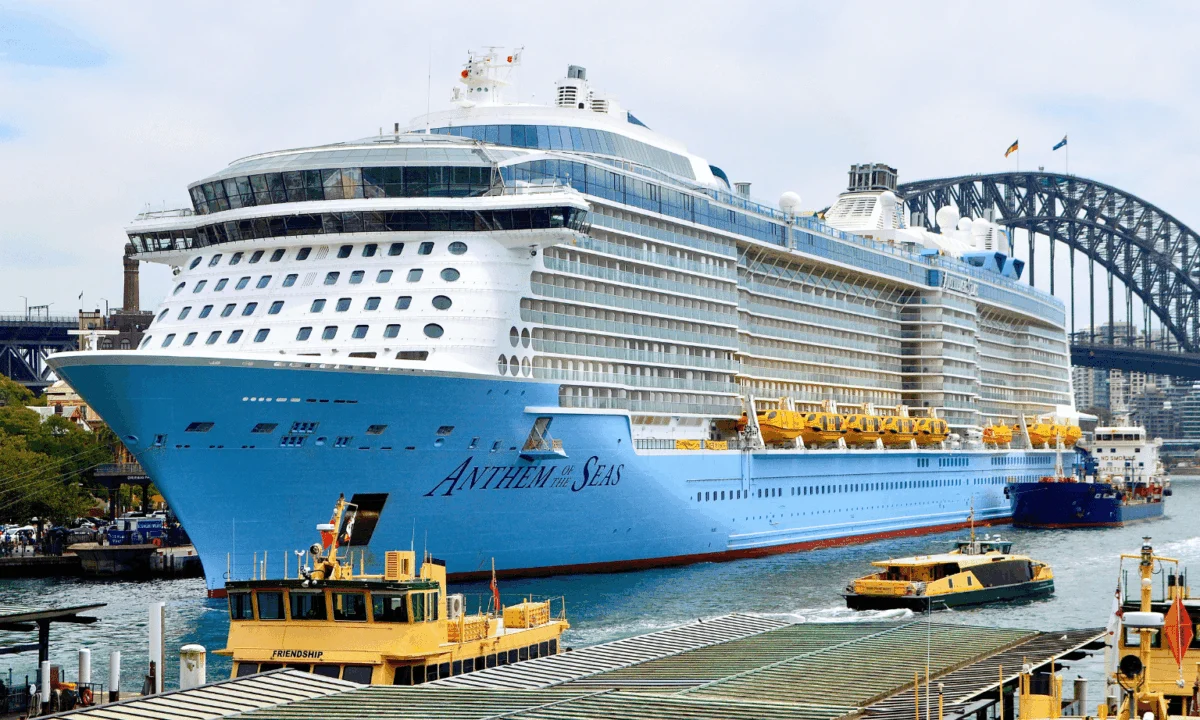
The cruise line has a history of engaging with Lelepa through shore excursions and has participated in charitable initiatives, including partnerships with local schools and communities. These existing relationships are presented as a foundation for the current development. However, the scale of anticipated visitor numbers presents a considerable shift. With the docking of a ship like the Anthem of the Seas, the beach club could accommodate up to 4,800 visitors at a time. Projections indicate over 100,000 visitors are expected to visit the island during its inaugural 2027/28 season, a significant influx for an island with a population of approximately 500 residents.
Environmental Impact and Community Concerns
Central to the ongoing discussions are concerns raised by indigenous community leaders regarding the comprehensiveness and accuracy of the Environmental Impact Statement (EIS). A group identifying as community leaders formally communicated their reservations to Royal Caribbean on February 26, questioning the adequacy of the assessments. These assessments have been described as "incomplete" and "misleading" by some critics, prompting a demand for a more thorough cultural heritage assessment. This assessment is crucial to ensure that the development does not negatively impact significant traditional sites, notably Fels Cave, which holds ancient rock art of considerable cultural importance.
Royal Caribbean, in response, has stated that it is in the process of progressing all necessary permits related to the EIS and is committed to working with the Vanuatu government, chiefs, environmental organizations, and local communities. A spokesperson emphasized the company’s dedication to "ensure the natural environment is protected." The cruise line maintains that consultation is an ongoing process and that all concerns will be carefully considered and addressed in accordance with local planning laws. The company’s engagement with the letter from the community leaders indicates a willingness to study their feedback and potentially engage in further dialogue.
Government Support and Economic Aspirations
The Vanuatu government has publicly declared its strong backing for the Royal Beach Club Lelepa project. Adela Issachar Aru, CEO of the Vanuatu Tourism Office, articulated this support, describing the development as a "powerful endorsement" of Vanuatu’s appeal within the Pacific region. She highlighted the island’s "spectacular beaches and warm, welcoming communities," noting that Lelepa Island embodies these qualities. The Tourism Office expressed pride in Vanuatu being selected for this "landmark project" and anticipates its role in showcasing the nation’s 83 islands to an Australian audience.
This optimistic outlook from the government is underpinned by the potential economic benefits projected from increased tourism. The Vanuatu government has been briefed by Royal Caribbean on the logistical requirements for the influx of visitors. Timothy Tumukon, Director General of the Ministry of Agriculture, Livestock, Forestry, and Biosecurity (MALFB), revealed that Royal Caribbean has provided a detailed list of food supplies and quantities required for when cruise operations commence. This includes specific produce demands in container loads.
Challenges in Resource Management
The detailed food supply list provided by Royal Caribbean has, however, sparked a critical question regarding Vanuatu’s capacity to meet these demands sustainably. Director General Tumukon voiced concerns about the nation’s ability to produce sufficient quantities of essential food items like eggs, chicken, and pork to cater to the projected number of tourists. This raises a significant challenge for local agricultural sectors, which will need to scale up production significantly within a relatively short timeframe to meet the demands of the cruise line’s operations. The question of whether there is "enough time to produce enough eggs, enough chicken, or enough pigs?" underscores the potential strain on local food systems and the need for strategic planning and investment in the agricultural sector.
Broader Implications and Precedents
The development of large-scale tourism infrastructure often presents a complex interplay between economic opportunities and potential environmental and social impacts. Royal Caribbean’s experience in Vanuatu is not unique. Similar projects in other destinations have faced local opposition and calls for greater community involvement. For instance, a planned development by Royal Caribbean at Costa Maya in Mexico has recently encountered protests from local residents, who blocked cruise port entry on days when multiple ships were scheduled to dock. In response to these protests, Royal Caribbean has initiated a road rehabilitation program in the area and increased engagement with the local community, demonstrating a reactive approach to community relations when faced with direct opposition.
The Lelepa Island project, while scaled down from an initial concept, still represents a significant undertaking for a small island nation. The success of this venture will likely depend on the ability of all stakeholders—Royal Caribbean, the Vanuatu government, and the local communities—to navigate environmental concerns, cultural heritage preservation, and resource management effectively. The ongoing consultations and the company’s commitment to addressing concerns in accordance with local laws will be critical in determining the long-term sustainability and acceptance of the Royal Beach Club Lelepa. The project serves as a case study for how major tourism developments can be integrated into island economies while respecting the ecological and cultural fabric of the host communities. The coming years will be crucial in observing how these dialogues and planning processes unfold, shaping the future of Lelepa Island and its relationship with international tourism.

 Anjar Salim
 Dwi Wanna
 Budi Mulyono
 Lukman Taruna Persada Ramadan
 Gabriela Annisa