Anjar Salim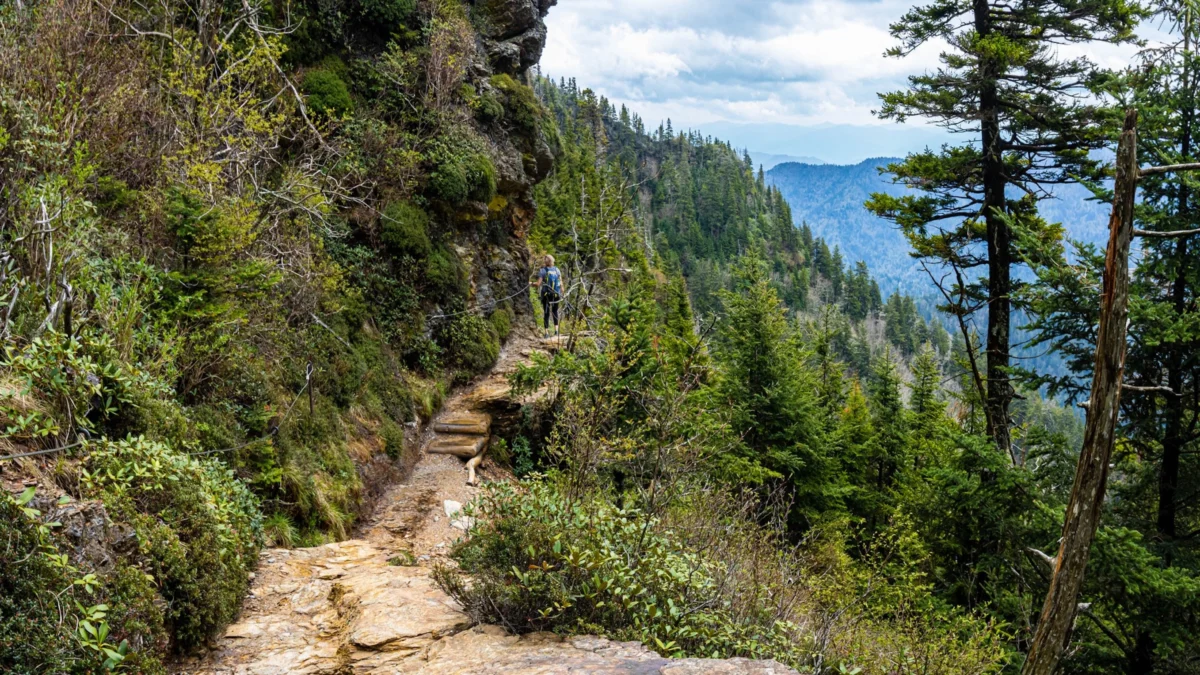
On March 28, 2026, the serene landscape of the Great Smoky Mountains National Park (GSMNP) was marred by tragedy when a 65-year-old hiker plunged 60 feet to her death along the upper reaches of the Alum Cave Trail. The victim, whose identity remains withheld pending the notification of extended family, was reportedly staying at the historic Mount Le Conte Lodge, located near the summit of Tennessee’s third-highest peak. This incident marks the fifth fatality within the park’s borders in the first quarter of 2026, a statistic that has prompted urgent discussions regarding hiker preparedness, the influence of social media on trail traffic, and the deceptively treacherous nature of the Appalachian wilderness.
The Alum Cave Trail is widely regarded as one of the most picturesque routes in the United States. Spanning roughly five miles one-way, it serves as the most direct—and arguably the most demanding—ascent to the 6,593-foot summit of Mount Le Conte. While the trail offers breathtaking vistas and unique geological formations, it also features significant exposure and steep gradients that can prove unforgiving to the inexperienced or the ill-equipped.
Technical Hazards of the Alum Cave Route
The Alum Cave Trail is not merely a walk through the woods; it is a rigorous climb that gains approximately 3,000 feet in elevation. The trail’s middle section is defined by the Alum Cave Bluffs, a massive overhanging cliff of mineral-rich sandstone. According to Vesna Plakanis, owner of the Gatlinburg-based guiding service A Walk in the Woods, the geological composition of the area creates a specific type of hazard.
"Those bluffs are a powdery, mineral-laden sandstone that is constantly eroding," Plakanis noted. "Walking on it is essentially like walking on baby powder. It provides very little traction, especially when combined with the region’s high humidity."
The Great Smoky Mountains function as a temperate rainforest, receiving significant annual rainfall. This leads to a phenomenon known as the "seep," where moisture constantly trickles down the rock faces even on days when there is no active precipitation. The result is a trail surface that remains slick year-round. In the upper sections of the trail, where the path narrows and the drop-offs become more pronounced, the National Park Service (NPS) has installed fixed cables to assist hikers. However, these safety measures are only effective if hikers possess the proper footwear and the physical stamina to maintain their grip during a grueling ascent.
The Gap Between Perception and Reality
The primary challenge facing park officials is the "deceptive" nature of the Smokies. Unlike the rugged, jagged peaks of the Rocky Mountains or the Sierra Nevada, the Appalachian Mountains are characterized by rolling, densely forested hills. This aesthetic often leads visitors to underestimate the physical toll and the environmental risks associated with high-altitude hiking in the Southeast.
Plakanis, who has been guiding in the Smokies since 1998, observes a recurring pattern of under-preparedness among the park’s 12 million annual visitors. "It might be 80 degrees and sunny in Gatlinburg, but at the summit of Mount Le Conte, the conditions can be radically different," she said. Rapid climatic shifts can bring sleet, ice, or freezing rain to the higher elevations in a matter of minutes.
Search and rescue teams frequently encounter hikers starting the Alum Cave Trail in shorts and cotton T-shirts, carrying little to no water, and wearing footwear better suited for a city sidewalk than a rocky mountain path. The popularity of the Alum Cave Bluffs on social media platforms has exacerbated this issue, drawing "destination hikers" who may be more focused on capturing a photograph than navigating the technical realities of the terrain.
A Statistical Overview of Mortality in America’s Busiest Park
The Great Smoky Mountains National Park consistently ranks as the most visited national park in the United States. With high volume comes a statistically higher number of incidents. Data compiled by the National Park Service between 2010 and 2020 shows that more than 100 individuals lost their lives within the park.
However, the mortality data in GSMNP is unique compared to other parks. Because the park does not charge an entrance fee and is bisected by several major arterial highways, such as Newfound Gap Road (U.S. 441), it sees a massive amount of commuter and tourist vehicle traffic. NPS mortality data from 2014 to 2019 indicates that out of 65 recorded deaths, 25 were the result of motor vehicle accidents. This distinguishes the Smokies from parks like Yosemite or the Grand Canyon, where falls and environmental exposure are the primary drivers of mortality.
Nevertheless, the recent death on March 28 underscores a rising trend in hiking-related fatalities. As more people seek outdoor recreation, the density of hikers on "bucket list" trails like Alum Cave increases the probability of accidents, particularly in areas where the trail is narrow and the margin for error is slim.
Chronology of a Chaotic Week in the Smokies
The fatal fall on March 28 occurred during a period of intense operational strain for GSMNP rangers and emergency personnel. The final week of March 2026 saw a convergence of natural disasters and accidents that stretched the park’s resources to their limit.
- March 22, 2026: The Rabbit Creek Fire is ignited, likely due to a lightning strike in a remote section of the park.
- March 25, 2026: A second wildfire, the Fox Gap Fire, is reported. By April 1, these two fires combined have scorched over 150 acres of forest, requiring the deployment of specialized wildland firefighting crews.
- March 27, 2026: A significant rockslide occurs on a major roadway within the park. A married couple traveling in their vehicle was struck by falling debris and subsequently hospitalized. The incident forced the closure of an eight-mile stretch of road for emergency repairs and geological stabilization.
- March 28, 2026: The fatal fall on the Alum Cave Trail occurs. Search and rescue teams were dispatched to the steep upper reaches of the trail, but the victim was pronounced dead at the scene due to the severity of the trauma sustained in the 60-foot drop.
This sequence of events highlights the volatility of the Appalachian ecosystem and the logistical hurdles faced by the National Park Service when managing a multi-front crisis.
Analysis of Implications for Park Management
The recent tragedy is likely to reignite debates regarding trail access and visitor education. As social media continues to drive traffic to specific "iconic" locations, park management may need to consider more aggressive intervention strategies.
One potential avenue is the implementation of a permit system for high-traffic, high-risk trails like Alum Cave. While the park is mandated to remain free of entrance fees due to historical deeds, it has already introduced "parking tags" to fund maintenance. A permit system for specific trails could serve two purposes: limiting the number of people in "bottleneck" areas and providing a platform to ensure hikers receive essential safety briefings before they begin their ascent.
Furthermore, the role of Mount Le Conte Lodge—the highest guest lodge in the Eastern U.S.—is central to the Alum Cave narrative. The lodge is a "bucket list" destination that requires a minimum five-mile hike to reach. For some guests, the hike is not a recreational choice but a logistical necessity to reach their accommodations. This can lead to individuals pushing past their physical limits or attempting the hike in deteriorating weather conditions to avoid forfeiting a rare and expensive reservation.
Conclusion and Safety Recommendations
The death of the 65-year-old hiker on the Alum Cave Trail serves as a somber reminder that the Great Smoky Mountains, while beautiful, are a wilderness area with inherent risks. The "deceptively deadly" nature of the park stems from a combination of high visitor volume, extreme climatic variance, and a rugged landscape that does not always look as dangerous as it is.
For those planning to visit the Smokies, veteran guides and park officials emphasize several key safety protocols:
- Footwear: High-traction hiking boots with ankle support are essential for the "baby powder" sandstone and "seep" conditions of Alum Cave.
- Layers: Hikers should carry synthetic or wool layers, even in summer, to account for the 10-to-20-degree temperature difference between the base and the summit.
- Hydration and Nutrition: The 3,000-foot gain on the Alum Cave Trail requires significant caloric intake and water, which many casual hikers fail to carry.
- Situational Awareness: On exposed sections of the trail, hikers should utilize the fixed cables and maintain a "three points of contact" rule when navigating slick rock.
As the National Park Service continues to manage the ongoing wildfires and road repairs, the focus remains on balancing public access with the paramount need for visitor safety. The events of late March 2026 will undoubtedly be analyzed by park planners as they look for ways to mitigate the risks inherent in America’s most-visited natural treasure.



 Budi Mulyono
 Lukman Taruna Persada Ramadan
 Chandra Hamzah
 Gabriela Annisa
 Tatiana Tantri Indah Sari