
 Diana Nuri Rohmawati
The global travel accessory market, valued at approximately $16 billion in 2023, is projected to expand at a compound annual growth rate (CAGR) of 6.4% through 2030, driven by a fundamental shift in consumer behavior toward minimalist and high-utility equipment. As international tourism nears full recovery to pre-pandemic levels—with the UN Tourism (UNWTO) reporting that international arrivals reached 97% of 2019 levels in the first quarter of 2024—the demand for specialized gear that facilitates cheaper, safer, and more efficient travel has reached a record high. The modern traveler is no longer defined merely by the destination but by the strategic selection of tools that enable "bleisure" travel, long-term nomadism, and sustainable exploration.

The Security and Logistical Foundation of Modern Travel
The bedrock of any travel strategy remains the security of personal effects, particularly in the burgeoning hostel and shared-accommodation sector. Industry data suggests that while high-end hotels offer integrated security, the budget travel market relies heavily on individual responsibility. A standard travel lock remains a primary requirement for the estimated 30 million travelers who utilize hostels annually. By utilizing personal locks rather than renting from facilities, travelers mitigate long-term costs and ensure a standardized level of security for their belongings.

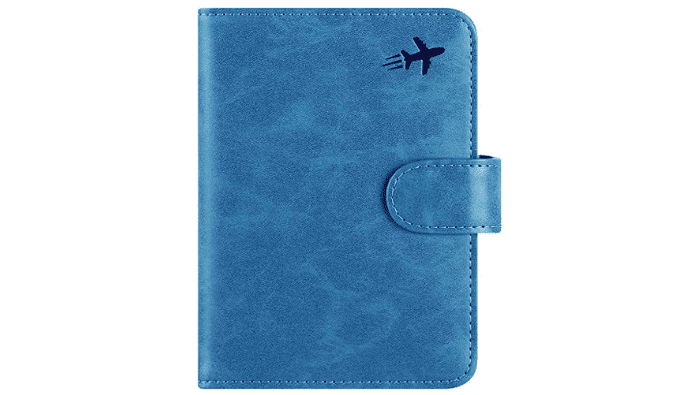
Parallel to physical security is the protection of identity and financial assets. The passport holder has evolved from a simple aesthetic accessory to a logistical necessity. Modern iterations frequently incorporate RFID-blocking technology to prevent digital theft, while serving as a centralized hub for travel credit cards and emergency currency. Financial analysts note that the rise of travel-specific credit cards, which offer points for flights and accommodation, has increased the number of physical cards a traveler must manage, further justifying the use of organized passport wallets.

For those navigating the European continent, the introduction of the HostelPass represents a significant shift in the subscription-based travel economy. Offering discounts across 40 cities and 15 countries, this digital asset reflects a broader trend of "travel club" memberships that prioritize long-term savings for the backpacker demographic.
Technological Integration and the Digital Nomad Infrastructure
As the boundary between work and leisure continues to blur, the hardware requirements for travelers have become increasingly sophisticated. The MacBook Air, specifically versions utilizing the M4 silicon architecture, has emerged as the industry standard for mobile productivity due to its balance of power-to-weight ratio and extended battery longevity. Market reports indicate that the "Digital Nomad" population has grown to over 35 million globally, necessitating devices that can handle video rendering and multi-tasking without the bulk of traditional workstations.
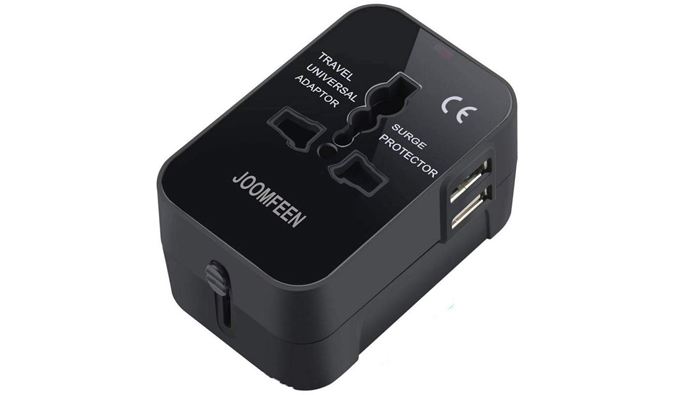
Complementing this mobile infrastructure are high-capacity external batteries. Brands like Anker have dominated this space by offering high-output USB ports capable of multiple full charges for smartphones and tablets. This is critical in an era where digital boarding passes, GPS navigation, and translation apps are essential for transit.
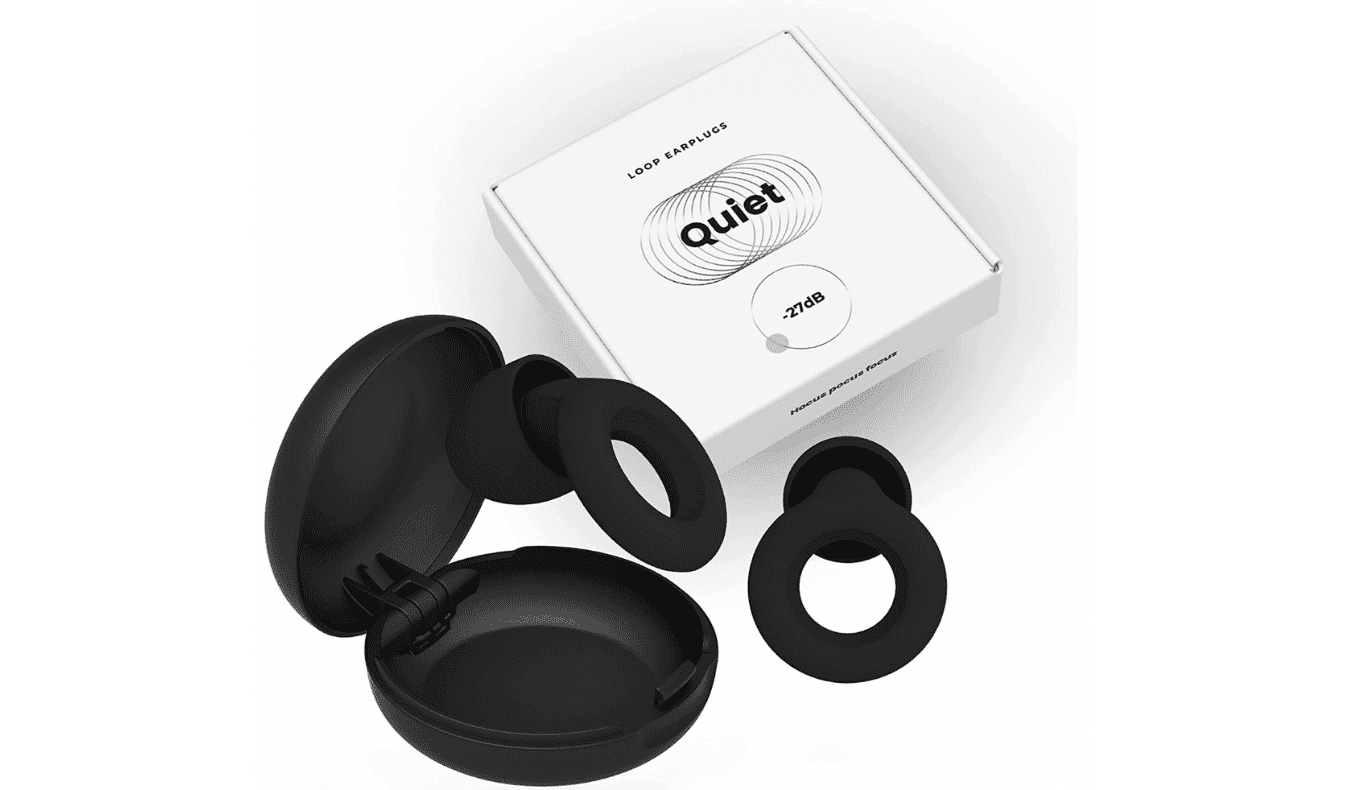
Furthermore, the audiovisual experience of travel has been transformed by noise-canceling technology. The Bose QuietComfort series remains a benchmark for mitigating the auditory stress of long-haul flights and high-decibel urban environments. Scientific studies on travel fatigue suggest that reducing ambient noise can significantly lower cortisol levels and improve the quality of rest during transit. For those seeking more compact solutions, Loop Earplugs have gained market share by offering high-fidelity noise reduction that remains comfortable for sleep in communal environments.
Health, Hygiene, and the Science of Transit Wellness
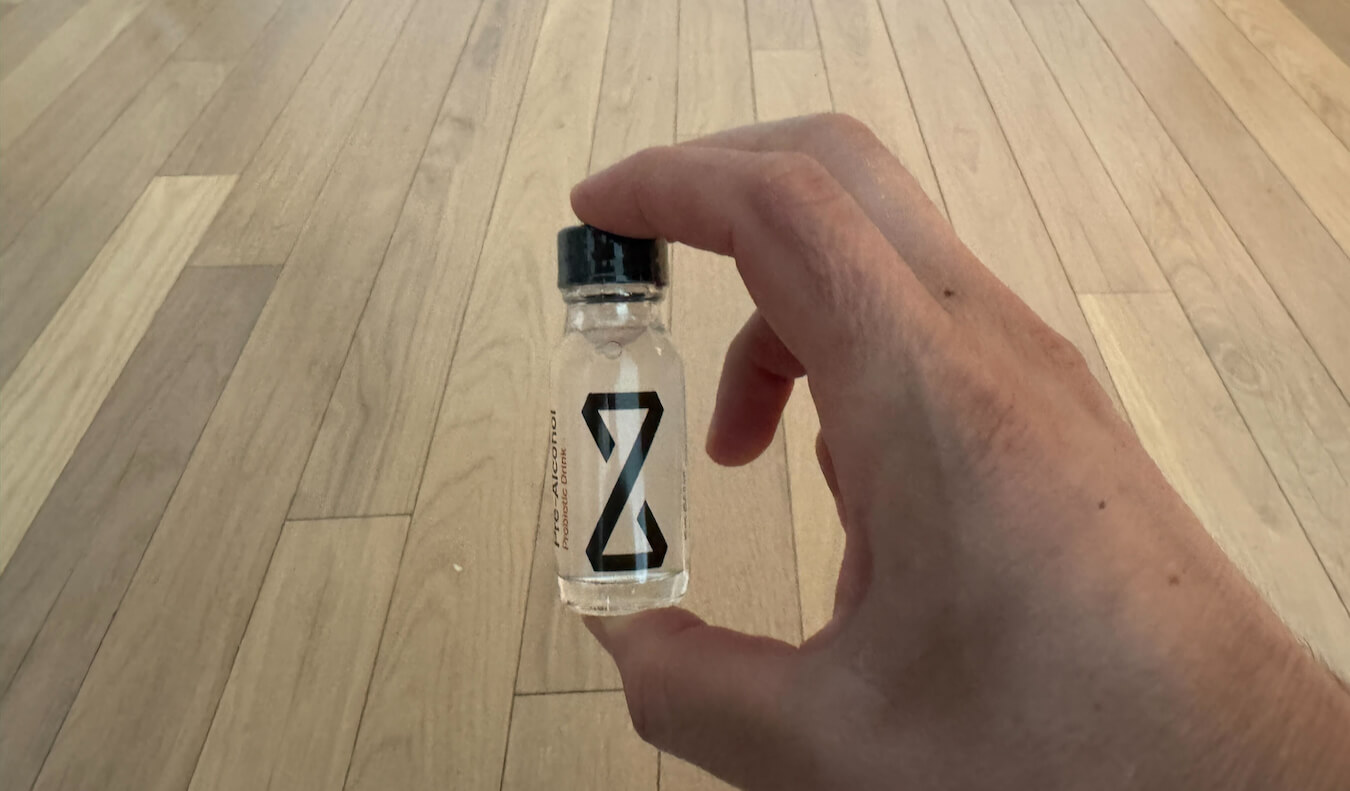
The wellness sector within the travel industry has seen a pivot toward preventative and minimalist solutions. Zbiotics Pre-Alcohol Probiotic represents a new frontier in bio-engineered travel supplements. By utilizing a genetically engineered strain of B. subtilis to break down acetaldehyde—the toxic byproduct of alcohol—this product addresses a common pain point for social travelers and business professionals alike.
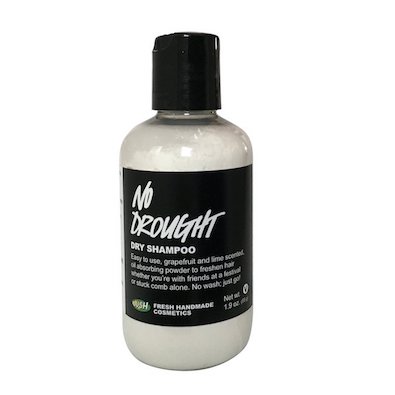
In the realm of hygiene, the transition to liquid-free alternatives has been accelerated by TSA regulations and environmental concerns. Dry shampoo, popularized by retailers like Lush, offers a minimalist solution for carry-on-only travelers, eliminating the risk of leaks and reducing plastic waste. Similarly, the adoption of menstrual cups reflects a broader movement toward eco-friendly and cost-effective feminine hygiene, particularly in regions where traditional products may be scarce or expensive.
Sleep hygiene remains a primary concern for transcontinental travelers. The Trtl Travel Pillow, which utilizes an internal neck support system rather than traditional foam or air inflation, has disrupted the market by providing a scientifically backed method to prevent neck strain and facilitate upright sleep. This is complemented by the use of travel headlamps, which serve a dual purpose: providing non-disruptive lighting in shared hostel dormitories and ensuring safety during nocturnal outdoor activities or emergency power outages.
Sustainability and Environmental Stewardship in Travel Gear
Environmental impact has become a decisive factor in product selection for the 21st-century traveler. The LifeStraw water filter is a cornerstone of this movement. By allowing travelers to safely consume water from local taps or natural sources, the device directly combats the proliferation of single-use plastic bottles, which are a major source of pollution in developing tourism markets.
Clothing technology has also seen significant advancements with the rise of Merino wool brands such as Unbound Merino. The biological properties of Merino wool—including natural odor resistance, moisture-wicking, and thermal regulation—allow travelers to pack fewer items and reduce the frequency of laundry cycles. This "capsule wardrobe" approach is essential for the growing number of travelers opting for "one-bag" travel to avoid checked luggage fees and increase mobility.
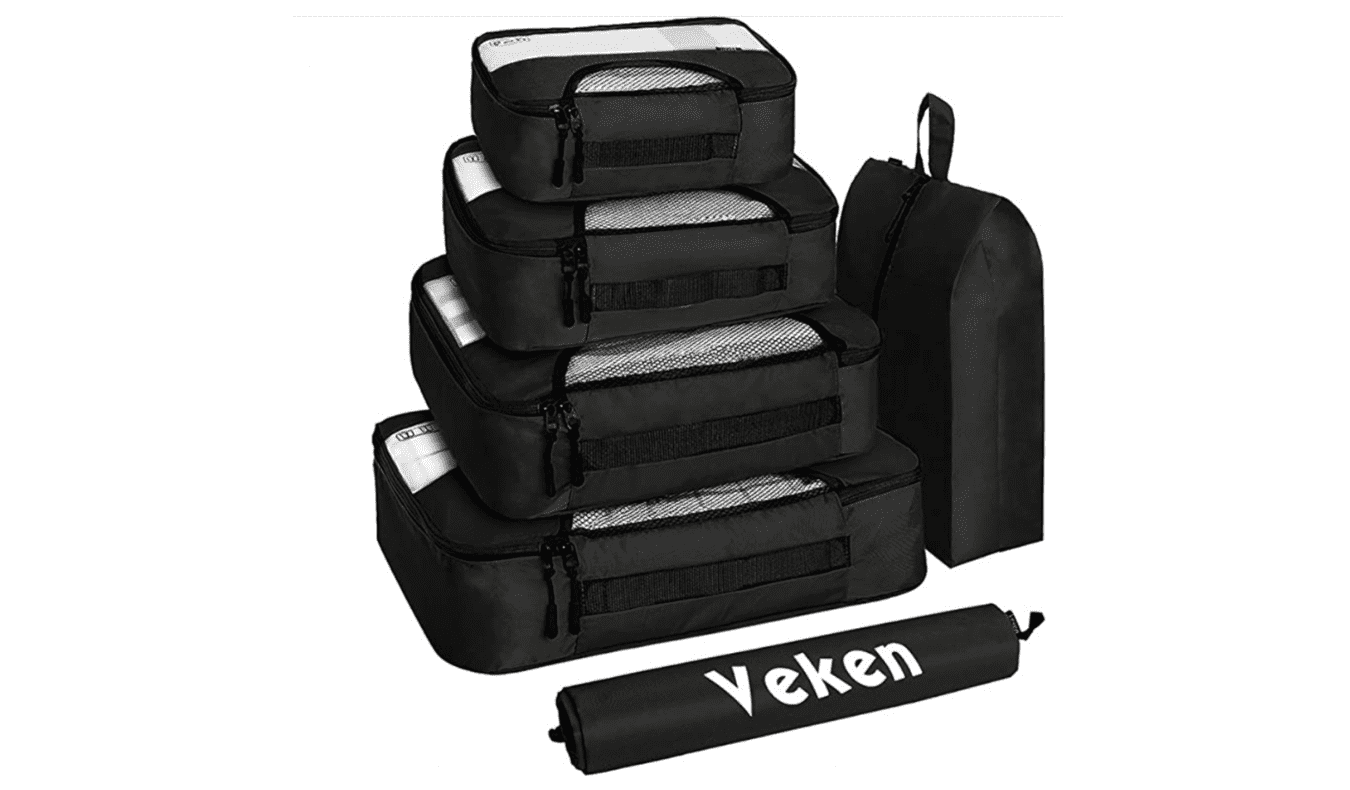
For equipment management, packing cubes have become the standard for organizational efficiency. By compressing clothing and categorizing gear, these tools allow for maximum utilization of space in backpacks like the REI Flash 55 or Osprey Farpoint series. This organizational strategy is not merely for convenience; it allows for more rapid security screenings and more efficient transitions between destinations.
Educational Resources and Cultural Navigation
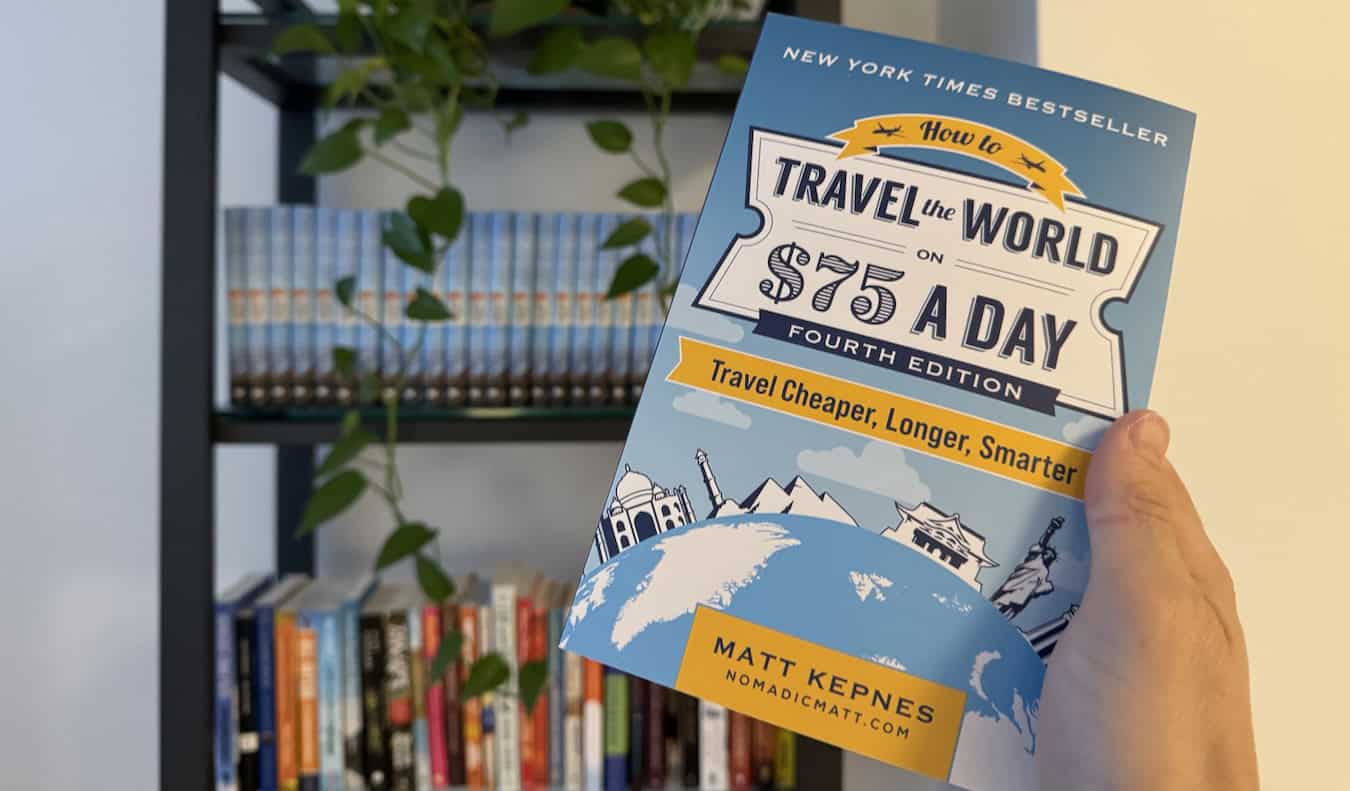
Knowledge remains the most valuable asset for any traveler. The enduring popularity of "How to Travel the World on $75 a Day" by Matt Kepnes underscores the demand for structured, fact-based guidance in navigating the complexities of global travel. Such resources provide a roadmap for financial sustainability, offering strategies for flight hacking, accommodation arbitrage, and local integration.

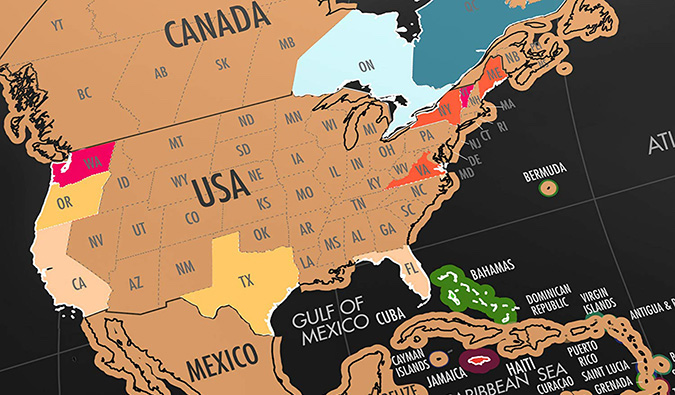
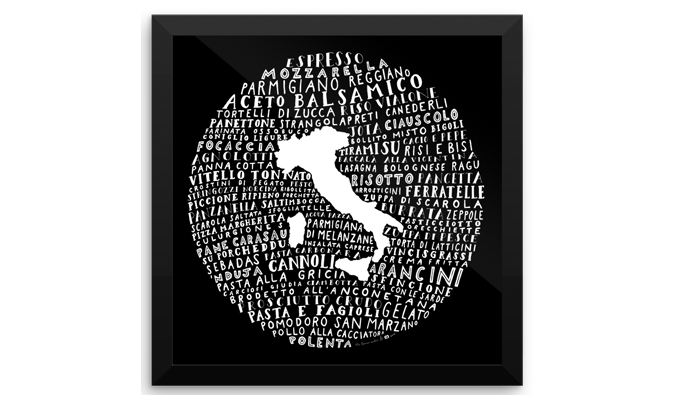
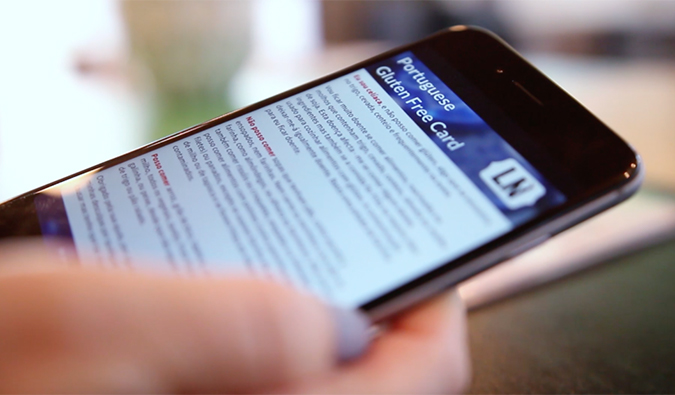
Cultural and dietary navigation has also been simplified through specialized tools. Legal Nomads’ Celiac Travel Cards are a prime example of targeted logistical support, providing accurate translations of medical dietary requirements to ensure safety in foreign culinary environments. Similarly, hand-drawn food maps and scratch-off travel maps serve as both educational tools and celebratory records of a traveler’s trajectory, fostering a deeper engagement with the geography and gastronomy of the regions visited.

Economic Impact and Industry Outlook
The transition toward high-quality, durable travel gear reflects a "buy it once" philosophy that is gaining traction among millennials and Gen Z travelers. While the initial investment in items like a GoPro Hero 12 or high-end noise-canceling headphones may be substantial, the long-term value proposition lies in their durability and multi-functional use.
Industry analysts predict that the next five years will see further integration of "smart" technology into basic travel gear, including GPS-tracked luggage and solar-integrated backpacks. However, the core essentials—security, comfort, and hydration—will remain the priorities for the global nomadic community. As travel becomes more accessible to a wider demographic, the role of the travel gear market will be to provide the infrastructure that makes global exploration not just possible, but sustainable and safe.

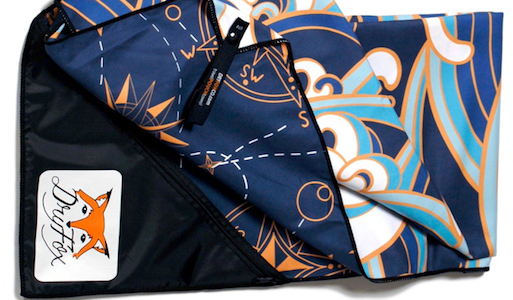
In conclusion, the modern travel gift market is moving away from novelty items toward high-performance tools. Whether it is a quick-dry DryFox towel for the minimalist backpacker or a Kindle for the long-haul reader, each item in the modern traveler’s kit serves a specific logistical purpose. As international travel continues its upward trajectory, the synergy between technology, sustainability, and personal well-being will continue to define the evolution of the gear that carries the world’s explorers across borders.




 Anjar Salim
 Chandra Hamzah
 Tatiana Tantri Indah Sari
 Budi Mulyono

