Susilo Edi Turonggo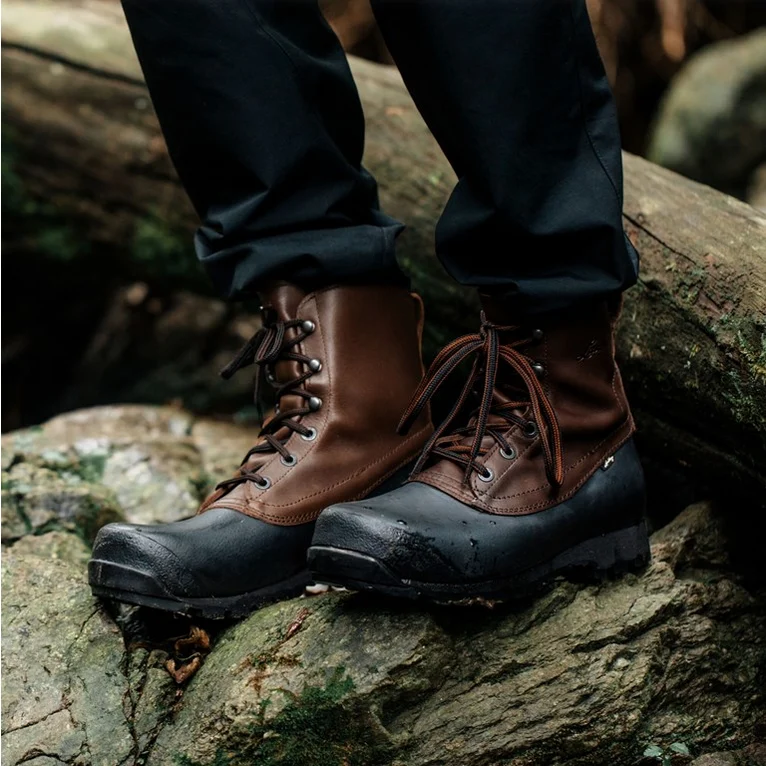
As winter approaches and outdoor activities beckon, the choice of appropriate footwear becomes paramount, not only for personal comfort and safety but also for environmental stewardship. The demand for durable, weather-resistant winter boots that are free from harmful chemicals has surged, reflecting a growing global consciousness regarding sustainable fashion and public health. This article delves into the critical importance of selecting winter boots designed for longevity, performance, and environmental safety, with a particular focus on the pervasive issue of per- and poly-fluoroalkyl substances (PFAS) and the industry’s evolving response.
The Shadow of "Forever Chemicals": Understanding PFAS
Per- and poly-fluoroalkyl substances (PFAS) represent a family of over 12,000 synthetic chemicals that have been widely used across various industries since the 1940s. Their unique properties, including resistance to water, oil, stains, and heat, made them highly attractive for applications ranging from non-stick cookware and food packaging to fire-fighting foams and, crucially, textiles and footwear. In the context of winter boots and outdoor gear, PFAS are often employed as Durable Water Repellent (DWR) finishes, designed to keep moisture out while maintaining breathability. These chemicals create a protective barrier that repels water droplets, preventing them from saturating the material.
The term "forever chemicals" is not hyperbole; it refers to the extraordinary persistence of PFAS in the environment. Characterized by incredibly strong carbon-fluorine bonds, these substances do not degrade naturally in the environment over time, or do so at an extremely slow rate. Once released, they can persist for hundreds or even thousands of years, contaminating soil, air, and water resources. Scientific studies, such as those conducted by the U.S. Environmental Protection Agency (EPA) and the U.S. Geological Survey (USGS), have revealed widespread PFAS contamination, with detectable levels found in rainwater, groundwater, and even public drinking water systems across continents. A 2023 USGS study, for instance, indicated that at least 45% of the nation’s tap water samples contain one or more PFAS, underscoring the ubiquity of these contaminants.
Health and Environmental Repercussions of PFAS Exposure
The environmental persistence of PFAS is directly linked to their bioaccumulation in living organisms and their potential for adverse health effects. As PFAS leach from products, manufacturing sites, and wastewater into ecosystems, they enter the food chain, accumulating in plants, animals, and eventually humans. Exposure to PFAS can occur through contaminated drinking water, food, air, and even direct contact with products containing these chemicals.
Numerous studies by health organizations, including the Agency for Toxic Substances and Disease Registry (ATSDR) and the Centers for Disease Control and Prevention (CDC), have linked PFAS exposure to a range of serious health issues. These include, but are not limited to:
- Increased risk of certain cancers: Kidney and testicular cancer have shown associations with elevated PFAS levels.
- Reproductive and developmental problems: Reduced fertility, pre-eclampsia, and developmental delays in children have been observed.
- Immune system dysfunction: Decreased antibody response to vaccines and increased susceptibility to infections.
- Thyroid hormone disruption: Interference with thyroid function, essential for metabolism and growth.
- Liver damage and increased cholesterol levels.
For consumers, the shedding of PFAS from waterproof boots is a direct pathway for these chemicals to enter the home environment, adding to indoor air and dust contamination. When these chemicals flake off outdoors, they contribute directly to the global environmental burden, affecting local ecosystems and potentially distant populations through water cycles. The urgency to eliminate PFAS from consumer products is therefore a dual imperative: protecting human health and preserving ecological integrity.
The Industry’s Evolving Response: A Shift Towards Safer Alternatives
The growing body of scientific evidence on PFAS hazards has prompted a significant shift in regulatory landscapes and corporate practices. Governments worldwide, particularly in Europe and North America, are implementing stricter regulations, outright bans, or voluntary phase-outs of certain PFAS compounds. This regulatory pressure, coupled with increasing consumer awareness and demand for safer products, has compelled manufacturers to innovate and adopt PFAS-free solutions.
The outdoor and footwear industries, historically reliant on PFAS for high-performance waterproofing, have been at the forefront of this transition. Developing effective PFAS-free DWRs has presented technical challenges, as alternatives must match the performance of legacy fluorinated chemicals without compromising durability or breathability. However, significant progress has been made. Brands are now utilizing a range of non-fluorinated DWR treatments, often based on paraffin waxes, silicones, or dendrimers. Furthermore, advancements in membrane technology, such as recycled polyester or polyurethane membranes, offer robust waterproofing without relying on PFAS. This concerted effort signals a pivotal moment in the industry, moving towards a future where high-performance gear does not come at the cost of environmental or public health.
Defining Sustainable Winter Boots: Beyond PFAS-Free
While eliminating PFAS is a crucial step, true sustainability in winter footwear encompasses a broader set of criteria. Consumers seeking genuinely eco-conscious options should consider the entire lifecycle of a product, from raw material sourcing to end-of-life management.
1. Safe & Sustainable Materials: The Foundation of Responsible Footwear
The materials used in winter boots play a fundamental role in their overall environmental footprint.
- Leather: For naturally water-resistant boots, leather remains a popular choice. However, conventional leather production can be resource-intensive and involve hazardous chemicals. Consumers should prioritize leather certified by the Leather Working Group (LWG). LWG-certified tanneries adhere to strict environmental standards, including responsible water and energy usage, and rigorous chemical management protocols, minimizing pollution and promoting safer working conditions.
- Recycled Materials: The incorporation of recycled content, such as recycled polyester for insulation or membranes, significantly reduces the demand for virgin resources and diverts waste from landfills. Look for certifications like the Global Recycled Standard (GRS), which verifies the recycled content of products and ensures responsible social, environmental, and chemical practices in their production.
- Bio-based Alternatives: For vegan options, the market is evolving beyond conventional plastic-based vegan leathers (often polyurethane or PVC). Newer innovations include bio-based materials derived from corn, apple waste, or mushrooms, offering more sustainable alternatives with a lower petrochemical footprint.
- Chemical Management: Beyond PFAS, many chemicals used in manufacturing can be harmful. Certifications like bluesign® or adherence to a Restricted Substances List (RSL) indicate a brand’s commitment to eliminating hazardous chemicals throughout its supply chain, from dyes to finishes, ensuring cleaner production and safer products for both workers and consumers.
2. Transparent Supply Chain: Ensuring Ethical Production
A truly sustainable product extends its ethical considerations to the people who make it. Transparency in the supply chain means a brand understands and discloses where its materials come from and how its products are manufactured.
- Fair Labor Practices: Look for brands that partner with organizations like the Fair Wear Foundation (FWF), which works to improve labor conditions in the garment industry, ensuring fair wages, safe workplaces, and the absence of forced or child labor.
- Factory Audits and Codes of Conduct: Brands committed to ethical production often share their factory locations, conduct regular independent audits of their Tier 1 (assembly) and Tier 2 (components) suppliers, and uphold a comprehensive code of conduct that mandates adherence to international labor standards and environmental regulations. This level of oversight helps to prevent exploitation and promote worker well-being.
3. After-Market Repair and Longevity: The Circularity Imperative
The most sustainable product is often the one that lasts the longest. Designing for durability and supporting product longevity are critical aspects of a circular economy.
- Durability and Quality: High-quality craftsmanship and robust materials are foundational to boots that withstand years of use in harsh winter conditions.
- Repair Services: Brands dedicated to sustainability often offer after-market repair services, replacement parts (e.g., laces, insoles, outsoles), or provide comprehensive guides for at-home repairs. This commitment extends the lifespan of the product, reducing the need for premature replacement and minimizing waste. Some brands even offer full-service repair shops, reflecting a true dedication to circularity.
Leading the Charge: Brands Paving the Way for PFAS-Free Winter Boots
Several brands have emerged as leaders in the sustainable footwear space, offering high-performance winter boots that meet stringent environmental and ethical criteria, with a strong emphasis on being PFAS-free.
1. Keen
What We Love: Keen, a trailblazer in outdoor footwear, holds the distinction of being the first outdoor brand to successfully eliminate PFAS from its entire product line, a monumental achievement that it openly shared with the industry to inspire broader adoption. This commitment extends to their range of winter boots, which are waterproofed using proprietary PFAS-free Durable Water Repellant technologies. Keen’s dedication to sustainable sourcing is evident in its exclusive partnership with Leather Working Group (LWG)-certified tanneries for all its leather components, ensuring responsible processing. The brand also maintains a robust Restricted Substances List (RSL) to manage chemical inputs throughout its supply chain. Furthermore, Keen exercises direct control over a significant portion of its production, with at least one in three pairs of shoes manufactured in its own facilities. It rigorously audits its Tier 1 and Tier 2 suppliers to ensure adherence to its comprehensive code of conduct, covering labor practices, environmental standards, and ethical sourcing. Keen’s innovative spirit and transparent approach make it a benchmark for sustainable outdoor gear.
Price Range: $115-$250
Available In: The U.S. Some products may be available to ship to China, Australia, and most European and Asian countries through its partner dealers.
2. Jack Wolfskin
What We Love: Jack Wolfskin, a prominent European outdoor brand, has established itself as a leader in PFAS-free innovation. The brand is renowned for its commitment to developing innovative, earth-conscious gear built for enduring performance. Most of its winter boots feature Texapore technology, a custom-engineered, PFAS-free membrane system that provides exceptional water and wind resistance while maintaining breathability. Jack Wolfskin takes supply chain transparency seriously, openly listing all its manufacturing partners. Crucially, all these partners are either bluesign®-approved – signifying the highest standards in chemical management and environmental performance – or have independently verified that they do not use hazardous substances in their processes. The brand further ensures ethical production by regularly dispatching independent inspectors to its facilities, verifying safe and fair working conditions that comply with international labor standards. This comprehensive approach to sustainability makes Jack Wolfskin a reliable choice for discerning consumers.
Price Range: $120-$230
Available In: Most European Countries.
3. Lundhags
What We Love: With a heritage dating back to 1932, Lundhags is a venerable Swedish outdoor brand celebrated for its robust, long-lasting leather boots designed for the Scandinavian wilderness. Manufacturing its leather boots in Europe, Lundhags maintains a commendably short supply chain, sourcing its high-quality leather from a specialized German tannery that adheres to stringent environmental standards. Their diverse selection includes shell boots, one-layer, and three-layer constructions, each engineered for specific performance needs, from lightweight agility to extreme cold protection. Lundhags champions product longevity through its dedicated after-market repair shop, where skilled shoemakers can extend the life of worn-out gear, significantly reducing waste. The brand’s commitment to ethical labor practices is governed by the Brav code of conduct, which regulates factory working conditions and ensures fair treatment of workers. This blend of traditional craftsmanship, material integrity, and circular economy principles distinguishes Lundhags in the sustainable footwear market.
Price Range: $217-$597
Available In: Most European countries.
4. Vaude
What We Love: Vaude, a German outdoor brand renowned for its comprehensive sustainability efforts, offers winter boots constructed with a high-performance, PFAS-free recycled polyester membrane, ensuring both water and wind resistance. The brand prioritizes local sourcing where feasible, obtaining its leather uppers from a tannery located in Germany, which minimizes transport emissions and supports regional economies. Vaude exemplifies supply chain transparency, providing detailed information on where each boot was made directly on its product pages. Beyond initial purchase, Vaude actively supports product longevity and circularity. It offers readily available and affordable replacement parts, enabling consumers to easily repair minor wear and tear. For more significant damage, the brand provides comprehensive full-service repair options, underlining its dedication to extending the lifespan of its products and reducing environmental impact.
Price Range: $200-$263
Available In: Canada and most European countries. (Not available in the U.S.)
5. Forsake
What We Love: Forsake specializes in stylish yet functional waterproof boots, bridging the gap between urban aesthetics and outdoor performance. The brand sources its leather from Leather Working Group (LWG)-certified tanneries, ensuring that the materials are processed with reduced environmental impact and responsible chemical management. Forsake’s parent group enforces a robust code of conduct for all its suppliers, outlining strict requirements for labor practices, environmental protection, and ethical business conduct. Regular independent audits are conducted across its supply chain to ensure consistent compliance with these standards. Forsake offers a versatile range of styles, from sneaker-boots suitable for everyday wear to more rugged, heeled hiking boots, all designed with waterproof capabilities.
Watch Out For: While Forsake demonstrates strong commitments in many areas, the specific sourcing and composition of its memory foam insoles remain unclear. Memory foam is typically a petroleum-based product, and transparency regarding its origins, potential chemical additives, and end-of-life considerations is important for a holistic sustainability assessment.
Price Range: $145-$160
Available In: The U.S.
6. EcoAlf
What We Love: EcoAlf is a certified B-Corp, signifying its commitment to meeting rigorous standards of social and environmental performance, accountability, and transparency. The brand is a pioneer in sustainable fashion, particularly known for transforming waste into high-quality products. Its vegan, PFAS-free winter boots are crafted from Global Recycled Standard (GRS)-certified recycled polyester and a combination of new and recycled rubber, dramatically reducing reliance on virgin materials. EcoAlf demonstrates a commendable commitment to supply chain traceability, tracking its materials and production processes down to Tier 3 suppliers. This deep level of insight allows the brand to monitor and influence environmental and social practices far beyond final assembly.
Watch Out For: While EcoAlf excels in tracing its supply chain to Tier 3, a minor area for improvement lies in providing more explicit details about the raw material sourcing itself. Understanding the specific origins and processing methods of the initial waste streams (e.g., ocean plastic, post-consumer textile waste) would further enhance transparency and consumer confidence in the brand’s circular economy claims.
Price Range: $145-$299
Available In: The U.S., most South American countries, most European countries, and most Asian countries.
7. Will’s Vegan Store
What We Love: Will’s Vegan Store is a dedicated ethical vegan footwear brand, with its products meticulously crafted in Italy and Portugal, renowned for their shoemaking expertise. The brand prioritizes sustainable materials, utilizing bio-based leathers derived from plant sources and recycled polyester for insulation, moving beyond conventional synthetic materials where possible. Will’s Vegan Store is committed to tracing every step of its production process, ensuring that ethical labor practices and environmental standards are upheld throughout its supply chain. Many of its waterproof footwear options are specifically engineered with PFAS-free uppers, providing a safer alternative for consumers seeking vegan and eco-conscious choices.
Watch Out For: While the brand champions vegan materials, some shoes contain "unspecified vegan leather," which typically refers to polyurethane (PU) or PVC. These materials are petroleum-based plastics with their own environmental considerations, including production energy and end-of-life challenges. Consumers should carefully check product descriptions to identify shoes made with bio-based or recycled materials. Additionally, not all waterproof pairs are explicitly stated as PFAS-free, necessitating a review of individual product descriptions to confirm the absence of fluorinated chemicals.
Price Range: $134-$190
Available In: All countries.
8. Poppy Barley
What We Love: Poppy Barley is a brand dedicated to crafting high-quality, water-resistant ankle and calf-length boots with a focus on ethical production. The brand utilizes Leather Working Group (LWG)-certified leather for many of its products, ensuring environmentally responsible tanning processes. Poppy Barley maintains a transparent approach to its manufacturing, with audited factories strategically located in Europe and Mexico. This geographical diversity allows for specialized craftsmanship while maintaining oversight of labor practices and environmental compliance. Their commitment to ethical production is reinforced by regular factory audits that ensure fair wages and safe working conditions.
Watch Out For: While many of Poppy Barley’s leather boots are LWG-certified, this certification is not uniformly applied across all products in their collection. Consumers are advised to verify the LWG certification status on individual product pages before making a purchase to ensure the leather materials meet the desired sustainability standards. This attention to detail helps ensure that every aspect of the chosen footwear aligns with sustainable sourcing principles.
Price Range: $293-$480
Available In: The Continental U.S., Mexico, Canada, and Australia.
9. REI Used Gear
What We Love: REI Used Gear represents a significant stride towards a circular economy in outdoor retail. This innovative platform allows consumers to buy, sell, and trade in pre-owned gear, including a wide selection of winter boots. By extending the life cycle of products, REI Used directly contributes to reducing waste, conserving resources, and lowering the carbon footprint associated with new production. It offers an accessible entry point for consumers to acquire high-quality, often premium-brand, winter boots at a significantly discounted price. This initiative aligns with broader sustainability goals by promoting reuse and reducing the overall consumption of new goods.
Watch Out For: While REI is actively working to remove PFAS from its own-brand products and encourages its vendor partners to do the same, the "Used Gear" platform features products from a multitude of brands and varying production eras. Therefore, not all listed items are guaranteed to be PFAS-free. Consumers purchasing through REI Used Gear should exercise due diligence by carefully checking product details and descriptions for information on waterproofing technologies and material composition. If a specific brand or product is known to have historically used PFAS, it is prudent to assume its presence unless explicitly stated otherwise.
Price Range: $22-$149.50
Available In: The U.S.
Broader Implications and the Path Forward
The shift towards PFAS-free and sustainably produced winter boots is more than a fleeting trend; it represents a fundamental change in how industries operate and how consumers engage with products. This movement is driven by increasing scientific understanding of chemical impacts, stronger regulatory frameworks, and a growing consumer demand for products that align with personal values of health and environmental responsibility.
The implications of this transition are far-reaching. For the environment, it means a reduction in persistent chemical pollution, safeguarding water resources and ecosystems. For public health, it promises a decrease in exposure to substances linked to serious diseases. For the industry, it fosters innovation in green chemistry and sustainable manufacturing practices, leading to a more resilient and responsible supply chain.
As brands continue to innovate and refine PFAS-free technologies, and as transparency becomes a non-negotiable expectation, consumers wield significant power. By choosing certified, transparent, and ethically produced winter boots, individuals contribute to a collective movement that champions a healthier planet and a more equitable future. This conscious consumerism not only benefits personal well-being but also sends a clear signal to the market: sustainability is not just an option, it is an imperative. The journey towards a fully sustainable footwear industry is ongoing, but with continued dedication from brands and informed choices from consumers, the path forward is clear and promising.



 Budi Mulyono
 Lukman Taruna Persada Ramadan
 Chandra Hamzah
 Gabriela Annisa
 Tatiana Tantri Indah Sari