
 Tatiana Tantri Indah Sari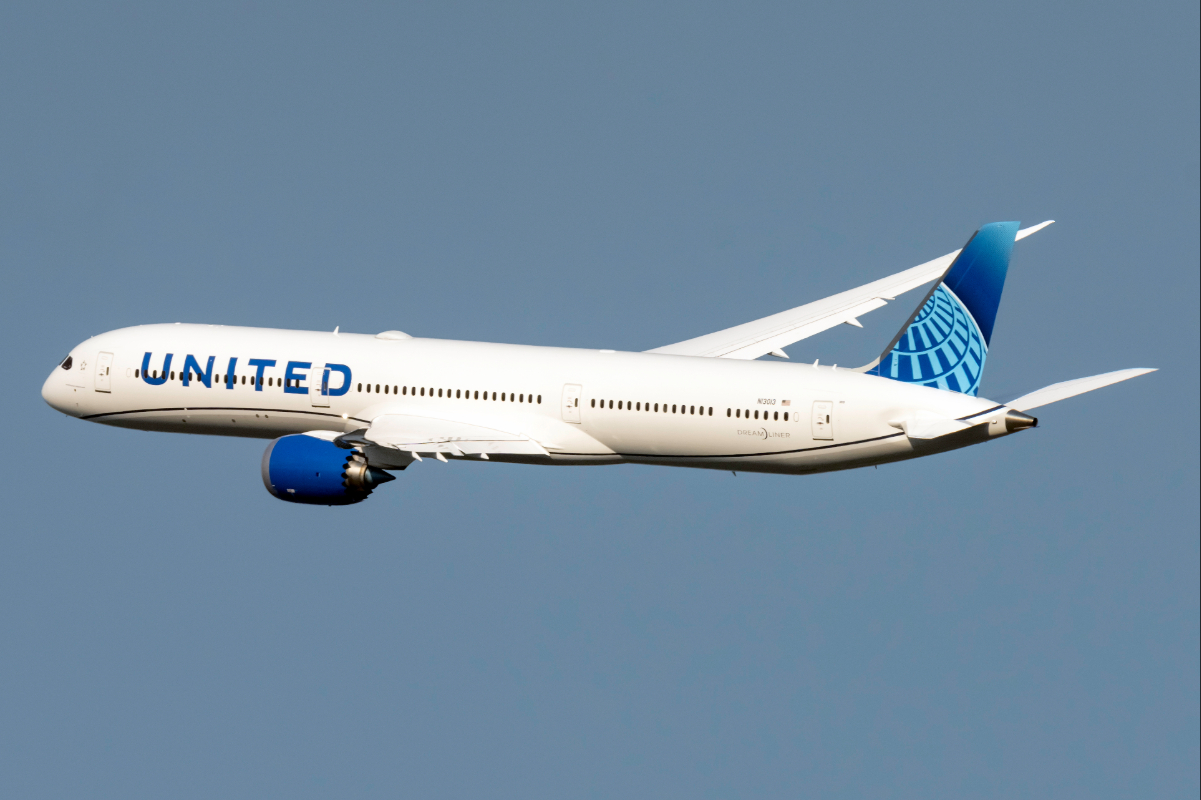
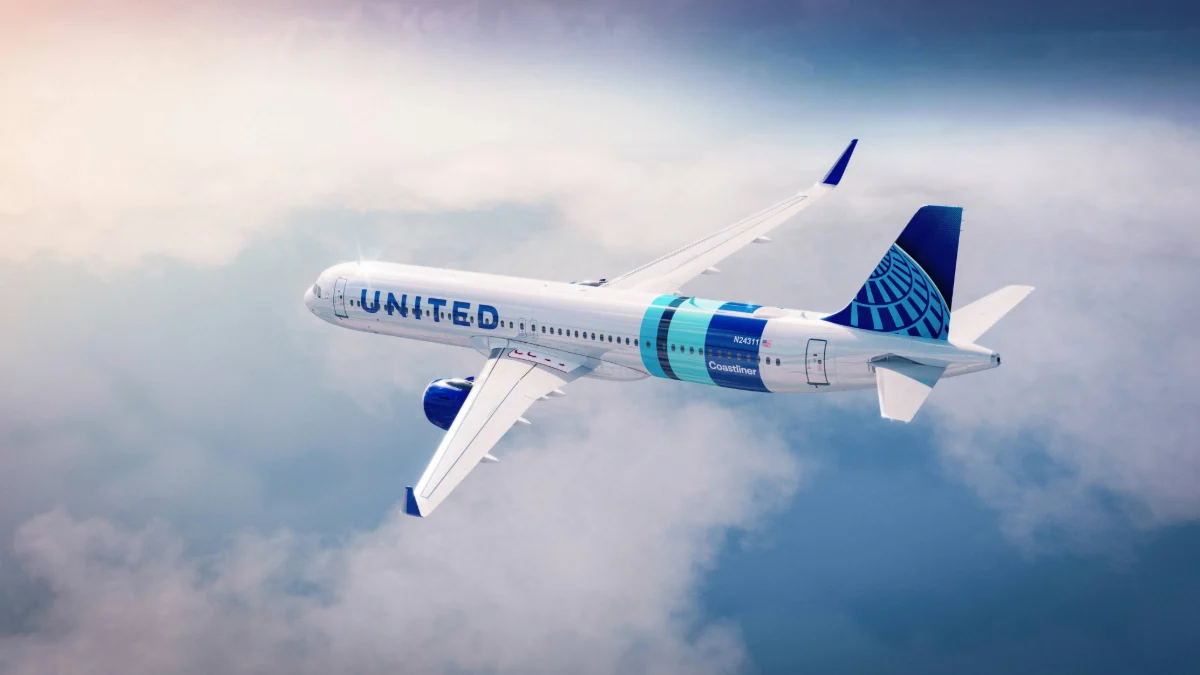
United Airlines has announced it will increase baggage fees, becoming the latest major U.S. carrier to implement such a change amidst a challenging economic landscape marked by escalating operational costs, primarily driven by the volatile price of aviation fuel. The carrier stated on Thursday that these new fee structures would apply to tickets purchased on or after April 3, marking a significant adjustment for travelers planning trips within the United States, Mexico, Canada, and Latin America. This move aligns United with a growing number of airlines responding to sustained inflationary pressures and the imperative to maintain profitability in a competitive market.
Specifically, United Airlines will raise the fee for a first checked bag by $10, bringing the prepaid cost to $45. Similarly, the fee for a second checked bag will also see a $10 increase. The airline explicitly cited "surging fuel costs caused by the Iran war" as a primary catalyst for this decision in an internal communication, reflecting the broader industry’s struggle with geopolitical instability impacting global energy markets. This increase is not an isolated incident but rather part of a larger trend observed across the aviation sector as airlines seek to pass down a portion of their heightened operational expenses to consumers through ancillary charges.
The Industry-Wide Shift: A Confluence of Factors
United’s decision follows closely on the heels of other major airlines that have recently adjusted their baggage fees. American Airlines, for instance, announced a similar increase earlier in the week, pushing its first checked bag fee for domestic flights to $40 when purchased online or $45 at the airport. Alaska Airlines and JetBlue Airways have also implemented comparable adjustments in recent months, signaling a concerted industry-wide effort to bolster revenue streams. This collective action underscores a shared assessment among carriers regarding the unsustainability of current pricing structures in the face of rising costs. The competitive nature of the airline industry often means that once one major player makes such a move, others are compelled to follow suit to avoid being at a significant disadvantage in terms of ancillary revenue generation.
The timing of these increases is particularly noteworthy. While the airline industry has largely recovered from the devastating impact of the COVID-19 pandemic, passenger demand has surged, leading to robust revenue figures. However, this recovery has been accompanied by persistent inflationary pressures across various sectors, including labor, maintenance, and most critically, fuel. Airlines operate on notoriously thin margins, and even small fluctuations in the price of jet fuel can have a substantial impact on their bottom line.
The Unfolding Fuel Crisis: A Key Driver
Aviation fuel typically represents one of the largest operating expenses for airlines, often accounting for 25% to 35% of total costs, depending on market conditions and an airline’s hedging strategies. The current geopolitical landscape, particularly tensions in the Middle East, has introduced significant volatility and upward pressure on global oil prices. The original snippet’s reference to the "Iran war" points to specific concerns about regional conflicts and their potential to disrupt oil supply chains, thereby driving up crude oil benchmarks like Brent and West Texas Intermediate (WTI).
For example, throughout late 2023 and early 2024, tensions in the Red Sea and broader Middle East region have repeatedly sent jitters through global energy markets. Attacks on shipping in vital waterways and the ongoing instability have fueled concerns about supply disruptions, pushing oil prices higher. While direct military conflict involving Iran on a large scale might be a specific interpretation, the broader effect of regional instability on oil production, refining, and transportation has been undeniable. This uncertainty directly translates into higher input costs for airlines, which must procure millions of gallons of jet fuel daily.
Airlines often employ hedging strategies to mitigate fuel price volatility, locking in prices for a portion of their future fuel needs. However, these strategies are not foolproof and only provide partial protection, especially during prolonged periods of price escalation. When unhedged fuel costs rise significantly, airlines are left with difficult choices: absorb the costs, reduce capacity, or pass them on to consumers. The current wave of baggage fee increases indicates that carriers are opting for the latter, leveraging ancillary revenue as a flexible mechanism to offset these pressures.
A Historical Look at Ancillary Fees
The widespread adoption of baggage fees by U.S. airlines can be traced back to the 2008 global financial crisis. Before this period, checked bags were typically included in the ticket price. However, as airlines faced unprecedented economic challenges and soaring fuel prices (which also spiked dramatically in 2008), they began to unbundle services, introducing fees for items previously considered standard. American Airlines was among the first major carriers to implement a checked bag fee in 2008, followed swiftly by others like United, Delta, and US Airways.
Initially, these fees were met with considerable consumer backlash. However, over time, they became an entrenched part of the air travel experience. The rationale behind them evolved from being a temporary measure to a permanent and significant component of airline revenue strategy. Ancillary revenues, which include baggage fees, seat selection fees, in-flight sales, and credit card partnerships, have become crucial for airline profitability. According to industry reports, global ancillary revenue has grown consistently year over year, reaching tens of billions of dollars annually for the airline industry worldwide. For some carriers, ancillary revenue can account for 10-20% of their total revenue, providing a vital buffer against the cyclical and volatile nature of the aviation business. Baggage fees alone often represent a substantial portion of this ancillary income, given the sheer volume of checked luggage.
Chronology of Recent Price Adjustments
The recent spate of baggage fee increases reflects a coordinated, albeit independent, response by airlines to current economic realities.
- January 2024: Alaska Airlines announced increases to its first and second checked bag fees, bringing them to $35 and $45 respectively for domestic flights.
- January 2024: JetBlue Airways also raised its checked bag fees, with the first bag now costing $35 (online) or $40 (at airport), and the second bag $50.
- February 2024: American Airlines initiated an increase, raising its first checked bag fee to $40 for domestic flights when purchased online, and $45 at the airport. Its second bag fee also increased to $45 online.
- February 2024: United Airlines followed suit, announcing its increases effective for tickets purchased on or after April 3. The first checked bag will now be $45 (prepaid), and the second bag will also be $45.
This timeline demonstrates a clear pattern, with major carriers adjusting their pricing strategies in close succession, indicating a shared assessment of market conditions and the necessity for revenue enhancement.
The Economics of Airline Operations
Operating an airline is an incredibly complex and capital-intensive endeavor. Beyond fuel, airlines face significant costs associated with aircraft acquisition and maintenance, labor (pilots, flight attendants, ground staff), airport landing fees, air traffic control charges, insurance, and regulatory compliance. Many of these costs are subject to inflationary pressures. For instance, labor costs have been rising as airlines negotiate new contracts with unions, often including significant pay raises and improved benefits. Maintenance costs are also increasing due to the complexity of modern aircraft and the rising price of parts and specialized labor.
The revenue generated from ticket sales alone often does not cover these extensive operating expenses, particularly during periods of high fuel prices or economic uncertainty. Ancillary fees, therefore, play a critical role in bridging this gap and ensuring airlines can remain profitable and invest in fleet modernization, technology upgrades, and service enhancements. The ability to generate consistent ancillary revenue allows airlines greater flexibility to manage their base ticket prices, potentially keeping them more competitive while still covering overall costs.
Consumer Impact and Travel Strategies
For travelers, these fee increases translate directly into higher overall travel costs. While a $10 increase per bag might seem modest in isolation, it can add $20-$40 to a round-trip journey for a single passenger checking two bags, or significantly more for families. This additional expense could influence consumer behavior, prompting some to adjust their packing habits to avoid checked bag fees altogether by relying solely on carry-on luggage. The demand for larger carry-on bags and personal items that fit under seats is likely to increase further.
Budget-conscious travelers, in particular, may find themselves re-evaluating their choice of airline or even their travel plans. Some might opt for airlines that still offer lower or no checked bag fees (though these are becoming rarer among full-service carriers) or choose basic economy fares with strict baggage policies, accepting the trade-offs. The proliferation of these fees also adds another layer of complexity to the booking process, as travelers must now factor in not only the base fare but also various potential add-on costs. Consumer advocacy groups have historically criticized these "unbundled" pricing strategies, arguing that they make it harder for travelers to compare true flight costs upfront.
Official Responses and Industry Justifications
United Airlines’ statement, while concise, clearly links the fee increase to surging fuel costs. This justification is consistent across the industry. Airlines often emphasize their commitment to managing costs and providing competitive fares, but also highlight external factors beyond their control, such as global oil market dynamics.
Industry analysts generally concur with the airlines’ assessment. The International Air Transport Association (IATA), a trade association for the world’s airlines, frequently publishes reports detailing the financial challenges faced by carriers, with fuel costs consistently identified as a major variable. While airlines have achieved significant efficiency gains in fuel consumption over the years through modern aircraft and optimized flight paths, these gains can be quickly overshadowed by sharp increases in crude oil prices.
From the airlines’ perspective, these fee adjustments are not arbitrary but a necessary measure to maintain operational stability and invest in the future. They argue that without such adjustments, they would be forced to raise base ticket prices more substantially, which could suppress demand, or cut back on services, ultimately impacting the passenger experience.
Broader Economic Implications and Future Outlook
The current wave of baggage fee increases by major U.S. airlines serves as a microcosm of broader economic trends. It highlights the pervasive impact of inflation and geopolitical instability on various sectors of the economy. When businesses face increased input costs, they often have little choice but to pass some of those costs on to consumers, whether directly through higher prices for goods and services or indirectly through additional fees.
Looking ahead, the outlook for airline pricing remains closely tied to the trajectory of global oil prices and overall economic conditions. If fuel prices stabilize or decrease, there might be less pressure for further fee increases or fare hikes. However, continued volatility or upward pressure on oil markets, coupled with rising labor and other operational costs, could lead to additional adjustments in the future.
Furthermore, the emphasis on ancillary revenue is unlikely to diminish. Airlines will continue to explore and expand non-ticket revenue streams as a core part of their business model. This could mean more granular pricing for various services, from seat pitch to Wi-Fi access, as carriers seek to personalize offerings and monetize every aspect of the travel experience. For travelers, this implies a future where the total cost of air travel will increasingly be a sum of various components, requiring careful planning and comparison beyond just the base fare. The latest move by United Airlines is a stark reminder of these evolving economic realities in the aviation industry.


 Anjar Salim
 Dwi Wanna
 Budi Mulyono
 Lukman Taruna Persada Ramadan
 Chandra Hamzah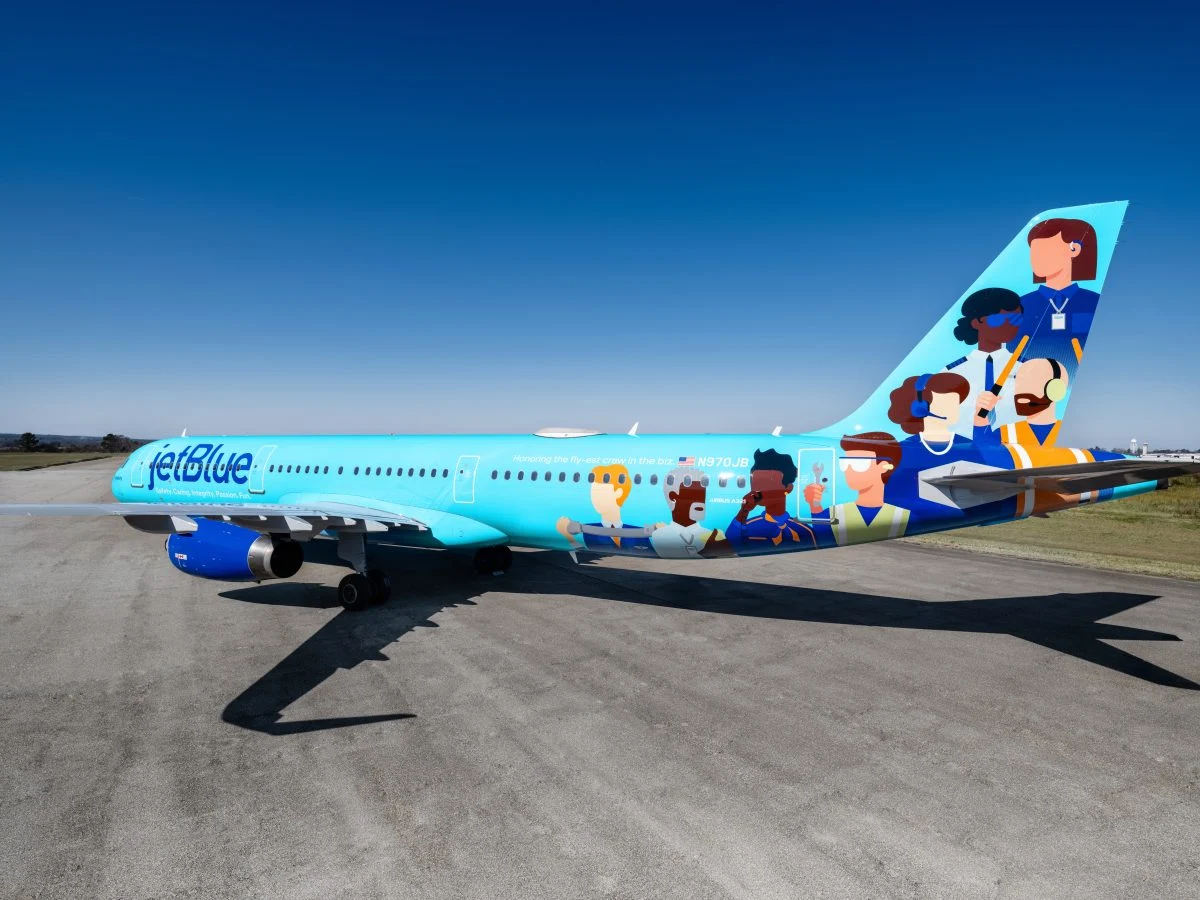
 Gabriela Annisa