Dwi Wanna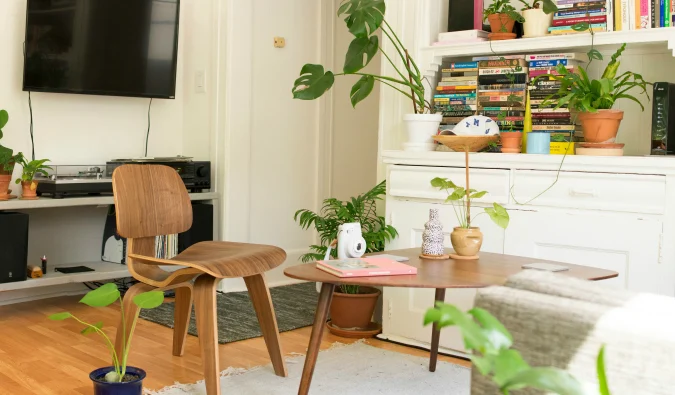
For many years, the idea of renting an apartment through platforms like Airbnb or VRBO was met with apprehension by seasoned travelers. The allure of hostels, with their inherent social atmosphere and organized activities, often took precedence, particularly for solo adventurers seeking community and connection. These were perceived as the authentic havens for backpackers. When a private space was desired, alternatives like hospitality networks or the comfort of staying with friends were the preferred choices.
However, after nearly two decades navigating the world as a digital nomad, a shift in preference has emerged. There are undeniable moments when the desire for privacy and the ability to establish a temporary "home" becomes paramount. The simple pleasures of cooking a meal, unwinding on a sofa, or simply enjoying quiet relaxation are compelling reasons to seek accommodations beyond the communal dormitories of hostels.
While it’s acknowledged that the proliferation of apartment rentals can contribute to the complex issue of overtourism, it’s crucial to recognize that many hosts on these platforms are individuals renting out their primary residences. These rentals, when managed responsibly, can offer a unique and authentic travel experience. This comprehensive guide delves into the mechanics of apartment rentals, provides strategies for selecting the ideal accommodation, and offers insights on how travelers can mitigate their impact on local communities and avoid exacerbating overtourism.

Understanding the Apartment Rental Ecosystem
Platforms such as Airbnb and VRBO facilitate a peer-to-peer marketplace where individuals can list various types of accommodations, ranging from a single room within a shared dwelling to an entire apartment or house. The process is straightforward: hosts create listings with descriptive text and photographic evidence of their property, making it available for booking. This model allows property owners to generate supplementary income from underutilized space.
The booking procedure closely mirrors that of other online accommodation services. Travelers can browse extensive databases, filter by their specific needs and preferences, and initiate a booking request. Upon acceptance by the host, a confirmation is issued, solidifying the reservation.
Apartment rentals occupy a distinct niche between hostels and hotels, offering a compelling middle ground. For business travelers seeking the conveniences of home, a hostel might prove inadequate. Conversely, hotels can sometimes be prohibitively expensive or lack the personal touch that many travelers crave. Rented apartments present a balanced compromise, providing both comfort and a sense of place.
Furthermore, apartment rentals are an exceptionally practical and cost-effective solution for groups or families traveling together. Dividing the cost of an entire apartment among multiple individuals often proves significantly more economical than booking separate rooms in hostels or hotels. Beyond the financial benefits, these accommodations offer ample space to spread out and relax, a stark contrast to the often cramped quarters of dormitory rooms and standard hotel rooms, allowing for much-needed personal time.

For those who do not require an entire dwelling but are still keen on budget-friendly options, platforms like Airbnb have introduced features such as "Rooms." This functionality allows users to specifically search for listings where hosts are renting out spare bedrooms within their own homes or separate guest houses. This model closely resembles the original concept of Airbnb, where individuals rented out extra rooms for additional income. Such listings typically provide guests with a private bedroom and, in some instances, a separate entrance. Crucially, this arrangement facilitates direct interaction with the host, who can serve as an invaluable source of local knowledge and insider tips.
In recent years, the author has frequently utilized the "Rooms" feature in various cities, including Los Angeles, Rome, and Paris. For solo travelers, this approach has proven to be a more enriching and economical way to experience a destination. It effectively combats some of the negative externalities associated with larger-scale rental operations, as guests are more likely to engage with local residents. Moreover, as hostel prices have seen a steady increase, "Rooms" often present a more affordable alternative, offering a dual benefit of local interaction and cost savings – a true win-win scenario.
Navigating the Selection Process: Finding the Right Apartment
The exponential growth of the accommodation rental market has, unfortunately, made it more challenging to identify exceptional hosts and properties. A notable trend is the increasing number of individuals who own multiple properties solely for rental purposes, often residing elsewhere. This can lead to interactions primarily with property managers rather than the actual owners, diminishing the personal connection. Additionally, the reality of some advertised apartments may not align with their online portrayal, with discrepancies in quality or amenities being reported. To navigate this landscape effectively, a structured approach to selecting accommodations on these platforms is essential.
A robust selection process typically involves several key criteria:

- Host Reviews and Ratings: Thoroughly examine the reviews left by previous guests. Pay close attention to recurring themes, both positive and negative, concerning cleanliness, communication, accuracy of the listing, and overall guest experience. A high average rating is generally a good indicator, but the qualitative feedback provides deeper insights.
- Host Responsiveness and Communication: Before booking, consider sending an initial inquiry to the host. Their promptness and clarity in responding can be a strong predictor of their engagement during your stay. Hosts who are communicative and helpful from the outset are often more likely to provide a positive experience.
- Listing Accuracy and Detail: Scrutinize the listing description and photographs. Does the description provide comprehensive details about the amenities, neighborhood, and house rules? Are the photos recent and representative of the actual space? Red flags include vague descriptions or an excessive reliance on stock imagery.
- Location and Neighborhood Context: Research the neighborhood where the apartment is located. Consider factors such as proximity to public transportation, local attractions, safety, and the general ambiance. Reading reviews that specifically mention the neighborhood can be invaluable.
- Superhost Status (Platform Dependent): Many platforms, like Airbnb, have a "Superhost" program that recognizes hosts who consistently provide outstanding guest experiences. While not a guarantee, Superhosts have demonstrated a track record of reliability and quality.
- House Rules and Policies: Carefully review the host’s house rules and cancellation policies. Ensure they align with your travel plans and expectations. Understanding these guidelines upfront can prevent misunderstandings and potential conflicts.
- Amenities Provided: Verify that the apartment offers all the essential amenities you require for your stay, such as Wi-Fi, kitchen facilities, laundry, and appropriate sleeping arrangements.
While these guidelines serve as valuable benchmarks, personal intuition also plays a crucial role. A property that meets only a few of these criteria might still offer an exceptional experience, as demonstrated by instances where hosts with fewer listed qualifications provided the most memorable stays. In areas with limited accommodation options, a degree of flexibility with these criteria may be necessary. However, the more points a listing aligns with these recommendations, the greater the traveler’s confidence in a comfortable and satisfactory rental.
Addressing the Overtourism Conundrum
Over the past decade, the explosive growth of platforms like Airbnb and their counterparts has had a significant impact on housing markets and local communities worldwide. In many popular tourist destinations, such as Lisbon and Venice, the influx of short-term rental properties has driven up rental prices, making it increasingly difficult for local residents to afford housing in their own cities. This phenomenon has also extended beyond major urban centers, affecting rural areas as well.
The consequences of this trend have sparked considerable opposition. Cities like Barcelona have witnessed widespread protests against the proliferation of short-term rentals, with graffiti bearing slogans like "Airbnb go home!" appearing throughout Europe as a visible manifestation of local discontent. Japan has implemented stringent regulations to curb the impact of these platforms, and New York City has enacted strict laws governing short-term rentals. Residents in Mexico City have also voiced their concerns through organized protests, highlighting the global nature of this challenge. Each day brings new reports of pushback against these rental models.
In light of these widespread concerns regarding overtourism and its impact on housing affordability, travelers are strongly encouraged to prioritize responsible rental practices. Specifically, in major European cities, opting to rent a room within a host’s occupied residence is a highly recommended approach. As previously mentioned, features like Airbnb’s "Rooms" allow for easy identification of such verified listings, representing a more ethical and sustainable way to utilize these platforms. This model mirrors the early days of Airbnb, where individuals rented out spare rooms to supplement their income, fostering genuine interaction with local residents.

If renting a room is not feasible, it is imperative to exert maximum effort to ensure that any rented property is either a licensed bed and breakfast operating within legal tourism frameworks or a private residence genuinely occupied by the owner. This diligence helps to avoid contributing to the displacement of local populations and the exacerbation of housing crises.
By making conscious choices, travelers possess the power to mitigate the negative effects of overtourism. The goal is to visit destinations without displacing the very communities and individuals that make these places unique and desirable.
A Crucial Note on Safety and Trust
The operational framework of apartment rental platforms is fundamentally built upon trust. While these companies invest considerable resources in verifying both hosts and guests to mitigate risks such as fraud or theft, isolated incidents of problematic experiences, including parties, robberies, or unsettling host behavior, are occasionally reported.
However, these platforms also provide mechanisms for recourse. In cases where a property does not meet the advertised standards, guests can typically contact the company’s 24-hour customer support hotline. This service facilitates either relocation to alternative accommodation or financial compensation. Furthermore, funds are often held in escrow until the guest confirms satisfaction with the property, ensuring that money is not directly transferred to the host until the terms of the agreement are met.

It is important to acknowledge that risks are inherent in all forms of accommodation. Hotel rooms can be subject to theft by housekeeping staff, hostel dormitories may present opportunities for personal belongings to be misplaced or taken by fellow travelers, and even Couchsurfing hosts can occasionally exhibit inappropriate behavior. Therefore, adhering to the recommended selection criteria is paramount, regardless of the chosen accommodation type. Ultimately, apartment rentals are not inherently less safe than other options, and the benefits they offer often outweigh the perceived risks.
Premier Platforms for Securing Rental Apartments
Several online platforms have emerged as leading marketplaces for finding rental apartments, each offering distinct features and coverage:
- Airbnb: Undoubtedly the most recognized platform, Airbnb boasts an extensive inventory of apartments, rooms, and unique accommodations globally. Its user-friendly interface, comprehensive review system, and diverse listing options make it a go-to choice for many travelers.
- VRBO (Vacation Rentals by Owner): VRBO, part of the Expedia Group, primarily focuses on entire homes and apartments, often catering to families and longer stays. It emphasizes direct booking with property owners.
- Booking.com: While widely known for hotels, Booking.com has significantly expanded its offerings to include a vast array of apartments and vacation rentals, often providing competitive pricing and a seamless booking experience.
An additional avenue for long-term travelers seeking accommodation is through house and pet-sitting services. Platforms like TrustedHousesitters connect travelers with homeowners who require someone to look after their property or pets while they are away. In exchange for these responsibilities, sitters receive free accommodation, making it an excellent option for slow travelers aiming to reside in a single location for extended periods.
In conclusion, apartment rentals, when approached with diligence and informed decision-making, offer a safe, cost-effective, and immersive way to experience a destination. By leveraging the strategies outlined above, travelers can not only save money and avoid crowded tourist hubs but also foster more authentic connections with the places they visit, thereby contributing positively to the travel landscape.



 Chandra Hamzah
 Gabriela Annisa
 Tatiana Tantri Indah Sari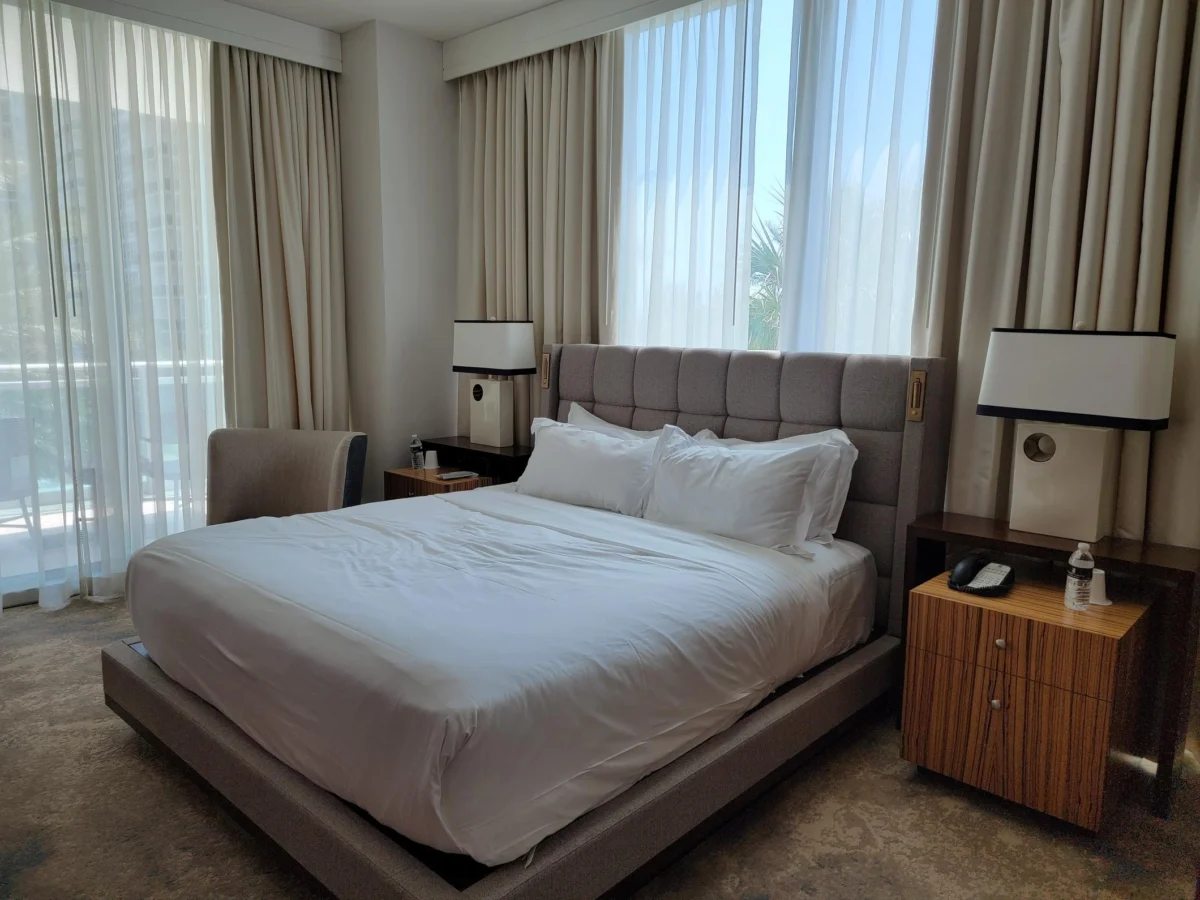
 Budi Mulyono
 Anjar Salim