
 Chandra Hamzah
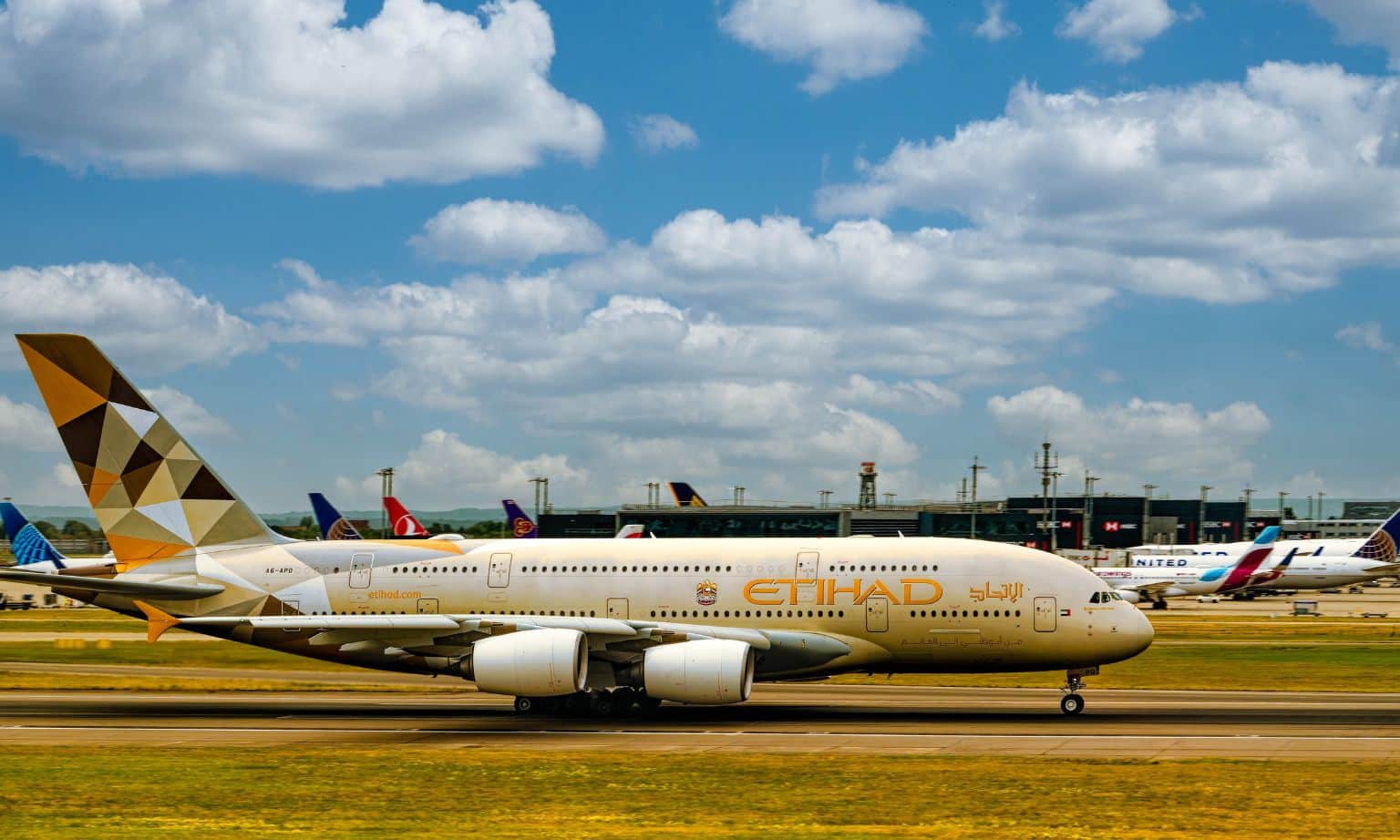
Australian holidaymakers seeking to embark on a European summer cruise this year are facing a complex decision, caught between exceptionally attractive airfares offered by Middle Eastern carriers and escalating geopolitical uncertainties. Airlines such as Etihad and Qatar Airways are presenting deeply discounted return flights from Australia to various European destinations, presenting a seemingly golden opportunity for budget-conscious travellers. However, this enticing prospect is shadowed by significant risks, primarily the potential for flight cancellations and the invalidation of travel insurance.
The allure of these significantly reduced fares is undeniable. For instance, return economy flights from Sydney to London are advertised as low as $1570, with business class fares plummeting to around $3500, prices considerably below pre-conflict benchmarks. These offers are not isolated incidents but appear to be strategically available throughout the European summer months, suggesting a concerted effort by these airlines to stimulate demand amidst a climate of apprehension. This situation presents a theoretical dream scenario for last-minute European travel planners, offering a gateway to the continent at a fraction of the usual cost.
However, the underlying reality is fraught with peril. The ongoing conflict in the Middle East, coupled with soaring global oil prices, has prompted the Australian government to issue its highest-level travel advisories for countries such as Qatar and the United Arab Emirates (UAE). These advisories, categorised as "Do Not Travel," have profound implications for traveller security and financial protection.
The Geopolitical Tightrope: A Shifting Landscape
The current instability in the Middle East is a direct consequence of escalating tensions in the region, which have significantly impacted international travel routes. While the specific catalysts for the current conflict are multifaceted and have evolved over time, the overarching concern for travellers centres on the potential for broader regional involvement and the subsequent disruption of air and sea traffic. Analysts are unanimous in their assessment of the situation as highly complex and unpredictable, with no clear end date in sight. This inherent uncertainty makes any booking reliant on smooth transit through the region a substantial gamble.
Flight Operations Under Strain: Reduced Capacity and Schedules
Despite the advisories, flights are presently operating through key Middle Eastern hubs like Dubai. However, these operations are reportedly running at a reduced capacity and on a significantly scaled-back schedule. This limitation is not merely an inconvenience; it speaks to the broader logistical challenges and potential risks that airlines and airports are navigating. The reduced flight schedules can be interpreted as a precautionary measure, reflecting an awareness of potential airspace closures or a need to minimise exposure to volatile areas.
The Insurance Black Hole: A Critical Coverage Gap
A primary concern for Australian travellers is the void left by travel insurance policies when flying through or to destinations under a "Do Not Travel" advisory. Standard travel insurance, which typically provides coverage for trip cancellations, medical emergencies, and lost luggage, becomes null and void for travel to countries designated at the highest risk level by the Australian government. This means that if a traveller finds themselves stranded in the UAE or Qatar due to unforeseen circumstances, such as airspace closures or airline disruptions, they would be unable to claim any financial losses from their insurer. This effectively leaves individuals exposed to significant out-of-pocket expenses and a lack of recourse.
The Unpredictable Airspace: A Constant Threat of Closure
The volatile nature of the Middle East conflict presents a constant threat of airspace closures. Any escalation of hostilities or new aggressions in the Gulf states could trigger immediate and widespread air traffic restrictions. For Australian travellers transiting through or originating from these hubs, such an event could lead to them being stranded, potentially for an extended period, without insurance coverage. This scenario paints a stark picture of the potential consequences of opting for these heavily discounted flights.
Weighing the Risks: A Calculated Gamble for Holidaymakers
The question for many Australian holidaymakers is whether the substantial savings offered by these Middle Eastern carriers outweigh the significant risks involved. The temptation to secure a "deal of a lifetime" is understandable, particularly with the hope that the geopolitical situation might de-escalate in the intervening period. However, the reality is that planning an entire holiday around a flight that may never materialise, or which could lead to being stranded in a high-risk zone, is a precarious proposition.
Exploring Alternative Strategies: Mitigation and Diversification
Given the complexities, travellers are advised to consider various strategies to mitigate potential risks:
1. The "Book and Hope" Strategy: A High-Risk Proposition
This approach involves booking the discounted flights with the hope that the conflict will resolve favourably or that flights will proceed as scheduled, with the expectation of a refund if cancellations occur. While some airlines may offer refunds or rebooking options for cancelled flights, this is not always guaranteed and can be a protracted process. Furthermore, the refund would only cover the flight cost, leaving travellers to absorb the expenses of any non-refundable cruise bookings or other pre-paid arrangements. The risk of losing substantial amounts on these ancillary bookings is a significant deterrent.
2. Flexible Fares: A Partial Safety Net
Some airlines offer flexible fare options that allow for changes or cancellations with fewer penalties. While these fares are typically more expensive than standard tickets, they can provide a degree of flexibility. However, even with flexible fares, the underlying issue of potential airspace closures and stranded passengers remains. The ability to change a flight date is irrelevant if all flights to and from the region are suspended. Moreover, the definition of "flexible" can vary significantly between airlines, and understanding the precise terms and conditions is paramount.
3. The Asia Hedging Option: A Diversified Route
An alternative considered by some travellers involves booking a separate, less volatile flight route to Asia, with a subsequent, independent booking from an Asian hub to Europe. This strategy aims to bypass the immediate Middle Eastern transit risks. While this provides a more diversified approach, it often incurs higher overall travel costs due to the need for two separate bookings, potential visa requirements for transit countries, and the added complexity of managing multiple itineraries. Furthermore, it does not entirely eliminate the risk, as geopolitical tensions can be far-reaching, and even Asian hubs could experience ripple effects.
4. Prioritising Direct Flights or Alternative Routes
The most prudent approach for many travellers may be to prioritise direct flights from Australia to Europe, if available, or to consider routes that completely circumvent the Middle East. While these options are typically more expensive, they offer a significantly higher degree of certainty and security. The peace of mind derived from a confirmed, unobstructed journey often outweighs the potential savings associated with riskier itineraries.
5. Monitoring Smartraveller and Official Advice
Continuous monitoring of the Australian Department of Foreign Affairs and Trade’s Smartraveller website is crucial. The "Do Not Travel" advisories are dynamic and can be updated based on evolving security assessments. Adhering to official government advice is not only a matter of personal safety but also a key factor in ensuring any potential insurance claims are valid.
The Cruise Passenger’s Perspective: Balancing Opportunity and Prudence
For cruise passengers, the decision is particularly acute. A cruise is often a significant investment, involving substantial pre-paid bookings for the voyage itself, as well as potential pre- and post-cruise accommodation and shore excursions. The prospect of losing these funds due to a flight cancellation or being stranded is a considerable financial risk. While the allure of a bargain flight to commence a dream European cruise is strong, the current geopolitical climate necessitates a cautious and informed approach.
Ultimately, the decision rests with individual travellers, who must weigh the potential cost savings against the very real risks to their safety, financial security, and holiday plans. The current environment demands a thorough risk assessment, a clear understanding of insurance limitations, and a willingness to consider alternative, albeit potentially more expensive, travel arrangements to ensure a stress-free and secure journey to Europe. The extraordinary airfare deals serve as a stark reminder that in international travel, particularly in times of global uncertainty, the cheapest option is not always the wisest.




 Anjar Salim
 Tatiana Tantri Indah Sari
 Budi Mulyono
 Lukman Taruna Persada Ramadan
