
 Chandra Hamzah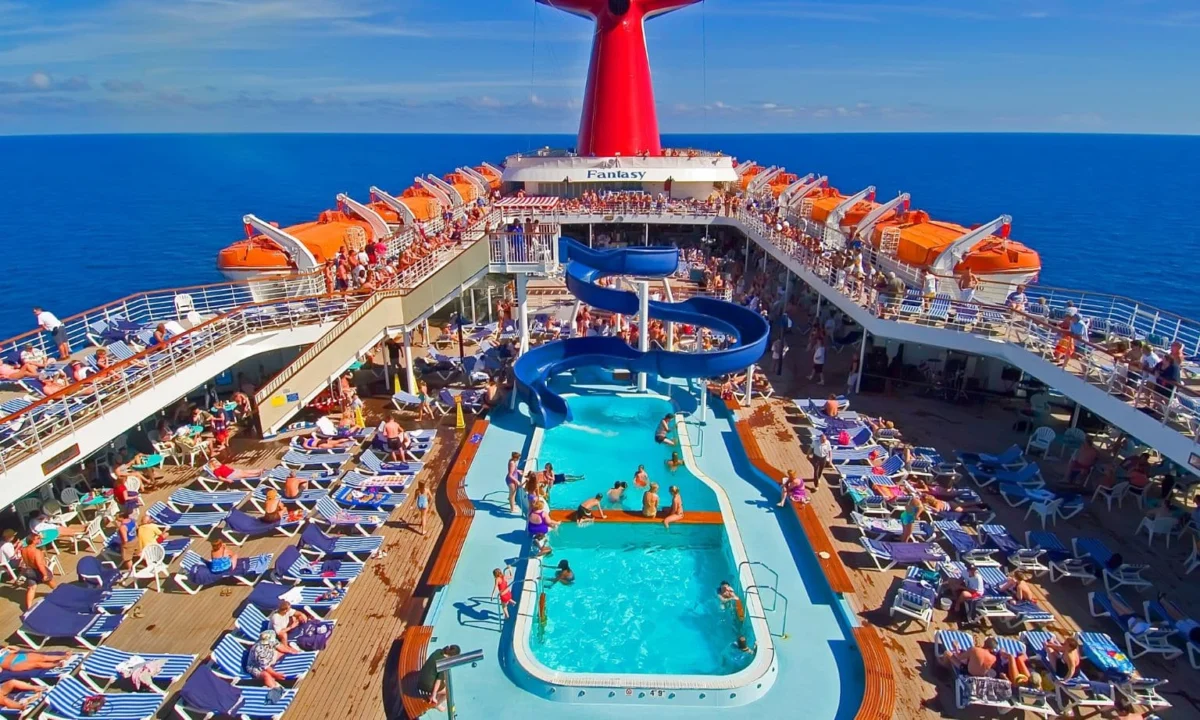
As the persistent pressure of the cost-of-living crisis continues to affect households across Australia, a significant shift is being observed in holiday planning. Thousands of families, previously accustomed to land-based resorts or international getaways, are now turning their attention to a holiday category that may have once been overlooked: cruising. The primary driver behind this surge in interest is the compelling financial advantage that a cruise can offer, with a family of four potentially saving thousands of dollars compared to traditional holiday options like resorts on the Gold Coast or trips to Fiji. Travel agents are reporting an unprecedented level of inquiry from families new to the cruising experience, prompting a closer examination of the value proposition offered by sea vacations.
The impact of the current economic climate on Australian households is undeniable. Data from realestate.com.au highlights the extent of these financial pressures, revealing that over the past two years, 12% of Australians have resorted to camping as a cost-saving measure, while a substantial 27% have foregone holidays altogether. This backdrop makes the appeal of a cruise, which promises a more predictable and often more affordable all-inclusive experience, increasingly attractive.
Current trends indicate a growing preference for cruising. Projections suggest that by 2026, 33% of Australians are planning a cruise, a notable increase from 26% in 2024. This rise is largely attributed to the perceived certainty of inclusions within a cruise fare, particularly for families. These typically cover essential elements such as basic entertainment, dining, a range of activities, and childcare services, providing a clear budget framework that is often difficult to achieve with other holiday types.
The Financial Calculus of Family Holidays
The fundamental appeal of a cruise in the current economic climate lies in its ability to consolidate and often reduce the most unpredictable holiday expenses. For families on a tighter budget, the day-to-day costs associated with activities, meals, and transportation can quickly escalate and become difficult to manage. On a cruise ship, however, these costs are significantly more contained, especially for those seeking family-friendly enjoyment rather than opting for premium experiences like specialty dining or spa treatments.
To illustrate this financial advantage, Cruise Passenger has compiled a comparative analysis of cruise holidays against popular Australian vacation choices: a trip to the Gold Coast and a resort getaway to Fiji. This guide aims to equip families with the information needed to make informed decisions as their disposable income faces strain.
Carnival Cruise: Value and Variety
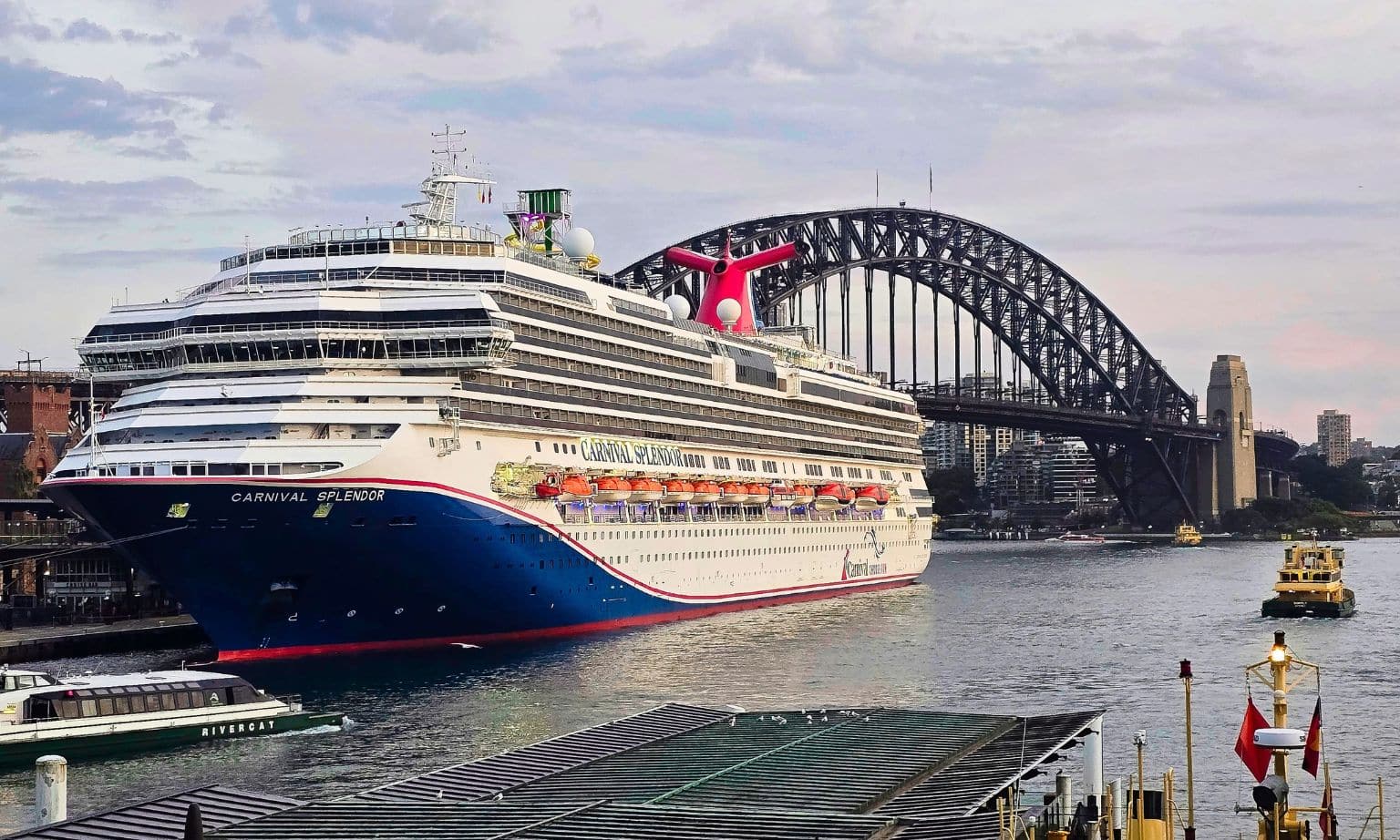
Carnival Cruise Line is emerging as a particularly attractive option for budget-conscious families, offering fares that can start from less than $100 per person per night. A prime example of this value is a 10-day cruise to Vanuatu and New Caledonia departing from Sydney. With multiple departure dates available in 2026 and 2027, this itinerary, which includes stops at Mystery Island, Port Vila, Lifou, and Noumea, begins at an accessible price point of $949 per adult.
For a family of four, the estimated total cost for this 10-day Carnival cruise, based on the starting adult fare of $949, would be approximately $3,796.
Inclusions in the Carnival Fare:
- Accommodation in an interior stateroom.
- All main meals in the buffet and main dining room.
- Access to onboard entertainment, including shows, live music, and daily activities.
- Use of onboard facilities such as pools, fitness centers, and recreational areas.
- Children’s clubs and supervised activities for various age groups.
Potential Extra Costs on the Ship:
While the base fare offers substantial value, additional expenses can arise from:
- Specialty dining restaurants (e.g., steakhouse, Italian).
- Beverage packages (alcoholic and non-alcoholic).
- Shore excursions in each port of call.
- Onboard purchases, such as souvenirs and photos.
- Gratuities, typically added daily.
- Casino, spa services, and premium entertainment.
For the purpose of this comparison, assuming moderate spending on extras such as a basic drink package for adults and one specialty dining experience, along with two moderately priced shore excursions per person, the estimated additional cost could range from $1,500 to $2,000. This brings the total estimated cost for the Carnival cruise, including these extras, to approximately $5,296 to $5,796.
On-shore Costs:
Expenses incurred during port visits are largely dependent on individual choices regarding shore excursions. A moderate approach, involving one significant excursion and some independent exploration with casual purchases, might add an estimated $200-$300 per port. For a cruise with four ports of call, this could total an additional $800 to $1,200.
Total Estimated Cost (Carnival Cruise with Extras):
Combining the base fare, estimated extras, and on-shore costs, a family of four could expect a total expenditure of roughly $5,596 to $6,996.
Royal Caribbean Cruise: Premium Experience, Competitive Value
While some voyages on Royal Caribbean International can command premium prices, the cruise line also offers numerous attractive deals that rival Carnival’s pricing, often delivering what many passengers perceive as a more elevated and comprehensive experience.
A compelling example is a nine-night cruise from Sydney to the South Pacific, featuring access to Royal Caribbean’s new beach club at Lelepa. This itinerary starts from $1,569 per person and includes visits to three distinct ports.
For a family of four, the total price for this Royal Caribbean cruise, based on the starting fare of $1,569 per person, would be approximately $6,276.
Inclusions in the Royal Caribbean Fare:
- Accommodation in an interior stateroom.
- All main meals in the buffet, main dining room, and select casual eateries.
- A wide array of onboard entertainment, including Broadway-style shows, live music, and family-friendly activities.
- Access to extensive onboard facilities like sports courts, climbing walls, and water slides.
- Supervised youth programs catering to different age groups.
Potential Extra Costs on the Ship:
Similar to other cruise lines, Royal Caribbean offers opportunities for additional spending:
- Specialty dining venues (e.g., Chops Grille, Giovanni’s Table).
- Premium beverage packages.
- Shore excursions, which can range from adventure tours to cultural experiences.
- Onboard purchases, including photos and gifts.
- Gratuities, which can be prepaid or added to the onboard account.
- Casino, spa treatments, and select onboard activities.
Assuming a similar moderate spending pattern as with Carnival – a basic drink package for adults, one specialty dining experience, and two moderately priced shore excursions per person – the estimated additional costs could range from $1,800 to $2,500. This elevates the total estimated cost for the Royal Caribbean cruise, including these extras, to approximately $8,076 to $8,776.
On-shore Costs:
With three ports of call, and considering a similar approach to on-shore spending as with the Carnival example (one significant excursion and independent exploration), the estimated additional cost might be around $200-$300 per port. For three ports, this could total $600 to $900.
Total Estimated Cost (Royal Caribbean Cruise with Extras):
Combining the base fare, estimated extras, and on-shore costs, a family of four could anticipate a total expenditure of approximately $8,676 to $9,676.
Gold Coast Holiday: A Domestic Classic
The Gold Coast remains a perennial favourite for Australian families, offering a vibrant mix of theme parks, pristine beaches, and diverse entertainment options. For the purpose of a direct comparison with a 10-day cruise, the cost of a 10-night holiday to the Gold Coast has been estimated.
Accommodation Costs:
A 10-night stay in a family-friendly hotel or apartment on the Gold Coast, considering mid-range options, could range from $200 to $350 per night. This would result in a total accommodation cost of approximately $2,000 to $3,500.
Theme Park and Activity Costs:
A multi-park pass for a family of four to major theme parks like Warner Bros. Movie World, Sea World, and Wet’n’Wild can be a significant expense. A typical 7-day unlimited entry pass might cost around $700-$800 per person, totaling approximately $2,800 to $3,200 for the family. Beyond theme parks, additional activities such as mini-golf, boat tours, or wildlife sanctuaries could add another $500 to $1,000.
Other Travel and Daily Expenses:
Transportation, including flights from major Australian cities, can vary but might range from $800 to $1,600 for a family of four during peak or shoulder seasons. Daily food expenses, assuming a mix of self-catering and dining out, could amount to $200-$300 per day, totaling $2,000 to $3,000 for 10 days. Incidentals like snacks, local transport, and souvenirs can add a further $500 to $1,000.
Total Estimated Cost (Gold Coast Holiday):
Based on these estimates, a 10-night family holiday to the Gold Coast, including flights and a moderate level of activity and dining, could range from $8,600 to $13,300.
Fiji Holiday: Tropical Escape
A 10-night resort holiday to Fiji, including flights, represents another popular choice for Australian families seeking a tropical getaway. Using Flight Centre package data as a benchmark, estimates can be formed for a comparable duration.
Flight and Accommodation Package:
For a 10-night stay in a family-friendly resort in Fiji, including return economy flights from Sydney, prices can vary significantly based on the resort’s star rating and inclusions. A mid-range package might start from approximately $2,000-$2,500 per person. For a family of four, this would equate to $8,000 to $10,000.
On-Resort and Activity Costs:
While many resorts offer some complimentary activities, additional expenses often include:
- Meals and beverages not included in the package (resorts can be expensive for food and drinks).
- Optional tours and excursions (e.g., island hopping, diving, cultural village visits).
- Spa treatments and premium resort facilities.
- Transfers to and from the airport.
Assuming a moderate spend on meals not covered by the package and a few select excursions, an additional $2,000 to $4,000 could be anticipated for the family over the 10-night period.
Total Estimated Cost (Fiji Holiday):
Combining the flight and accommodation package with estimated on-resort expenses, a 10-night family holiday to Fiji could range from $10,000 to $14,000.
Comparative Analysis: The Cruise Advantage
The compiled figures reveal a clear financial trend:

| Holiday Type | Moderate/Budget Estimate (Family of 4 for ~10 nights) | Including Extras/Moderate Spending (Family of 4 for ~10 nights) |
|---|---|---|
| Carnival Cruise | $3,778 | $5,568 |
| Royal Caribbean Cruise | $6,276 | $8,076 |
| Gold Coast Holiday | $8,600 (estimated base without extensive extras) | $9,967 (mid-range estimate) |
| Fiji Holiday | $10,000 (estimated base without extensive extras) | $13,581 (mid-range estimate) |
Note: These figures are estimates and can vary based on specific booking times, choices, and travel periods.
While individual holiday spending is inherently subjective and dependent on personal preferences and needs, this breakdown highlights the fundamental appeal of cruising, especially for families navigating financial constraints. The cruise model offers a level of cost predictability that is difficult to match with other holiday types.
Mitigating Day-to-Day Spending Pressures:
A significant differentiator lies in how cruise ships effectively alleviate the pressure of daily expenditure. Consider the Gold Coast holiday: each day typically involves costs for transportation, purchasing two to three meals, snacks, and potentially an entry fee for an activity or attraction. On a cruise, however, families can readily spend days enjoying included meals, participating in complimentary onboard games and activities, or utilizing the kids’ clubs, all while remaining by the pool. These cost-effective days then allow for more considered splurges on excursions or shopping during port visits, without the constant accumulation of small, daily expenses.
Similarly, while a resort holiday in Fiji offers relaxation, the initial base fare is generally higher than a budget cruise, with fewer built-in entertainment options. Meals are also typically not included, leading to continuous spending.
Therefore, while a cruise provides the opportunity for a fulfilling day of enjoyment, often without additional financial outlay, other holiday types present a continuous stream of accumulating costs.
Conclusion: A Viable Alternative in Challenging Times
This comparative analysis underscores why cruising is resonating with Australian families facing mounting cost-of-living pressures. While a cruise is not universally the cheapest or most suitable option for every traveller, the data makes it evident why this vacation format is experiencing such a surge in popularity. The inherent value, predictable budgeting, and extensive inclusions offered by cruise lines provide a compelling alternative for those seeking an enjoyable and affordable escape.
Strategies for Maximizing Cruise Value
While cruising presents a strong case for budget-friendly travel, it’s important to acknowledge that costs can escalate if not managed mindfully. However, with a few strategic tips, families can significantly control their expenditure while still fully embracing the cruise experience. A key advantage of cruising is that the low base fares often provide considerable room for discretionary spending before the overall cost rivals that of other holiday types.
For those aiming to minimize expenses or allocate their holiday budget strategically, consider the following recommendations:
- Book in Advance: Early bird specials and booking incentives can lead to substantial savings on cruise fares.
- Travel During Off-Peak Seasons: Avoiding school holidays and major public holidays often results in lower cruise prices.
- Consider Shorter Itineraries: Shorter cruises are generally less expensive than longer voyages.
- Opt for Interior or Oceanview Staterooms: These categories are typically more affordable than balconies or suites.
- Leverage Included Amenities: Make full use of the complimentary dining venues, entertainment, and onboard activities to minimize the need for paid extras.
- Pack Smart: Bring your own non-alcoholic beverages, snacks, and essential toiletries to avoid inflated onboard prices.
- Research Shore Excursions: Compare cruise line excursion prices with independent tour operators in port for potential savings. Sometimes, exploring independently can be a cost-effective and more authentic experience.
- Be Mindful of Beverage Packages: Only purchase a beverage package if you are confident you will consume enough to justify the cost. Water, tea, and coffee are usually included.
- Utilize Onboard Promotions: Keep an eye out for special offers on the ship for activities, spa treatments, or specialty dining that might align with your budget.
- Set a Daily Spending Limit: Establish a clear budget for extras and stick to it to prevent overspending.
- Consider Gratuity Policies: Understand whether gratuities are included in the fare or added separately, and factor this into your overall budget. Some lines offer options to prepay gratuities.
- Look for Family Deals: Cruise lines frequently offer promotions specifically for families, such as kids sail free deals or reduced fares for the third and fourth passengers in a stateroom.
- Utilize Loyalty Programs: If you are a repeat cruiser, loyalty programs can offer discounts, onboard credits, or other perks.
- Travel with a Group: Sometimes, booking as part of a larger group can unlock special rates or amenities.
By implementing these strategies, families can ensure that their cruise holiday remains an affordable and enjoyable escape, providing a welcome respite from the financial pressures of everyday life. The growing trend towards cruising suggests that many Australian families are indeed finding this to be a wise and rewarding approach to holiday planning in the current economic climate.




 Anjar Salim
 Tatiana Tantri Indah Sari
 Budi Mulyono
