
 Hendra Ismail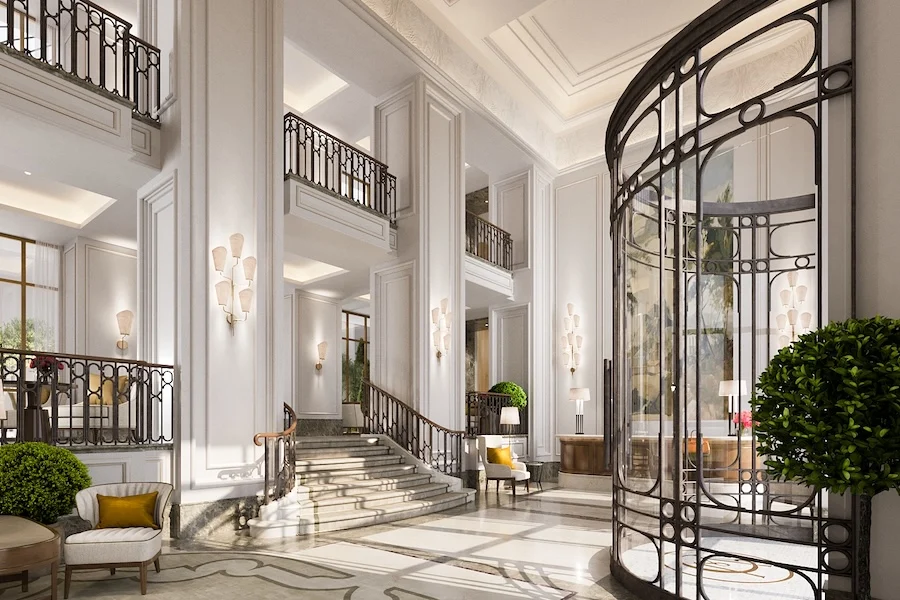
Corinthia Rome, the luxury brand’s first property in Italy, has officially opened its doors in the prestigious Piazza del Parlamento, marking a significant expansion for the Corinthia Hotels portfolio. Situated within the former headquarters of the Bank of Italy, a monumental edifice originally constructed in 1914 by renowned architect Marcello Piacentini, the hotel represents a meticulous fusion of historical preservation and contemporary luxury. The acquisition of the seven-story, 104,400-square-foot building by Reuben Brothers in 2019 initiated a multi-year, extensive restoration project aimed at breathing new life into this landmark of Roman architectural heritage.
The architectural narrative of Corinthia Rome is one of profound respect for its past, interwoven with a vision for refined modern hospitality. During the extensive renovation, original features such as marble paneling, intricate frescoes, and meticulously carved woodwork were painstakingly conserved. These historical elements now serve as a sophisticated backdrop to the newly conceived interiors, crafted by the acclaimed design firm G.A Group. Their approach successfully introduces contemporary layers of comfort and elegance without compromising the building’s intrinsic character, ensuring that guests experience a seamless blend of history and modern luxury. This thoughtful restoration not only preserves a piece of Rome’s architectural legacy but also positions the hotel as a new cultural and hospitality destination within the city.
A Legacy Building Reimagined: From Financial Hub to Luxury Retreat
The journey of the building that now houses Corinthia Rome is a testament to Rome’s evolving urban landscape. Erected in the early 20th century, its imposing structure was designed to project stability and grandeur, fitting for its initial purpose as a central financial institution. For decades, it stood as a silent witness to the city’s economic and political pulse, its halls echoing with the transactions of a bygone era. The acquisition by Reuben Brothers, a private equity firm with a keen eye for historically significant properties, signaled a new chapter for the building. The decision to transform it into a luxury hotel underscores a growing trend of repurposing architecturally important structures into hospitality venues, thereby preserving their heritage while adapting them for contemporary use.
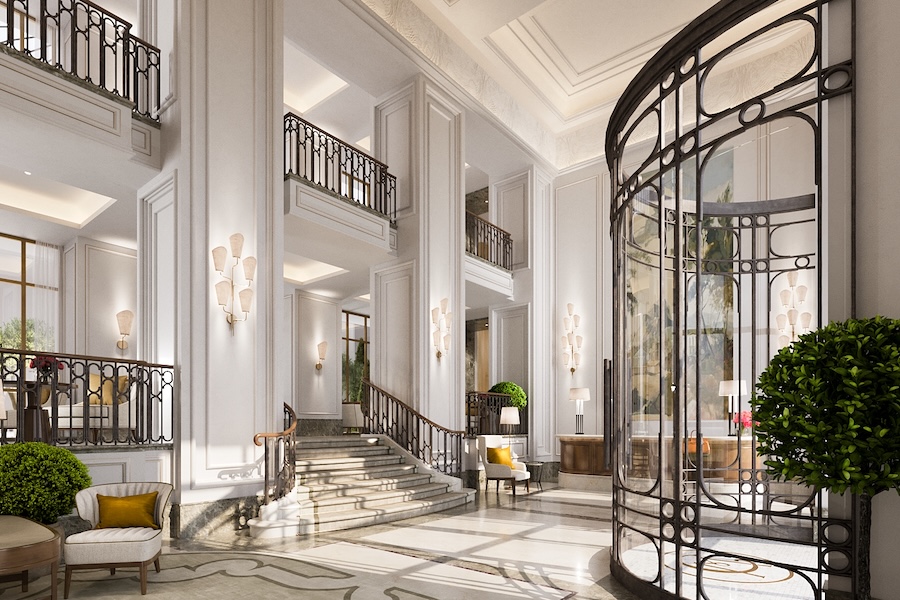
The restoration process was a complex undertaking, requiring a deep understanding of historical building techniques and materials. The preservation of original elements was not merely aesthetic; it was an act of historical conservation. Each fresco was meticulously cleaned and restored, each marble slab examined and, where necessary, repaired or replaced with materials that matched the original in type and color. This dedication to authenticity is a cornerstone of Corinthia’s brand philosophy, which emphasizes creating experiences that are deeply rooted in the character and history of their locations. G.A Group’s interior design complements this ethos by introducing a palette of sophisticated materials, bespoke furnishings, and state-of-the-art amenities that cater to the discerning traveler, creating an ambiance that is both opulent and inviting.
Accommodations: A Symphony of Suites and Guestrooms
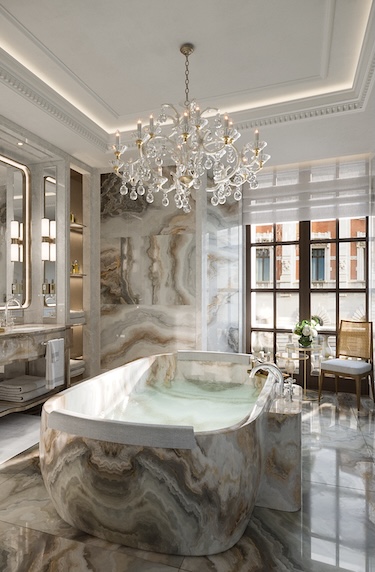
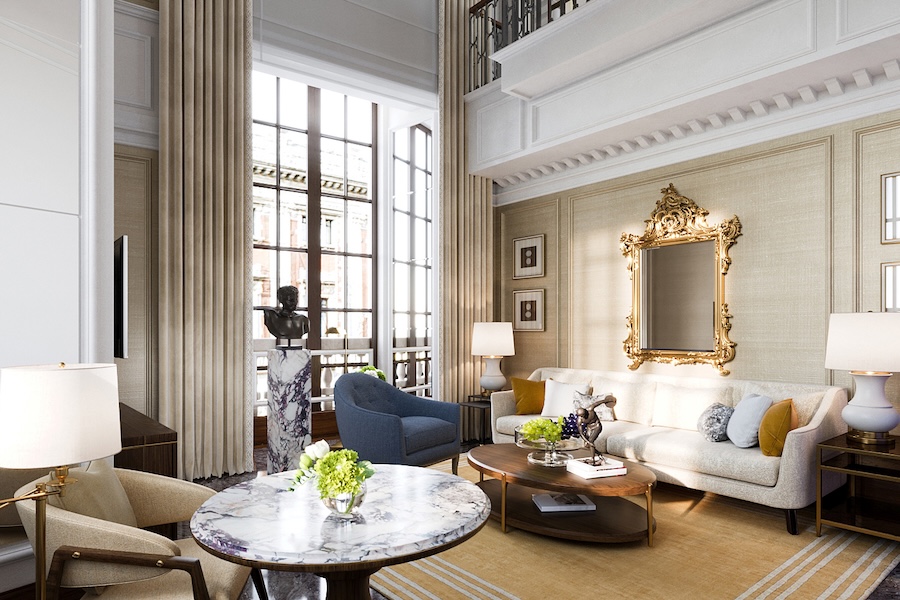
Corinthia Rome offers a curated collection of 60 guestrooms and suites, each designed to provide an unparalleled level of comfort and exclusivity. A significant portion of these accommodations are suites, many of which are uniquely shaped by the building’s original architectural volumes. These spaces are bathed in natural light, enhancing their sense of spaciousness and tranquility. The design narrative within the rooms continues the dialogue between historical grandeur and contemporary refinement, featuring high ceilings, meticulously chosen artworks, and luxurious finishes.
Among the signature accommodations, the townhouse-style Campo Marzio Suites stand out, characterized by their elegant design and the inclusion of original stained-glass windows, which cast intricate patterns of light throughout the day. The Chigi Suite offers a breathtaking perspective of Rome, boasting a private rooftop terrace that provides panoramic views of the city’s iconic rooftops and the bustling Parliament. For those seeking an elevated experience, the Arte Suite, located on the sixth floor, is envisioned as a collector’s private residence, exuding an atmosphere of curated sophistication and personal taste.
A particularly noteworthy accommodation is the Theodoli Heritage Suite. Occupying the former Council Chamber of the Bank of Italy, this suite is a living museum, retaining the original 1920s frescoes by the celebrated artist Giulio Bargellini. These vibrant artworks, depicting allegorical scenes and historical motifs, are a direct link to the building’s past, offering guests an immersive historical experience. Completing the collection of exceptional suites is the Aurea Penthouse. This expansive two-bedroom residence draws inspiration from the legendary Domus Aurea, Nero’s opulent palace, featuring extensive terraces and balconies that offer unparalleled vistas of the Eternal City, embodying a modern interpretation of imperial grandeur.
Culinary Excellence: A Gastronomic Journey with Chef Carlo Cracco
The culinary landscape at Corinthia Rome is helmed by the internationally acclaimed chef Carlo Cracco, marking his highly anticipated debut restaurant venture in the capital. This collaboration promises to elevate the hotel’s dining offerings to new heights, infusing Italian cuisine with innovation and artistry. The hotel’s dining establishments are designed to cater to a range of preferences, each offering a distinct yet cohesive gastronomic experience.
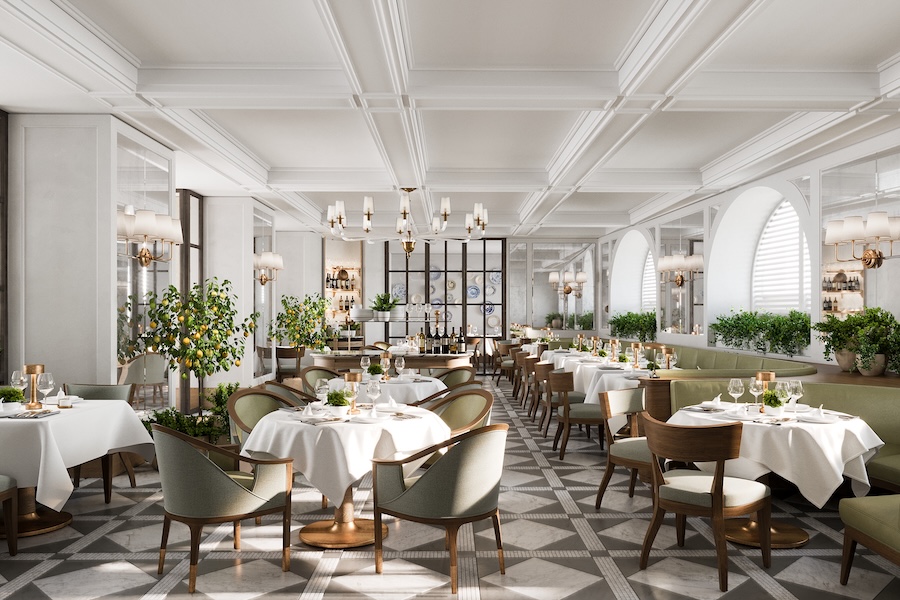
Ocra Bar serves as a sophisticated lounge, where guests can indulge in expertly crafted cocktails and light culinary fare. The ambiance of Ocra Bar is inspired by the warm, evocative hues of Roman sunsets, creating a relaxed yet elegant setting for pre-dinner drinks or a casual evening. Viride, the hotel’s signature restaurant, presents contemporary Italian cuisine with a focus on seasonality and the bounty of the garden. Chef Cracco’s inventive approach is evident in dishes that celebrate the freshness of ingredients and the vibrant flavors of Italian culinary traditions, reimagined for the modern palate.
Piazzetta, located within the hotel’s internal courtyard, offers an all-day dining experience that brings to life the authentic tastes of traditional Roman dishes. This charming setting provides a more relaxed atmosphere, perfect for enjoying breakfast, lunch, or dinner amidst the architectural beauty of the hotel. The courtyard setting itself offers a tranquil escape from the city’s hustle and bustle, making Piazzetta a beloved spot for both hotel guests and local patrons seeking a genuine taste of Rome.
Wellness Sanctuary: Rejuvenation in the Heart of the City
The concept of well-being at Corinthia Rome is thoughtfully integrated into the hotel’s design and offerings. The spa, a serene sanctuary, is uniquely situated within the building’s former vault, a space that once safeguarded financial assets and now offers a secure and tranquil environment for relaxation and rejuvenation. This transformation of a utilitarian space into a luxurious wellness retreat is a testament to the hotel’s innovative spirit.
The spa features three treatment rooms, providing a range of personalized therapies, and two bathing pools designed for ultimate relaxation. In collaboration with esteemed brands 111Skin and Seed to Skin, the spa experience is curated to blend advanced skincare science with natural, nature-led therapies. The treatments draw inspiration from ancient Roman bathing traditions, incorporating elements of hydrotherapy and holistic wellness practices. This approach ensures that guests can escape the stresses of daily life and emerge feeling revitalized and restored, benefiting from both cutting-edge techniques and time-honored wellness rituals.
Broader Implications and Future Outlook
The opening of Corinthia Rome represents a significant development in the luxury hospitality sector, particularly in a city as historically rich and culturally important as Rome. The investment by Reuben Brothers and the meticulous restoration undertaken by G.A Group underscore a commitment to preserving architectural heritage while adapting it for contemporary use. This approach not only revitalizes historic buildings but also contributes to the sustainable development of urban centers, transforming underutilized landmarks into vibrant destinations.
The hotel’s strategic location in Piazza del Parlamento places it at the nexus of Rome’s political and historical heart, offering guests unparalleled access to iconic landmarks, cultural institutions, and the vibrant pulse of the city. This prime positioning is expected to attract a discerning clientele seeking not only luxurious accommodation but also an immersive experience of Roman life and history.
The collaboration with Chef Carlo Cracco further elevates Corinthia Rome’s appeal, positioning it as a culinary hotspot. His renowned expertise is likely to draw both international gourmands and local epicureans, contributing to Rome’s dynamic gastronomic scene. The integration of a high-end spa, drawing on historical Roman wellness practices, adds another dimension to the hotel’s appeal, catering to the growing demand for holistic well-being experiences among luxury travelers.
The success of Corinthia Rome is anticipated to have a ripple effect, potentially encouraging further investment in the restoration and repurposing of other historical buildings across Italy. This trend can foster job creation, boost local economies, and enhance the global perception of Italy as a premier destination that expertly balances its rich past with a forward-looking vision for luxury and hospitality. As the hotel settles into its role, it is poised to become a benchmark for adaptive reuse projects in heritage-rich urban environments, setting a precedent for future developments that honor history while embracing modernity.

 Anjar Salim
 Dwi Wanna
 Budi Mulyono
 Lukman Taruna Persada Ramadan
 Chandra Hamzah
 Gabriela Annisa