Anjar Salim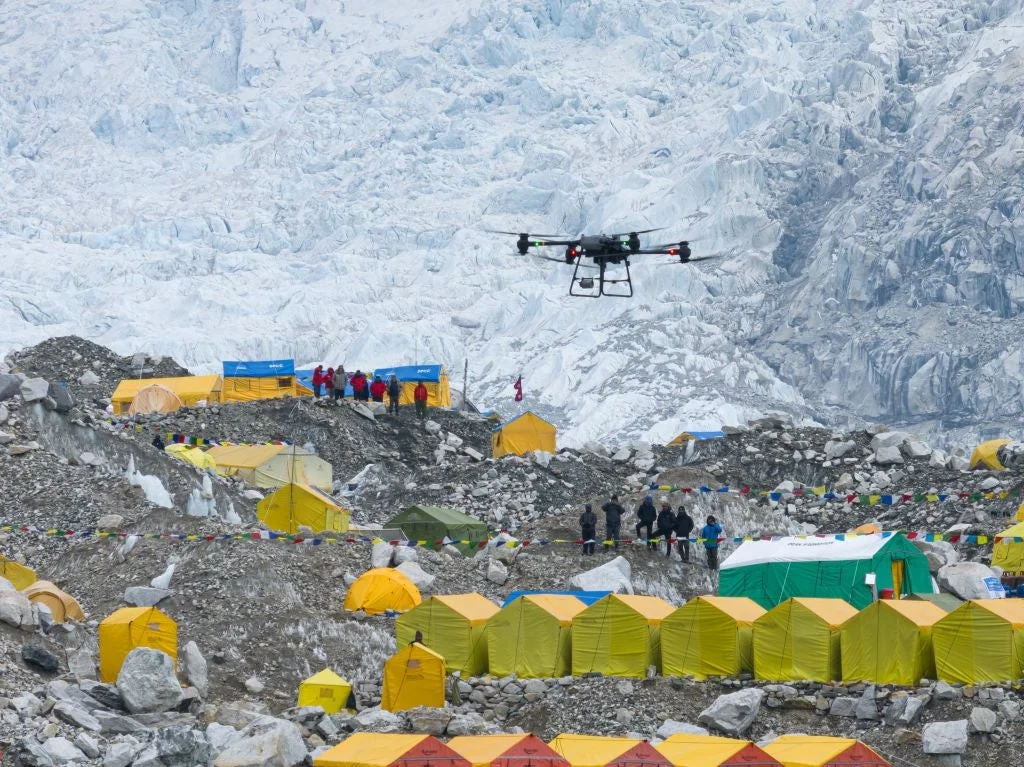
The 2026 spring mountaineering season on Mount Everest has officially commenced as hundreds of international climbers and their support teams converge on Kathmandu and the Khumbu Valley. While the annual migration to the world’s highest peak typically focuses on physical preparation and the logistics of high-altitude survival, this year’s narrative is dominated by a sweeping government investigation into a multi-million dollar insurance fraud scheme and a transformative shift in Nepal’s political landscape. As of early April, the "Icefall Doctors"—an elite group of Sherpas responsible for establishing the route through the treacherous Khumbu Icefall—are currently working through unseasonably heavy snow accumulation to secure the path between Base Camp and Camp I. Despite logistical challenges and regional geopolitical tensions, the allure of the 8,848.86-meter peak remains high, though permit numbers suggest a slight cooling of the record-breaking pace seen in previous years.
The $19 Million Rescue Fraud Scandal
The most significant shadow looming over the 2026 season is the release of a 1,200-page investigative report by the Government of Nepal detailing a systemic insurance fraud racket. The investigation, which gained international attention following reporting by the Kathmandu Post, alleges that various stakeholders within the trekking and mountaineering industry conspired to embezzle approximately $19 million from global insurance providers between 2022 and 2025. The scheme reportedly involved a complex web of trekking guides, helicopter charter companies, hospitals, and brokers who orchestrated unnecessary or entirely fabricated emergency evacuations.
According to government findings, the fraud primarily targeted the trekking sector rather than high-altitude mountaineering expeditions. The report details instances where guides allegedly coerced hikers into requesting helicopter rescues for minor ailments or, in more extreme cases, intentionally induced illness. One of the most disturbing revelations in the report involves allegations of "poisoning," where unscrupulous operators purportedly added baking soda or other laxatives to clients’ meals to simulate the symptoms of acute mountain sickness (AMS). This would trigger a high-cost helicopter evacuation, the profits of which were then split among the conspirators through inflated hospital bills and kickbacks from charter companies.
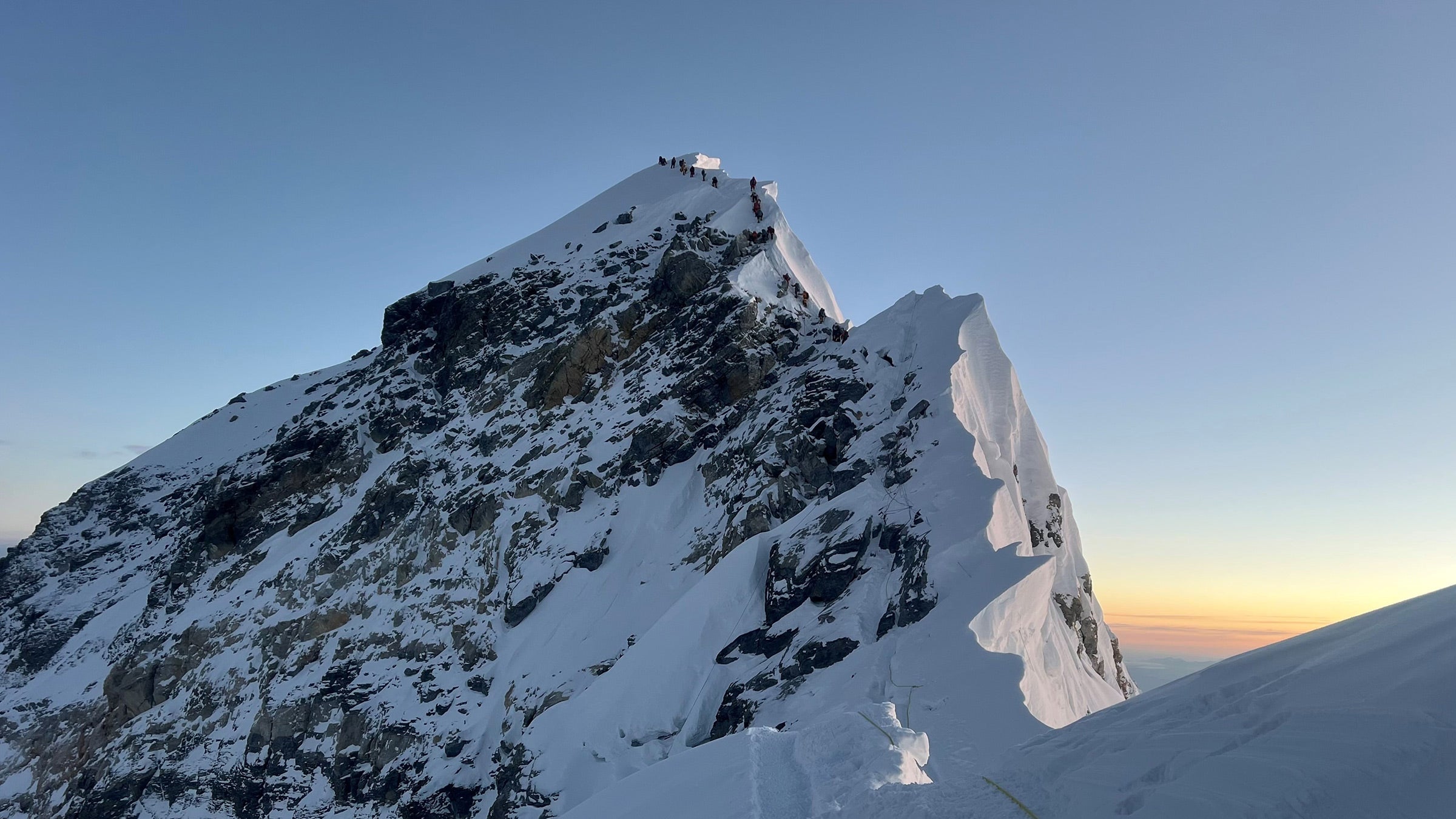
As of the first week of April, ten individuals have been taken into custody, while 22 others named in the report remain at large. The crackdown has sent ripples through the international insurance community. Several major global underwriters have signaled that they may increase premiums for Nepal-bound travelers or implement more stringent verification protocols for medical evacuations. The Ministry of Tourism has responded by promising a more transparent monitoring system at Base Camp to ensure that genuine life-saving flights are not hindered by the ongoing criminal investigation.
Political Reform and Proposed Climbing Regulations
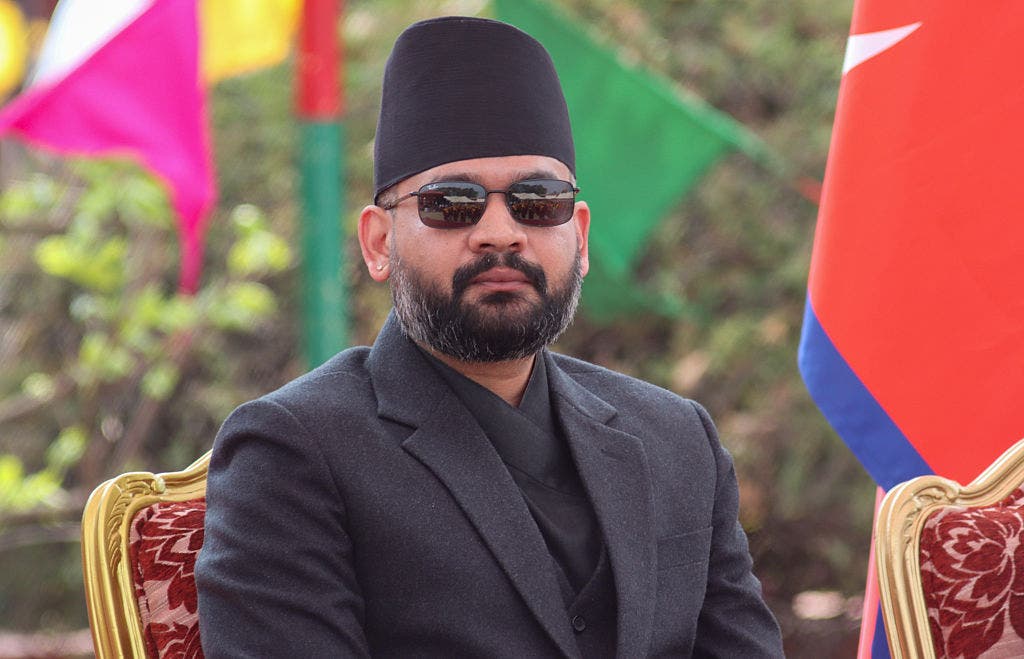
The 2026 season also marks the first major test for the administration of Prime Minister Balendra Shah. A 35-year-old former rapper and populist leader, Shah ascended to power in March 2026, leading the Rastriya Swatantra Party (RSP) to a near super-majority. His election represents a historic departure from the decades-long dominance of Nepal’s traditional political parties. Shah’s platform, built on transparency and modernization, has specifically targeted the mismanagement of the country’s natural resources, including the lucrative mountaineering industry.
A central figure in this political shift is Mingma David Sherpa, a world-renowned climber and RSP Member of Parliament. Leveraging his experience with nine successful Everest summits, Mingma David is advocating for a complete overhaul of the permit system. The proposed legislation would require any climber seeking an Everest permit to have first successfully ascended a 7,000-meter peak within Nepal. There are further discussions regarding an 8,000-meter requirement for certain high-traffic routes.
The objective of these reforms is twofold: to reduce the annual death toll by ensuring climbers possess sufficient technical experience and to distribute tourism revenue more evenly across other regions of the Himalayas. "We cannot continue to treat Everest as a beginner’s peak for the wealthy," Mingma David stated in a recent legislative session. While these rules have not been fully implemented for the 2026 season, the Ministry of Culture, Tourism, and Civil Aviation has indicated that strict enforcement of existing safety protocols will be a priority this spring.
Permit Trends and Economic Impact
Official documents viewed by journalists at Base Camp indicate that the Nepali government has issued approximately 400 permits for Everest this year. This figure represents a decrease from the 517 permits issued in 2025, which was a record-breaking year. Experts attribute the decline to several factors, including the new scrutiny on insurance, the rising costs of expeditions—which now often exceed $60,000 per person—and travel disruptions caused by ongoing conflicts in the Middle East.
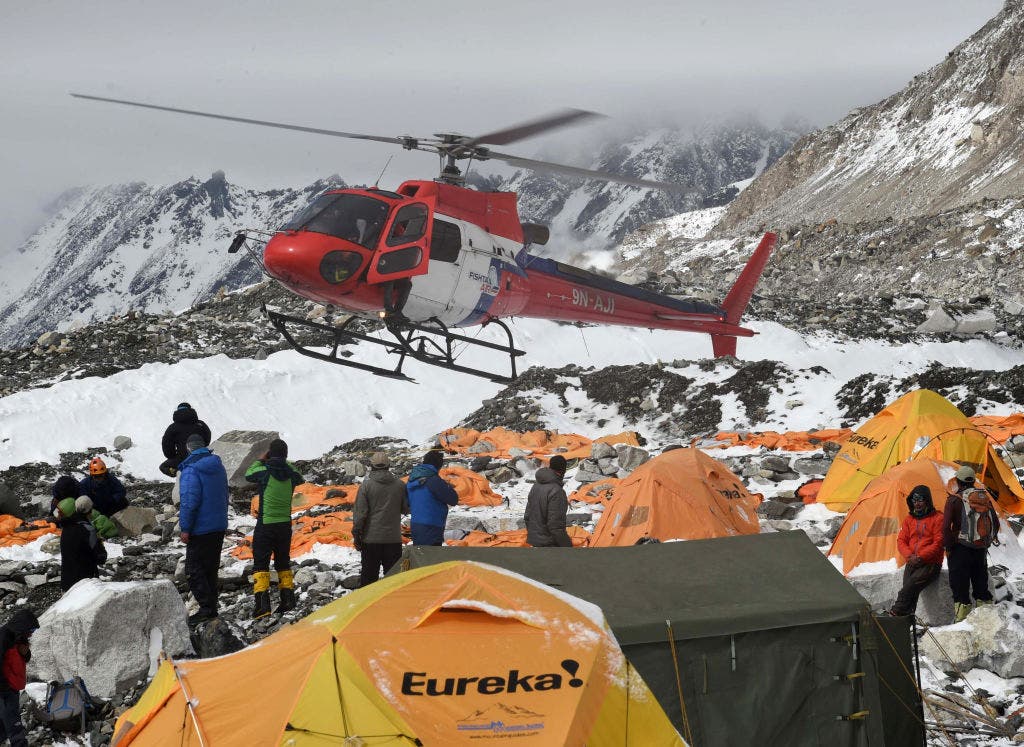
Despite the lower volume, the economic stakes remain immense. Each foreign climber pays $11,000 for an Everest permit alone, contributing millions to the national treasury. When factoring in gear, domestic flights, local guides, and food, the Everest industry remains a cornerstone of the Nepali economy. The shift toward a slightly lower number of participants is viewed by some environmentalists and veteran guides as a positive development, potentially reducing the "bottlenecks" at the Hillary Step and the Balcony that have contributed to fatalities in high-traffic years.
Technological Integration: The Rise of Heavy-Lift Drones
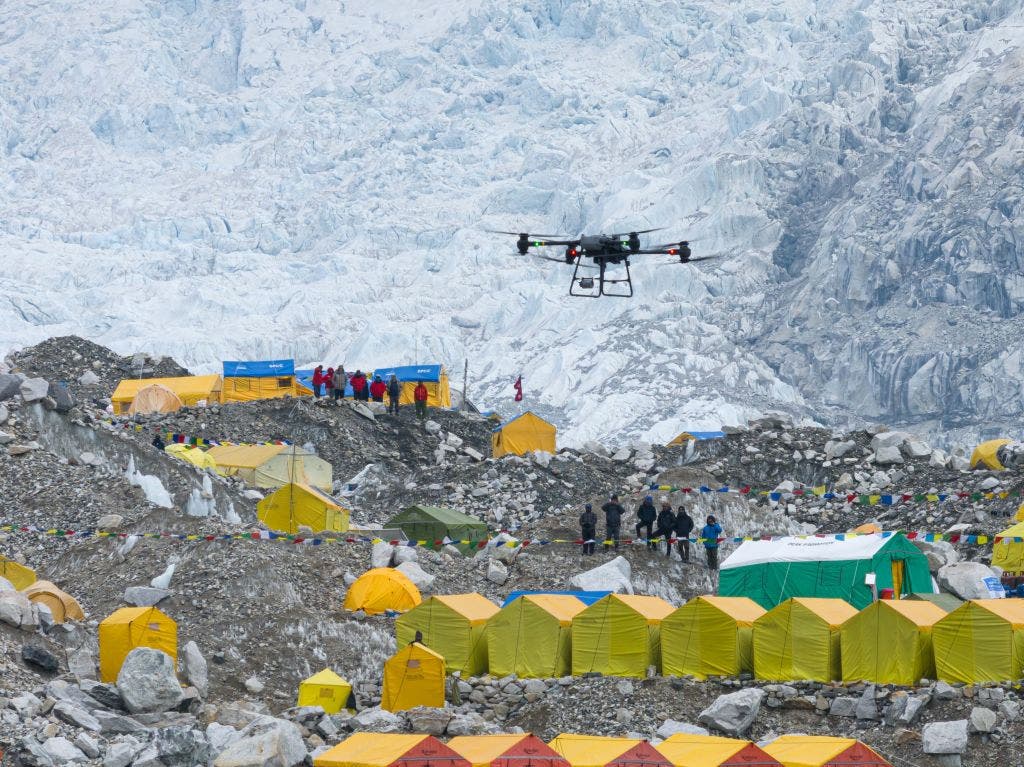
One of the most significant logistical advancements for the 2026 season is the permanent integration of heavy-lift drones into the mountain’s workforce. Following successful pilot programs in 2025, drones are now being used to ferry essential supplies across the Khumbu Icefall. This section of the climb is considered the most dangerous due to its shifting seracs and deep crevasses. Historically, Sherpas had to make dozens of trips through the Icefall to stock Camp I and Camp II with oxygen, tents, and food.
This year, local operators are utilizing advanced models, including the DJI FlyCart series from China and several American-made prototypes. These drones are capable of carrying payloads of up to 50 kilograms (110 pounds) in the thin air of 17,500 feet. Beyond supply delivery, the drones serve a critical environmental function by transporting human waste and abandoned gear back down to Base Camp. This technological shift is expected to significantly reduce the risk to high-altitude workers, although it has sparked debate among traditionalists regarding the "mechanization" of the wilderness experience.
Notable Climbers and Record Attempts
The 2026 roster includes a mix of elite athletes, record-holders, and high-profile influencers. Kristin Harila, who famously climbed all fourteen 8,000-meter peaks in record time, has returned to the mountain. After a brief retirement, Harila is attempting a "Triple Crown" without supplemental oxygen, which involves summiting Everest, Lhotse, and Nuptse in a single continuous push. Her return has drawn significant media attention, particularly regarding the ethics of high-speed climbing and the use of support teams.
In the realm of speed records, American ultrarunner Tyler Andrews and Swiss-Ecuadorian Karl Egloff are back for another attempt at the Fastest Known Time (FKT) for an oxygen-free ascent. Both athletes faced setbacks in 2025 due to weather conditions and are looking to capitalize on what meteorologists predict will be a stable, albeit cold, weather window in mid-May.
The season also features significant milestones for veteran Sherpas. Kami Rita Sherpa is aiming for his 32nd successful ascent, extending his own world record for the most summits by any individual. Similarly, Lhakpa Sherpa, the subject of the documentary Mountain Queen, is seeking her 11th summit to further solidify her record as the most successful female Everest climber.
The intersection of digital culture and mountaineering is represented by Ryan Mitchell, a prominent video game influencer and YouTuber. Mitchell, who gained notoriety for a viral video detailing the physical and mental toll of his 2025 ascent, is attempting the peak again this year without supplemental oxygen. His presence highlights the evolving nature of Everest clientele, where personal branding and digital storytelling are now as central to many expeditions as the climb itself.
Human-Powered and Environmental Expeditions
A growing trend for 2026 involves "low-impact" and human-powered journeys. Romanian climber Cris Cristea is currently trekking through northern India, having started his journey at sea level in Digha. He plans to walk 1,300 miles to reach Base Camp before attempting the summit. Similarly, Australian Oliver Foran is cycling from the Indian coast to the Himalayas, aiming to complete a 60-day sea-to-summit expedition.
On the reverse end of the spectrum, the "Summit to Sea" team—comprised of Chandra B. Ale, Ang Tshering Lama, and Nishan Adhikari—plans to summit Everest and then travel by foot and kayak to the Bay of Bengal. This 1,800-mile journey is designed to highlight the impact of climate change on the Himalayan watershed. The team’s mission underscores the environmental fragility of the region, where glacial melt is accelerating at an alarming rate, threatening the water security of millions downstream.
Implications and Future Outlook
As the 2026 season unfolds, the mountaineering community finds itself at a crossroads. The government’s aggressive stance against insurance fraud and the rise of a new political class suggest that the "Wild West" era of Everest may be coming to an end. The integration of drone technology and the potential for stricter permit requirements point toward a future that prioritizes safety and environmental sustainability over raw volume.
However, the core challenges of Everest remain unchanged. The Khumbu Icefall continues to move, the weather remains unpredictable, and the physiological effects of the Death Zone do not discriminate based on technology or politics. As climbers begin their acclimatization rotations to Camp I and Camp II, the eyes of the world remain on the high Himalaya, watching to see if these reforms can successfully balance the commercial demands of the mountain with the ethics of modern alpinism.



 Budi Mulyono
 Lukman Taruna Persada Ramadan
 Chandra Hamzah
 Gabriela Annisa
 Tatiana Tantri Indah Sari