
 Hendra Ismail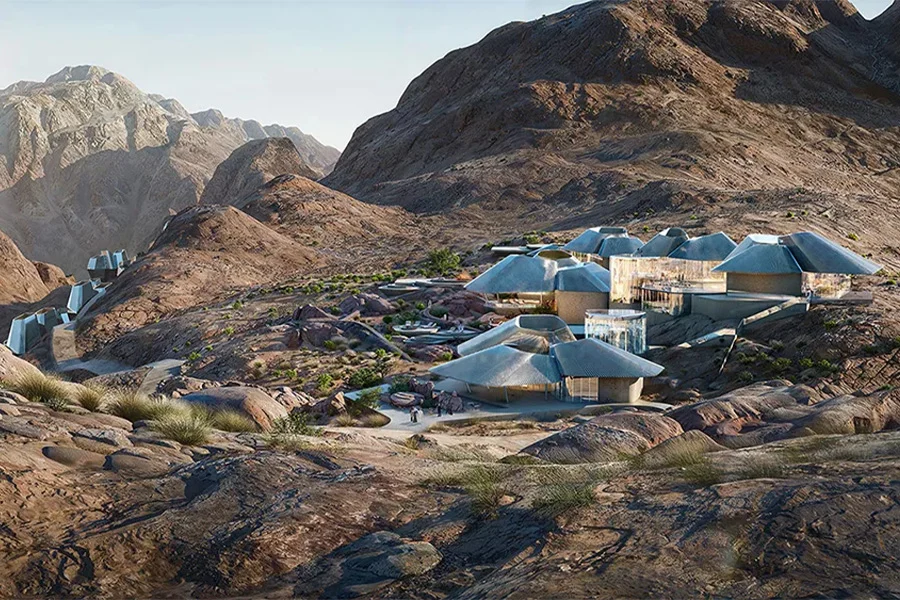
The hospitality industry, a dynamic and ever-evolving sector, is continuously shaped by global events, economic shifts, and groundbreaking design. This week’s roundup delves into significant developments impacting the sector, from major infrastructure projects facing revisions to the enduring allure of iconic design and the vibrant pulse of industry gatherings.
NEOM’s Ambitious Vision Faces Contractual Adjustments Amid Shifting Geopolitical Landscapes
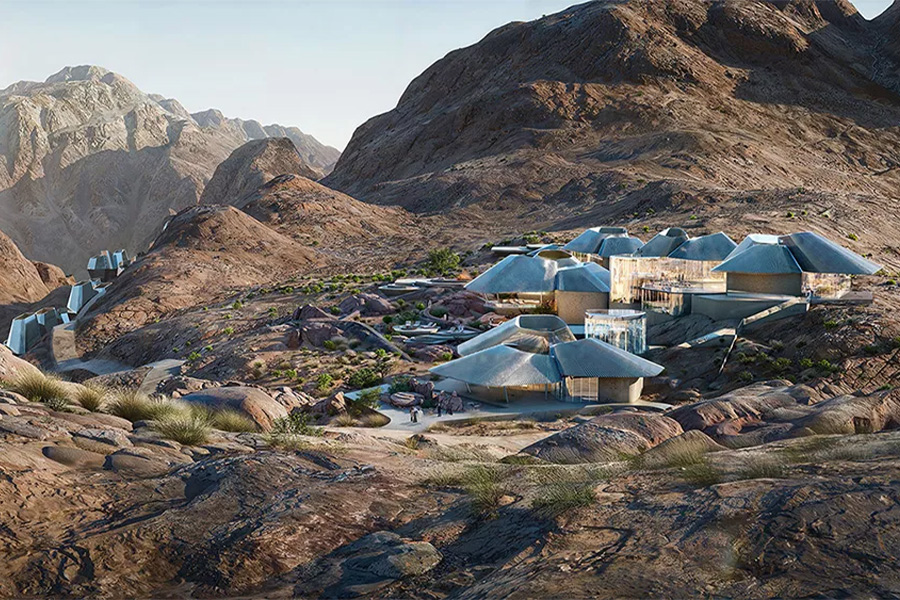
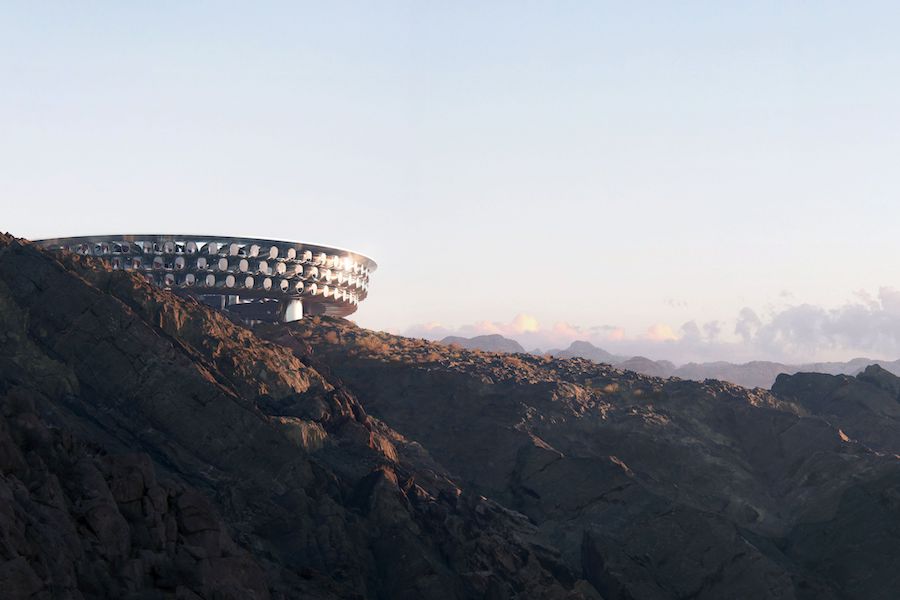
Saudi Arabia’s ambitious NEOM megaproject, a cornerstone of the Kingdom’s Vision 2030, is experiencing significant contractual adjustments that could reverberate through the global hospitality and construction industries. Three key companies have recently cancelled contracts related to the development of two of NEOM’s flagship components: The Line, a futuristic linear city, and Trojena, a planned mountain resort intended to host the 2029 Asian Winter Games.
Steel company Eversendai and Italian contractor Webuild have officially terminated their agreements concerning the Trojena ski resort development, which is currently under construction in the mountainous Tabuk region. Simultaneously, Hyundai Engineering & Consulting announced the cancellation of its contract with Samsung Construction and Trading and contractor Archirodon for the construction of a tunnel project integral to The Line. These cancellations come shortly after the announcement that Trojena will no longer serve as the host for the 2029 Asian Winter Games, a decision that has raised questions about the project’s timeline and scope.
The NEOM project, envisioned as a transformative urban and industrial hub, has attracted considerable international attention and investment since its inception. The Tabuk region, specifically designated for Trojena, was selected for its unique mountainous terrain, offering the potential for snow sports in a region not typically associated with such activities. The initial announcement of Trojena as the host for the 2029 Asian Winter Games was seen as a major validation of the project’s feasibility and its potential to attract significant tourism and sporting events. However, the recent contract terminations suggest a recalibration of priorities or an acknowledgement of the immense logistical and financial challenges inherent in such large-scale undertakings.
While Eversendai has publicly stated that its other ongoing projects in the Middle East remain unaffected, the NEOM contract cancellations signal a potential slowdown or reassessment of the project’s aggressive development schedule. The geopolitical climate in the Middle East, coupled with the sheer scale and unprecedented nature of the NEOM developments, likely contributes to these ongoing adjustments. The implications for the hospitality sector are substantial. The planned luxury resorts, including a Ritz-Carlton Reserve in Trojena, and other high-end accommodations were integral to NEOM’s vision of attracting global tourism and business. The delays or modifications to these projects could impact future hospitality investment and development strategies in the region. Industry analysts are closely watching for further updates from NEOM and its partners to understand the long-term trajectory of these ambitious developments and their ripple effects on global hospitality trends. The project’s ability to adapt and navigate these challenges will be a critical determinant of its ultimate success.
The Enduring Legacy of Eames Design: A Modular Home Offering for Design Enthusiasts
In a notable collaboration that bridges iconic mid-century modernism with contemporary living, the Eames Office and Spanish furniture manufacturer Kettal have unveiled a new modular construction system. This innovative offering draws inspiration from the seminal Eames House, also known as Case Study #8, located in the Pacific Palisades neighborhood of Los Angeles. The announcement, timed with Milan Design Week, offers design aficionados a unique opportunity to own a piece of architectural history, albeit in a more accessible format.
Charles and Ray Eames, renowned for their groundbreaking contributions to architecture, furniture design, and filmmaking, created their Case Study House in 1949 as part of Arts & Architecture magazine’s influential Case Study House program. This program aimed to promote innovative and cost-effective residential design. The Eames House, with its prefabricated components and emphasis on functionality and connection to nature, remains an enduring symbol of modern residential architecture.
The new modular system, as reported by Fast Company, aims to capture the essence of the Eames House’s design principles. The initial offering, an indoor pavilion, spans approximately 170 square feet and is priced around $52,000. While not a full-scale replica of the original dwelling, this modular unit allows individuals to acquire a space that embodies the Eames’ aesthetic and philosophy. The system is designed for flexibility, enabling users to combine and stack multiple modules to create a more expansive living or working area, catering to various spatial needs.
Further expanding the possibilities, an outdoor version of the modular system is slated for a limited release in 2027. This iteration is expected to command a higher price point, estimated at nearly $69,000, reflecting its suitability for outdoor environments and potentially more robust construction. The collaboration between the Eames Office and Kettal signifies a sophisticated approach to bringing a revered architectural legacy into the contemporary market. For the hospitality industry, this trend towards modular, prefabricated, and adaptable architectural solutions can offer insights into creating unique guest experiences, pop-up accommodations, or distinctive design elements within larger hotel developments. The emphasis on iconic design and a tangible connection to design history also aligns with the growing consumer demand for authentic and story-rich experiences.
James Turrell’s Monumental Skyspace to Redefine Perception at ARoS Aarhus Art Museum
The intersection of art, architecture, and light will reach new heights this June with the unveiling of James Turrell’s largest Skyspace to date at Denmark’s ARoS Aarhus Art Museum. This monumental installation, a permanent addition to the museum’s collection, promises to be a significant cultural landmark, offering visitors a profound sensory experience.
James Turrell, an American artist renowned for his work with light and space, has been creating his Skyspace series since the 1970s. These immersive installations typically involve a specially designed room with an opening in the ceiling, through which natural light enters and interacts with the interior space. By carefully controlling the ambient light and its diffusion, Turrell aims to alter viewers’ perception of space, time, and the sky itself. The experience is often described as meditative and transformative, blurring the lines between the physical environment and the viewer’s consciousness.
The new Skyspace at ARoS Aarhus, titled "As Seen Below – The Dome," is an ambitious undertaking. Measuring an impressive 52 feet in height and 131 feet in diameter, it is the artist’s most expansive work in the series to date. The design features a large-scale dome with a carefully calibrated void that frames the sky, allowing natural light to filter in and redefine the perceived boundaries between architecture, light, and human perception. This ambitious project is also the culmination of ARoS Aarhus’s extensive expansion project, which was led by the architectural firm Schmidt Hammer Lassen Architects.
The integration of such a significant art installation into a museum setting underscores the growing importance of experiential art and design in attracting and engaging visitors. For the hospitality sector, particularly in the realm of cultural tourism, the presence of world-class art installations like Turrell’s Skyspace can serve as a powerful draw. Hotels and resorts that can offer proximity to or integration with such cultural experiences can enhance their appeal to a discerning clientele seeking enrichment beyond traditional amenities. The successful completion and public reception of "As Seen Below – The Dome" will undoubtedly contribute to the dialogue surrounding the role of art in public spaces and its impact on visitor engagement and destination branding.
Deconstructing Reality: The Architectural Allure of "Dream Facades"
The opulent and often exaggerated world of reality television real estate has long captivated audiences, offering glimpses into the lives and homes of the affluent. This fascination is now the subject of critical examination in "Dream Facades: The Cruel Architecture of Reality TV," a new book by Dwell managing editor Jack Balderrama Morley. A recent walking tour in Manhattan, featured in The New Yorker, provided a tangible exploration of these iconic television locales.
Morley’s work delves into the multimillion-dollar homes that serve as backdrops for popular reality shows, particularly those on networks like Bravo. The book analyzes how these residences, often meticulously staged and presented, reflect broader societal trends, including a pervasive aesthetic of "whitewashed living" that can sometimes be linked to issues of displacement and gentrification. Despite these critical undertones, the aspirational quality of these homes remains undeniable, fueling public interest and a desire to emulate the perceived lifestyles.
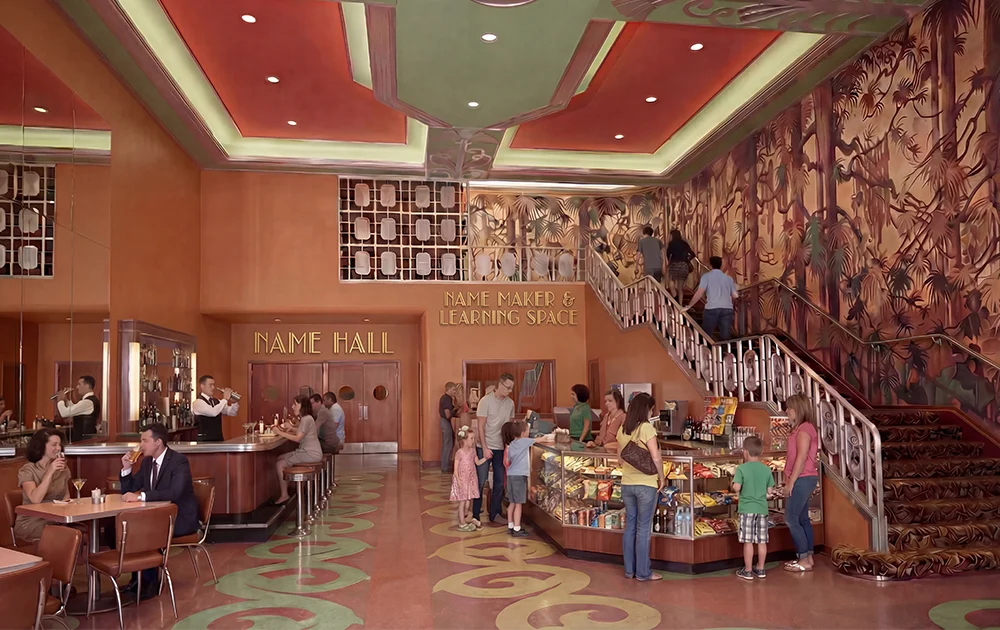
The Manhattan walking tour, guided by Morley and New Yorker writer Emma Allen, highlighted several memorable locations. Among these were Bethenny Frankel’s original Upper East Side apartment, a former setting for "The Real Housewives of New York City," and Sonja Morgan’s notorious townhouse, which officially entered the market in 2024. A particularly striking example featured in the tour was the Meyer Davis-designed Soho loft owned by Jenna Lyons, a former cast member of "RHONY." The visual appeal and sophisticated design of such properties, even when viewed through the lens of reality television, continue to inspire and inform design trends.
The implications for the hospitality industry are multifaceted. The visual language of luxury and aspirational living popularized by reality TV significantly influences guest expectations and design preferences in hotels, resorts, and vacation rentals. The curated perfection, the emphasis on high-end finishes, and the integration of technology and entertainment systems seen in these televised homes often translate into desired features for hospitality spaces. Furthermore, the growing interest in the "behind-the-scenes" architecture of these environments suggests an opportunity for hotels to offer unique architectural tours or experiences that highlight design narratives, similar to Morley’s book and walking tour. Understanding these cultural touchstones allows hospitality businesses to better cater to the desires and perceptions of their clientele, ensuring that design choices resonate with contemporary aesthetic sensibilities shaped, in part, by the pervasive influence of reality television.
HD Expo Unveils a Reinvigorated Brand Identity to Usher in a New Era of Hospitality Design
The premier event for the hospitality design industry, HD Expo, has launched a striking new brand identity, signaling a fresh chapter in its evolution as the sector’s most significant annual gathering. This strategic rebranding, developed in collaboration with the global creative agency forceMajeure, is designed to reflect the show’s core principles of discovery, learning, and connection.
The refreshed visual identity is distinguished by a sophisticated arch motif. This recurring element is inspired by architectural thresholds and the concept of spatial transitions, symbolizing the journey of innovation and the progression of ideas within the hospitality design landscape. The use of bold coral and magenta tones injects a vibrant energy and effervescence into the new look, mirroring the dynamic and forward-thinking creative drive that characterizes the industry today.
As the largest annual gathering for hospitality design professionals, HD Expo plays a crucial role in fostering collaboration, showcasing emerging trends, and facilitating business opportunities. The rebranding efforts aim to amplify this role, providing a visually compelling and conceptually resonant framework for the event. The arch motif, in particular, can be interpreted as a gateway to new possibilities, a bridge between conceptualization and realization, and a symbol of the welcoming and inclusive nature of the hospitality community.
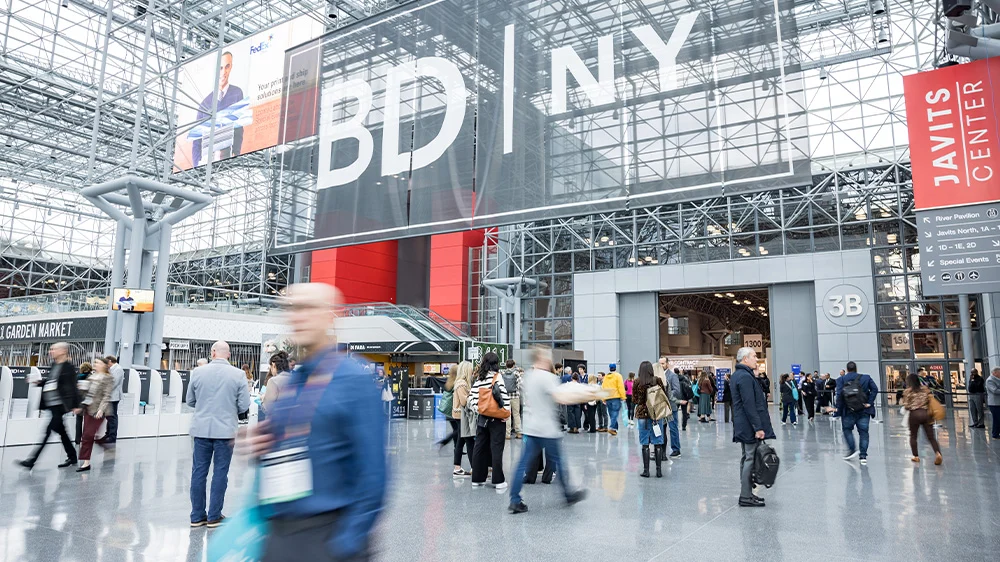
The implications of this rebranding extend beyond mere aesthetics. It signifies a deliberate effort by HD Expo to stay at the forefront of industry evolution, adapting its presentation to align with the contemporary values and aspirations of its attendees. For professionals in the hospitality design field, the refreshed brand identity serves as a visual cue that the expo remains a vital platform for engagement and inspiration. The upcoming HD Expo, scheduled to take place from May 5th to 7th at the Mandalay Bay Convention Center in Las Vegas, will offer an in-person opportunity to experience this new branding firsthand. Attendees can anticipate a dynamic environment that not only showcases the latest in hospitality design but also embodies the spirit of innovation and connection that the new brand identity represents. The event’s commitment to fostering discovery and learning, now visually articulated through its updated branding, underscores its continued importance as a cornerstone of the hospitality design calendar.

 Anjar Salim
 Chandra Hamzah
 Tatiana Tantri Indah Sari
 Budi Mulyono

