Gabriela Annisa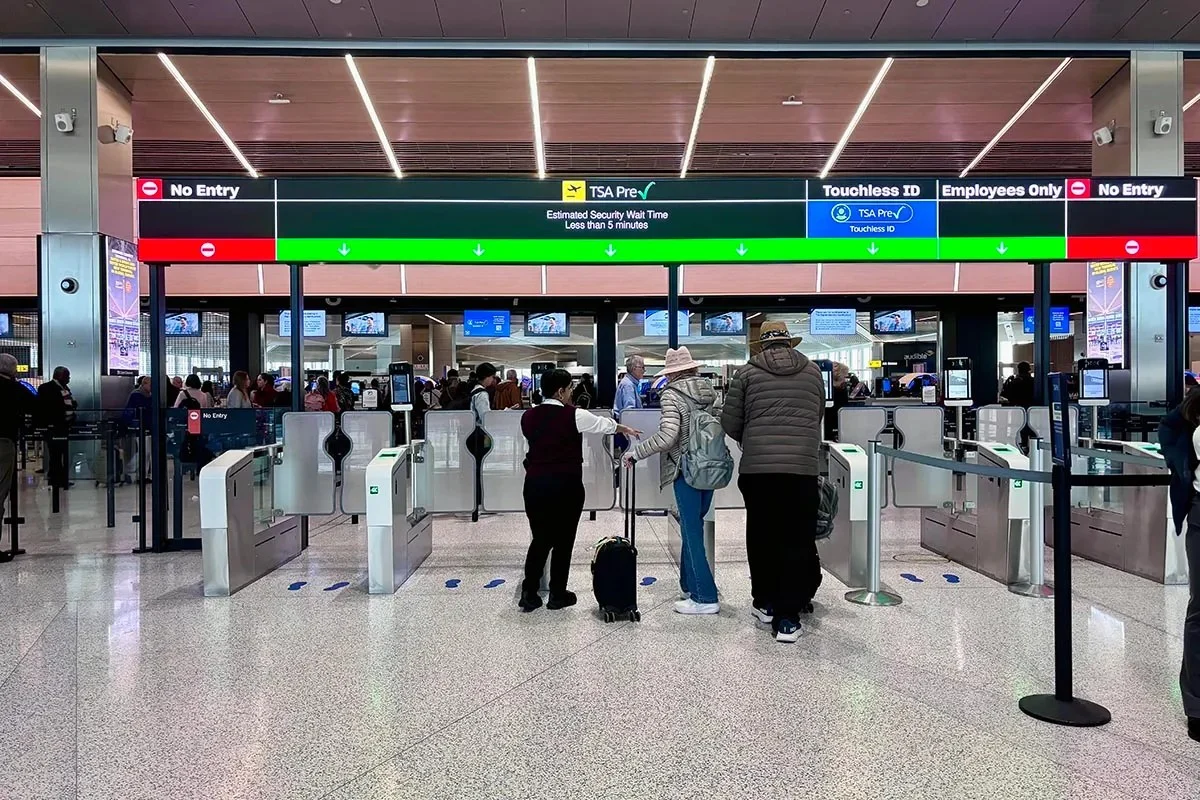
The global airline industry is navigating a complex and paradoxical crisis, characterized by a dramatic surge in jet fuel prices juxtaposed with remarkably resilient passenger demand. As the sector enters a period of heightened economic uncertainty, the challenge lies in sustaining profitability when a core operational cost has effectively doubled, yet customers continue to book flights despite rising fares. This unique scenario suggests an industry where the pain is not uniformly distributed, with some carriers and regions feeling the pinch more acutely than others.
The Escalating Fuel Price Onslaught
The most immediate and pressing concern for airlines worldwide is the relentless increase in jet fuel costs. As of the latest market observations on Tuesday, March 24th (referencing data points likely from early 2026, given the mention of 2025 full-year earnings), crude oil benchmarks, which heavily influence jet fuel prices, remained elevated. West Texas Intermediate (WTI), a key indicator for US prices, hovered around $91 per barrel, while Brent crude, the global benchmark for the majority of international contracts, stood at approximately $102 per barrel. While these figures represented a slight moderation from their recent peaks, they remained significantly higher than historical averages.
The true gravity of the situation is reflected in jet fuel prices, which are notoriously volatile and can vary substantially across different regions. According to the International Air Transport Association (IATA) Jet Fuel Price Monitor, the average global jet fuel price has surged by an astonishing 119% year-on-year. This translates to more than double the cost for airlines, placing immense pressure on operating margins.
Illustrating this dramatic shift, a low-cost carrier like Cebu Pacific, based in the Philippines, reported a staggering increase. Over a span of just two to three weeks, their average jet fuel costs per barrel escalated from around $86 in February to an approximate run rate of $180 through March, occasionally exceeding $200 per barrel in recent days. Such rapid and substantial increases highlight the vulnerability of airlines to global energy market fluctuations, especially those with less hedging in place or operating in regions particularly exposed to supply chain disruptions.
The current fuel price volatility is inextricably linked to ongoing geopolitical instability, particularly the lingering effects of the Russia-Ukraine conflict, which commenced in February 2022. Four years on, the conflict continues to disrupt global energy supply chains, exacerbate commodity shortages, and foster an environment of economic uncertainty. The aviation industry, heavily reliant on a stable and affordable energy supply, is among the first to feel the tremors of such global events.
Unwavering Passenger Demand: A Surprising Counterpoint
Despite the unprecedented fuel cost environment, passenger demand has remained remarkably robust across many parts of the globe. This phenomenon presents a "crisis with a twist," where the cost side of the equation is dire, but the revenue side continues to show surprising strength. Airlines across various segments and geographies are reporting strong bookings, even as they begin to pass on increased fuel costs through higher fares.
Several factors are believed to be contributing to this sustained demand:
- Pent-up Travel Demand: Following years of pandemic-induced travel restrictions and uncertainties, a significant reservoir of pent-up demand has accumulated. Consumers, having deferred vacations and business trips, appear eager to travel, prioritizing experiences over cost savings to a certain extent.
- Diversion of Travel: Geopolitical events and regional conflicts can lead to shifts in travel patterns. For instance, some demand that might traditionally have gone to the Middle East or even Europe could now be diverted to domestic or intra-regional destinations within Asia, for example. This benefits carriers operating in these alternative markets.
- Strong Economic Conditions (in some regions): While global economic forecasts are mixed, certain regions continue to experience relatively strong economic activity, supporting discretionary spending on travel, particularly among higher-income demographics.
- Anticipation of Further Fare Increases: Some travelers might be booking trips sooner rather than later, anticipating that airfares will only continue to climb if fuel prices remain high, effectively "getting ahead" of future price hikes.
- Less Price Elasticity for Certain Segments: As observed by executives like United Airlines CEO Scott Kirby, a segment of the traveling public, particularly higher-income individuals, may exhibit less price sensitivity, willing to pay more for desired travel experiences.
Airlines such as Lufthansa, Turkish Airlines, United, Delta, and Cathay Pacific have all noted strong demand trends, reinforcing the notion that, for now, the desire to travel is outweighing the increasing cost. This resilience, however, comes with a critical caveat: industry leaders acknowledge that there are inherent limits to how much fares can be increased before demand eventually softens.
Cebu Pacific: An Asian Low-Cost Carrier’s Struggle and Strategy
The experience of Cebu Pacific, a leading low-cost carrier (LCC) in the Philippines, offers a tangible illustration of these industry dynamics. Pre-COVID, Cebu Pacific was a highly profitable airline, often boasting operating margins of 20% in some years, a testament to its efficient operations and strong market presence. The carrier primarily focuses on the domestic market, which accounts for approximately 70% of its seat capacity, while also serving international routes, particularly catering to the large population of Philippine workers abroad in locations like the Gulf and Australia.
Cebu Pacific is known for its high-density configurations, notably packing 459 seats into its A330neo aircraft. This strategy is driven by the severe slot constraints at Manila’s Ninoy Aquino International Airport, allowing the airline to maximize revenue from limited take-off and landing slots. While they mostly deploy these wide-body aircraft on intra-Asia routes, they also historically flew them to Australia and the Gulf (though Dubai flights have been canceled due to regional instability, Riyadh flights to Saudi Arabia continue). The airline heavily relies on A321neos and also operates ATR turboprops for regional connections.
The airline reported an 11% operating margin for the full year 2025, indicating a solid recovery from the pandemic’s depths. However, this performance was not without its challenges. The second half of 2025 saw issues related to the grounding of aircraft equipped with Pratt & Whitney Geared Turbofan (GTF) engines, which required inspections due to powdered metal issues. Additionally, adverse weather conditions, including typhoons in key Philippine markets, impacted operations.
Looking ahead to 2026, Cebu Pacific is confronting the full force of the fuel crisis. CEO Mike Szucs candidly stated, "These levels are clearly not sustainable for Cebu Pacific. If they persist, but alongside the rest of the airline industry, ultimately the industry will face losses." He further elaborated that current price levels would effectively "double our fuel bill, all else being consistent."
In response, Cebu Pacific has begun taking "steps to pass on the incremental cost through fare adjustments" and has been "encouraged by the continued resilience in demand from March and April." However, Szucs reiterated the critical economic principle: "we know from history that there are limits to fare increases before demand softens." The airline, which had ambitious growth plans of 20% for 2025 (though only achieving 10% due to operational issues), is now starting to tweak its capacity downwards from planned levels. Further significant cuts are anticipated if fuel prices remain at current elevated rates for an extended period.
Broader Industry Landscape and Upcoming Financial Disclosures
Beyond the immediate concerns of fuel and demand, the aviation industry remains a hive of activity and ongoing developments. In the United States, issues such as "TSA drama" at airports continue to highlight operational pressures. Internationally, incidents like the Air Canada Express event at LaGuardia serve as a stark reminder of the complexities and safety considerations inherent in air travel.
Airlines are also actively shaping their future strategies. United Airlines is making significant orders, while Finnair is investing in E2 jets, indicating ongoing fleet modernization and expansion efforts. Executive changes, such as Indigo appointing a new strategy chief, signal strategic shifts within major carriers.
The coming weeks will offer further clarity as a wave of financial reports is released. The fourth-quarter (Q4) earnings season is extending, with major Brazilian carriers GOL and Azul yet to report their full-year 2025 figures. Similarly, mainland Chinese carriers, known for their delayed reporting cycles, are still awaited. These reports will provide crucial insights into how airlines navigated the latter half of 2025 and their initial outlooks for 2026 amid the evolving crisis. Looking even further ahead, Delta Air Lines has already set April 8th as the date for its first-quarter (Q1) earnings call, kicking off another round of disclosures that will shed light on the immediate impact of current market conditions.
Implications and Outlook: A Precarious Balance
The aviation industry finds itself in a precarious balance. The interplay between record-high fuel costs and unexpectedly strong demand creates a dichotomy that defies easy predictions. While robust demand provides a critical buffer, allowing airlines to raise fares and partially offset fuel expenses, this strategy has its limits. The fundamental economic principle of price elasticity dictates that at some point, further fare increases will inevitably deter a portion of the traveling public, leading to a softening of demand.
Regional disparities in exposure to fuel supply disruptions further complicate the picture. Countries in the Far East, including the Philippines, can be particularly vulnerable to blockages or shortages in the usual supply routes from the Gulf, potentially facing even higher localized fuel costs or supply risks.
The overarching hope within the industry is for a de-escalation of global conflicts and a normalization of energy supply chains. Until then, airlines will continue to adapt through dynamic pricing, capacity adjustments, and cost-control measures. The upcoming earnings calls will be vital in providing a more comprehensive understanding of how individual carriers are managing this unprecedented situation and what their outlook is for sustained profitability in a truly challenging operational environment. The crisis, while unique in its dual nature, underscores the inherent volatility and resilience that defines the global airline sector.


 Chandra Hamzah
 Tatiana Tantri Indah Sari
 Budi Mulyono
 Anjar Salim