
 Walid Sujud Trenggono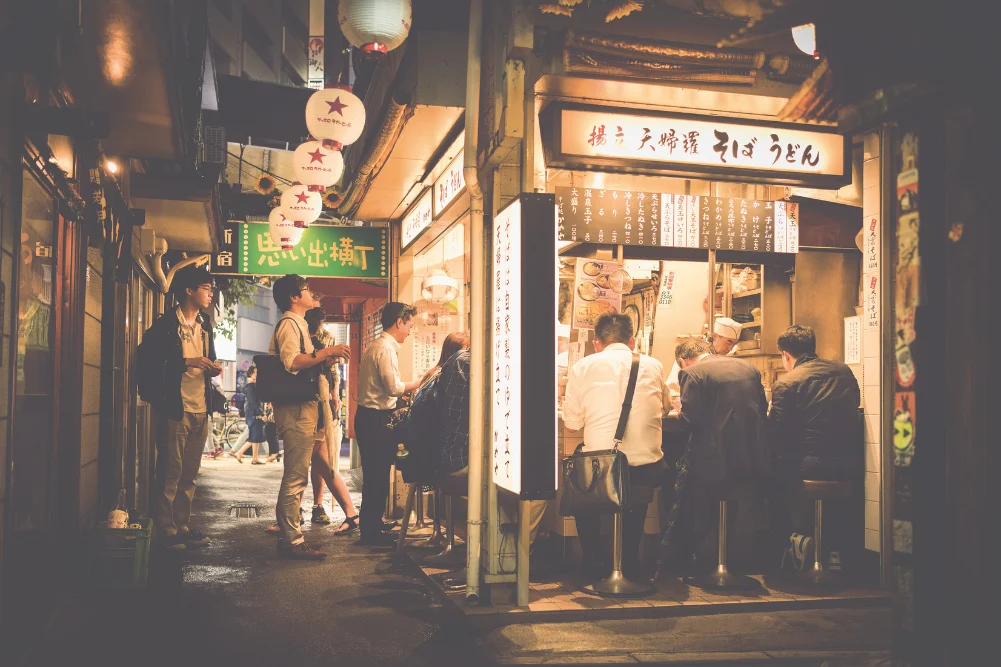
The narrative of the international expatriate often oscillates between the comfort of a known upbringing and the rigorous demands of a foreign landscape. In the late 20th century, Japan emerged as a primary destination for Western corporate relocation, creating a unique demographic of "Third Culture Kids" who navigated the intersection of Western identity and Japanese societal norms. This report examines the trajectory of a solo traveler’s return to Japan during the 1990s, analyzing the cultural nuances of the "gaijin" experience, the complexities of Japanese business etiquette, and the significant physical risks associated with amateur mountaineering on Mount Fuji. By synthesizing personal accounts with historical data on travel and safety, this analysis highlights the critical role of resilience and local hospitality in the expatriate experience.
The Historical Context of the Expatriate Experience (1982–1988)
The early 1980s marked a period of significant economic expansion in Japan, known as the "Bubble Economy." During this era, Tokyo became a global hub for multinational corporations, leading to a surge in foreign residents. For children of these expatriates, the transition was often facilitated by corporate incentives. Historical records indicate that international schools in Tokyo and Yokohama saw record enrollments during this decade, as families from the United States and Europe relocated to support the burgeoning financial and technological sectors.
The sensory landscape of 1980s Tokyo—characterized by the olfactory signature of yakitori carts and the dense concrete infrastructure—served as a foundational environment for young foreigners. This period was also defined by the logistical realities of long-haul air travel before the digital age. In 1982, international flights still permitted smoking in designated sections, and the "jet set" lifestyle was a standard component of executive relocation packages. For the expatriate child, travel was not a luxury but a functional necessity, fostering an early familiarity with customs procedures and international transit that would later inform their capacity for solo exploration.
The Sociological Shift in Solo Female Travel
By the mid-1990s, the landscape of international travel underwent a demographic shift. Historically, the mobility of women was restricted by both legal and social frameworks. Data from the mid-19th century shows that approximately 95 percent of passports were issued to men; married women typically traveled under their husband’s documentation, reinforcing a systemic assumption of female dependency.
However, by the late 20th century, the rise of solo female travel began to challenge these traditional principles. The subject of this study, returning to Japan for a senior high school project in the early 1990s, represents this transition. Traveling solo at age 18 to conduct research in Tokyo required a level of administrative autonomy that was relatively new for young women. This period saw an increase in female participation in study-abroad programs, which, according to the Institute of International Education, began to outpace male participation in certain humanities and social science sectors during the 1990s.
Navigating the Nuances of Japanese Business Culture
The late 1990s introduced a more rigorous phase of integration: the corporate internship. Working within a multinational firm in Tokyo as a "gaijin" (foreigner) necessitated a deep understanding of keigo (honorific language) and meishi koukan (the exchange of business cards).
In Japanese corporate culture, the meishi is viewed as an extension of the individual’s identity. The protocol for exchanging cards—using both hands, ensuring the text faces the recipient, and placing the received card carefully on the table during meetings—is a fundamental ritual of professional respect. For a 22-year-old law student, these rituals were essential for maintaining wa (harmony).
The term gaijin, literally translating to "outside person," remains a complex descriptor in a largely homogenous society. While some interpret the term as exclusionary, cultural analysts suggest it reflects a factual observation of one’s position relative to the deep-seated traditions of Japan. Successfully navigating this environment requires a "softening" of Western communication styles, including modulated vocal tones and a reduction in expansive physical gestures, to align with Japanese social cues.
The Mount Fuji Incident: A Chronology of Risk
The most significant event in this narrative occurs during a recreational ascent of Mount Fuji (Fuji-san). Despite its status as a cultural icon and a popular hiking destination, Mount Fuji presents severe meteorological and topographical challenges.
Timeline of the Ascent
- 05:00: Departure from Tokyo via bus to the Fuji Subaru Line 5th Station (base camp).
- 07:30: Commencement of the climb. The climbers utilized standard running shoes and improvised rain gear (plastic ponchos), which are statistically linked to higher rates of injury among amateur hikers.
- 12:30: Reaching the summit crater. Conditions at 3,776 meters are characterized by high winds and rapid temperature drops, even in summer.
- 14:00: Beginning of the descent. The descent on Fuji is often more hazardous than the ascent due to the loose volcanic scree (cinder) which causes frequent slips.
- 16:30: Disorientation occurs. The climbers inadvertently deviated from the marked trail, entering a densely forested area often referred to as the "Forbidden Forest."
The "Forbidden Forest" and Aokigahara Context
While the term "Forbidden Forest" is used colloquially by locals to warn tourists, it often refers to the Aokigahara Jukai (Sea of Trees) or similar dense woodlands at the mountain’s base. This region is notorious for its magnetic iron deposits, which can interfere with compasses, and its dense canopy, which obscures the sun and landmarks. Every year, the Yamanashi and Shizuoka prefectural police conduct search and rescue operations for hikers who lose their way in these sectors.
Environmental and Safety Analysis
The decision to attempt a one-day "bullet climb" (ascending and descending without an overnight stay in a mountain hut) is discouraged by Japanese authorities. According to the Ministry of the Environment, bullet climbing significantly increases the risk of altitude sickness and physical exhaustion.
In this specific case, the lack of "technical gear"—such as high-traction hiking boots and moisture-wicking layers—exacerbated the physical toll on the climbers’ joints. The "running shoe" factor is a recurring theme in mountain rescue reports. The descent from Fuji involves a repetitive, jarring motion on steep inclines, which can lead to "hiker’s knee" or patellofemoral pain syndrome. When combined with the psychological stress of being lost in a forest after sunset, the risk of a fatal error increases exponentially.
Official Responses and the Role of Local Hospitality
The rescue of the two hikers was not performed by official emergency services but by the intervention of a local resident. This highlights a significant aspect of Japanese social fabric: omotenashi, or wholehearted hospitality.
The family that provided food (ramen and beverages) and facilitated the hikers’ return to a bus station represents a non-institutional safety net that often exists in rural Japan. While Japanese officials consistently urge climbers to adhere to strict safety protocols—including carrying topographic maps, headlamps, and adequate water—the cultural tradition of assisting distressed travelers remains a vital component of the Japanese experience for foreigners.
Statements from the Shizuoka Prefecture Mountain Safety Council emphasize that "the mountain does not discriminate between the experienced and the novice." They advocate for a "leave no trace" policy and strict adherence to marked paths to prevent the very disorientation described in this account.
Broader Impact and Implications for Modern Travelers
The narrative of the Mount Fuji ascent serves as a cautionary tale for the modern "adventure tourist." In the decades since the 1990s, the number of climbers on Mount Fuji has surged, leading to the implementation of new hiker quotas and entry fees in 2024 to manage "over-tourism" and ensure safety.
For the solo female traveler, the experience in Japan underscores a dual reality: the country is one of the safest in the world in terms of low crime rates, yet it poses significant natural risks due to its mountainous terrain and unpredictable weather. The lessons of resilience, trust, and cultural adaptation remains relevant.
Key Takeaways for International Expatriates:
- Preparation Over Bravado: Technical gear is a prerequisite for safety, not a luxury.
- Cultural Fluency: Understanding social hierarchies and rituals (like meishi exchange) is as important as linguistic proficiency.
- The Value of Local Knowledge: Heeding warnings about geographical hazards (the "Forbidden Forest") can prevent life-threatening situations.
- Institutional vs. Personal Support: While Japan has robust emergency services, the cultural ethos of omotenashi often provides the most immediate relief in times of crisis.
In conclusion, the journey from an expatriate child in 1982 to a law intern and mountain climber in the late 1990s illustrates the profound impact of Japan on the individual. The "Forbidden Forest" serves as a metaphor for the challenges of the unknown. By moving forward "one step at a time," the traveler develops a form of self-reliance that is essential for navigating both the literal mountains of the Japanese archipelago and the metaphorical hurdles of a globalized career. The enduring legacy of such experiences is a commitment to cultural empathy and a rigorous respect for the natural world.


 Anjar Salim
 Chandra Hamzah
 Tatiana Tantri Indah Sari
 Budi Mulyono

