Tatiana Tantri Indah Sari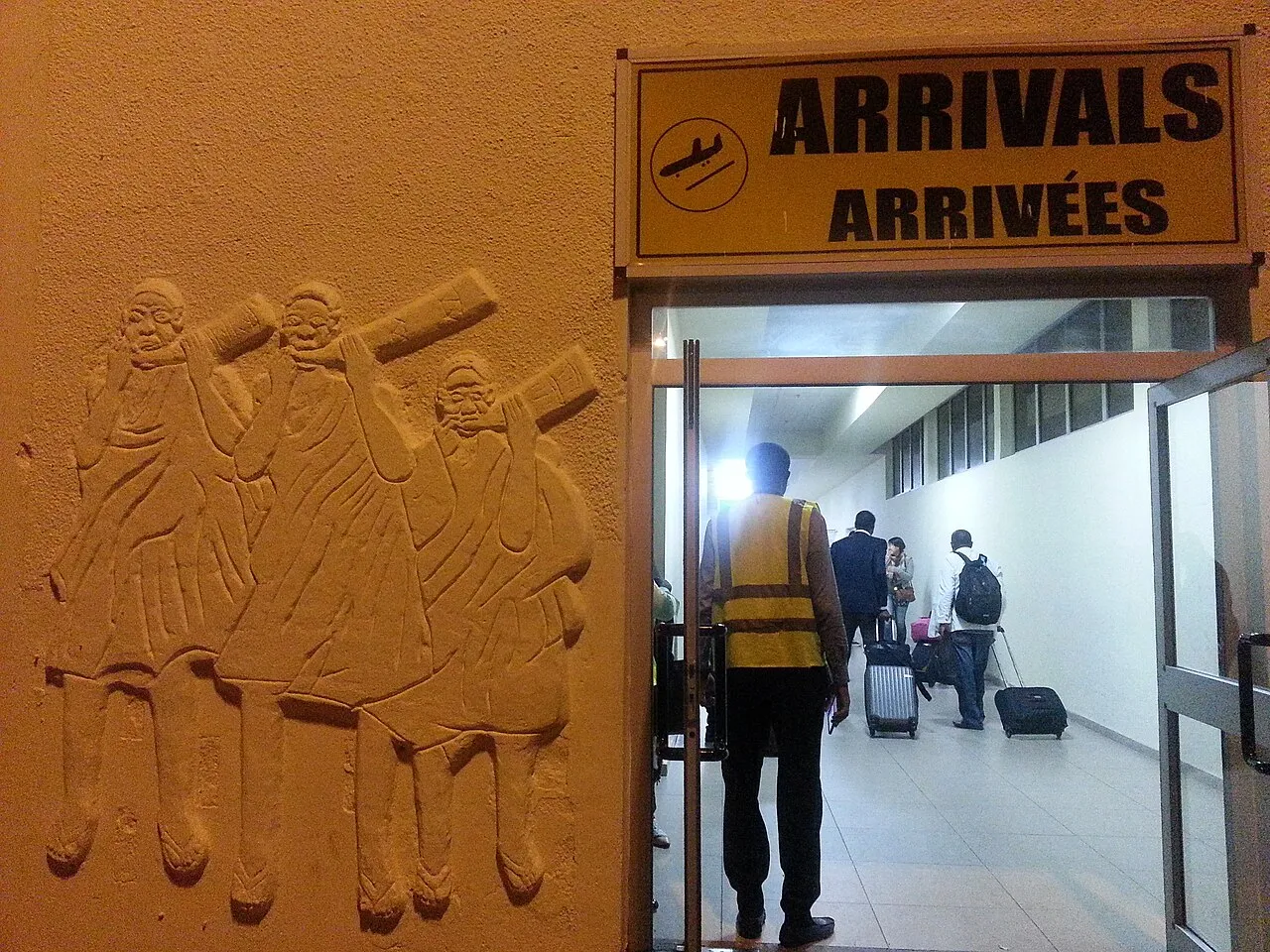
In a significant shift across the African continent, governments are increasingly dismantling traditional visa barriers, embracing open border policies as a cornerstone of their growth strategies. This proactive approach, exemplified by pioneers like Benin and Rwanda, signals a broader commitment to boosting tourism, facilitating trade, and fostering regional integration. The strategic pivot from restrictive entry requirements to streamlined digital authorizations and visa-free access is transforming the continent’s accessibility, setting the stage for unprecedented economic opportunities and cultural exchange.
Benin’s Bold Move: A West African Precedent
Benin, a nation in West Africa, emerged as a vanguard in this continental movement in 2017 when it unilaterally opened its borders to every African passport holder, eliminating the need for a visa. This groundbreaking decision, unusual for a region often characterized by complex entry regulations, was a clear statement of intent. The initial policy was followed a year later, in 2018, by the introduction of a sophisticated e-visa system designed to simplify travel for a global audience. This digital platform promised and delivered rapid approvals, processing applications from over 140 countries within a remarkable 48-hour window.
The impact of these policy changes was almost immediate and demonstrably positive. Tourist arrivals in Benin began a steady ascent, reflecting the newfound ease of access. From approximately 337,000 visitors in 2019, the numbers are projected to climb to over 435,000 by 2025. Encouraged by this robust growth, the Beninese government has set an ambitious target: welcoming 2 million annual international visitors by 2030. This aspirational goal underscores the nation’s confidence in its tourism potential and the efficacy of its liberalized visa regime. The move was not merely about increasing numbers; it was about positioning Benin as a welcoming and accessible destination, leveraging its rich cultural heritage, historical sites like the former Kingdom of Dahomey, and pristine Atlantic coastline.
Rwanda’s Strategic Opening: Flexibility and Efficiency
Following a similar trajectory, Rwanda, a nation renowned for its progressive governance and commitment to conservation, has also championed ease of entry. In 2018, the East African nation introduced a comprehensive visa-on-arrival policy for all nationalities, a move that significantly enhanced its global accessibility. This was paired with a highly efficient e-visa system, mirroring the digital transformation seen in Benin. The dual approach provides travelers with unparalleled flexibility: they can either plan their trips meticulously by applying for an e-visa in advance or make spontaneous decisions, securing their entry permit upon arrival at Kigali International Airport or other points of entry.
Rwanda’s strategy is deeply intertwined with its vision of becoming a regional hub for business, conferences (MICE tourism), and high-end ecotourism. The country’s commitment to conservation, particularly its successful gorilla trekking programs, has already established it as a premier destination. The visa liberalization policies have further amplified this appeal, attracting a diverse range of visitors, from adventurers and nature enthusiasts to investors and delegates attending international forums. While specific post-2018 arrival numbers attributable solely to visa changes are complex to isolate from broader tourism promotion efforts, the general trend indicates sustained growth, positioning tourism as one of Rwanda’s top foreign exchange earners.
A Continental Paradigm Shift: The Africa Visa Openness Index
Benin and Rwanda are not isolated cases; their actions are indicative of a profound, continent-wide re-evaluation of visa policies. Across Africa, policymakers are increasingly recognizing that ease of entry is not just a convenience for travelers but a potent economic growth strategy. This shift is deeply rooted in the African Union’s (AU) Agenda 2063, which envisions "A prosperous Africa based on inclusive growth and sustainable development." A key pillar of this agenda is the promotion of free movement of people, goods, and services across the continent, culminating in a "visa-free Africa."
The African Development Bank (AfDB) has been instrumental in tracking and promoting this progress through its annual Africa Visa Openness Index (AVOI). The AVOI measures how open African countries are to one another, based on their visa requirements. Since its inception in 2016, the index has consistently shown an upward trend in visa openness. In 2023, the average visa openness score for Africa reached its highest level, demonstrating significant strides. For instance, in 2016, only 20% of African countries offered visa-free access or visa-on-arrival to all other Africans. By 2023, this figure had risen significantly, with a growing number of countries embracing more liberal policies.
Key findings from the AVOI often highlight:
- Regional Disparities: While progress is evident, some regions, like East Africa (through the East African Community’s common visa) and West Africa (ECOWAS protocol), demonstrate higher levels of openness to their own citizens.
- Top Performers: Nations like Seychelles, Gambia, and Benin consistently rank high due to their expansive visa-free or visa-on-arrival policies for a large number of African and sometimes global citizens.
- Diverse Approaches: Countries are adopting various strategies, including full visa-free entry, visa-on-arrival, e-visa systems, and regional common visas, all aimed at reducing bureaucratic hurdles.
This data underscores a strategic continental push towards greater integration and accessibility, moving away from fragmented national policies towards a more unified approach that aligns with the AU’s long-term vision.
Economic Implications and Transformative Potential
The implications of these liberalized visa regimes extend far beyond mere convenience for tourists. They represent a fundamental shift with profound economic and social ramifications for the entire continent.
- Explosive Tourism Growth: Easier access directly translates to increased tourist arrivals. This influx boosts demand for hospitality services (hotels, resorts, guesthouses), transportation (airlines, taxis, car rentals), tour operators, local artisans, and food vendors. The entire value chain of the tourism sector expands, creating jobs across various skill levels, from highly skilled tourism managers to local guides and service staff. This generates crucial foreign exchange earnings, which can be reinvested into infrastructure, education, and healthcare.
- Facilitating Intra-African Trade and Investment: Beyond leisure travel, visa openness significantly eases the movement of business travelers, entrepreneurs, and skilled professionals. This facilitates cross-border investments, fosters regional supply chains, and promotes the exchange of ideas and expertise. African businesses can more easily explore new markets, attend trade fairs, and forge partnerships, thereby boosting intra-African trade, which is a critical objective of the African Continental Free Trade Area (AfCFTA).
- Regional Integration and Cultural Exchange: By making it easier for Africans to travel within their own continent, these policies strengthen regional ties, foster a sense of shared identity, and promote cultural exchange. This deeper understanding and interaction can lead to greater political cooperation, stability, and collective problem-solving on issues ranging from climate change to security.
- Economic Diversification: For many African nations, tourism offers a viable pathway to diversify economies historically reliant on extractive industries or agriculture. A thriving tourism sector can provide a stable, sustainable source of revenue, making economies more resilient to commodity price fluctuations and external shocks.
- Brand Building and Global Perception: An open-door policy projects an image of a confident, welcoming, and forward-looking continent. It challenges outdated stereotypes and positions Africa as a vibrant, accessible destination for both leisure and business, enhancing its global appeal and attracting further foreign direct investment.
Official Responses and Industry Perspectives
The move towards greater visa openness has garnered strong support from various stakeholders.
Government Officials: Leaders in countries like Benin and Rwanda frequently articulate their commitment to these policies. For instance, Beninese President Patrice Talon has often spoken about the importance of tourism for economic diversification and job creation, framing visa liberalization as a practical tool to achieve these goals. Rwandan President Paul Kagame has similarly emphasized the strategic importance of accessibility in positioning Rwanda as a continental hub. Their statements consistently highlight the long-term vision of a connected and prosperous Africa.
African Union and African Development Bank: The AU, through its various commissions, actively champions the free movement agenda. Officials from the AU Commission regularly issue statements underlining the progress made and reiterating the importance of continental integration. The AfDB, as the primary source of the AVOI, consistently advocates for continued progress. Dr. Akinwumi Adesina, President of the AfDB, has repeatedly emphasized that "visa openness is critical for Africa’s development," facilitating trade, investment, and tourism, and ultimately contributing to poverty reduction and economic transformation.
Tourism Industry Stakeholders: Airlines, hotel groups, and tour operators across the continent have largely welcomed these changes. Associations like the African Tourism Board (ATB) view visa liberalization as a game-changer. They often emphasize that reduced barriers not only increase visitor numbers but also encourage longer stays and higher spending. Industry experts predict that as more countries adopt these policies, African tourism will experience an exponential growth phase, rivaling established global destinations. They also advocate for complementary investments in infrastructure, service quality, and targeted marketing to fully capitalize on the open borders.
Challenges and the Path Forward
Despite the undeniable progress, the journey towards a fully integrated and accessible Africa is not without its challenges.
- Infrastructure Gaps: Increased visitor numbers necessitate robust infrastructure, including improved roads, airports, and digital connectivity. Many African nations still face significant deficits in these areas, requiring substantial investment.
- Air Connectivity: While visa barriers are falling, direct air links between many African cities remain sparse, often requiring travelers to transit through non-African hubs. Enhancing intra-African air connectivity is crucial to fully leverage open borders.
- Security Concerns: Some nations remain cautious about fully open borders due to perceived security risks, although modern e-visa systems often incorporate robust security checks. Addressing these concerns through enhanced cooperation and intelligence sharing can build trust.
- Awareness and Marketing: Despite the policy changes, many potential travelers, both within and outside Africa, remain unaware of the new ease of access. Aggressive and targeted marketing campaigns are essential to disseminate this information.
- Political Will and Implementation: While the continental vision is clear, sustained political will at the national level is required to enact and consistently implement liberal visa policies. Bureaucratic inertia and resistance from entrenched interests can sometimes slow progress.
The momentum towards greater visa openness across Africa is undeniable. The pioneering efforts of countries like Benin and Rwanda are setting a powerful example, demonstrating the tangible benefits of a welcoming approach. As the continent continues to embrace digital solutions and foster regional cooperation, the vision of a truly accessible Africa—one that harnesses the full potential of its diverse cultures, breathtaking landscapes, and dynamic economies—moves steadily closer to realization. This transformative shift is not merely about facilitating travel; it is about unlocking Africa’s immense potential, fostering prosperity, and strengthening its position on the global stage.



 Chandra Hamzah
 Gabriela Annisa
 Budi Mulyono
 Anjar Salim