
 Tatiana Tantri Indah Sari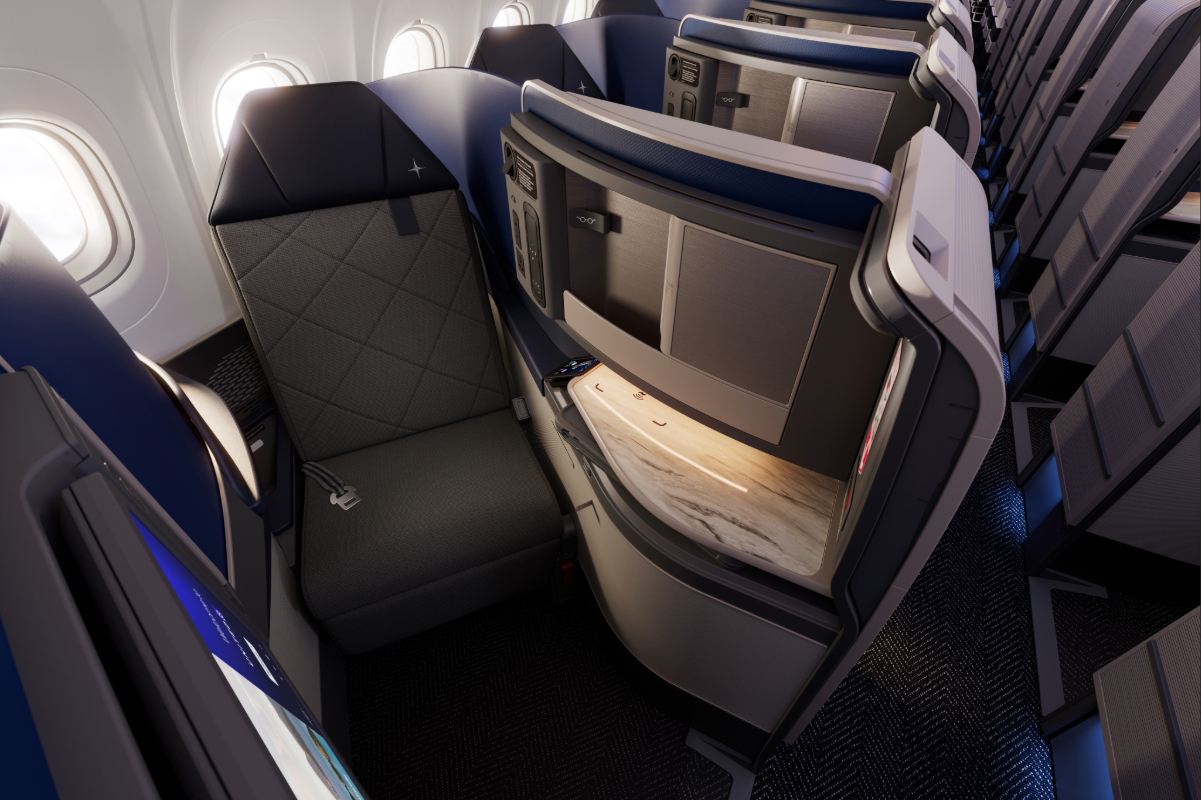
United Airlines announced Friday a significant shift in its pricing strategy for premium cabins, introducing a tiered fare structure for its Polaris business class and Premium Plus premium economy seats. This move, which executives have previously signaled as a means to better accommodate varying customer demands and optimize revenue, essentially brings a "basic business" concept to the airline’s most lucrative cabins, echoing the segmentation strategy first popularized with basic economy fares. The new tiered system will be implemented across United’s long-haul international, transcontinental, and select Hawaii flights, offering customers a choice between a base option, standard, and flexible fares within these premium categories.
The introduction of these segmented premium fares marks a pivotal moment in airline revenue management, extending the principle of unbundling from the economy cabin into the higher echelons of air travel. For years, airlines have successfully leveraged basic economy fares to capture price-sensitive travelers while driving ancillary revenue through add-ons like seat selection, checked baggage, and flexibility. United’s latest initiative suggests a belief that a similar appetite for varied pricing and optionality exists among premium travelers, some of whom may prioritize a lower price point over full flexibility or all-inclusive amenities typically associated with business or premium economy tickets.
The Nuances of United’s New Premium Fare Tiers
Under the new structure, travelers booking Polaris business class or Premium Plus premium economy will encounter at least three distinct fare options: a base fare, a standard fare, and a flexible fare. While United has yet to fully detail the precise differences in benefits for each tier, industry observers anticipate that the base option will come with more restrictions and potentially fewer inclusions than the traditional premium cabin experience. This could manifest in areas such as reduced or eliminated change flexibility, restrictions on upgrade eligibility, limitations on lounge access for certain segments, or even different baggage allowances compared to the standard and flexible tiers. The standard fare is expected to offer a balanced package of features, while the flexible fare will likely retain the full suite of amenities and change options historically associated with premium tickets, albeit at a higher price point.
This granular approach to pricing allows United to tap into different segments of the premium travel market. For instance, a small business owner on a tight budget might opt for a base Polaris fare for a critical international meeting, valuing the lie-flat seat and improved service over full flexibility. Conversely, a corporate traveler whose company policy demands maximum flexibility for itinerary changes would likely choose the flexible fare. Leisure travelers seeking an upgrade from economy without the full cost of a traditional business class ticket might find the base Premium Plus appealing. This segmentation is designed to broaden the appeal of premium cabins to a wider array of customers who might previously have been priced out, while simultaneously maximizing revenue from those willing to pay more for added convenience and features.
A Strategic Pivot: Background and Industry Context
United Airlines’ decision to segment its premium cabins is not an isolated event but rather a continuation of a broader industry trend towards increasingly dynamic and unbundled pricing. The airline industry, constantly striving for revenue optimization, has meticulously analyzed passenger behavior to identify willingness-to-pay segments. The success of basic economy, first introduced by major U.S. carriers in the mid-2010s, provided a robust precedent. Basic economy fares, which typically restrict seat selection, carry-on baggage, and change options, allowed airlines to compete with ultra-low-cost carriers while simultaneously encouraging passengers to pay more for standard economy tickets to avoid these restrictions. According to a 2019 report by IdeaWorksCompany, ancillary revenue, which includes fees for baggage, seat assignments, and changes, reached an estimated $109.5 billion globally, representing a significant portion of airline income. This figure has only grown in importance as airlines seek diverse revenue streams beyond base ticket prices.
The concept of segmenting premium cabins has been a topic of discussion among airline executives for several years. The "Skift Take" accompanying United’s announcement explicitly mentions that airline executives have "previously discussed segmenting premium cabins to better accommodate the high demand." This indicates a thoughtful, strategic approach rather than an impulsive decision. The post-pandemic travel landscape has also played a role, with a noticeable surge in demand for premium leisure travel. Many individuals, having saved during lockdowns, are now willing to splurge on more comfortable travel experiences. This heightened demand, coupled with a robust recovery in business travel, creates an opportune moment for airlines to experiment with new pricing models that capture varying levels of willingness to pay.
The Evolution of Airline Pricing: From Basic Economy to Premium Segmentation
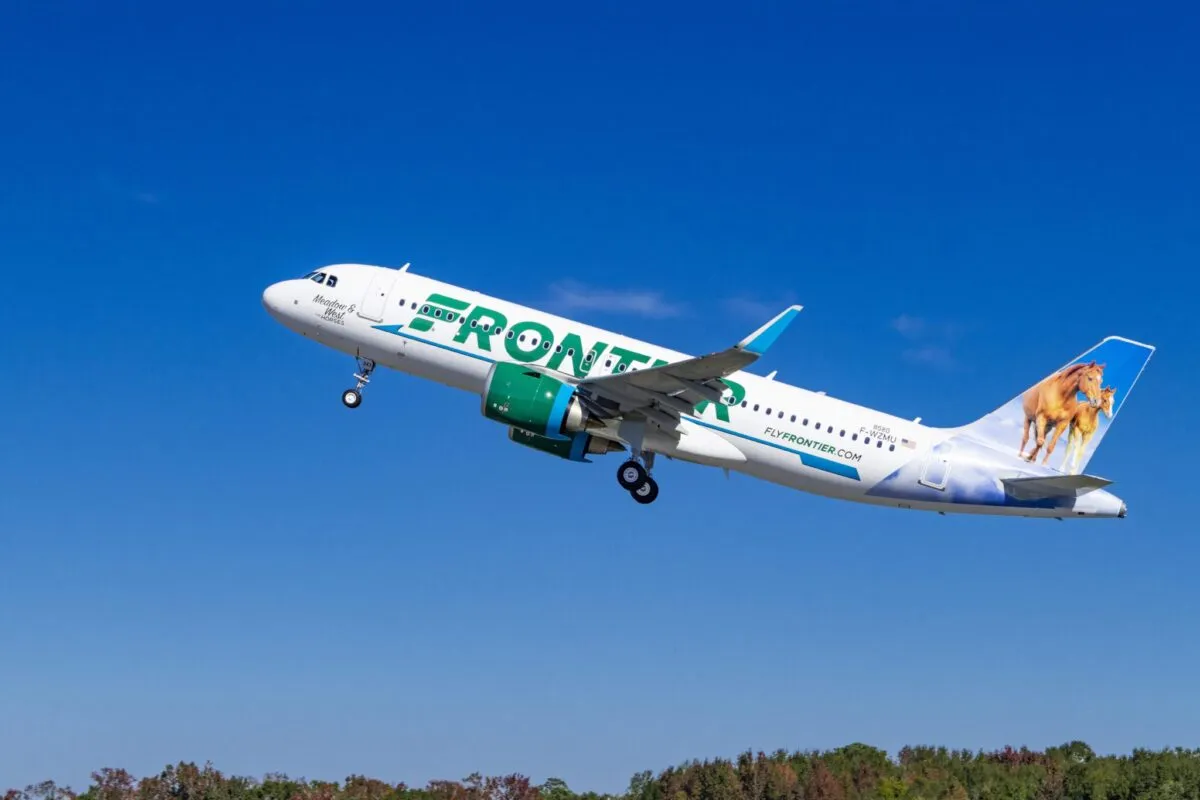
The timeline of airline pricing strategies reveals a clear progression towards greater segmentation. The unbundling trend gained significant momentum in the early 2000s with the rise of low-cost carriers (LCCs) like Ryanair and EasyJet in Europe, and Spirit and Frontier in the U.S. These carriers demonstrated the viability of offering a bare-bones fare and charging for every extra. Legacy carriers initially resisted, but eventually adopted similar strategies to compete effectively.
2000s: LCCs pioneer unbundled pricing.
Early 2010s: Legacy carriers begin experimenting with baggage fees and seat selection charges for economy.
Mid-2010s: Major U.S. airlines, including Delta, American, and United, introduce Basic Economy fares, stripping down the lowest-tier economy tickets to compete with LCCs and encourage upsells. United introduced its Basic Economy fare in 2017.
Late 2010s: Discussions begin within the industry about extending segmentation to premium cabins, recognizing the diverse needs of business and first-class travelers.
2020-2022: The COVID-19 pandemic temporarily halts many strategic initiatives, but also highlights the need for airlines to be agile and innovative in revenue generation as travel demand fluctuates.
Early 2023: United Airlines officially announces the rollout of tiered premium fares, marking a new chapter in airline revenue management.
This chronology illustrates a consistent drive by airlines to optimize every seat on every flight, understanding that a single price point for a given cabin might not capture the full spectrum of customer value.
Executive Insights and Strategic Rationale
While specific quotes from United executives on the precise day of the announcement were not immediately available, the strategic rationale behind this move can be inferred from past statements and industry trends. Josh Earnest, United’s Chief Communications Officer, speaking in early 2023 about the airline’s overall strategy, emphasized the importance of meeting diverse customer needs and optimizing the customer experience. Patrick Quayle, Senior Vice President of Global Network Planning and Alliances, has often highlighted United’s focus on connecting passengers to more destinations with improved comfort. This premium segmentation aligns with a strategy to offer more choices, allowing a broader base of travelers to experience premium products, while still catering to those who demand the full suite of benefits.
A hypothetical statement from a United executive might articulate the strategy thus: "Our customers have diverse needs and preferences, even within our premium cabins. By introducing tiered fares for Polaris and Premium Plus, we are providing greater choice and flexibility, allowing travelers to select the amenities and services that best suit their travel needs and budget. This innovation allows us to serve a wider array of customers while continuing to deliver the exceptional service and comfort our premium cabins are known for." This type of messaging would emphasize customer choice and value, while subtly acknowledging the revenue optimization aspect.
Market Dynamics and Financial Imperatives
The decision to segment premium cabins is underpinned by robust market dynamics and financial imperatives. Data from the International Air Transport Association (IATA) consistently shows that premium traffic, while representing a smaller percentage of total passengers, contributes disproportionately to airline revenue. For instance, in a typical long-haul flight, business class passengers might constitute 10-15% of the total, but contribute 30-40% of the revenue. Maximizing the yield from these high-value seats is therefore critical to an airline’s profitability.
United Airlines, like its major competitors, has been focused on strengthening its financial position and expanding its network. In its Q4 2022 earnings report, United reported strong demand and a positive outlook for 2023. Implementing a tiered premium fare structure is a direct method to enhance unit revenue (revenue per available seat mile, or RASM) within these high-yield cabins. By offering a "basic" premium option, United can potentially fill seats that might otherwise go unsold at the traditional, higher price point, thereby increasing load factors in premium cabins. Simultaneously, it creates an upsell opportunity from the basic premium tier to the standard or flexible options, further boosting revenue.
Industry analysts, such as those at CAPA Centre for Aviation, have long pointed to the need for airlines to innovate their pricing models beyond simple cabin classes. The sophisticated revenue management systems now employed by major carriers allow for real-time adjustments based on demand, competitive pricing, and booking patterns. This new premium segmentation leverages these capabilities, allowing United to fine-tune its offerings to specific market conditions and customer segments.
Implications for Travelers: Choice, Value, and Complexity
For travelers, the introduction of tiered premium fares presents a mixed bag of opportunities and potential challenges. On the one hand, it offers increased choice. A traveler who values the comfort of a lie-flat seat or extra legroom but doesn’t necessarily need unlimited changes or extensive lounge access might find the new base premium fares more affordable and appealing. This could democratize premium travel to a certain extent, making it accessible to a wider demographic.
On the other hand, the new system introduces an additional layer of complexity to the booking process. Passengers will need to carefully review the specific terms and conditions associated with each fare tier to ensure they understand what is included and what might incur additional costs. There is a risk of customer confusion or frustration if the distinctions between tiers are not clearly communicated. For example, a passenger expecting lounge access with their Polaris ticket might be disappointed if they purchased a "base" Polaris fare that excludes this benefit. Airlines typically manage this by prominently displaying the features of each fare type during the booking flow.
Corporate travel managers will also need to adapt to these new structures. Companies might need to update their travel policies to specify which premium fare tiers are permissible for employees, balancing cost savings with employee comfort and productivity. The traditional simplicity of "business class" as a single product offering will evolve into a more nuanced decision-making process.
Broader Industry Repercussions and Competitive Landscape
United’s move is likely to send ripples through the airline industry. Competitors such as Delta Air Lines and American Airlines, which have also been pioneers in segmentation with their own basic economy offerings and varying levels of economy and premium economy products, will be closely observing United’s rollout. If successful, it is highly probable that other major carriers will follow suit, extending similar tiered pricing models to their own premium cabins. This could lead to a standardization of segmented premium fares across the industry, similar to how basic economy became an industry norm.
The competitive landscape could intensify as airlines vie for premium passengers not just on price, but on the specific bundles of features offered within each tier. This could spur innovation in how amenities are packaged and presented. Airlines might differentiate themselves by offering unique benefits at certain price points or by making their fare tier distinctions exceptionally clear and intuitive.
Furthermore, this strategy could impact airline alliances. For example, Star Alliance partners of United will need to consider how these new fare rules apply to codeshare flights and frequent flyer benefits, particularly regarding lounge access and upgrade eligibility. Harmonizing these rules across partner airlines will be crucial to avoid passenger frustration.
Looking Ahead: The Future of Airline Revenue Management
United Airlines’ introduction of tiered premium fares signifies a continuous evolution in airline revenue management, moving towards a future where nearly every aspect of the travel experience is a potential point of differentiation and monetization. As technology advances, airlines will likely continue to refine their ability to personalize offers, potentially even down to individual passenger preferences based on their travel history and loyalty status.
The long-term success of this strategy for United will depend on several factors: clear communication to customers, effective differentiation between fare tiers, and the ability to maintain a perception of value, even for the "basic" premium offerings. If executed well, this move has the potential to significantly boost United’s revenue, attract new customers to its premium products, and solidify its position as an innovator in airline pricing strategy. It also underscores the industry’s unwavering commitment to maximizing profitability through increasingly sophisticated and granular approaches to customer segmentation and product unbundling. The "basic business" fare is not just a new product; it’s a statement about the future of how airlines will sell comfort, convenience, and status.


 Anjar Salim
 Chandra Hamzah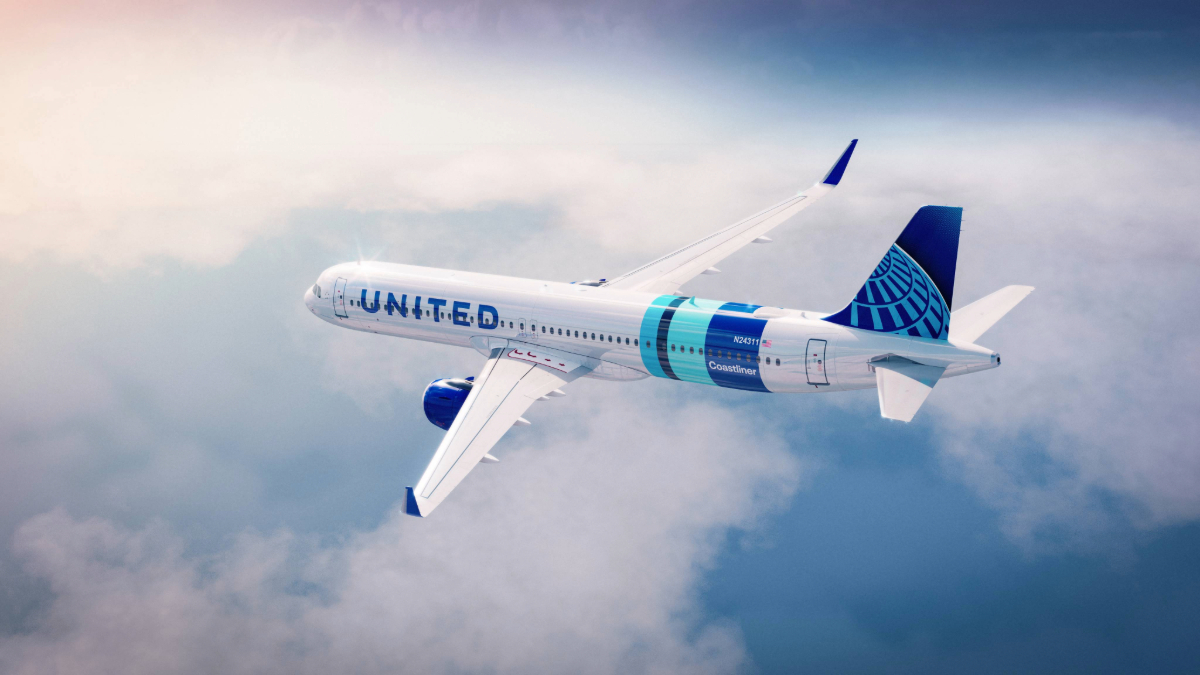
 Gabriela Annisa
 Susilo Edi Turonggo
 Walid Sujud Trenggono