
 Walid Sujud Trenggono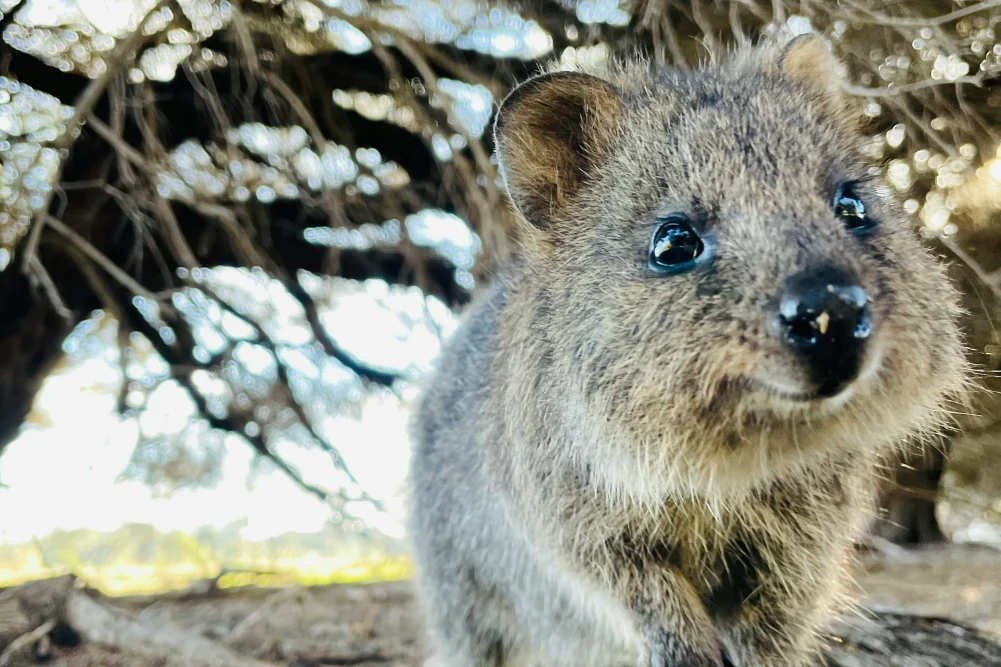
Rottnest Island, a limestone-based landmass situated 18 kilometers off the coast of Western Australia, represents one of the most significant ecological and historical sites in the Perth metropolitan region. Known as Wadjemup to the Whadjuk Noongar people, the island covers 19 square kilometers and serves as a critical sanctuary for biodiversity, most notably the quokka (Setonix brachyurus). While the island is celebrated today as a premier destination for domestic and international tourism, its narrative is defined by a complex layering of geological isolation, colonial hardship, and modern conservation challenges. As Western Australia continues to navigate the balance between economic growth through tourism and the preservation of sensitive heritage sites, the dual study of Rottnest Island and its mainland gateway, Fremantle, offers a profound look into the state’s past and its projected future.
A Geological and Cultural Chronology
The history of Rottnest Island is inextricably linked to the rising sea levels of the post-glacial period. Approximately 6,500 years ago, the island was connected to the mainland. During this era, the Whadjuk Noongar people utilized the land for ceremonial purposes and communal gatherings. The name Wadjemup, which translates to "place across the water where the spirits are," reflects the spiritual significance of the site in Indigenous cosmology.
The European record of the island began in the late 17th century. In 1696, Dutch explorer Willem de Vlamingh landed on the shores and, observing the abundance of small marsupials which he mistaken for large rats, named the land "Rotte Nest" (Rat’s Nest). This nomenclature persisted through the colonial era, even as the island’s purpose shifted dramatically under British rule.
In 1838, the colonial government transformed the island into a penal establishment for Indigenous men and boys. Over the following century, approximately 4,000 Aboriginal prisoners were incarcerated there, many of whom were forced into hard labor to construct the island’s primary infrastructure. This period remains a somber chapter in Australian history; the island is currently recognized as the site of the largest number of unmarked graves of Aboriginal people in custody in the country. The "Quod," a circular prison building, and the original Wadjemup Lighthouse stand as architectural legacies of this forced labor. It was not until the mid-20th century that the island fully transitioned into a public recreation reserve, a shift that eventually led to the tourism-heavy model seen today.
The Quokka Phenomenon: Ecological Status and Economic Impact
The quokka, a small macropod about the size of a domestic cat, has become the primary face of Western Australian tourism. Rottnest Island serves as the species’ primary stronghold, hosting roughly 10,000 to 12,000 individuals—representing approximately two-thirds of the world’s remaining population. The species is currently listed as "Vulnerable" on the IUCN Red List of Threatened Species, primarily due to habitat loss and predation on the mainland.
In recent years, the "quokka selfie" trend has transformed the animal into a global digital phenomenon. Data suggests that the strategic use of celebrity endorsements has had a measurable impact on visitor numbers. In 2017, when the Western Australian government partnered with tennis professional Roger Federer for a promotional campaign, the resulting images reached an estimated one in seven internet users globally. This surge in visibility has provided a significant economic windfall for the Rottnest Island Authority. Tourist levies, which are included in ferry fares and accommodation fees, are funneled directly into conservation slush funds and infrastructure maintenance.
However, researchers have noted that this popularity brings inherent risks. The quokka population faces threats from rising global temperatures and increasing bouts of drought, which diminish essential summertime water sources on the island. Furthermore, the encroachment of human activity into quokka habitats—evidenced by the animals scavenging near settlement pubs and eateries—raises concerns regarding their long-term health and the alteration of their natural behaviors.
Infrastructure and Tourism Management
Managing a landmass that is 11 kilometers long and 4.5 kilometers wide requires a delicate logistical balance. The island is largely car-free, with cycling serving as the primary mode of transportation for the hundreds of thousands of visitors who arrive annually. The Rottnest Island Authority oversees an extensive rental fleet, with daily hire rates for bikes and helmets contributing to the island’s self-sustaining economic model.
Accommodation on the island caters to a broad demographic, ranging from high-end eco-resorts like Samphire Rottnest and Discovery Rottnest Island to budget-friendly campsites and hostel dormitories. During peak summer seasons, demand often outstrips supply, leading to significant price fluctuations. To manage the environmental footprint, the island has implemented several sustainability initiatives, including a desalination plant for water security and a wind turbine that provides approximately 30% of the island’s power needs.
Access to the island is facilitated by three major ferry operators—Sealink, Rottnest Fast Ferries, and Rottnest Express—running from Fremantle, Hillarys Boat Harbour, and the Perth CBD. The 25-minute transit from Fremantle remains the most popular route, reinforcing the symbiotic relationship between the island and the port city.
Fremantle: The Mainland Anchor
The city of Fremantle, or Walyalup, serves as the cultural and historical gateway to Rottnest. Much like the island, Fremantle’s identity is shaped by its Noongar roots and its 19th-century colonial architecture. The city’s name, "Place of the Woylie," refers to a small brush-tailed bettong that was once common in the area.
Fremantle’s preservation of its "historical streetscapes" is considered a benchmark in Australian urban planning. Following the 1987 America’s Cup, the city underwent a revitalization that turned its 19th-century stone relics into a modern hub for gastronomy, art, and maritime education. Key institutions include:
- The WA Shipwreck Museum: Renowned for its display of the Batavia, a Dutch East India Company ship wrecked in 1629. The museum uses 400-year-old timbers to reconstruct the hull, providing a tangible link to the earliest European interactions with the Australian coastline.
- The Round House: Constructed in 1830, it is the oldest public building in Western Australia. Originally used as a jail, it now serves as a major tourist attraction overlooking Bathers Beach.
- The Fremantle Markets: Established in 1897, these markets continue to serve as a center for local commerce, offering organic produce and artisanal goods.
The city is also famous for the "Fremantle Doctor," a cooling afternoon sea breeze that provides relief from the intense Western Australian heat. This climatic feature has influenced everything from local architecture to the thriving outdoor cafe culture that defines the "Cappuccino Strip" on South Terrace.
Socio-Environmental Implications and Future Outlook
The trajectory of Rottnest Island and Fremantle reflects a broader global trend of "reconciliation tourism," where destinations must acknowledge dark histories while promoting natural beauty. The ongoing efforts to memorialize the Aboriginal men who died on Wadjemup are a critical component of the island’s management plan. This includes the potential repurposing of the "Quod" and the installation of commemorative markers to ensure that the island’s sunny, tourist-friendly facade does not erase its historical depth.
Environmentally, the region faces the challenge of sustainability in a warming climate. The reliance on tourism revenue must be balanced against the carrying capacity of the island’s ecosystems. As sea levels continue to rise and weather patterns become more volatile, the infrastructure built by prisoners in the 1800s—such as the seawalls and the lighthouse—requires constant monitoring and reinforcement.
In summary, the relationship between Rottnest Island and Fremantle is one of shared history and mutual dependence. From the "place of spirits" to the "place of the woylie," these locations serve as a reminder of the transient nature of human occupation. As the Indigenous proverb suggests, "We are all visitors to this time, this place." The current management of these sites aims to ensure that while visitors are "just passing through," they leave behind a landscape that is more resilient and more honestly understood than the one encountered by explorers centuries ago. The integration of rigorous conservation data, historical transparency, and sustainable tourism remains the only viable path forward for Western Australia’s most iconic coastal landmarks.

 Cholid Fahmi Thalib
 Diana Nuri Rohmawati
 Budi Mulyono
 Lukman Taruna Persada Ramadan
 Anjar Salim