
 Walid Sujud Trenggono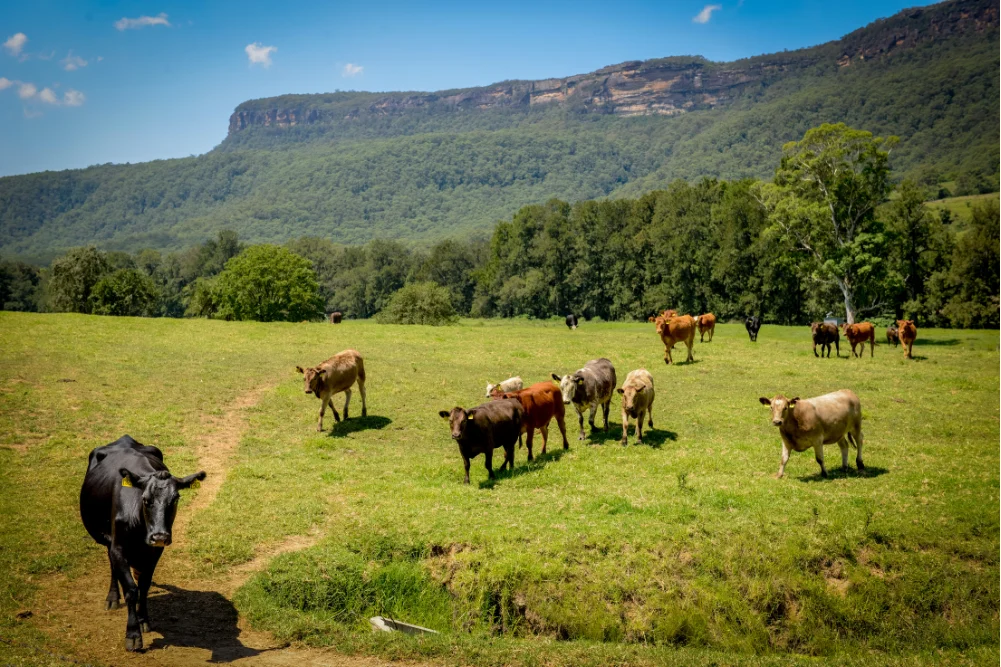
The Shoalhaven region of New South Wales, situated approximately 160 kilometers south of Sydney and 200 kilometers east of Canberra, is currently witnessing a strategic pivot in its tourism identity. Historically recognized for its "100 beach" marketing campaign, the region is increasingly leveraging its unique geography—70 percent of which is comprised of national parks and state forests—to capture the burgeoning wellness and "slow travel" markets. This shift comes as regional economies across the South Coast seek to diversify their offerings beyond traditional seasonal peak periods, focusing instead on high-value, restorative experiences that integrate environmental stewardship with cultural heritage.
The Strategic Importance of the Shoalhaven Wellness Corridor
The Shoalhaven’s geographical composition provides a natural advantage for the wellness industry. With over 1,000 square kilometers of protected wilderness, including the Morton and Conjola National Parks, the region offers a level of seclusion that is increasingly sought after by domestic travelers from metropolitan hubs. Industry data suggests that wellness tourism is growing at a rate nearly twice as fast as general tourism, with travelers prioritizing destinations that offer a combination of physical activity, mental restoration, and nutritional transparency.
Local stakeholders, including the Shoalhaven City Council and regional tourism boards, have identified this trend as a key driver for economic resilience. By promoting a "year-round" destination model that does not rely solely on summer beach attendance, the region is fostering a more stable environment for small businesses and artisanal providers.
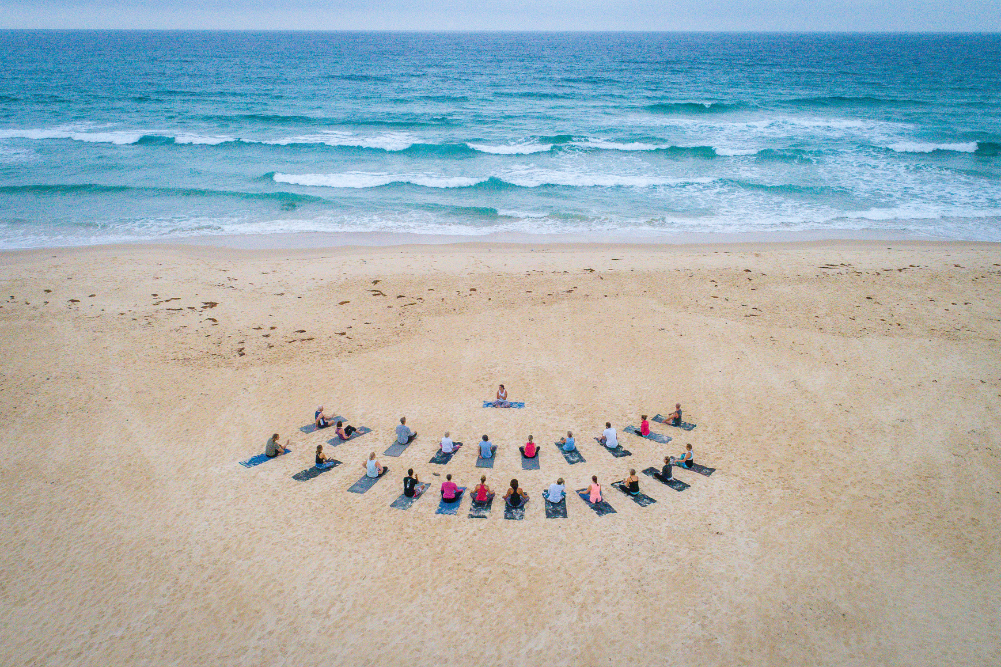
Milton: A Hub for Movement and Holistic Health
The township of Milton has emerged as a focal point for this transition. Long celebrated for its 19th-century architecture and rural aesthetic, the town is now integrating modern health modalities into its commercial landscape. A primary example of this evolution is The Heal Zone, a facility established in late 2024 overlooking Conjola National Park.
The facility represents a growing trend in "bio-optimization" and restorative movement. Led by practitioners like Nic and Madi, who integrate yoga, mobility training, and breathwork, the center caters to a demographic seeking more than passive relaxation. The inclusion of contrast therapy—specifically saunas and cold plunges—aligns with global wellness trends that emphasize nervous system regulation. Observers note that such businesses are vital to the local economy, as they encourage longer stay durations and higher per-visitor expenditure compared to day-trippers.
Sustainable Gastronomy and the Farm-to-Table Model
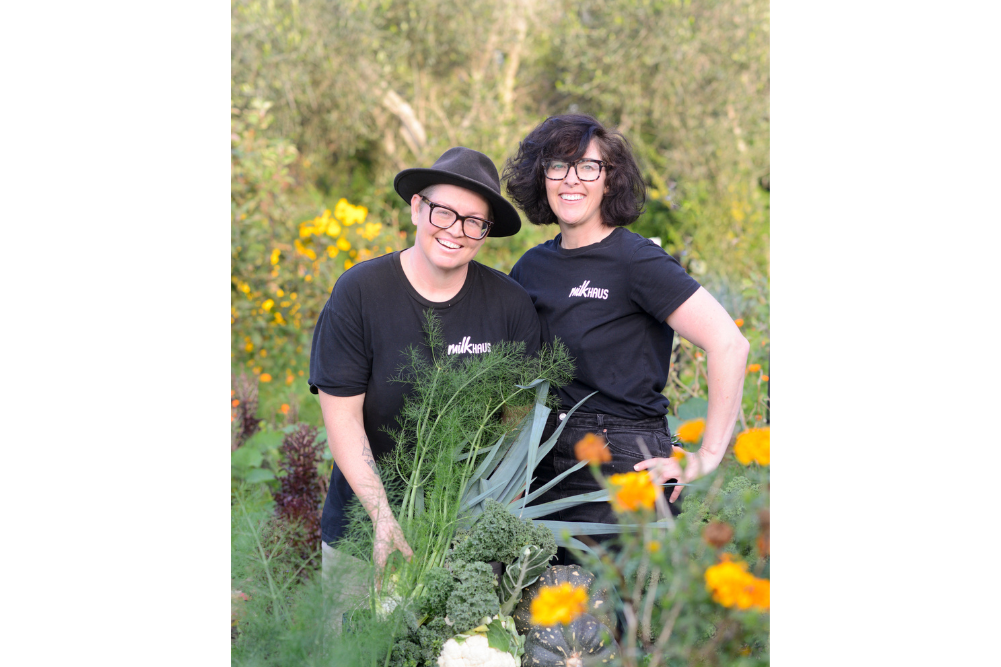
Parallel to the physical wellness sector is the Shoalhaven’s advancing culinary landscape, which is increasingly defined by radical sustainability and hyper-local sourcing. Milkhaus, a destination located on the outskirts of Milton, serves as a case study for the "circular economy" in regional dining.
Founded by entrepreneurs such as Nat Bellew, Milkhaus operates on a nine-month planning cycle that dictates its menu based on the growth seasons of its on-site garden. Currently, approximately 80 percent of the produce served is grown on the premises, with the remaining 20 percent sourced from within the immediate community. This model reduces carbon footprints associated with food transport and ensures that the economic benefits of tourism remain within the local agricultural sector. The success of such establishments indicates a shift in consumer demand toward "transparent dining," where the provenance of every ingredient is documented and celebrated.
Kangaroo Valley: The Sanctuary and Quietude Economy
Further inland, Kangaroo Valley is positioning itself as a sanctuary for "quietude tourism." This niche market focuses on the removal of modern stressors, such as motorized noise and digital saturation. Tallowa Dam, located at the confluence of the Kangaroo and Shoalhaven Rivers, has become a centerpiece for this movement.
As a designated non-motorized watercraft zone, Tallowa Dam offers a rare environment for silent exploration. Operators like Valley Outdoors have pioneered "mindful canoeing" experiences that prioritize ecological education and sensory awareness over physical exertion. By integrating grounding exercises and Indigenous history into their itineraries, these operators provide a deeper connection to the land. This approach is supported by environmental data suggesting that low-impact tourism is essential for preserving the biodiversity of Morton National Park, which serves as a critical habitat for numerous endangered Australian species.
The hospitality sector in Kangaroo Valley has adapted to meet these expectations. Establishments like Wildes Boutique Hotel emphasize serenity through architectural design, utilizing internal courtyards and localized aesthetics to create a "cocooning" effect for guests. This integration of luxury and nature is a hallmark of the modern Shoalhaven tourism strategy.
The Artisanal Shift: From Passive Observation to Creative Engagement
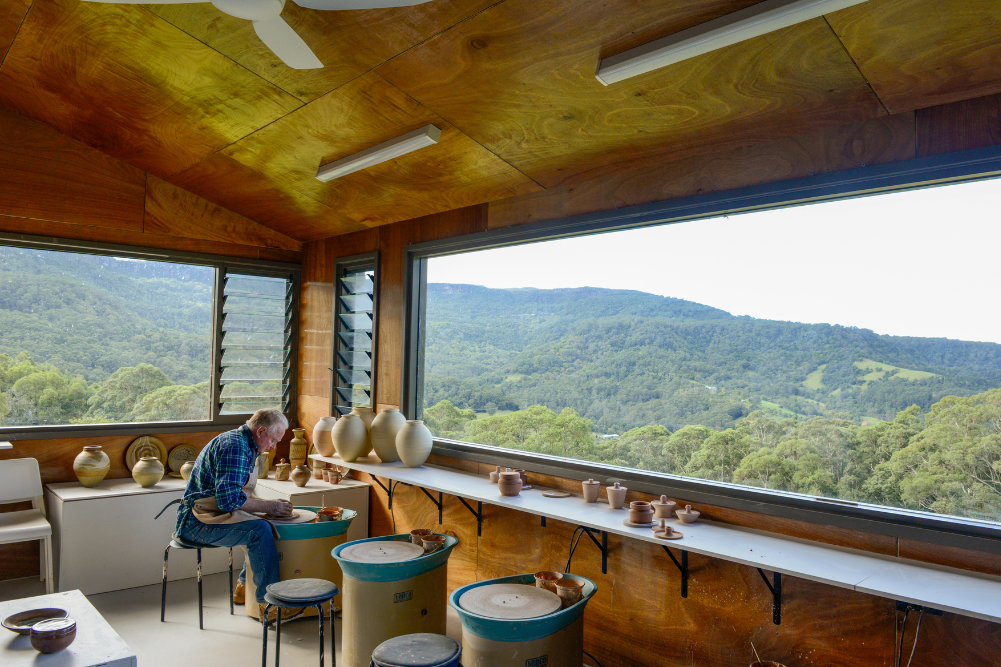
A significant development in the regional economy is the rise of the "experiential economy," where visitors engage in skill-based activities. David Collins’ pottery studio in the Kangaroo Valley hinterland exemplifies this shift. Rather than simply purchasing local crafts, tourists are increasingly seeking "maker" experiences—hands-on workshops that offer a sense of accomplishment and creative flow.
Psychological research into "flow states" suggests that activities like wheel-throwing pottery can significantly reduce cortisol levels and improve mental well-being. By offering these sessions, local artisans are transforming from traditional retailers into service providers, creating a more diversified and robust income stream that is less susceptible to market fluctuations.
Bundanon and the Integration of First Nations Narratives
The cultural cornerstone of the Shoalhaven remains Bundanon, the former estate of renowned artist Arthur Boyd and his wife Yvonne. Gifted to the Australian people in 1993, the $34 million Art Museum and Bridge for Creative Learning opened in 2022, significantly elevating the region’s cultural profile.
Bundanon serves as a bridge between historical European-Australian art and the living traditions of the First Nations people. Programs featuring artists like Aunty Cheryl Davison, a Walbunja/Ngarigo woman, are central to the site’s mission. Through storytelling, printmaking, and song, Davison and other Indigenous creators provide visitors with an understanding of "Country" that predates colonial history by tens of thousands of years.
This emphasis on Indigenous culture is not merely educational; it is a critical component of modern Australian tourism. International and domestic travelers are increasingly seeking authentic cultural exchanges that acknowledge the traditional custodians of the land. The integration of First Nations perspectives at Bundanon and through local cafes like Ramox Cafe ensures that the Shoalhaven’s tourism growth is inclusive and historically grounded.
Economic and Environmental Implications
The transition toward a wellness and culture-based tourism model has several long-term implications for the Shoalhaven:
- Economic Diversification: By moving away from a beach-only model, the region mitigates the risks associated with climate change and unpredictable summer weather patterns. Wellness and cultural activities are viable throughout the autumn and winter months, providing year-round employment.
- Environmental Preservation: High-value, low-impact tourism (such as canoeing and guided walks) places less strain on the natural infrastructure of national parks compared to high-volume, mass-market tourism.
- Community Health: The growth of health-focused businesses benefits the local population as much as the visitors, providing residents with access to high-quality movement studios, organic produce, and cultural programming.
- Brand Identity: The Shoalhaven is successfully rebranding itself as a "sophisticated wilderness," attracting a demographic that values sustainability, ethical consumption, and mental health.
Conclusion: A Model for Regional Revitalization
The evolution of the Shoalhaven from a traditional holiday coast to a sophisticated wellness and cultural destination provides a blueprint for other regional areas in Australia. By leveraging its natural assets—the national parks, the rivers, and the fertile soil—and combining them with a commitment to artisanal quality and Indigenous recognition, the region is building a sustainable future.
As the tourism industry continues to recover and evolve in the post-pandemic era, the Shoalhaven’s focus on "rest and reconnection" resonates with a global audience. The success of Milton’s wellness centers, Kangaroo Valley’s quiet waterways, and Bundanon’s artistic legacy suggests that the most valuable commodity in modern travel is no longer just a destination, but a transformative experience that lingers long after the visitor has returned home. For the Shoalhaven, the path forward is clear: a harmonious balance between protecting the natural environment and inviting the world to experience its restorative power.


 Anjar Salim
 Dwi Wanna
 Chandra Hamzah
 Tatiana Tantri Indah Sari
 Cholid Fahmi Thalib