
 Anjar Salim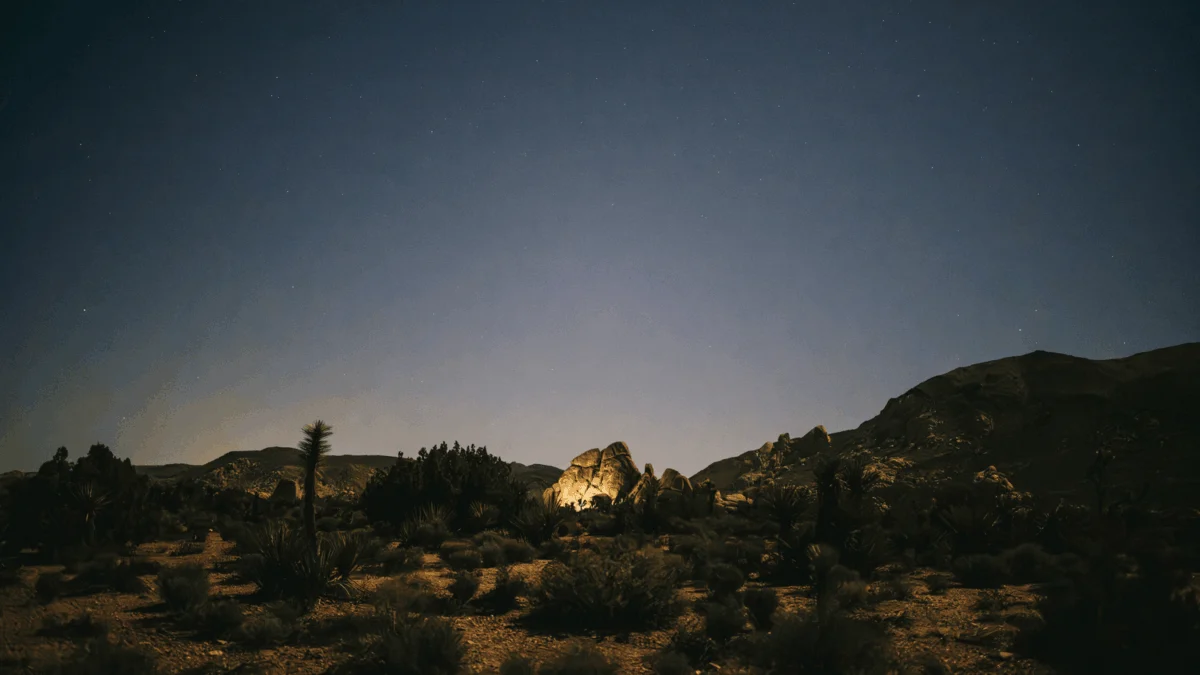
The completion of a three-year, 2,000-mile research project into North America’s most iconic footpaths recently culminated in a 37-mile traverse of Joshua Tree National Park, signaling a growing shift in the endurance community toward "dark sky running." This specialized form of adventure running prioritizes celestial visibility and the preservation of nocturnal ecosystems, moving away from traditional daytime athletics to embrace the unique atmospheric conditions of International Dark Sky Parks. The expedition, led by authors Rickey Gates and Ian Aman alongside their colleagues, served as the capstone for their comprehensive guide, Fifty Classic Trails, and highlighted a burgeoning subculture of runners who utilize moonlight and red-light technology to navigate remote wilderness areas without disrupting the natural environment.
The Joshua Tree Traverse: A Case Study in Nocturnal Endurance
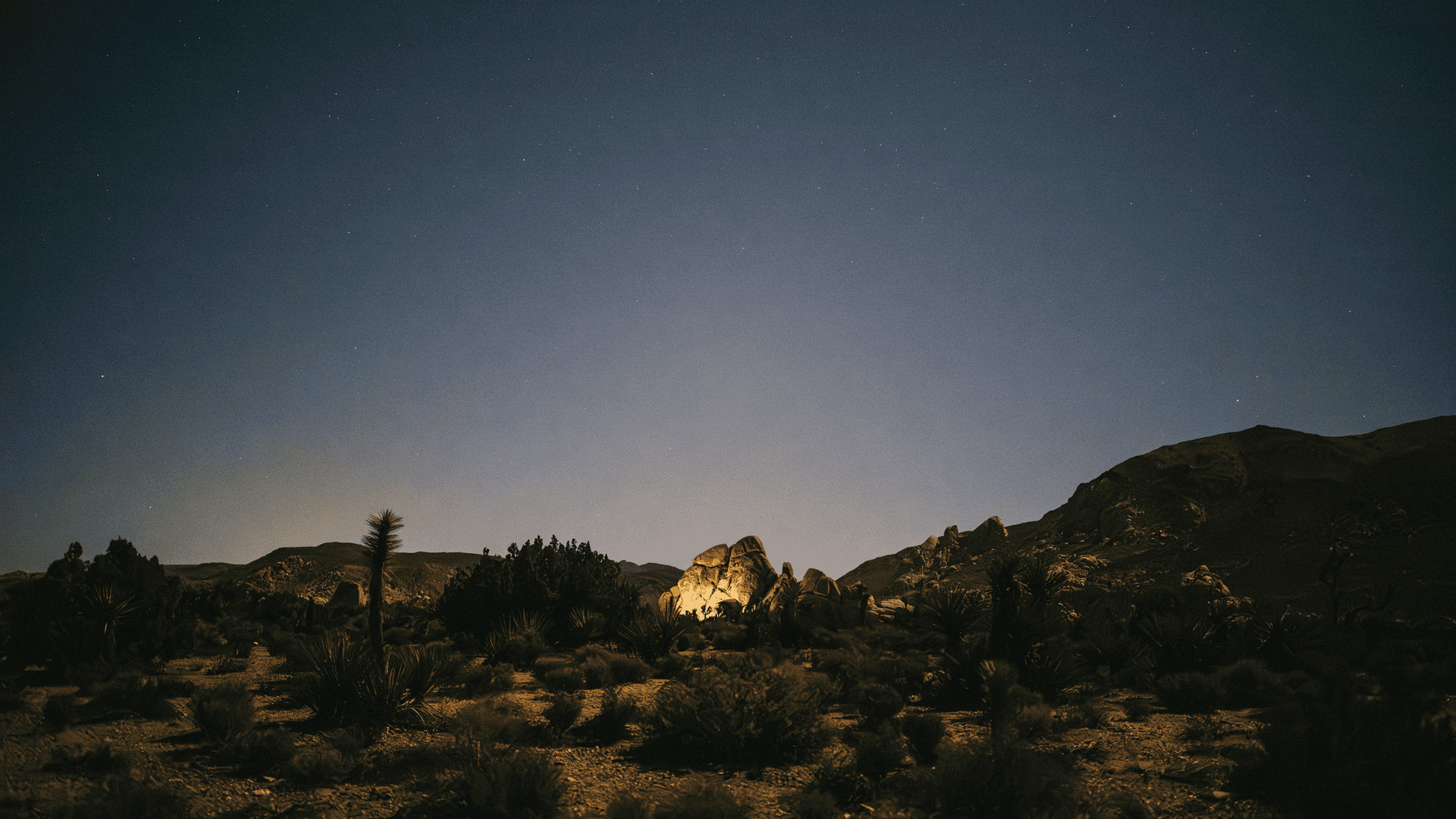
The Joshua Tree Traverse represents a grueling 37-mile point-to-point route that bisects the entire national park, crossing the transition zone between the high Mojave Desert and the lower Colorado Desert. In early December 2025, the team opted to execute the run under the illumination of a full moon, a strategic choice intended to mitigate the extreme thermal stress common in Southern California’s desert corridors. By leveraging the natural luminosity of a "Bortle 1" sky—a classification denoting the darkest skies on Earth—the runners were able to maintain a consistent pace across sandy washes and granite monoliths without the use of artificial white light.
The route through Joshua Tree is characterized by its unique flora, including the Yucca brevifolia (Joshua tree), spiny cholla cactus, and creosote bush scrub. Navigating this terrain at night requires a high degree of spatial awareness, as depth perception is significantly altered under monochromatic moonlight. The team reported that the clarity of the star-filled ether provided sufficient contrast to distinguish the trail surface from the surrounding desert floor. This atmospheric transparency is a hallmark of high-altitude, low-humidity environments, which have become the primary destinations for the dark sky running community.
Chronology of the Dark Sky Running Movement
The concept of nighttime running is not new to the ultramarathon circuit; elite races such as the Ultra-Trail du Mont-Blanc (UTMB) and the Western States Endurance Run have long required athletes to navigate through the night. However, the emergence of dark sky running as a standalone discipline marks a departure from competitive necessity toward intentional environmental engagement.
- 2022–2024: The "Fifty Classic Trails" project begins, documenting 2,000 miles of diverse terrain across North America.
- Late 2024: Increased interest in "astrotourism" begins to overlap with the trail running community, as athletes seek locations with minimal light pollution.
- December 2025: The Joshua Tree Traverse is completed, demonstrating the viability of long-distance navigation using only celestial light.
- 2026: National parks and conservation groups begin formalizing guidelines for "nocturnal recreation" to protect wildlife while accommodating the rise in nighttime trail usage.
The movement is closely linked to the work of DarkSky International (formerly the International Dark-Sky Association), which has certified over 200 International Dark Sky Places worldwide. These locations are protected not only for their aesthetic value but for their ecological importance, as artificial light at night (ALAN) is known to disrupt the migratory and hunting patterns of various species.
Environmental Impact and Wildlife Conservation
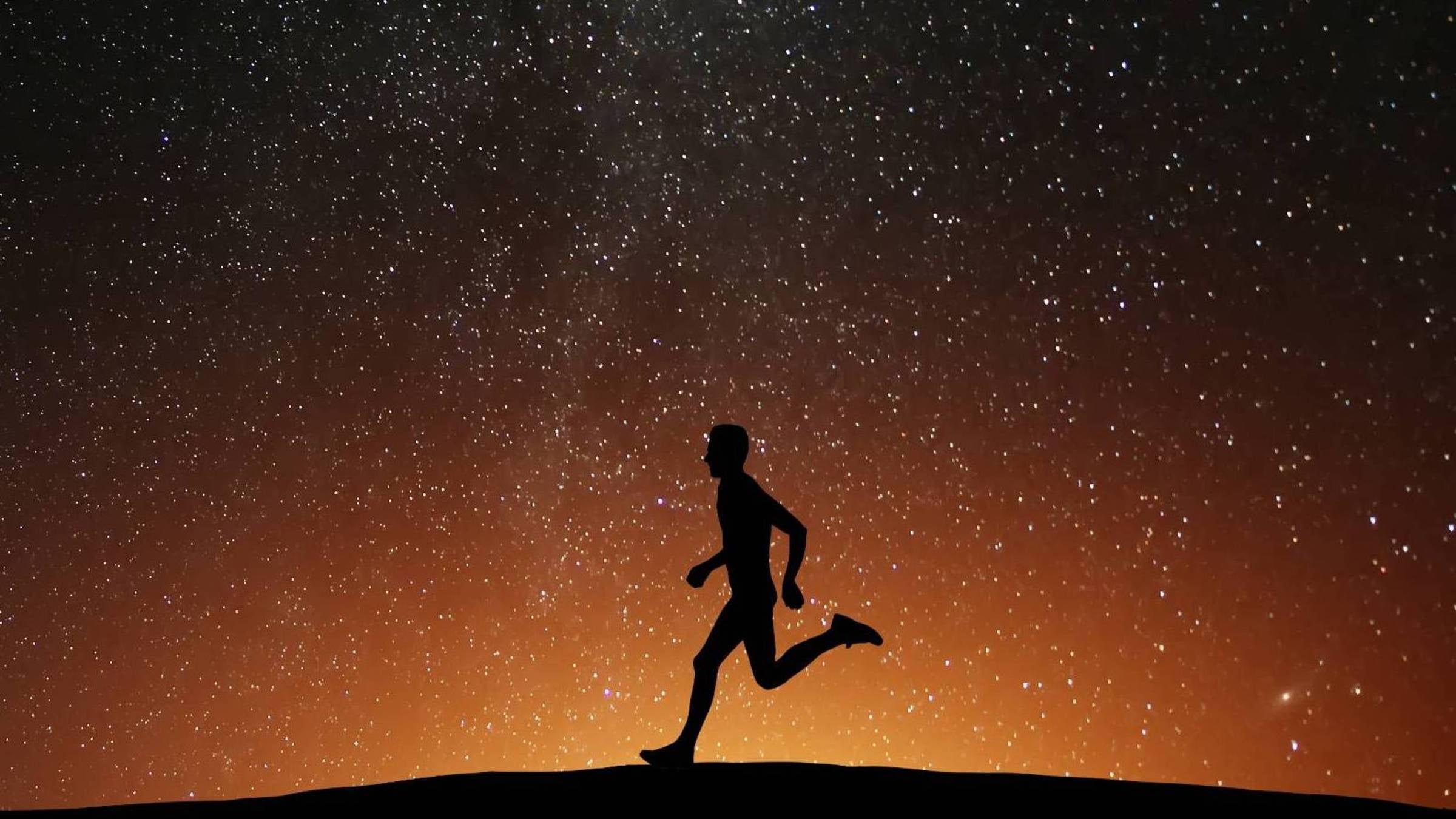
One of the primary tenets of dark sky running is the preservation of the nocturnal environment. Traditional high-lumen headlamps can startle wildlife and temporarily blind nocturnal predators. During the Joshua Tree expedition, the team observed an owl hunting near Ryan Mountain, a sighting made possible by their lack of artificial light. This "stealth" approach to trail running allows for a more integrated experience within the ecosystem.
Research indicates that maintaining the circadian rhythms of wildlife is critical for biodiversity. By using red-light modes on headlamps—which have longer wavelengths that do not trigger the same "startle" response in many animals—runners can minimize their ecological footprint. Furthermore, dark sky running encourages a "leave no trace" ethos regarding light pollution, advocating for the protection of the 80% of North Americans who currently live under skies that are too bright to see the Milky Way.
Geographic Distribution of Dark Sky Running Destinations
The search for optimal nighttime running conditions has led to a geographic mapping of regions with low humidity and minimal forest canopy.
The American Southwest
The high deserts of Nevada, Texas, and Utah remain the premier destinations for this activity. Great Basin National Park in Nevada and Big Bend National Park in Texas offer some of the lowest light-pollution readings in the continental United States. The salt flats of Death Valley National Park act as a natural reflector, amplifying starlight and providing a unique navigational surface.
The Eastern Seaboard and Midwest
In the more humid and densely populated East, finding dark skies requires moving into remote boreal forests. The 100-Mile Wilderness in Maine is a rare exception where the canopy is thin enough to permit moonlight navigation. In the Midwest, Newport State Park in Wisconsin and the Keweenaw Dark Sky Park in Michigan utilize the vast expanse of the Great Lakes as a buffer against urban light domes.
Specialized Terrains
For runners seeking "lunar" landscapes, the black basalt lava flows of Craters of the Moon National Monument in Idaho provide a light-absorbent environment that heightens the visibility of the cosmos. Conversely, the Gila National Forest in New Mexico, home to the Cosmic Campground, offers a sanctuary specifically designed for stargazing and nocturnal activities.
Technical Requirements and Safety Protocols
Dark sky running necessitates a fundamental shift in gear and strategy compared to traditional trail running. Safety protocols emphasize self-reliance, as rescue operations are significantly more complex after dark in remote areas.
- Navigational Redundancy: Because starlight can alter the appearance of familiar landmarks, the use of offline GPS maps and satellite messengers is considered mandatory. Electronics drain faster in the cooler temperatures of the night, requiring external battery backups.
- Atmospheric Transparency: The best conditions occur during the winter months when the air is crisp and dry. However, this coincides with extreme temperature fluctuations. In desert environments, temperatures can drop by 40 degrees Fahrenheit shortly after sunset, necessitating advanced layering systems.
- Vision Management: Maintaining night vision takes approximately 20 to 30 minutes of darkness. The sudden use of a white-light headlamp can reset this process instantly. Experienced dark sky runners utilize the red-light setting to read maps or check gear without compromising their ability to see the trail under ambient starlight.
Economic and Cultural Implications
The rise of dark sky running is contributing to a broader economic trend known as the "dark sky economy." Rural communities near Dark Sky Parks are seeing an uptick in off-season tourism as runners and stargazers seek out these remote locations during the winter months. This has led to increased support for local lighting ordinances aimed at reducing light pollution, as darkness becomes a valued commodity for both conservation and recreation.
Culturally, the shift represents a move toward "sensory-rich" exercise. In an era dominated by digital distractions, the appeal of running through a silent, star-lit landscape is being framed by some as a meditative or "celestial" experience. It removes the emphasis on speed and performance metrics—which are difficult to maintain in low-visibility conditions—and refocuses the athlete on the immediate physical environment and the broader cosmos.
Analysis of Future Trends
As the "Fifty Classic Trails" project enters its next phase of public dissemination, the data collected from the Joshua Tree Traverse is expected to influence how trail guides are written in the future. The inclusion of "best time of day" or "optimal lunar phase" for specific trails suggests that the industry is beginning to recognize the night as a viable and distinct theater for endurance sports.
However, the growth of this trend also brings challenges. Increased nighttime traffic in sensitive areas may lead to new regulations from the National Park Service or the Bureau of Land Management. Future management plans will likely need to balance the public’s desire for nocturnal adventure with the necessity of protecting the very darkness that makes these runs possible. The integration of advanced LED technology, which can be tailored to specific wavelengths less disruptive to wildlife, may provide a technological bridge for this growing community of "dark sky" athletes.
Ultimately, the Joshua Tree Traverse has demonstrated that with the correct preparation and environmental awareness, the transition from sun-drenched "sufferfests" to celestial celebrations is not only possible but provides a new frontier for the exploration of the North American wilderness.


 Dwi Wanna
 Chandra Hamzah
 Gabriela Annisa
 Tatiana Tantri Indah Sari
 Walid Sujud Trenggono