
 Anjar Salim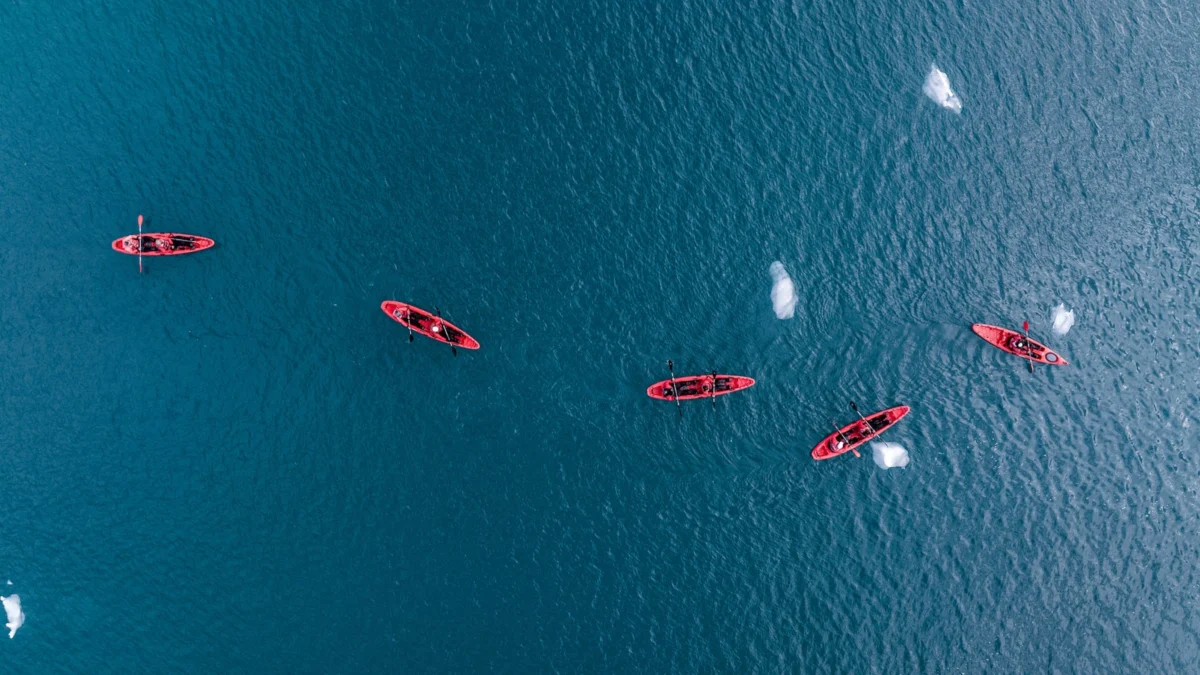
The serene, glass-like waters of the Svalbard archipelago became the stage for a harrowing survival story in June 2025, when 74-year-old traveler Ralph Spitzen survived a direct attack by a group of walruses. The incident, which occurred during a high-end expedition cruise, highlights the volatile nature of Arctic wildlife encounters and the critical importance of survival training for tourists venturing into remote polar regions. As the Arctic becomes an increasingly popular destination for "intrepid" tourism, the encounter serves as a case study for the risks inherent in human-wildlife proximity within the "cold coast" of Norway’s northernmost territories.
The Chronology of a High-Stakes Encounter
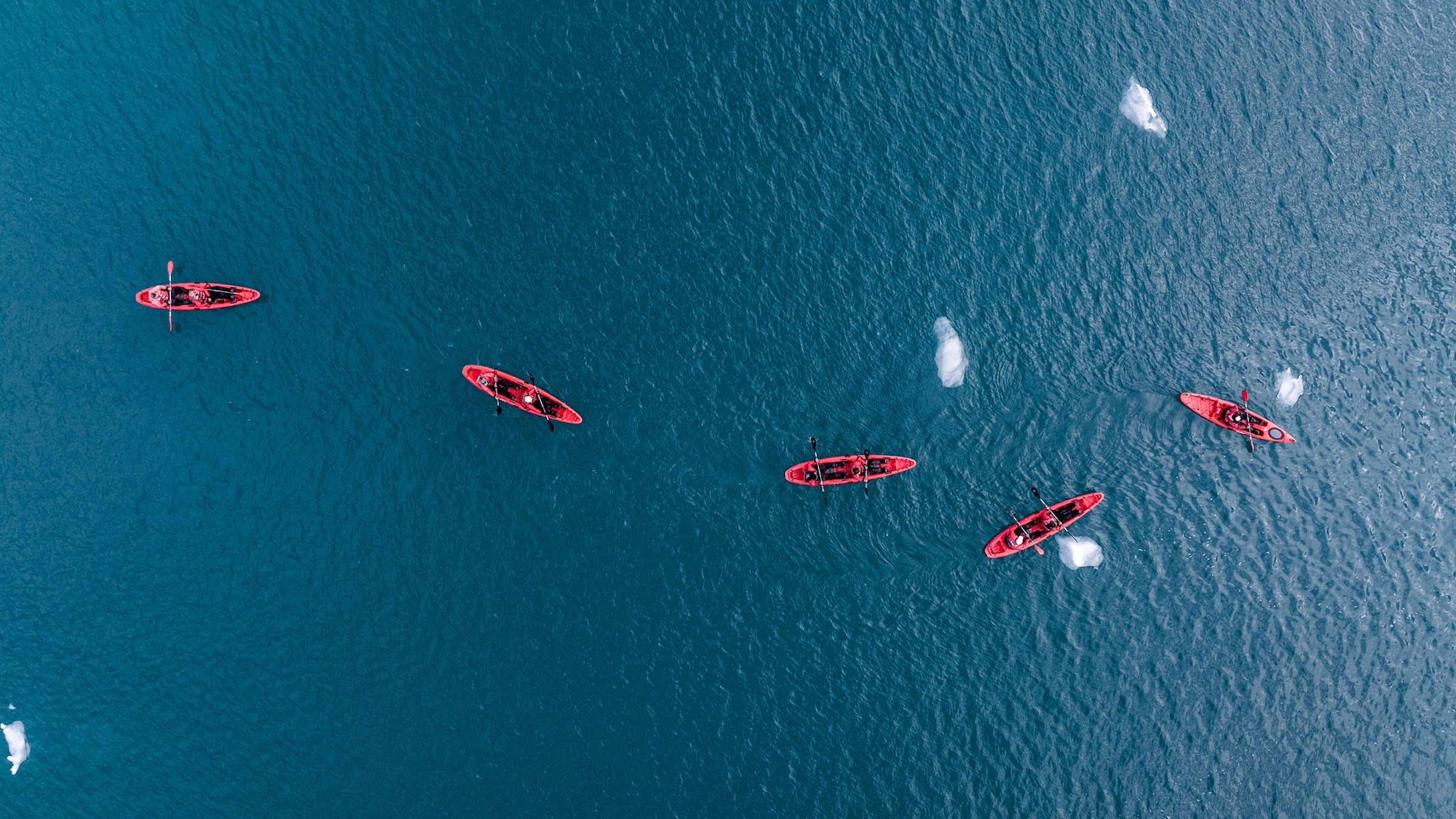
On June 29, 2025, the conditions near Nordaustlandet—Svalbard’s second-largest island—were deceptively perfect. The air temperature was approximately 30 degrees Fahrenheit, the sky was clear, and the sea was exceptionally calm. Spitzen and his wife, participants in a two-week Arctic cruise, were part of a guided kayaking excursion. Despite the expertise of the expedition guides, who had conducted a preliminary sweep of the area to ensure it was clear of polar bears and walruses, the situation shifted within seconds.
Spitzen was paddling a 17-foot sea kayak through the frigid waters when he observed a dark shape near the bow of his vessel. Almost simultaneously, a second large mass emerged directly beneath the kayak, lifting the bow into the air and forcefully capsizing the boat. The "blobs" Spitzen had initially dismissed as possible whales were, in fact, a defensive pod of walruses consisting of two adult females, a juvenile, and a calf.
Submerged in the sub-freezing water, Spitzen was forced to rely on decades of adventure experience. Wearing a specialized drysuit—a critical piece of equipment that creates a waterproof barrier around the body—he was protected from immediate cold shock, though his head and hands remained exposed to the elements. Utilizing a "wet exit" technique he had learned years prior, Spitzen pulled the release loop on his spray skirt, leaned forward, and pushed himself clear of the inverted kayak.
The rescue was immediate. Expedition guides operating a zodiac—a rigid-hulled inflatable boat—intervened by driving the motorized vessel between Spitzen and the agitated walruses. The noise and physical presence of the zodiac acted as a deterrent, allowing the crew to pull Spitzen from the water and neutralize the threat.
The Biological Powerhouse: Understanding the Walrus
The walrus (Odobenus rosmarus) is one of the most formidable marine mammals in the Northern Hemisphere. Reaching weights of up to 5,000 pounds (approximately 2,270 kilograms), they are surpassed in size only by elephant seals among pinnipeds. Their most distinctive feature, the ivory tusks, can grow up to three feet in length and are used for hauling their massive bodies onto ice, social signaling, and defense against predators like polar bears.
In the context of the Spitzen encounter, the presence of a calf is the most likely catalyst for the aggression. Walruses are known to be fiercely protective of their young. While they are generally gregarious and social animals when hauled out on ice or land, they can become highly territorial and defensive in the water, where they are significantly more agile than they appear on land.
Experts in marine biology note that walruses view kayaks not as vessels, but as potential predators or encroaching threats. The low profile of a kayak on the water’s surface can mimic the silhouette of a predator, triggering a "strike first" defensive mechanism. In this instance, the walruses utilized their immense physical power to upend the perceived threat, a common tactic used to dislodge predators from ice floes or to disable competitors.
Svalbard: A Remote Frontier with Strict Governance
The Svalbard archipelago, located midway between mainland Norway and the North Pole, is a region defined by its harsh environment and isolation. Its name, meaning "cold coast," is an understatement of its geographical reality. Approximately 60% of the landmass is covered by glaciers, and the region is home to more polar bears than human residents.
Due to the extreme nature of the environment, the Norwegian government maintains strict regulations regarding residency and safety. Longyearbyen, the main settlement, has a unique legal framework where individuals are only permitted to live there if they are physically capable of self-sufficiency. There are no social safety nets for the infirm, and the local hospital is equipped only for basic care and stabilization; serious medical emergencies require a three-hour flight to Tromsø or Oslo on the mainland.
This isolation heightens the stakes of every excursion. When tourists engage in activities like sea kayaking, they are entering a zone where the response time for a major rescue operation can be measured in hours or even days, depending on weather conditions. The Spitzen incident occurred in the remote Nordaustlandet region, far from the primary medical facilities in Longyearbyen, making the presence of the expedition’s own safety zodiacs the only thing standing between a controlled incident and a fatality.
Technical Survival: The Role of Training and Equipment
The fact that Ralph Spitzen survived the encounter at age 74 is attributed by safety experts to two factors: high-quality equipment and prior training.
- The Drysuit: In Arctic waters, the "1-10-1" rule of cold water immersion applies: one minute to control breathing, ten minutes of meaningful movement, and one hour before losing consciousness due to hypothermia. A drysuit extends these windows significantly by keeping the wearer dry and allowing for insulating layers underneath. Without a drysuit, the 30-degree water would have likely induced cold shock and gasping, leading to immediate drowning.
- The Wet Exit: Kayaking in a spray skirt (the fabric that seals the paddler into the cockpit) can be a death trap if the paddler panics. The "wet exit" requires the paddler to remain calm while upside down, find the release handle, and exit the boat. Spitzen’s ability to execute this maneuver at 74 years old underscores the value of "adventure literacy"—the retention of safety skills over decades of travel.
The Growing Footprint of Arctic Expedition Tourism
The encounter comes at a time when Arctic tourism is seeing unprecedented growth. According to data from the Association of Arctic Expedition Cruise Operators (AECO), the number of passengers visiting Svalbard has increased steadily over the last decade, driven by a desire to see "last chance" environments before they are irrevocably altered by climate change.
However, this increase in human presence creates a higher frequency of wildlife conflicts. As sea ice diminishes, walruses are forced to congregate in larger numbers on shorelines (known as haul-outs) or in specific shallow feeding grounds. These are the same areas targeted by cruise operators for kayaking and zodiac tours.
Industry analysts suggest that the Spitzen incident may lead to a tightening of regulations regarding how close human-powered vessels can get to known walrus habitats. While current guidelines suggest a minimum distance, the mobility of walruses in the water means that a "safe" distance can vanish in seconds.
Official Guidelines and Safety Protocols
In response to the inherent risks of the region, the AECO and the Governor of Svalbard (Sysselmesteren) have established rigorous guidelines for wildlife encounters. Following the Spitzen incident, safety experts have reiterated several key protocols for kayakers in walrus territory:
- Maintain Displacement: Kayakers should avoid paddling directly toward a pod and should never attempt to "cut off" a walrus’s path to open water or the shore.
- Avoid "Sensitive" Groups: Any sighting of a calf or juvenile should trigger an immediate, quiet retreat from the area.
- Vigilance for Bubbles: Walruses often exhale underwater before breaching; a trail of bubbles near a boat is an immediate warning of an impending surfacing or strike.
- Group Cohesion: Kayakers are instructed to stay close together to appear as one large, formidable object rather than several small, vulnerable targets.
Broader Implications: The Future of Polar Adventure
The 2025 encounter serves as a reminder that the Arctic remains an indomitable wilderness, regardless of the luxury or technology associated with modern expedition cruises. Ralph Spitzen’s experience reflects a broader trend in "active aging," where older travelers are pursuing high-risk adventures previously reserved for younger demographics.
While Spitzen plans to continue his travels—with an upcoming safari in Botswana—the Svalbard incident remains a harrowing example of the thin line between a successful adventure and a tragedy. As the Arctic continues to warm and human activity in the region increases, the burden of safety falls increasingly on the traveler to be prepared and on the industry to respect the boundaries of the giants that inhabit the "cold coast."
The incident concludes with a fundamental lesson for the tourism industry: in the high Arctic, humans are not the apex presence. Respect for the environment is not merely an ethical choice, but a prerequisite for survival.



 Chandra Hamzah
 Tatiana Tantri Indah Sari
 Budi Mulyono
