
 Walid Sujud Trenggono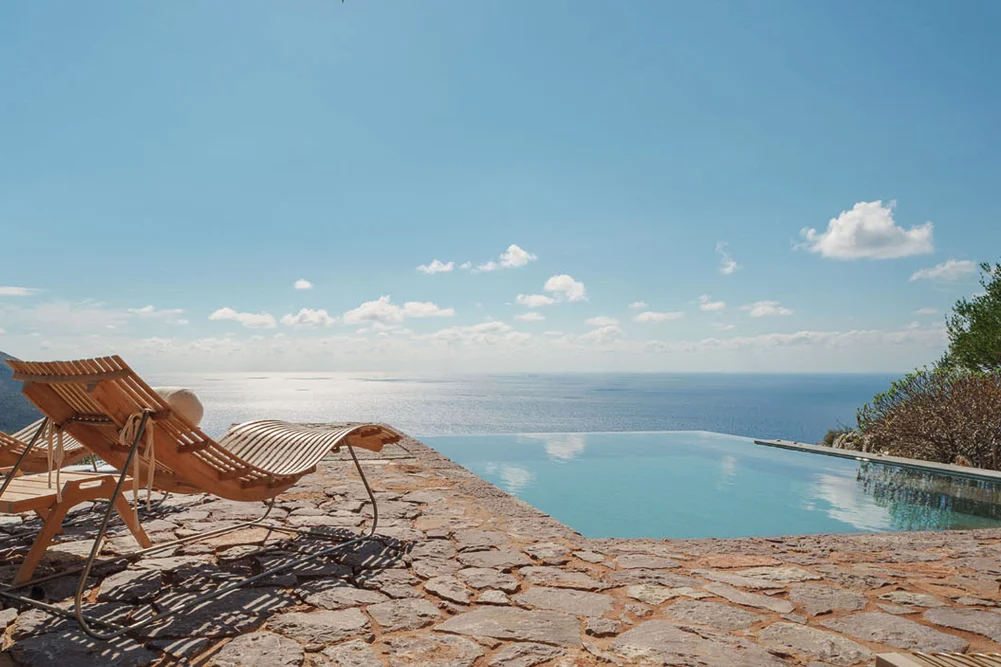
The international travel industry is witnessing a significant paradigm shift as wellness tourism evolves from a luxury-focused niche into a multi-billion-dollar necessity for mental health and personal development. This transformation is particularly evident among women and primary caregivers, who are increasingly prioritizing "regenerative travel"—trips designed not merely for leisure, but for deep psychological restoration and the reclamation of self-identity. Recent data from the Global Wellness Institute (GWI) suggests that wellness tourism is projected to grow by approximately 16.6% annually through 2027, a trend driven by a post-pandemic realization that travel serves as a vital tool for healing from mental, physical, and spiritual stress.
A primary example of this trend was recently documented through a six-night immersive expedition to Greece, focusing on the island of Crete and the rugged Mani Peninsula. This journey, undertaken by professionals balancing the demands of full-time employment and parenthood, serves as a case study for the broader "slow travel" movement. The itinerary highlighted a shift away from high-density tourist hubs in favor of boutique, family-operated accommodations that emphasize authentic connection, architectural heritage, and the therapeutic benefits of the Mediterranean environment.
The Socio-Economic Drivers of Maternal Wellness Travel
The motivations behind the rise in female-led wellness travel are rooted in the evolving socio-economic roles of women. As primary caretakers who often manage the "mental load" of household and professional responsibilities, many women are identifying travel as an essential component of a sustainable wellness practice. Research conducted by Omnitrak, a Hawaii-based research firm specializing in national travel surveys, confirms that the fundamental nature of the holiday has changed. According to Chris Kam, President and COO of Omnitrak, travel has historically functioned as a "reset," but it has now transformed into a proactive space for healing from the pervasive anxieties of the modern era.
For many participants, such as those visiting the Greek mainland and islands, the goal is to dismantle the traditional narrative of the "selfless caretaker." This involves a conscious decision to prioritize self-care and personal exploration before major life transitions, such as the expansion of a family. The travel experience thus becomes a preventative health measure, addressing burnout and fostering creativity through exposure to new cultures and environments.
Case Study Phase I: Boutique Hospitality and Connection in Crete
The first phase of the documented Greek wellness expedition took place in Koutouloufari, a tranquil village on the island of Crete. The choice of Villa Ippocampi, a family-owned boutique hotel, illustrates a growing preference for "relational hospitality." Managed by the family trio of Lydia, Sophia, and Nikos, the establishment represents a departure from standardized corporate hotel chains.
The architectural and aesthetic choices of the villa—incorporating bohemian-inspired décor, traditional Greek blue-and-white palettes, and natural elements like shells and local flora—are designed to create a "peaceful ambience" that facilitates immediate nervous system regulation. Industry analysts note that such environments are crucial for travelers seeking to "disconnect to reconnect." The quietude of the Cretan landscape, characterized by bougainvillea and olive groves, provides the sensory backdrop necessary for effortless social interaction and cognitive decompression.
Furthermore, the integration of local gastronomy plays a pivotal role in the wellness experience. In Crete, the tradition of the fish tavern serves as more than a dining venue; it is a space for social bonding. Shared meals featuring fresh, locally sourced seafood and produce are cited by travelers as high-points of emotional connection. For mothers, these interactions provide a rare opportunity to discuss the challenges of parenting and professional life in a supportive, non-judgmental environment, effectively functioning as a form of informal group therapy.
Case Study Phase II: The Mani Peninsula and the "End of the World" Philosophy
The second phase of the journey transitioned to the Peloponnese mainland, specifically Cape Tainaron. As the southernmost point of Continental Europe, this location offers a unique geographical and psychological sense of "spaciousness." The Tainaron Blue Retreat, a structure that seamlessly integrates rustic stone architecture with the rugged Mediterranean coastline, serves as a benchmark for high-end regenerative travel.
The Mani Peninsula is renowned for its "tower houses" and austere beauty, a stark contrast to the lush greenery of other Greek regions. This environment encourages a "silent spaciousness," where the absence of typical urban distractions—replaced by the rhythmic sounds of the sea and wind—allows for deep restoration. Hospitality experts at the retreat, led by figures such as Kostas, utilize an intuitive service model. This approach ensures guest needs are met with minimal intrusion, fostering an environment where "time feels like it is on the traveler’s terms."
The culinary offerings at Tainaron Blue, including six-course menus featuring kingfish, prawns, and artisanal salads, underscore the importance of the Mediterranean diet in the wellness sector. This dietary approach is not merely about nutrition but about the sensory experience of slow dining, which aligns with the broader goals of the retreat: to disconnect from the "hustle" of daily life and reconnect with personal values.
Data and Trends: The Pandemic’s Lasting Impact on Wanderlust
The surge in interest for such remote and restorative destinations can be traced back to the restrictions imposed during the COVID-19 pandemic. The deprivation of the "primal desire to wander" led to a heightened valuation of spontaneity and freedom. In the years following the lifting of travel restrictions, "revenge travel" has matured into "intentional travel."
Statistical analysis of travel patterns indicates that:
- Solo and Small-Group Female Travel: This demographic has seen a 45% increase in bookings for wellness-related retreats since 2019.
- Duration of Stay: Wellness travelers are opting for shorter, high-impact trips (5–7 days) that offer deep immersion rather than longer, superficial tours.
- Economic Contribution: Wellness travelers typically spend 130% more than the average international tourist, reflecting a willingness to invest in high-quality, health-focused experiences.
The Intersection of Nature, Gastronomy, and Mental Health
The Greek wellness model highlights four pillars that the travel industry is increasingly adopting to cater to the modern traveler:
- Natural Immersion: Utilizing the ocean and rugged landscapes as a primary tool for stress reduction.
- Homegrown Produce: Emphasizing the link between gut health and mental clarity through fresh, local ingredients like tomatoes and wild-caught fish.
- Human Connection: Prioritizing interactions with local residents and small-business owners to build a sense of global community.
- Mindset Shift: Encouraging travelers to view wellness as a harmonious blend of work, parenting, and play, rather than separate, competing silos.
Travelers returning from these environments often report a renewed sense of purpose and a more balanced perspective on their domestic responsibilities. The "vibrant energy" gained through such retreats is seen as an infectious asset that benefits the traveler’s family and professional circles upon their return.
Broader Implications for the Global Travel Industry
The success of destinations like Villa Ippocampi and Tainaron Blue Retreat suggests that the future of the travel industry lies in "purposeful hospitality." As the global population continues to grapple with high rates of burnout and digital fatigue, the demand for spaces that offer "deep restoration" will only increase.
For regions like Greece, this trend offers a sustainable path forward for tourism development. By focusing on low-impact, high-value wellness retreats, local communities can preserve their cultural heritage and natural beauty while tapping into a lucrative and growing market. The "simple pleasures"—a dip in the sea, a conversation over local wine, or a walk through an ancient village—are being rebranded as the ultimate luxuries of the 21st century.
In conclusion, the evolution of travel from a simple vacation to an essential wellness practice reflects a broader societal shift toward mental health prioritization. For mothers and caregivers, these six-day "cosmic nudges" toward the Mediterranean are not merely escapes; they are strategic interventions that allow for the expansion of the soul and the replenishment of the energy required to navigate the complexities of modern life. As this sector continues to grow, it will likely redefine the parameters of the global hospitality industry, placing the human spirit at the center of the travel experience.


 Anjar Salim
 Chandra Hamzah
 Tatiana Tantri Indah Sari
 Budi Mulyono

