Anjar Salim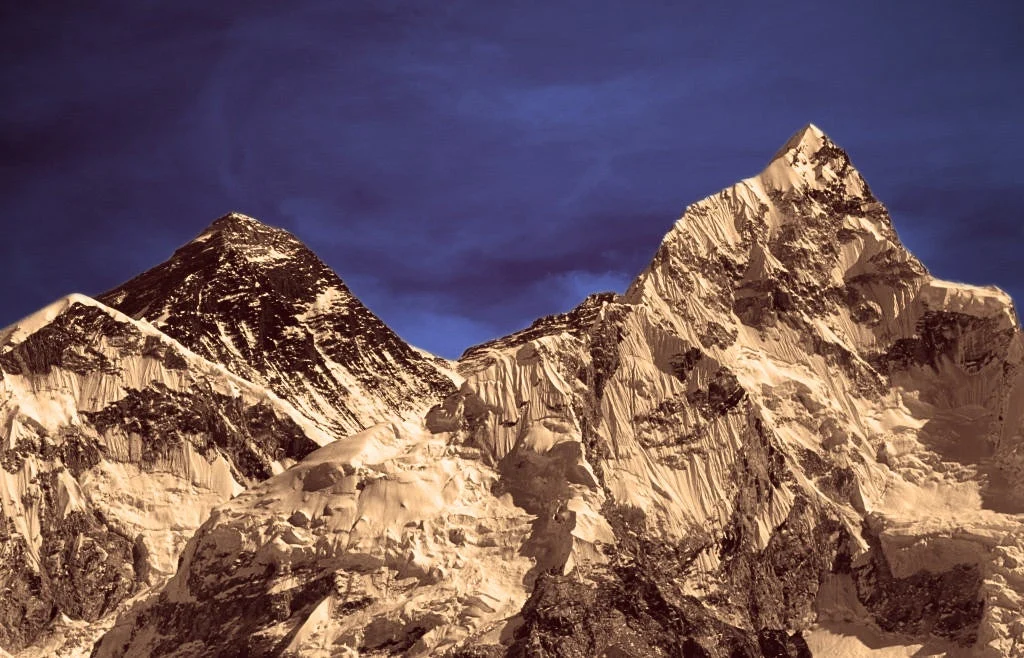
Authorities in Nepal have moved to prosecute 33 individuals and entities following a multi-year investigation into a sophisticated insurance fraud scheme that has allegedly plagued the nation’s high-altitude trekking industry. The Central Investigation Bureau (CIB) of Nepal recently concluded a probe detailing a systemic racket involving trekking agencies, helicopter charter companies, and private hospitals. These entities are accused of orchestrating unnecessary emergency evacuations, inflating medical bills, and, in the most egregious allegations, intentionally inducing illness in foreign tourists to trigger lucrative insurance payouts. The investigation, which spans activities between 2022 and 2025, highlights a growing crisis of ethics in one of Nepal’s most vital economic sectors.
The Anatomy of the Rescue Racket
The fraudulent scheme operates through a collaborative network of bad actors across the tourism and medical sectors. According to the CIB, the process typically begins with trekking guides who identify tourists carrying comprehensive international travel insurance. These policies often cover emergency helicopter evacuations, which are essential in the remote Himalayas where road access is non-existent.
Investigators allege that some guides pressured hikers into requesting helicopter transport for minor ailments—such as mild fatigue or common headaches—that could otherwise be managed by descending on foot. To ensure an evacuation was "justified" to insurers, some operators reportedly resorted to physical tampering with the clients’ health. The most publicized finding from the CIB report involves the use of baking soda or powder added to tourists’ food. This was intended to cause gastrointestinal distress and bloating, symptoms that can mimic the early stages of high-altitude sickness, thereby providing a pretext for an emergency call.
Once the "rescue" is initiated, helicopter companies reportedly bill insurance providers at exorbitant rates. While a standard private charter from Lukla to Kathmandu may cost approximately $2,500, fraudulent invoices often exceeded $10,000 per passenger. In one documented instance, four hikers were transported on a single flight, yet the insurance companies were billed for four separate emergency missions, totaling $31,000. Upon arrival in Kathmandu, patients were often funneled into specific private hospitals that allegedly inflated medical costs and provided kickbacks to the guides and helicopter operators who delivered the "patients."
Chronology of the Investigation: 2018 to 2026
The roots of the current legal action trace back to 2018, when an investigative report by Agence France-Presse (AFP) first exposed the scale of the "rescue scam" in the Himalayas. The report prompted international insurance underwriters to threaten a boycott of Nepal unless the government took decisive action to curb the fraud.
In response, the Nepali government formed a fact-finding committee in late 2018, which led to the implementation of new guidelines. These rules required all rescue operations to be reported to the Tourist Search and Rescue Committee, the Tourist Police, and the Department of Tourism. Despite these measures, the CIB’s recent findings suggest that the racket merely evolved to bypass these oversight mechanisms.
By 2025, after a post-pandemic surge in trekking numbers, the CIB reopened its investigation following renewed complaints from international insurers. In January 2026, the bureau arrested six high-ranking officials from various trekking and rescue firms. Manoj Kumar KC, Chief of the CIB, noted that the persistence of the scam was largely due to previously "lax punitive action," which allowed the perpetrators to view the occasional fine as a mere cost of doing business. The March 2026 report serves as the culmination of this renewed effort, leading to the current charges against 33 defendants.
Statistical Scope of the Fraud
The CIB investigation provided a granular look at the prevalence of fraud within the industry. By analyzing thousands of records from the period between 2022 and 2025, investigators identified a significant discrepancy between genuine medical emergencies and billed evacuations.
- Hospital Case Analysis: Out of 4,782 patients treated at hospitals implicated in the scheme, 171 cases (approximately 3.5%) were identified as definitively fraudulent. While this percentage may seem small, the high cost of each case resulted in millions of dollars in losses for international insurers.
- Helicopter Flight Discrepancies: The CIB examined the flight logs of three specific transport companies. Of the 2,320 flights conducted by these firms during the investigation period, 317 flights (13.6%) were determined to be fraudulent or involved inflated billing practices.
- Financial Impact: While the total global loss is difficult to quantify, industry experts estimate that the "rescue racket" has cost international insurance groups upwards of $20 million over the last decade, leading to significantly higher premiums for travelers visiting the Himalayan region.
Clarifying the "Everest" Misconception
A significant point of contention regarding the international media coverage of this scandal is the frequent association with Mount Everest climbers. Journalistic analysis of the CIB report confirms that the fraud almost exclusively targeted trekkers—hikers on established trails—rather than high-altitude mountaineers attempting to summit the world’s highest peaks.
The distinction is critical for understanding the logistics of the scam. Everest summit expeditions are high-stakes, multi-month endeavors costing between $40,000 and $100,000 per person. These climbers are typically supported by highly experienced, certified mountain guides (IFMGA/NNMGA) who operate under intense scrutiny. Conversely, the trekking industry serves hundreds of thousands of casual hikers who visit the Everest Base Camp trail, the Annapurna Circuit, or the Manaslu region. These hikers often employ less-regulated trekking guides, creating a larger and more vulnerable pool of targets for fraudulent operators.
While the "Everest" brand is used in headlines to attract global attention, the reality of the fraud is situated in the lower-altitude trekking valleys where helicopter access is frequent and medical oversight is thin.
Official Responses and Industry Implications
The filing of charges has elicited a range of responses from stakeholders within Nepal and the international community. The Nepal National Mountain Guide Association (NNMGA) has distanced itself from the scandal, emphasizing that the individuals involved are primarily trekking guides rather than certified mountaineering professionals. The association has called for stricter licensing requirements to protect the reputation of the guiding profession.
International insurance providers, such as Global Rescue and Travelers, have reportedly begun blacklisting specific helicopter companies and hospitals in Kathmandu. Some insurers have signaled that they may require a secondary medical opinion from a remote doctor before authorizing any non-life-threatening evacuations in Nepal.
The Nepali Department of Tourism has expressed concern that the scandal could damage the country’s image as a premier adventure destination. Tourism accounts for approximately 6.7% of Nepal’s GDP, and maintaining the trust of international visitors is paramount. Government officials have pledged to implement a "one-window" system for rescue operations, which would centralize all emergency calls through a government-monitored dispatch center to eliminate the possibility of kickbacks between private parties.
Analysis of Broader Impacts
The implications of the CIB investigation extend beyond the courtroom. The "rescue racket" has created a "cry wolf" scenario that endangers legitimate trekkers. As insurance companies become more skeptical of rescue claims from Nepal, there is a rising risk of delays in authorizing genuine, life-saving evacuations for hikers suffering from legitimate High-Altitude Pulmonary Edema (HAPE) or Cerebral Edema (HACE).
Furthermore, the scandal highlights the need for structural reform in Nepal’s private healthcare and aviation sectors. The reliance on commissions and kickbacks suggests a lack of sustainable revenue models for some operators, who have turned to fraud to survive in a highly competitive market.
As the legal proceedings against the 33 accused individuals move forward, the tourism industry in Nepal stands at a crossroads. The outcome of this case will likely determine whether the country can restore its reputation for safety and integrity or if the "shadow economy" of the Himalayas will continue to undermine the experiences of those seeking to explore the world’s highest mountains. For now, travelers are advised to exercise increased due diligence, verify the credentials of their trekking agencies, and maintain direct lines of communication with their insurance providers during their journey.


 Chandra Hamzah
 Gabriela Annisa
 Tatiana Tantri Indah Sari
 Budi Mulyono