
 Chandra Hamzah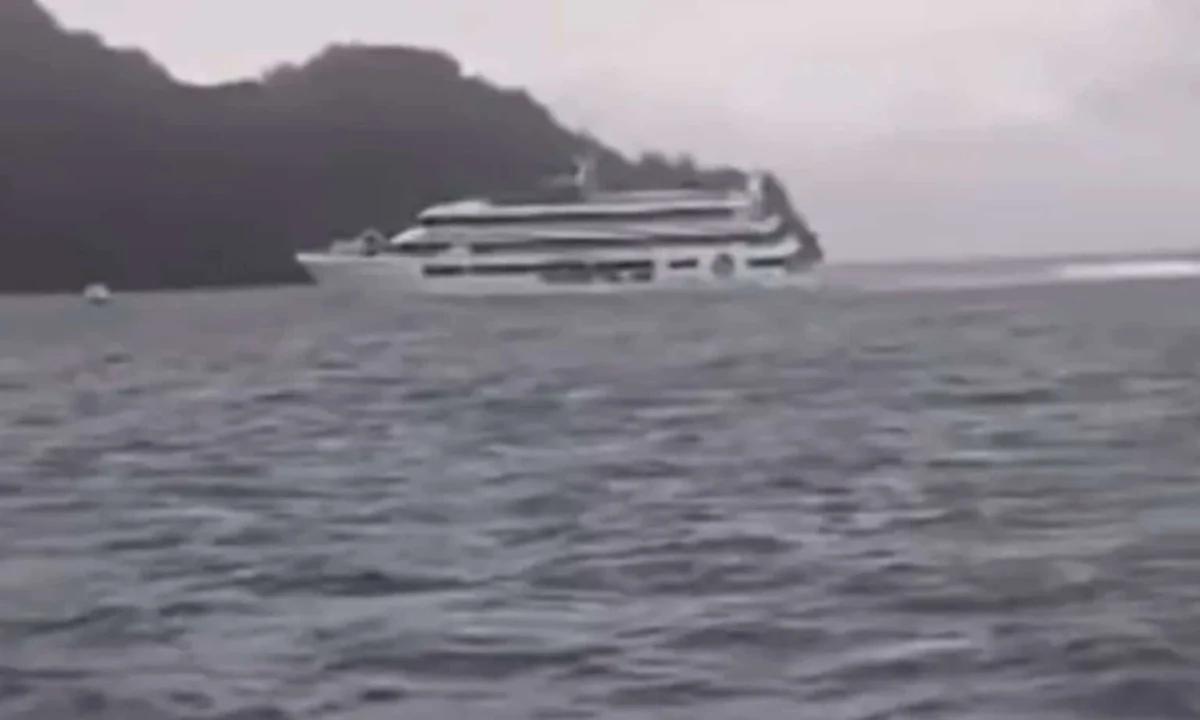
Thirty passengers have been safely evacuated from the cruise ship Fiji Princess after it ran aground in Fijian waters. The vessel, operated by Blue Lagoon Cruises, experienced engine failure and began taking on water before grounding on reefs near Monuriki Island, a location famously recognized as the filming site for the 2000 Hollywood blockbuster Cast Away. While initial reports confirm the successful rescue of all passengers and crew, concerns remain regarding the extent of the vessel’s damage and potential environmental impact. The incident has prompted a coordinated salvage and pollution prevention operation, highlighting the inherent risks associated with maritime travel in the region.
The Incident Unfolds: A Chain of Mechanical Failure and Grounding
The grounding of the Fiji Princess occurred during a scheduled seven-day itinerary, a popular choice for tourists seeking to explore Fiji’s picturesque archipelago. The precise timeline of the incident is still being pieced together, but reports indicate that the 55-meter vessel first encountered significant engine failure. This mechanical malfunction is believed to have compromised its maneuverability, leading to the subsequent ingress of water into the hull. In its disabled state, the ship drifted and ultimately ran aground on the coral reefs situated in close proximity to Monuriki Island.
Monuriki Island, part of the Mamanuca Islands group, gained international fame following the release of the film Cast Away, starring Tom Hanks. Its pristine beaches and dramatic volcanic landscapes have since become a significant tourist draw, often featured on cruise itineraries. The grounding of the Fiji Princess in such a well-known and ecologically sensitive area has amplified public interest and concern.
Passenger and Crew Evacuation: A Swift and Safe Operation
Authorities have confirmed that all 30 passengers aboard the Fiji Princess were safely rescued and transferred to Port Denarau. The Fiji Navy played a crucial role in the immediate response, working to ensure the well-being of everyone on board. Fortunately, no injuries were reported during the rescue operation, a testament to the swift action of the responding teams and the crew of the Fiji Princess.
Following the passenger evacuation, crew members were also transferred off the vessel. It was deemed unsafe for them to remain on board overnight due to the compromised state of the ship. They have reportedly been accommodated on another vessel, awaiting further instructions and the progression of the salvage efforts.
Assessing the Damage: Structural Integrity and Environmental Concerns
The Maritime Safety Authority of Fiji has provided an initial assessment of the damage sustained by the Fiji Princess. Reports indicate significant structural compromise, with damage to the vessel’s rear left side and further structural issues identified underneath the hull. The exact extent of this damage will likely be determined once the vessel is fully accessible and a comprehensive survey can be conducted.
A primary concern following any maritime grounding, particularly in pristine marine environments, is the potential for pollution. Authorities are prioritizing the removal of fuel and oil from the Fiji Princess to mitigate any risk of an environmental disaster. An Australian team has been engaged to assist with this critical operation, underscoring the collaborative efforts to manage the situation. The success of this fuel and oil removal is paramount before further recovery and salvage operations can be safely undertaken.
Background Context: Blue Lagoon Cruises and Fijian Tourism
Blue Lagoon Cruises is a well-established operator in Fiji, known for offering intimate cruising experiences that showcase the archipelago’s natural beauty and cultural heritage. Their fleet typically caters to smaller groups, providing a more personalized approach to exploring the islands. The Fiji Princess itself is a vessel designed for such itineraries, emphasizing comfort and access to remote locations.
Fiji’s tourism industry is a vital component of its economy, with cruise tourism playing a significant role. The Mamanuca and Yasawa Islands, where the incident occurred, are particularly popular destinations for cruise lines due to their stunning scenery and abundant marine life. Accidents like this, while infrequent, can have a ripple effect on the tourism sector, raising questions about safety protocols and environmental stewardship.
Chronology of Events (Inferred from reports)
While a precise minute-by-minute account is not publicly available, the events leading to the rescue and ongoing salvage operation can be pieced together:
- Pre-Grounding: The Fiji Princess was underway on its seven-day itinerary.
- Engine Failure: The vessel experienced a significant mechanical failure in its engines, leading to a loss of propulsion and control.
- Water Ingress: Reports indicate that the ship began taking on water, suggesting potential breaches in the hull or associated systems due to the engine failure.
- Grounding: In its disabled state, the Fiji Princess ran aground on the reefs near Monuriki Island.
- Emergency Response: The Fiji Navy and other emergency services were alerted and mobilized to the scene.
- Passenger Rescue: All 30 passengers were safely evacuated from the vessel and transported to Port Denarau.
- Crew Evacuation: Crew members were subsequently removed from the ship due to safety concerns regarding its stability.
- Damage Assessment and Pollution Control: Initial assessments of the vessel’s damage were conducted, and immediate steps were taken to address potential environmental pollution by initiating fuel and oil removal.
- Salvage Planning: Preparations for the eventual salvage and recovery of the vessel commenced, pending improved weather conditions.
Official Statements and Reactions
The Fiji Navy, a key responder to the incident, provided confirmation of the safe rescue of all passengers and crew. Their statement emphasized the absence of reported injuries, a crucial detail in reassuring the public and stakeholders. The Maritime Safety Authority of Fiji’s confirmation of the significant damage to the vessel provides a clear picture of the challenges ahead in its recovery.
While no specific statements from Blue Lagoon Cruises have been widely reported in the initial news, it is standard practice for such companies to conduct internal reviews and issue statements addressing passenger welfare and the ongoing recovery efforts. The company’s immediate priority would likely be to ensure the comfort and repatriation of the affected passengers and to work closely with authorities on the salvage operation.
Broader Implications and Future Considerations
The grounding of the Fiji Princess serves as a stark reminder of the inherent risks associated with maritime operations, even in well-traversed tourist areas. The incident prompts several considerations for the future of cruise tourism in Fiji and similar island nations:
- Vessel Maintenance and Safety Protocols: Rigorous adherence to maintenance schedules and safety protocols is paramount to prevent mechanical failures that can lead to such incidents. Regular inspections and proactive risk assessments are crucial.
- Environmental Protection: The proximity to a sensitive marine environment like the Mamanuca Islands underscores the critical importance of robust environmental protection measures. Rapid response capabilities for pollution containment and cleanup are essential. The successful removal of fuel and oil will be a key indicator of the effectiveness of these measures.
- Emergency Response Preparedness: The swift and efficient rescue operation highlights the importance of well-trained and well-equipped emergency response teams. Collaboration between naval forces, maritime authorities, and private operators is vital for effective crisis management.
- Impact on Tourism: While the immediate focus is on safety and recovery, incidents of this nature can, in the short term, impact tourist confidence. Transparent communication and demonstrated commitment to safety and environmental responsibility are crucial for maintaining Fiji’s reputation as a premier tourist destination. The involvement of an Australian team in the pollution control effort also highlights the reliance on international expertise in managing significant maritime incidents.
- Vessel Salvage Challenges: The grounding on reefs presents complex salvage challenges. The condition of the hull, the underwater topography, and prevailing weather conditions will all play a significant role in the timeline and success of the recovery operation.
The Fiji Princess incident, while thankfully resulting in no casualties, underscores the need for continued vigilance and investment in maritime safety and environmental stewardship within Fiji’s vital tourism sector. The coming days and weeks will be critical as authorities work towards the safe recovery of the vessel and the preservation of the pristine Fijian waters.


 Anjar Salim
 Dwi Wanna
 Budi Mulyono
 Lukman Taruna Persada Ramadan
 Gabriela Annisa