Anjar Salim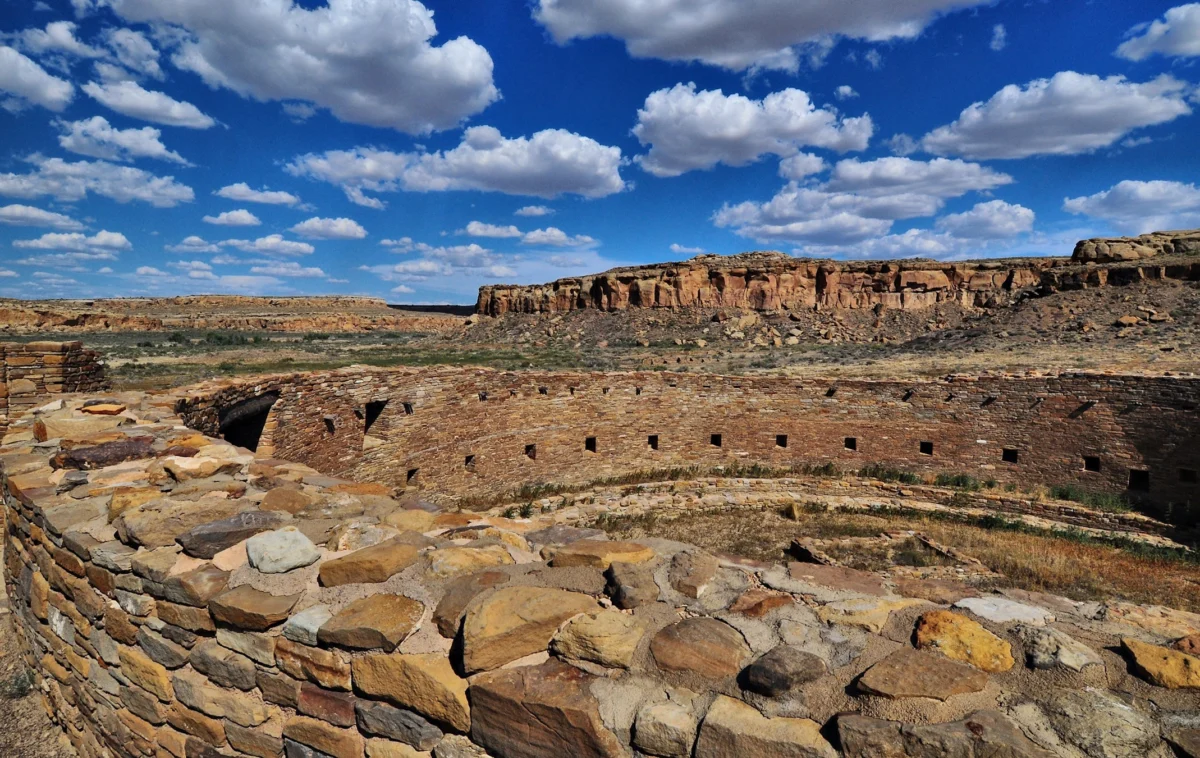
The federal government has initiated a controversial regulatory process to open the fragile and historically significant landscape surrounding Chaco Culture National Historical Park to new oil and gas leasing. This move, announced by the Bureau of Land Management (BLM) on March 31, 2026, seeks to strip environmental and cultural protections from a 10-mile buffer zone that was established only three years ago to safeguard one of North America’s most vital archaeological treasures. The proposal has drawn immediate and fierce condemnation from tribal leaders, environmental advocacy groups, and legal experts who argue that the expedited timeline for public feedback undermines the democratic process and threatens the integrity of a UNESCO World Heritage Site.
At the heart of the dispute is a 336,425-acre expanse of federal land in northwestern New Mexico. In 2023, following decades of advocacy from the Navajo Nation and Pueblo tribes, the Department of the Interior implemented a 20-year moratorium on new federal oil and gas leasing within this ten-mile radius of the park. The withdrawal was designed to protect thousands of unexcavated archaeological sites and maintain the spiritual and environmental sanctity of the "Greater Chaco" landscape. However, the current administration’s shift toward an "energy independence" mandate has placed these protections on the chopping block, signaling a significant reversal in federal land management priorities.
A Legacy of Civilization: The Significance of Chaco Canyon
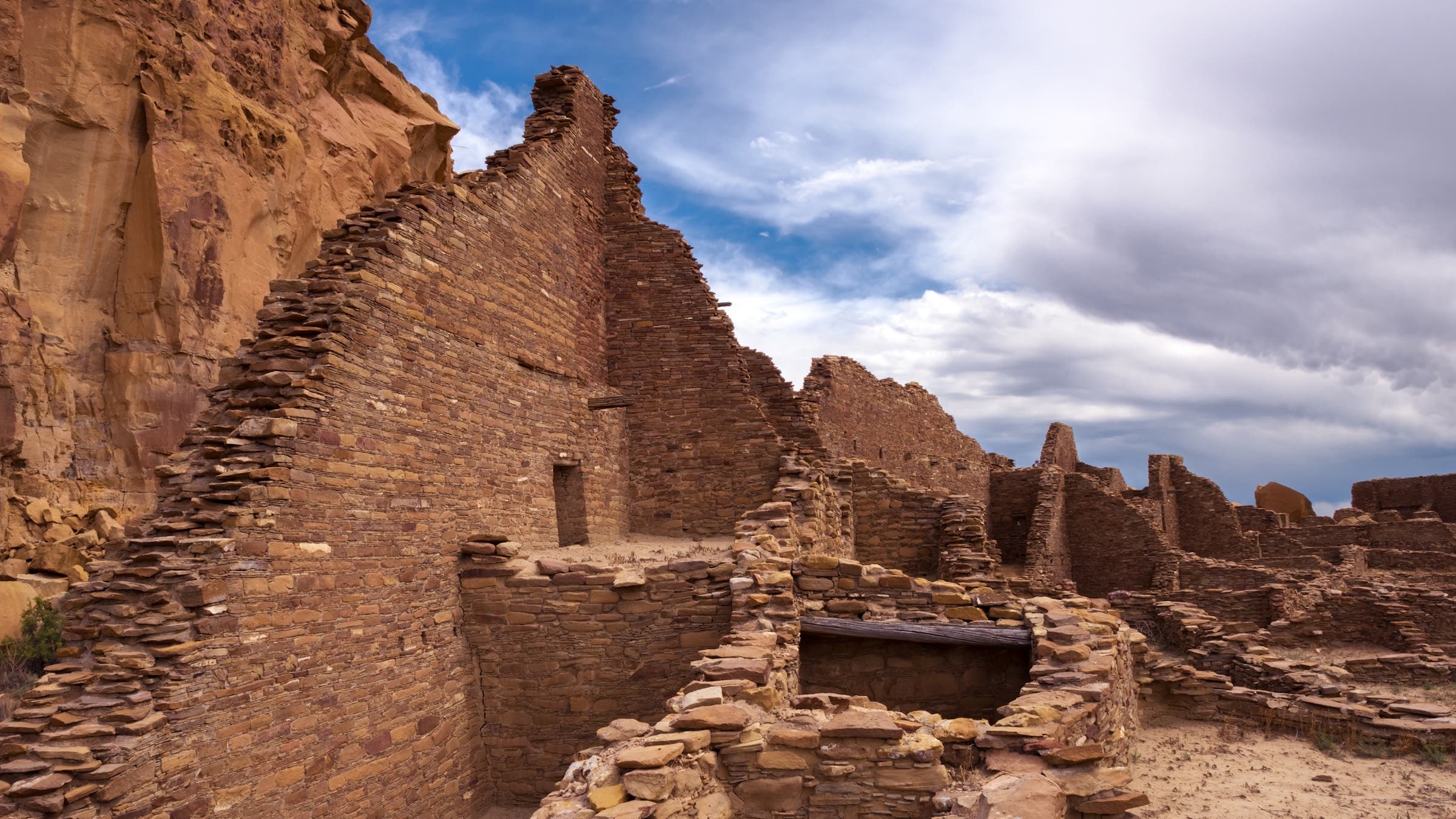
Chaco Culture National Historical Park is widely considered the ceremonial and economic center of the Ancestral Puebloan civilization, which flourished between 850 and 1150 CE. The site is home to "Great Houses"—massive, multi-story stone structures that demonstrate a level of architectural sophistication and astronomical alignment rarely seen in the ancient world. Buildings like Pueblo Bonito and Chetro Ketl were engineered with such precision that they align with solar and lunar cycles, serving as a prehistoric observatory for a complex society.
The park contains over 4,000 recorded archaeological sites, yet experts believe this is only a fraction of the historical wealth contained within the surrounding landscape. The ten-mile buffer zone is not merely an arbitrary boundary; it encompasses ancient road systems, signaling stations, and outliers that connected Chaco Canyon to distant communities across the San Juan Basin. For the modern-day descendants of these people, including the Diné (Navajo) and the 19 Pueblos of New Mexico, the land is not a relic of the past but a living cultural landscape.
Local leaders emphasize that the spiritual value of the area cannot be quantified. Daniel Tso, a former Navajo Nation Council delegate and a prominent activist for the landscape’s preservation, has spent years guiding visitors through the region to highlight the encroachment of industrial infrastructure. Tso maintains that the removal of the buffer zone would be "catastrophic," noting that the land is integral to the history, language, and customs of his people. According to Tso, the industrialization of the buffer zone would effectively sever the connection between the central Chacoan sites and the broader ancestral geography.
Chronology of Protection and Reversal
The path to the current conflict began in earnest in the late 2010s, as hydraulic fracturing (fracking) technology led to a surge in drilling activity in the San Juan Basin. The basin is one of the most productive natural gas regions in the United States, and the proximity of drilling rigs to sacred sites became a flashpoint for regional tension.
In June 2023, the Secretary of the Interior finalized a Public Land Order that withdrew the federal lands within the ten-mile buffer from new mineral leasing for 20 years. This decision followed a 2.5-year evaluation process, which included extensive tribal consultation and a 120-day public comment period. The withdrawal did not affect existing leases or private and tribal land allotments, but it halted the further expansion of industrial activity on federal tracts immediately adjacent to the park.
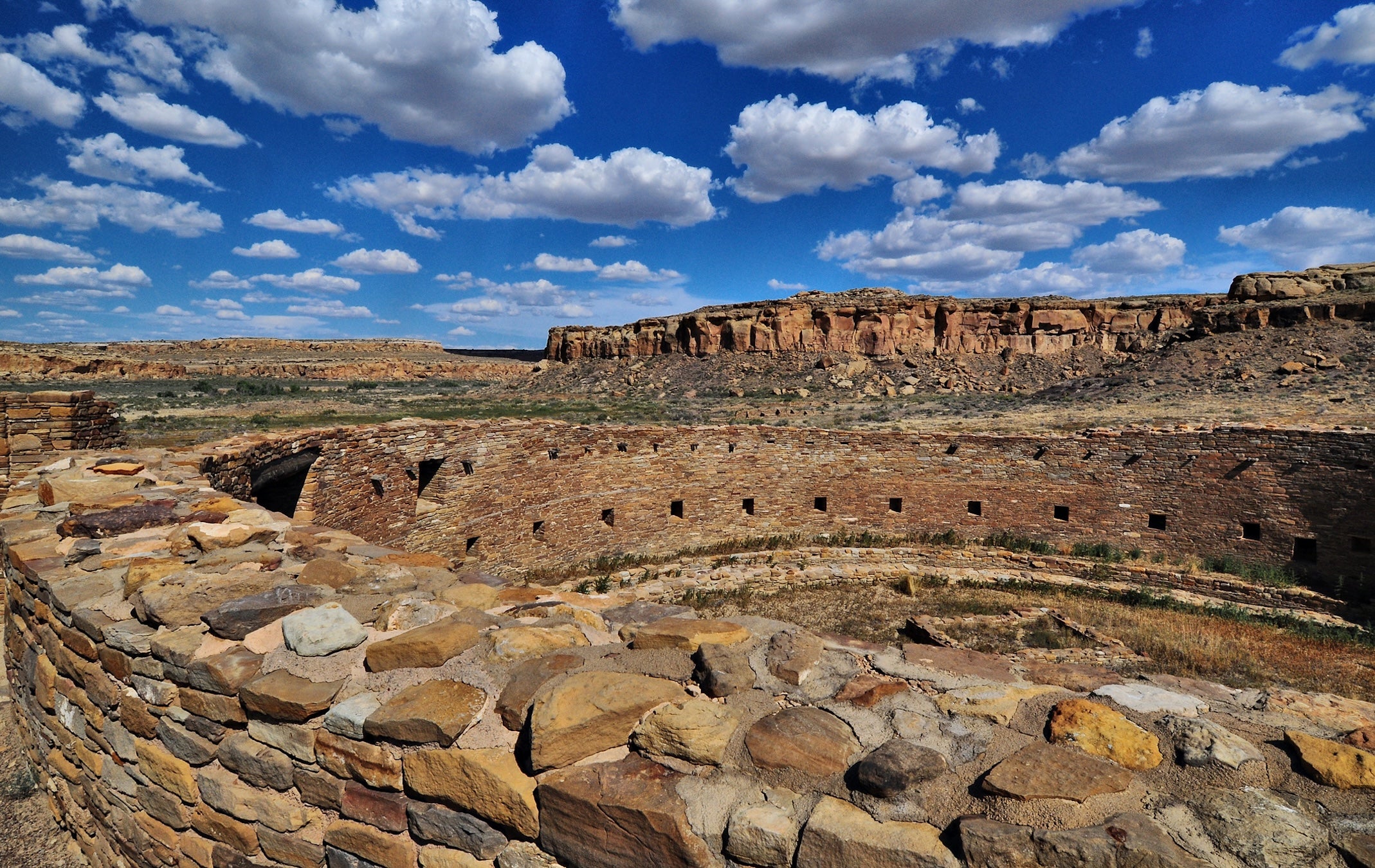
The reversal announced on March 31, 2026, represents a swift pivot in policy. The BLM has stated that the review is part of a broader executive initiative to maximize domestic energy production and reduce regulatory hurdles for the oil and gas industry. By revoking the 2023 order, the federal government would once again allow the BLM to auction off parcels of land for development within the sensitive buffer zone.
The Regulatory Controversy: A Seven-Day Window
One of the most contentious aspects of the BLM’s new proposal is the timeframe allotted for public participation. While federal land management changes typically involve public comment periods lasting 30 to 60 days—and sometimes up to 120 days for complex environmental issues—the BLM has limited the current scoping period to just seven days, ending on April 7.
Critics argue that this abbreviated window is a deliberate attempt to bypass meaningful public scrutiny. Rose Rushing, an attorney with the Western Environmental Law Center, characterized the process as a "procedural formality" intended to foreclose participation. She noted that the original establishment of the buffer zone involved years of collaborative work and rigorous environmental impact assessments, all of which the current administration seeks to undo in a matter of days.
The seven-day window is particularly problematic for the local Diné communities living in the Greater Chaco area. Many residents in these remote regions lack reliable internet access and connection to the electrical grid, making it nearly impossible to participate in an "online-only" comment process on such short notice. Mario Atencio, a Diné activist, highlighted that many elders in the community speak only the Diné language, further complicating their ability to engage with a fast-tracked federal bureaucracy.
The BLM has defended its authority to modify or revoke land withdrawals under the Federal Land Policy and Management Act (FLPMA). A spokesperson for the agency confirmed that the review is consistent with current administration goals but did not provide a justification for the seven-day deadline when asked if it met standard operating procedures.
Environmental and Economic Implications
The proposed rollback has sparked a debate over the economic future of northwestern New Mexico. Proponents of drilling argue that the San Juan Basin remains a vital source of revenue and employment for the state. Opening the buffer zone could potentially lead to millions of dollars in new investment and royalty payments, which fund public services and infrastructure in New Mexico.
However, environmental watchdogs like the San Juan Citizens Alliance point to the long-term costs of industrializing a remote and pristine landscape. Mike Eisenfeld, the organization’s energy and climate program director, compared the prospect of drilling near Chaco Canyon to "building a power plant next to Denali." He noted that the industrialization process involves more than just the drilling rigs themselves; it includes the construction of roads, pipelines, compressor stations, and high-intensity lighting.
The environmental impact of such development includes:
- Light and Noise Pollution: Chaco Canyon is a certified International Dark Sky Park. Flaring from oil wells and industrial lighting would degrade the visibility of the stars, which is a primary draw for tourism and a key component of the site’s historical context.
- Air Quality and Methane: The San Juan Basin has historically struggled with a "methane hot spot," a massive cloud of methane visible from space caused by leaks from oil and gas infrastructure. Increased drilling could exacerbate regional air quality issues.
- Vibrational Damage: Archaeological experts warn that the heavy machinery and seismic activity associated with fracking could cause structural damage to the fragile masonry of the ancient Great Houses.
Legal Challenges and Next Steps
The expedited nature of the BLM’s proposal is likely to trigger significant legal challenges. Legal experts suggest that the administration may be in violation of both the Federal Land Policy and Management Act (FLPMA) and the National Environmental Policy Act (NEPA). These laws require federal agencies to take a "hard look" at the environmental consequences of their actions and to ensure that the public has a meaningful opportunity to provide input.
If the BLM moves forward after the April 7 deadline, the next step will be the publication of an environmental assessment (EA). This document will analyze the potential impacts of the rollback and consider alternative actions. While the BLM has indicated there will be another comment period following the release of the EA, advocacy groups are already preparing for litigation to halt the process before leases can be issued.
The National Parks Conservation Association (NPCA) has stated that no landscape, regardless of its cultural significance, appears to be off-limits under the current federal strategy. Maude Dinan, the NPCA’s New Mexico program director, emphasized that the fight over Chaco Canyon is a bellwether for the future of public land protection across the United States.
Broader Impact on Public Land Policy
The situation at Chaco Canyon reflects a broader national tension between conservation and extraction. As the federal government pushes for increased energy independence, the protections afforded to national monuments, wilderness areas, and historical sites are being tested. The outcome of the Chaco Canyon proposal will likely set a precedent for how the government balances industrial needs with the preservation of heritage sites.
For the Indigenous communities of the Southwest, the issue is one of sovereignty and respect. The 2023 buffer zone was seen as a rare victory in a long history of land disputes with the federal government. To see that protection rescinded so quickly—and with minimal consultation—is viewed by many as a breach of trust.
As the April 7 deadline approaches, tribal leaders and environmentalists are calling on the public to contact their representatives and demand an extension of the comment period. They argue that the 1,100-year history of Chaco Canyon deserves more than a one-week window for consideration. The coming months will determine whether the "Sistine Chapel of the High Desert" remains a protected sanctuary or becomes the next frontier for the American energy industry.



 Chandra Hamzah
 Gabriela Annisa
 Tatiana Tantri Indah Sari
 Budi Mulyono