Chandra Hamzah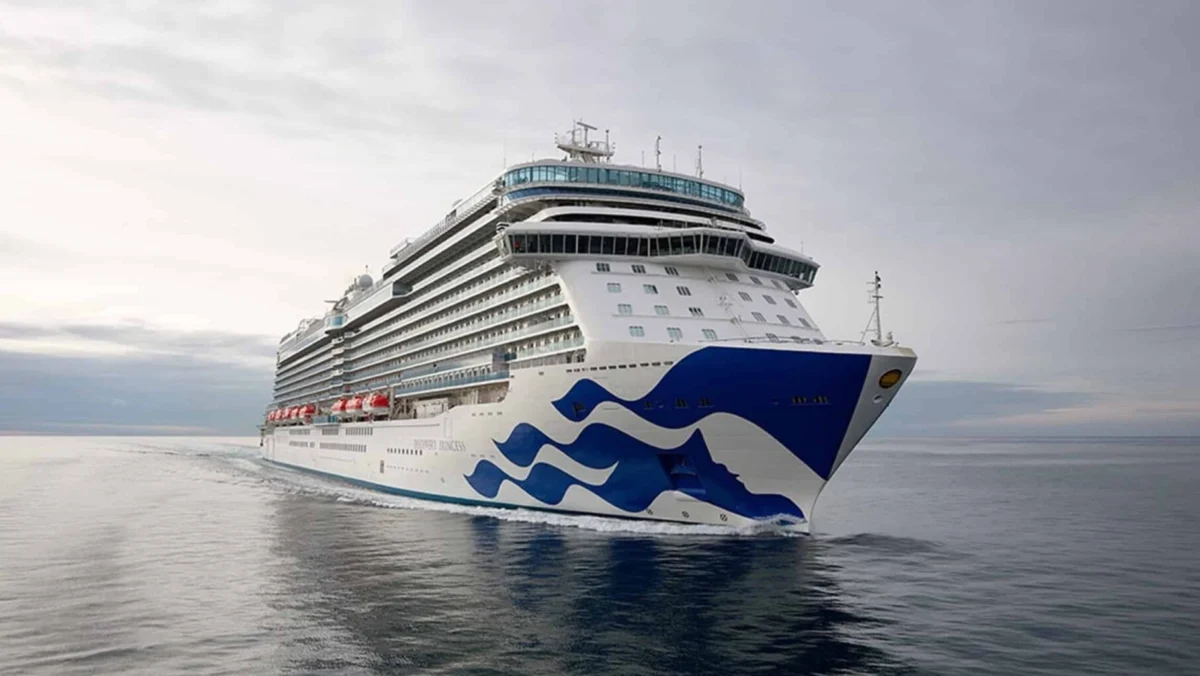
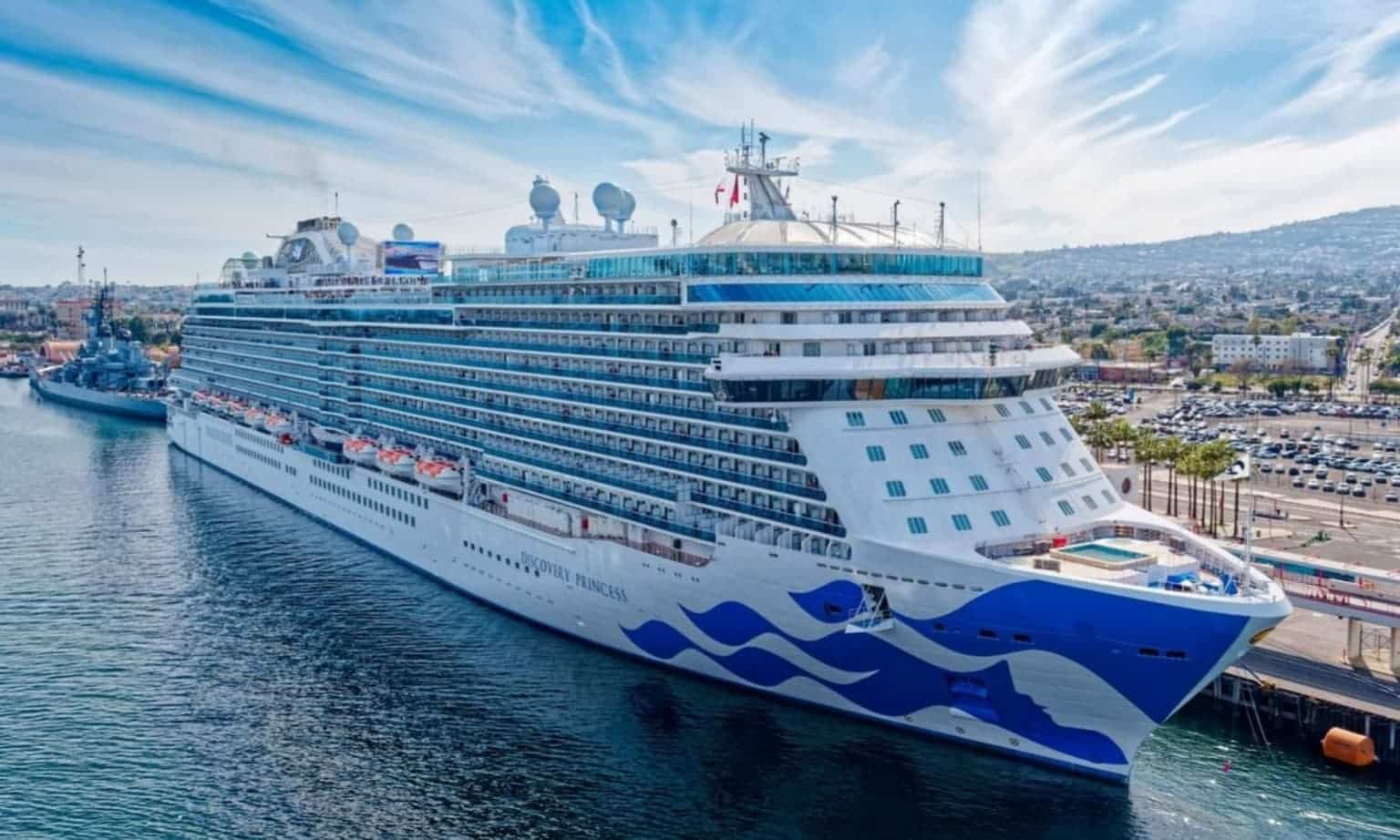
As the Discovery Princess concluded its inaugural and sole Australian season, its final departure from Australian waters proved to be exceptionally popular, leading to an overbooking situation that prompted Princess Cruises to offer significant incentives for passengers to voluntarily relinquish their spots. Guests, some of whom were in transit to Sydney to board the ship, received an unexpected notification and a compelling offer from the cruise line.
The Discovery Princess was reportedly overbooked for its 30-night transpacific repositioning cruise departing from Sydney on April 7th. In an effort to manage the excess demand and avoid denying boarding to passengers who had secured reservations, Princess Cruises proactively reached out to a selection of guests. These passengers were presented with a generous compensation package if they chose to alter their travel plans and forgo boarding the voyage.
The targeted communication from Princess Cruises stated, "Due to the popularity of your upcoming April 7th cruise on Discovery Princess, you are eligible for exceptional savings should you choose to change your travel arrangements." This offer, which was not extended to all passengers booked on the sailing, was designed to be highly attractive.
Generous Compensation Package Offered
Passengers who accepted the offer were presented with a multifaceted compensation package. This included a full refund of their cruise fare, a complete cruise credit equivalent to the value of their original booking, and reimbursement for travel expenses incurred in preparation for the cruise, capped at $1500 per person. This reimbursement was intended to cover costs such as flights, accommodation, and other pre-paid travel arrangements made to join the Discovery Princess in Sydney.
The decision to offer such substantial incentives suggests a strategic approach by Princess Cruises to resolve the overbooking issue amicably. By providing a compelling financial and future-travel incentive, the cruise line aimed to secure voluntary opt-outs, thereby ensuring that passengers who had made significant travel arrangements, particularly those coming from overseas, would not be denied boarding at the last minute.
Passenger Reactions and Potential Demographics
While the original report indicated no passengers were forcibly removed from the ship, the success of the compensation offer implies that a sufficient number of guests accepted the terms. Social media discussions offered a glimpse into the passenger experience and decision-making process. One passenger, who had reportedly flown from Texas to Sydney for the cruise, expressed their predicament: "Flew from Texas to Sydney for this. Would need to reschedule for next April if I wanted to do this same trip as it’s a repositioning. And find my way back to Texas now. I think I’ll pass." This sentiment highlights the logistical challenges and potential disruption for passengers who had already invested significantly in travel arrangements, making the offer of a full refund and future cruise credit a practical and financially sound choice for some.
It is likely that passengers who had made extensive travel arrangements from distant locations, such as the passenger from Texas, were more inclined to accept the compensation. Conversely, local passengers who may have had more flexibility in their schedules and had not yet made significant travel commitments might have been more receptive to altering their plans, especially given the attractive offer. This scenario suggests that Princess Cruises successfully managed to balance the needs of its customer base while resolving an operational challenge.
Background on Cruise Overbooking Practices
The practice of overbooking is not unique to the cruise industry; it is a well-established strategy employed by airlines and other travel providers to maximize capacity and revenue. Cruise lines, similar to airlines, often overbook their sailings based on historical data that indicates a certain percentage of booked passengers typically cancel their reservations or fail to show up for their voyage. This proactive measure aims to ensure that ships sail as close to full capacity as possible, thereby optimizing operational efficiency and profitability.
However, this strategy carries inherent risks. In instances where the number of cancellations or no-shows falls below projections, or when demand significantly exceeds expectations, as in the case of the Discovery Princess‘s final Australian voyage, the cruise line can find itself overbooked. When this occurs, the preferred method of resolution is to offer compensation to passengers who voluntarily agree to change their plans. This approach allows the cruise line to avoid the negative publicity and customer dissatisfaction associated with denying boarding to passengers who have confirmed reservations.
Historical Precedents in the Industry
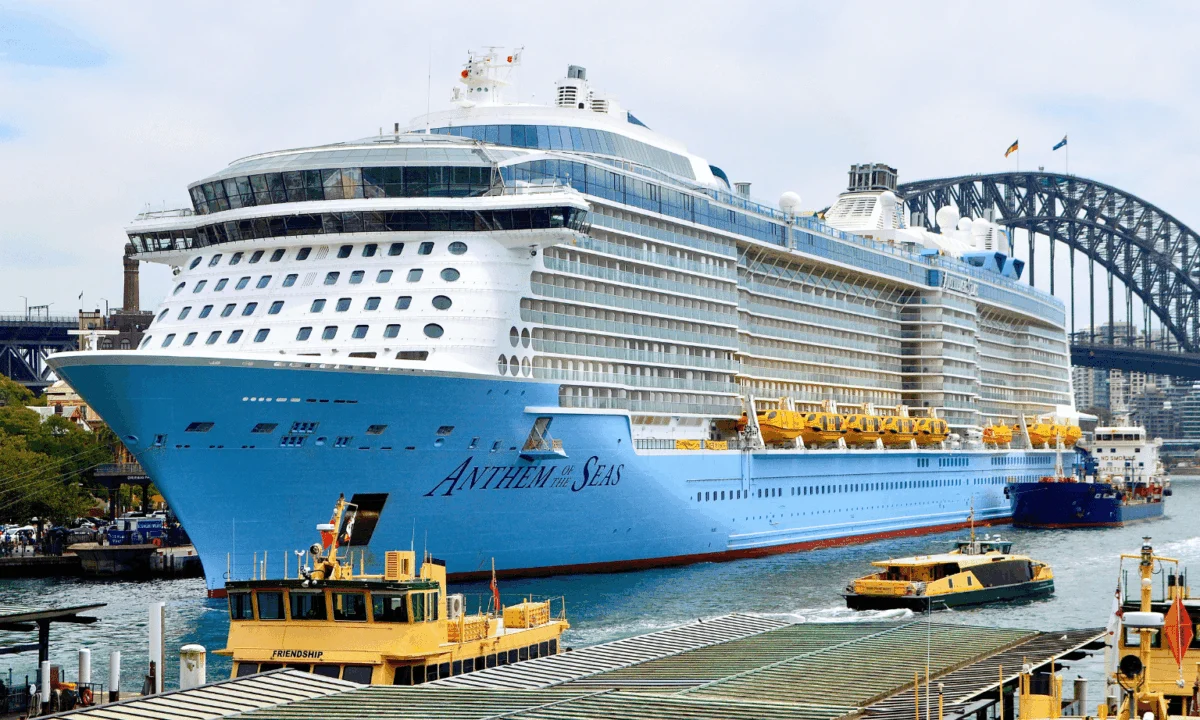
While the Discovery Princess situation appears to have been resolved smoothly, there have been past instances in the cruise industry where overbooking has led to more challenging situations for passengers. Notably, a few years prior in Australia, passengers booked on Royal Caribbean’s Quantum of the Seas were informed shortly before their departure that they would not be allocated staterooms. In that case, Royal Caribbean also offered compensation packages to the affected guests. These past events serve as a reminder that while overbooking is a common practice, its execution can sometimes lead to difficult circumstances for travelers.
Analyzing the Implications of Overbooking
The Discovery Princess incident underscores the delicate balance cruise lines must strike between maximizing occupancy and ensuring a seamless customer experience. The success of Princess Cruises in resolving this overbooking situation through voluntary opt-outs with generous compensation highlights a potentially effective strategy for managing high-demand sailings.
From a business perspective, the cruise line managed to secure a full sailing without inconveniencing a significant portion of its booked passengers. By offering a package that exceeded the value of the cruise itself for some, they incentivized a solution that benefited both the company and the passengers who chose to accept the offer. For those who accepted, they received a full refund and a credit for a future cruise, effectively receiving a "free" cruise for a later date, plus compensation for their original travel expenses.
However, the practice of overbooking, even when managed proactively, can still lead to anxiety and uncertainty for travelers. Passengers who have meticulously planned their vacations, especially those involving international travel, can experience significant stress when faced with last-minute changes, even if compensation is offered. The anecdote of the passenger from Texas illustrates this point, as rebooking a "repositioning cruise" at a later date can be logistically complex and may not always align with personal schedules.
Factors Influencing Overbooking Likelihood and Mitigation Strategies
Overbooking is more likely to occur during peak travel periods, when demand for cruises is highest. Additionally, popular or unique itineraries, such as repositioning cruises that offer extended travel opportunities and often visit multiple destinations, tend to attract higher booking numbers, increasing the potential for overbooking. The Discovery Princess‘s transpacific voyage falls into this category, as it represents a significant journey and a unique opportunity for passengers to experience a lengthy cruise.
For passengers seeking to mitigate the risk of being affected by overbooking, several strategies can be considered, though the likelihood of this occurring is generally low. Some cruise lines offer the option to pay a premium for a guaranteed specific cabin, rather than booking a cabin within a category. While this may provide an added layer of assurance, it is important to note that even with this option, unforeseen operational issues could still arise. However, paying extra for a guaranteed cabin is generally a robust measure against being bumped due to overbooking.
It is crucial for travelers to understand that being denied boarding due to overbooking is a rare occurrence in the broader context of the millions of passengers who cruise annually worldwide. The vast majority of bookings proceed without issue, and when overbooking does occur, the compensation offered is often sufficient to resolve the situation amicably.
The Importance of Travel Insurance
In light of potential disruptions, including overbooking, purchasing comprehensive travel insurance remains a critical recommendation for all cruise passengers. Travel insurance can provide a safety net, covering unforeseen expenses that may not be fully reimbursed by the cruise line, such as non-refundable travel arrangements made outside of the cruise booking. In scenarios where a passenger is denied boarding, travel insurance can help cover the costs associated with rebooking flights, securing alternative accommodation, and other incidental expenses. It provides an essential layer of financial protection and peace of mind, especially when embarking on complex or international travel plans.
Conclusion: A Common Practice with Rare Hiccups
While cruise lines will continue to employ overbooking as a standard operational strategy, the Discovery Princess incident serves as a valuable case study. It demonstrates a proactive and customer-centric approach to managing such situations, prioritizing passenger satisfaction through generous compensation. For the discerning traveler, understanding the prevalence and management of overbooking, coupled with prudent booking practices and comprehensive travel insurance, can help navigate the complexities of modern travel and ensure a smooth and enjoyable cruising experience. The allure of a free cruise and compensation for expenses certainly presents a tempting proposition for some, highlighting the often-successful, albeit sometimes nerve-wracking, balance of supply and demand in the travel industry.

 Gabriela Annisa
 Tatiana Tantri Indah Sari
 Budi Mulyono
 Anjar Salim