
 Anjar Salim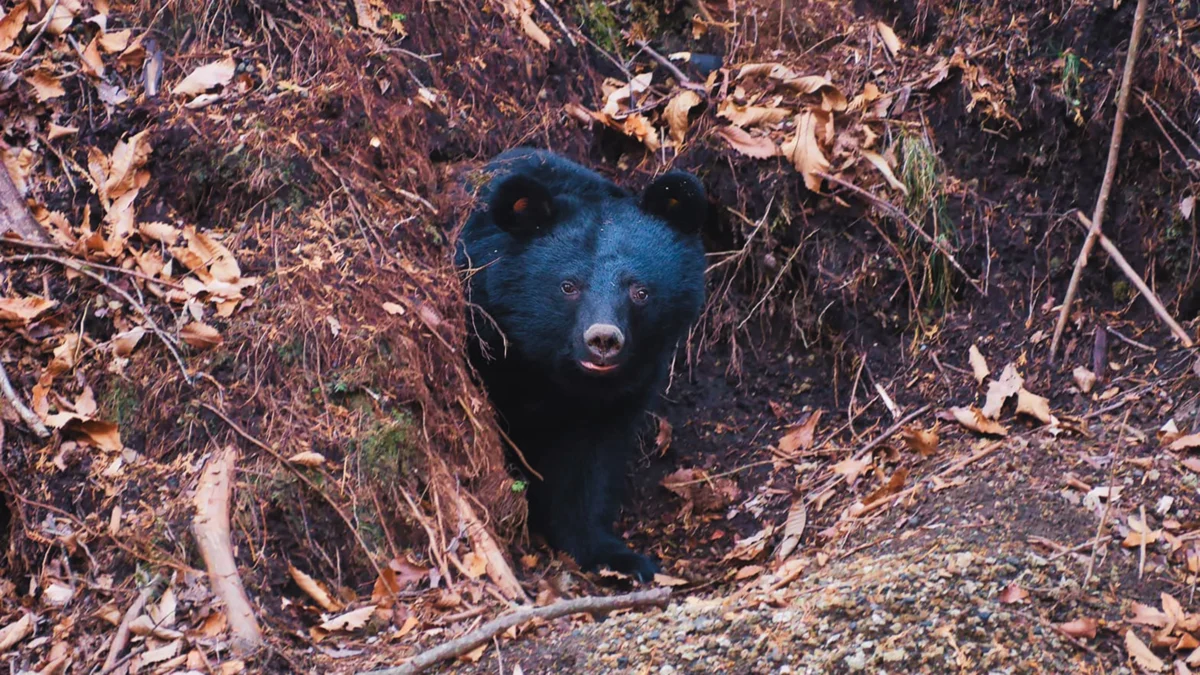
In the rural prefecture of Akita, located in the far north of Japan’s main island, Honshu, the town of Kazuno has become the epicenter of a national crisis that blends environmental unpredictability with a staggering demographic shift. Once a bustling farming community, Kazuno now presents an eerie tableau: thick mountain fogs, shuttered shopfronts, and the constant, rhythmic tinkling of bear bells attached to the backpacks of school-aged children. The atmosphere is no longer defined by the pastoral charm of rural Japan but by the presence of military transport trucks and government warnings.
Japan is currently grappling with a surge in human-bear conflict that reached a breaking point in late 2025. According to data provided by the Ministry of the Environment, the period between April and December 2025 saw 13 fatalities and 230 injuries resulting from bear attacks across the country. Of these, 58 occurred in Akita alone. The severity of the situation prompted the Japanese government to take the extraordinary step of deploying the Self-Defense Forces to assist local hunters and officials in tracking, trapping, and culling animals that have begun to view residential areas as their primary foraging grounds.
A Statistical Shift in Predator Behavior
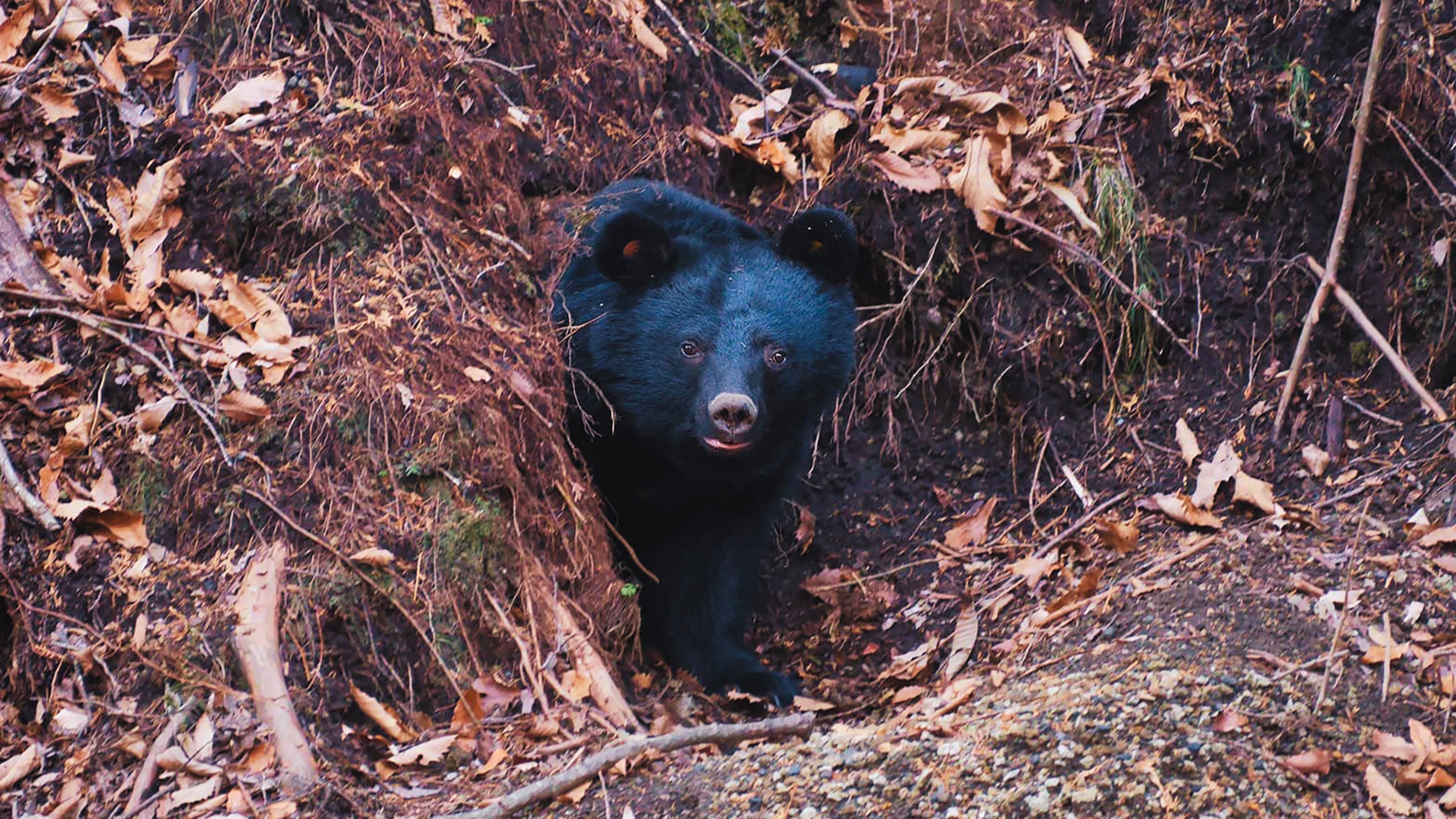
The 2025 crisis represents a departure from historical norms. Japan is home to two distinct species of bear: the Ussuri brown bear, found exclusively on the northern island of Hokkaido, and the Japanese black bear, or "moon bear," which inhabits the mountains of Honshu. While the brown bear is significantly larger—comparable to the North American grizzly—the smaller moon bear, characterized by a white crescent on its chest, was responsible for over 97 percent of the 2025 attacks.
To contextualize the density of the crisis, wildlife experts often point to California as a geographical peer. Both regions are roughly the same size and maintain similar bear populations—estimated between 13,000 and 20,000 in Japan and up to 70,000 in California. However, while California records thousands of "nuisance" reports annually, it has seen only one documented fatal attack in its history. In contrast, Japan recorded five fatalities in the first six months of the 2025 fiscal year alone.
The attacks are no longer confined to remote hiking trails. Bears have been documented entering convenience stores, rampaging through supermarket sushi aisles, and attacking residents on their own doorsteps in broad daylight. This shift suggests a breakdown in the traditional "fear" response bears have toward humans, a phenomenon that zoologists attribute to a combination of starvation and habituation.
Chronology of an Escalating Conflict
The current crisis has roots that trace back a decade, specifically to May 2016 in Kazuno. This period saw the "bamboo-shoot killings," a series of predatory attacks in which a 150-pound female moon bear killed four elderly residents who were harvesting nemagaridake (bamboo shoots). Autopsies and subsequent examinations of the bear confirmed that it had consumed human remains, marking a terrifying pivot where humans were viewed not as a threat to be avoided, but as a source of nutrition.
Following 2016, the frequency of encounters remained elevated, but 2025 saw a catastrophic escalation:
- October 3, 2025: Four mushroom pickers were mauled in Miyagi Prefecture; a 70-year-old woman succumbed to her injuries.
- October 7, 2025: A bear entered a supermarket near Tokyo, injuring two customers before being driven out.
- October 16, 2025: A 60-year-old former wrestling referee was killed and partially consumed while cleaning an open-air hot spring.
- October 24, 2025: In the town of Higashinaruse, a bear attacked a work crew of four, killing one and severely injuring three others.
- Late October 2025: Akita Governor Kenta Suzuki formally requested military intervention after local resources were overwhelmed by the sheer volume of sightings and attacks.
By November, the Japanese government’s military-assisted culling operation had resulted in the capture and killing of nearly 10,000 moon bears nationwide—a controversial but desperate measure intended to restore public safety.
Ecological Drivers: The Failure of the Forest
Biologists and forestry officials point to environmental instability as a primary driver of the 2025 surge. Moon bears are largely herbivorous, relying on mast crops—specifically acorns, chestnuts, and beech nuts—to build fat reserves for winter hibernation. In 2025, these crops failed across northern Honshu due to unpredictable weather patterns attributed to climate change.
"Bears are individualistic," explains Amelia Hiorns, a zoologist with the conservation group Picchio. "When the high-altitude food sources fail, the geography of places like Kazuno—a basin surrounded by the Ōu Mountains—acts as a funnel, directing hungry bears straight into human settlements."
Furthermore, some experts theorize that bears failing to hibernate properly due to warmer winters emerge with "unusual levels of hunger," leading them to seek out high-calorie human foods and livestock. In some instances, bears have become "hyper-protective" or aggressive following traumatic interactions or the loss of cubs to male bears, further complicating the safety landscape for rural residents.
The Demographic Catalyst: A Shrinking Human Presence
While ecological factors explain why the bears are hungry, Japan’s demographic crisis explains why they are so close to human homes. Japan is currently classified by the United Nations as a "super-aged" nation. In Akita, the most geriatric prefecture in the country, the average age is over 50, and nearly 40 percent of the population is over 65.
As the birth rate reaches historic lows—dropping to 686,000 in 2024—young people are fleeing rural areas for the economic stability of Tokyo and Osaka. This mass exodus has led to the abandonment of farmland and the decay of "Satoyama"—the traditional buffer zone of managed forests and agricultural land that once separated wilderness from civilization.
Masashi Soga, a professor at the University of Tokyo, describes this as the "extinction of experience." As agriculture and forestry activities decline, the forest literally reclaims the town. "Active human presence once functioned as landscape management," Soga notes. "Without it, the ecological boundary disappears. The bears aren’t necessarily invading; the system that kept them out has collapsed."
In towns like Kazuno, the population has shrunk by a third since the mid-1990s. The remaining residents are often elderly and live in isolation, making them uniquely vulnerable to predators. In some depopulated villages, residents have even taken to placing mannequins and puppets in front of houses to mask the emptiness of their communities, a strategy that does little to deter a determined bear.
Traditional and Technological Deterrents
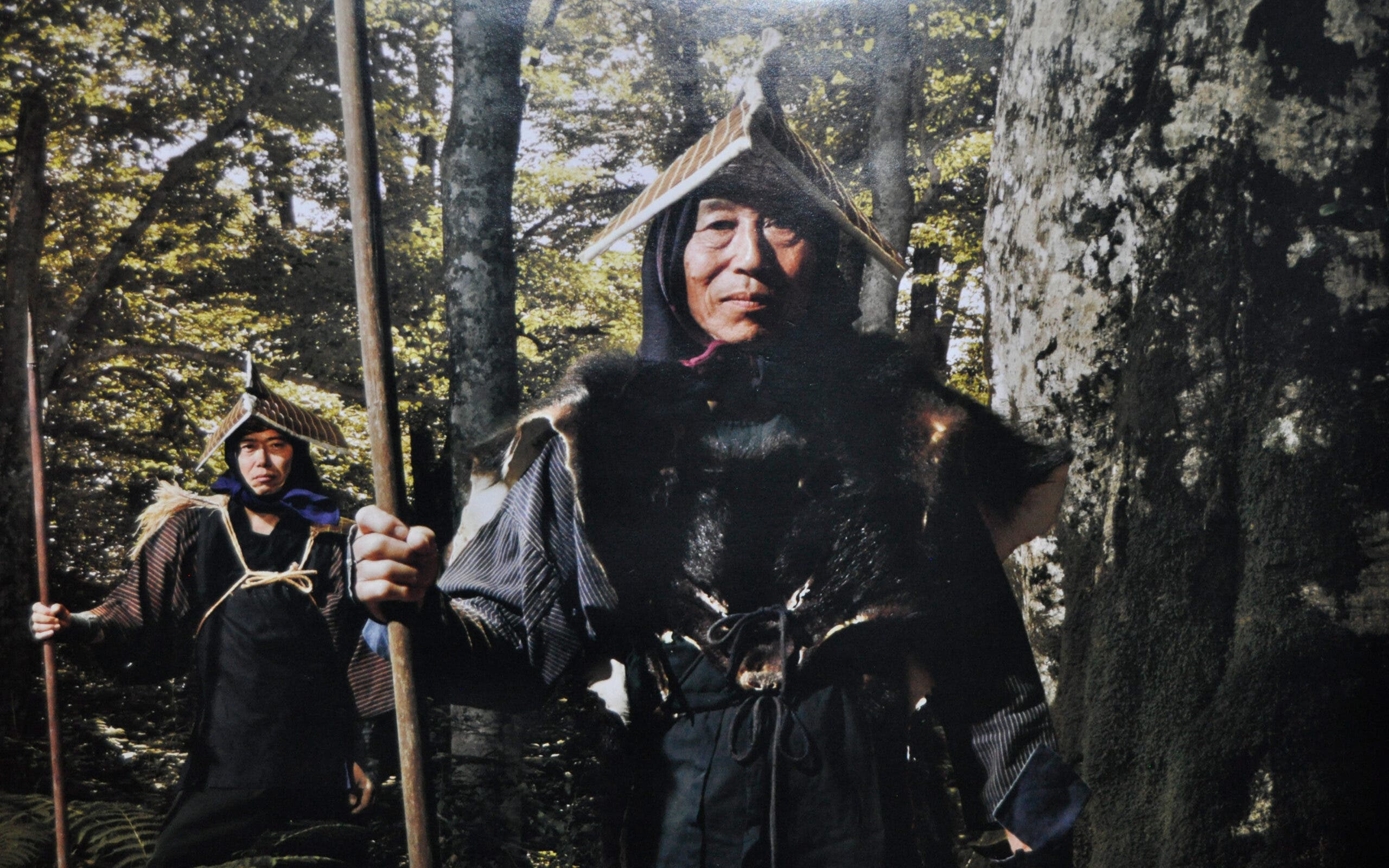
Japan’s response to the crisis is a blend of ancient tradition and futuristic technology. The Matagi—indigenous mountain hunters with a history dating back to the 9th century—remain the frontline of bear management. These hunters view the bear with spiritual reverence, performing rites before and after a kill. However, the Matagi tradition is dying; most hunters are in their 70s, and few young people are willing to undergo the rigorous training and expensive licensing required to carry high-caliber rifles.
Japan’s strict gun laws further complicate the issue. Acquiring a rifle permit requires a decade of shotgun ownership, extensive mental health evaluations, and significant financial investment. Consequently, the pool of individuals capable of managing the bear population is shrinking just as the bear population—or at least its visibility—is growing.
In the absence of hunters, residents have turned to unorthodox deterrents:
- The "Monster Wolf": An animatronic scarecrow with LED eyes and infrared sensors that emits howls, gunshots, and human screams. Over 350 of these units have been deployed across Japan.
- Karelian Bear Dogs: Specialized canines trained to bark at and "shepherd" bears back into the forest without lethal force.
- Personal Protection: Bear bells, high-voltage electric fences around orchards, and the religious use of bear spray have become standard equipment for anyone stepping outside.
Official Responses and the Future of Rural Japan
The Japanese government faces a difficult choice: continue a costly and unpopular war against a native species or reconsider the viability of rural living. Daniel Aldrich, a professor of political science at Northeastern University, suggests that Japan may be looking at a "radical retreat."
"In depopulated areas, the government may eventually have to consolidate services and relocate residents to more densely populated, defensible hubs," Aldrich says. This "urban retreat" would allow the wilderness to fully reclaim the most remote areas, creating a clear, manageable border between humans and apex predators.
The 2025 bear crisis is more than a wildlife management issue; it is a preview of the challenges facing developed nations with aging populations. As human footprints shrink, the natural world does not merely wait at the gate—it enters. For the people of Kazuno, the tinkling of bells and the roar of military trucks serve as a daily reminder that the balance between man and nature is no longer being maintained by the presence of the many, but by the desperate measures of the few.




 Chandra Hamzah
 Tatiana Tantri Indah Sari
 Budi Mulyono
 Lukman Taruna Persada Ramadan