Tatiana Tantri Indah Sari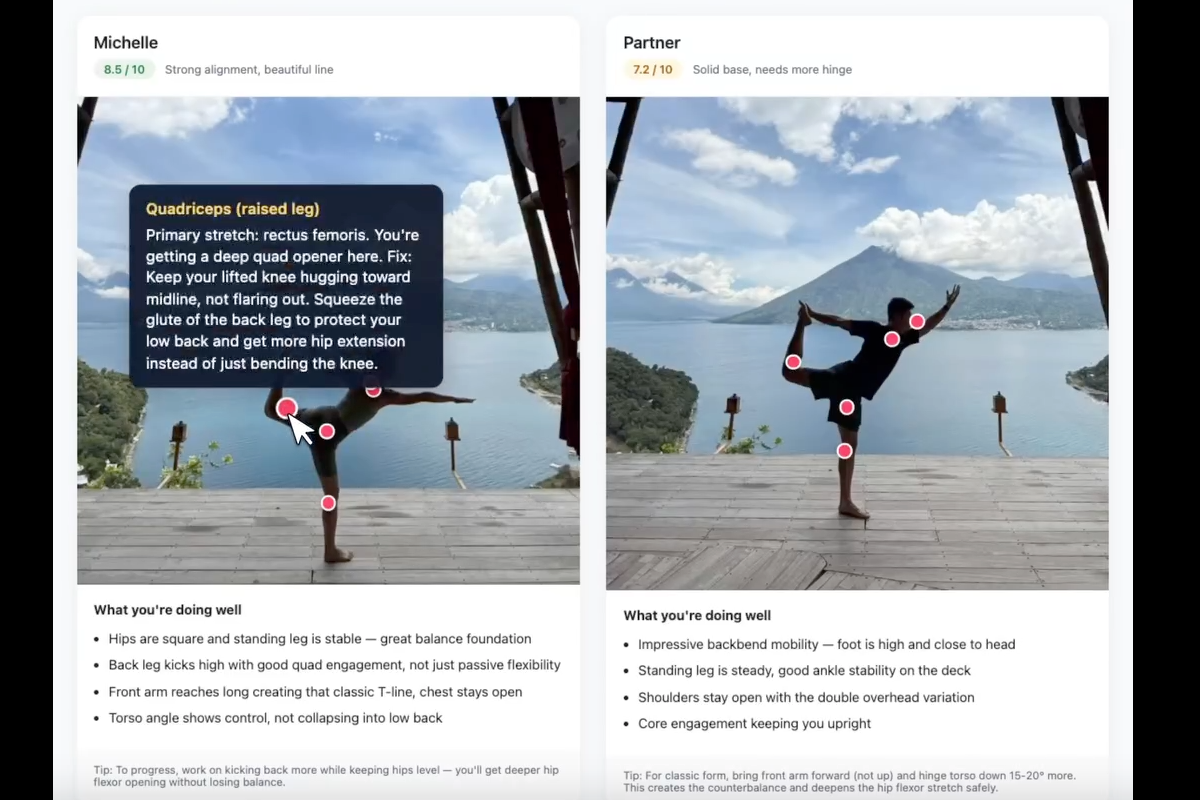
Meta has introduced Muse Spark, an advanced artificial intelligence model developed by its dedicated superintelligence team, signaling a significant strategic shift that could fundamentally reshape how individuals explore and navigate the world. This new iteration of Meta’s AI capabilities promises to integrate rich social history with real-time visual context, offering a more intuitive and immersive experience for travelers. The model is already being rolled out across Meta.ai and the Meta AI app, with strong indications that its integration into Meta’s vast ecosystem—encompassing Facebook, Instagram, WhatsApp, and smart glasses—is imminent, potentially driving a deeper expansion of the tech giant’s influence into the travel discovery sector.
The Strategic Imperative: Deepening Meta’s Grip on Travel Discovery
Meta AI, the foundational AI assistant, currently operates across these platforms, which collectively serve billions of users worldwide. These platforms are already instrumental in various stages of the travel journey, from initial destination discovery and inspiration to sharing trip photos and communicating with travel providers. The infusion of Muse Spark’s enhanced capabilities into these widely adopted surfaces would enable Meta to consolidate its position in travel discovery, capturing user intent and inspiration at their nascent stages. This move is particularly strategic as it targets the crucial intersection where wanderlust transforms into concrete travel plans.
Mark Zuckerberg, Meta’s CEO, has consistently emphasized the company’s long-term commitment to AI and the metaverse, viewing these technologies as the next evolutionary phase of social connection. Muse Spark represents a tangible output of this vision, described by the company as "the first step on our scaling ladder and the first product of a ground-up overhaul of our AI efforts." This statement underscores the model’s importance not just as a new feature, but as a foundational element in Meta’s broader, reinvigorated AI strategy. The model’s ability to process and generate complex visual and textual information is central to its potential impact.
Unpacking Muse Spark’s Capabilities and Technical Foundation
While specific details about Muse Spark’s internal architecture remain proprietary, Meta has indicated that it represents a significant leap in multimodal AI. Traditional AI models often specialize in a single data type, such as text or images. Multimodal AI, like Muse Spark, is designed to understand and generate content across multiple modalities simultaneously. This means it can interpret a user’s textual query, cross-reference it with visual data (like images or videos from Instagram or user-generated content), and then provide contextually relevant and visually rich responses.
For travel, this could manifest in several ways:
- Contextualized Recommendations: Instead of merely listing popular destinations, Muse Spark could interpret a user’s desire for a "historic European city with vibrant nightlife and good vegetarian food," and then provide visual tours, user-generated content from past travelers, and real-time availability for relevant experiences, drawing from a vast repository of social data.
- Real-time Visual Navigation: Integrated with smart glasses, Muse Spark could offer augmented reality overlays, guiding travelers through unfamiliar streets, pointing out landmarks, suggesting nearby points of interest based on their preferences, and even translating signs in real-time.
- Personalized Itinerary Generation: By analyzing a user’s past travel history, saved posts, and interactions on Meta platforms, Muse Spark could craft highly personalized itineraries, taking into account budget, travel style, and specific interests.
- Interactive Planning: Users could converse with the AI assistant, refining their travel plans through natural language, with the AI providing visual feedback and suggestions dynamically.
The "superintelligence team" behind Muse Spark suggests a focus on developing highly advanced AI that can perform complex reasoning and problem-solving, moving beyond mere information retrieval. This team likely comprises top researchers in fields like large language models (LLMs), computer vision, and reinforcement learning, aiming to push the boundaries of what AI can achieve.
A Timeline of Meta’s AI Evolution and Strategic Shifts
Meta’s journey into advanced AI is not new, but its recent efforts, culminating in Muse Spark, signify a sharpened focus and accelerated investment.
- Early 2010s: Meta (then Facebook) began heavily investing in AI research, establishing Facebook AI Research (FAIR) in 2013. Early work focused on improving core platform functionalities like content ranking, facial recognition, and language translation.
- Mid-2010s: Emphasis on deep learning and neural networks grew, leading to advancements in computer vision and natural language processing that powered features like photo tagging and news feed personalization.
- Late 2010s – Early 2020s: Meta intensified its efforts in conversational AI, leading to the development of various internal AI assistants and chatbots. The concept of the metaverse gained prominence, underscoring the need for advanced AI to power virtual worlds and augmented reality experiences.
- 2022: Meta announced significant organizational restructuring, including a renewed focus on AI and the metaverse. This period saw increased competition in the AI space, particularly with the rise of OpenAI’s ChatGPT.
- 2023: Meta launched its comprehensive Meta AI assistant, integrated across its family of apps, marking a direct challenge to other AI assistants. This assistant leveraged Meta’s large language models (LLMs) and offered multimodal capabilities.
- Late 2023 – Early 2024: Development of Muse Spark by the newly formed superintelligence team, aimed at pushing the boundaries of multimodal AI, particularly for applications requiring complex reasoning and real-time interaction, with travel identified as a key application area.
- Present: Rollout of Muse Spark across Meta.ai and the Meta AI app, with anticipation of broader integration into Facebook, Instagram, WhatsApp, and smart glasses.
This chronology illustrates a consistent, albeit evolving, commitment to AI, with Muse Spark emerging as a pivotal product in Meta’s current strategy to leverage AI for deeper user engagement and ecosystem expansion.
Supporting Data and Market Context
The travel industry represents a massive and highly digitized market, making it an attractive target for AI innovation.
- Global Online Travel Market: Estimates place the global online travel market size well over $1 trillion annually, with significant growth projected. A substantial portion of this market involves discovery and planning before booking.
- Meta’s User Base: With over 3.98 billion monthly active users across its family of apps (Facebook, Instagram, WhatsApp, Messenger) as of early 2024, Meta possesses an unparalleled reach. This vast user base generates an immense amount of data related to interests, preferences, and social connections, all of which can fuel Muse Spark’s personalization capabilities.
- Visual-First Travel Planning: Studies consistently show that visual content (photos, videos) plays a critical role in travel inspiration and decision-making. Platforms like Instagram have become de facto travel guides, with users actively seeking out visually appealing destinations and experiences. Muse Spark’s multimodal capabilities are perfectly positioned to capitalize on this trend.
- Growth of AI in Travel: AI is already being used in travel for chatbots, dynamic pricing, and recommendation engines. However, Muse Spark aims for a more integrated, proactive, and personalized role, moving beyond reactive customer service to proactive discovery and navigation.
Official Responses and Inferred Industry Reactions
While Meta’s official statements emphasize the technological advancements and user benefits, industry analysts and competitors are likely to be closely observing Muse Spark’s rollout.
- Meta’s Stance: A Meta spokesperson, speaking on background, reiterated the company’s commitment to "building responsible AI that empowers users with new ways to connect and explore." They likely highlighted Muse Spark’s potential to "democratize access to personalized travel planning, making unique experiences more accessible to everyone, regardless of their planning expertise." The emphasis would be on seamless integration and user-centric design.
- Travel Industry Analysts: Experts from firms like Phocuswright or Skift would likely view Muse Spark as a significant disruptor. They might point out that Meta, with its immense user data and platform integration, has the potential to become a dominant force in the "inspiration-to-booking" funnel. Questions would arise regarding data privacy, potential anti-competitive practices if Meta prioritizes its own travel partners, and the impact on traditional online travel agencies (OTAs) and destination marketing organizations (DMOs).
- Competitors (Google, Expedia, Airbnb): Companies like Google, which already has a strong foothold in travel search and planning, would undoubtedly be monitoring Muse Spark’s development. Google has its own AI initiatives (e.g., Gemini) that also aim for multimodal capabilities. OTAs like Expedia or Booking.com, and platforms like Airbnb, might need to adapt their strategies to compete with Meta’s integrated AI-powered discovery experience, potentially by forging deeper partnerships or enhancing their own AI offerings.
- Travel Content Creators and Influencers: Muse Spark could either empower these creators by providing new tools for content distribution and monetization or challenge their traditional roles by offering AI-generated alternatives.
Broader Impact and Implications for the Travel Ecosystem
Muse Spark’s potential widespread adoption carries profound implications across the entire travel ecosystem.
For Travelers:
- Hyper-Personalization: Travelers could experience unprecedented levels of personalization, with AI anticipating needs and preferences based on their digital footprint.
- Seamless Planning: The friction often associated with travel planning—researching, comparing, booking—could be significantly reduced through an integrated AI assistant.
- Augmented Experiences: Smart glasses integration promises a new era of augmented travel, where digital information seamlessly blends with the physical world, enhancing navigation and exploration.
- Potential for Filter Bubbles: A concern is the creation of "filter bubbles," where AI-driven recommendations might limit exposure to diverse experiences, always suggesting what it believes the user wants rather than encouraging novel discoveries.
For Travel Businesses (OTAs, DMOs, Hotels, Airlines):
- Shift in Discovery Channels: Businesses traditionally reliant on search engines or OTAs for visibility might need to recalibrate their marketing strategies to optimize for Meta’s AI-driven discovery algorithms.
- Data Insights: While Meta will control the primary AI, it may offer tools or APIs that allow travel providers to feed their offerings into Muse Spark, gaining insights into emerging traveler preferences.
- Direct Bookings vs. Intermediaries: If Muse Spark facilitates direct bookings or guides users to Meta-affiliated booking partners, it could challenge the business models of traditional OTAs.
- Content Creation: DMOs and businesses will need to focus on creating rich, visually appealing, and AI-interpretable content to ensure their destinations and services are effectively showcased by Muse Spark.
- New Advertising Models: Meta will likely introduce new advertising opportunities tied to AI-driven recommendations and travel planning, allowing businesses to target travelers at specific points of intent.
For the Broader Tech Landscape and AI Development:
- Intensified AI Race: Muse Spark’s launch will further intensify the global race among tech giants to develop and deploy advanced AI, particularly in multimodal capabilities.
- Ethical AI Considerations: The integration of such powerful AI into personal travel decisions raises questions about data privacy, algorithmic bias (e.g., perpetuating stereotypes about destinations or travelers), and the ethical implications of AI influencing human experiences. Meta will face scrutiny regarding its data handling and transparency.
- Interoperability: The long-term vision for the metaverse and integrated AI suggests a future where different AI systems might need to communicate. Muse Spark’s development could inform standards for such interoperability.
Challenges and the Road Ahead
Despite its promise, Muse Spark faces several significant challenges:
- Accuracy and Reliability: AI models, especially those dealing with real-time information and complex queries, can sometimes generate inaccurate or "hallucinated" responses. Ensuring Muse Spark provides consistently reliable travel information will be paramount.
- User Adoption: While Meta has billions of users, integrating a powerful AI assistant seamlessly into their daily routines and making it indispensable for travel planning will require a significant user experience effort.
- Privacy Concerns: Leveraging vast amounts of user data for personalized recommendations inevitably raises privacy concerns. Meta will need to be transparent about its data practices and provide users with robust controls.
- Monetization Strategy: Developing a sustainable monetization model that doesn’t alienate users or create a perception of intrusive advertising will be crucial for long-term success.
- Competition: The AI and travel tech landscapes are highly competitive. Google, OpenAI, and a myriad of specialized travel tech companies are constantly innovating. Muse Spark will need to continuously evolve to maintain its edge.
In conclusion, Meta’s Muse Spark is more than just another AI model; it represents a calculated strategic move to leverage Meta’s unparalleled social graph and vast data reservoirs to redefine the travel discovery process. By aiming to combine social history with real-time visual context, Meta is positioning itself to become an indispensable companion for travelers, from the first spark of inspiration to the final journey home. The implications for travelers, travel businesses, and the broader AI ecosystem are profound, heralding a new era where artificial intelligence will play an even more central role in shaping how we experience the world.


 Chandra Hamzah
 Gabriela Annisa
 Budi Mulyono
 Anjar Salim