
 Tatiana Tantri Indah Sari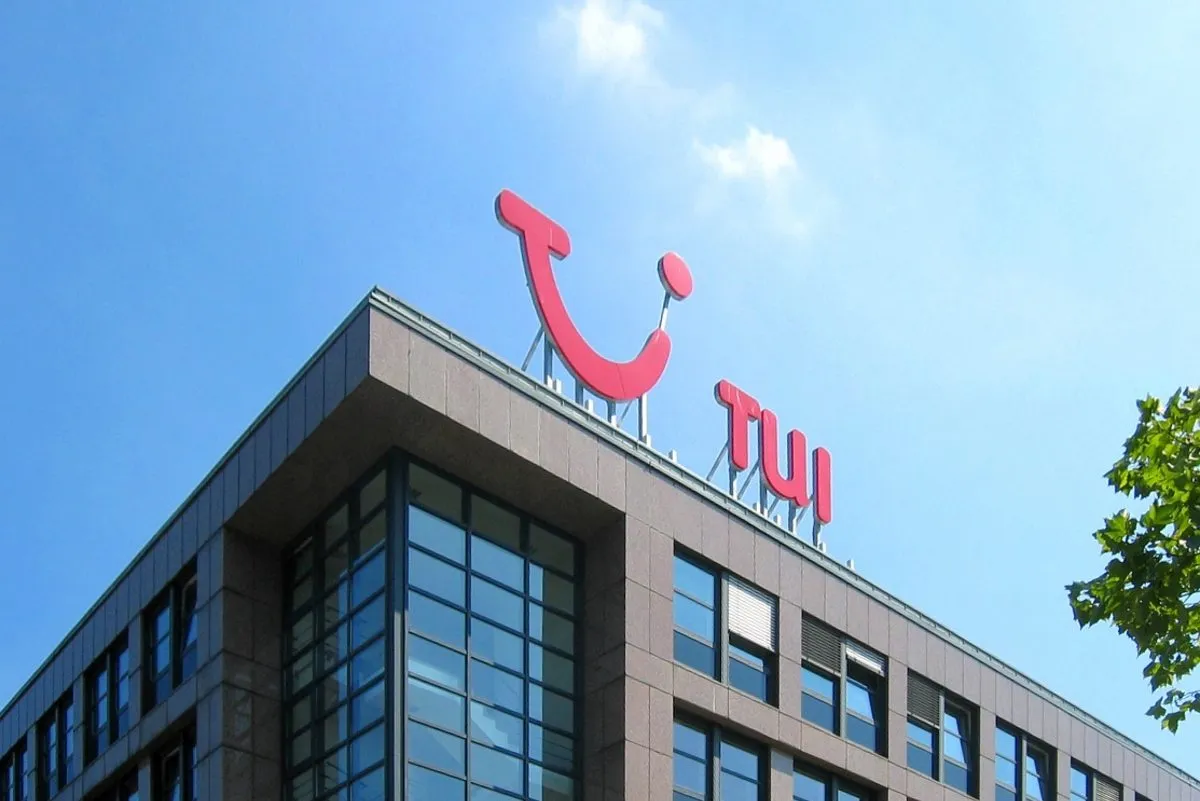
TUI AG, Europe’s largest tour operator, has significantly revised its financial projections for the current fiscal year, retracting earlier optimistic forecasts for summer growth due to the escalating geopolitical instability in the Middle East. This strategic pivot comes shortly after the company reported record earnings before interest and taxes (EBIT), underscoring the profound and immediate impact of global events on the highly sensitive travel and tourism sector. The initial high hopes for a robust post-pandemic recovery and sustained growth have been tempered by a complex regional security landscape, compelling the travel giant to adopt a more conservative financial outlook.
A Sharp Reversal from Record Optimism
Heading into the fiscal year 2026, TUI had expressed considerable optimism, buoyed by a strong resurgence in travel demand following the global pandemic. The company had previously reported a record underlying EBIT of €1.41 billion (approximately $1.66 billion) for the prior fiscal year, a testament to the pent-up demand for leisure travel. This strong performance led to ambitious guidance issued in December, projecting a 7% to 10% growth in underlying EBIT for the current year. Furthermore, revenue was expected to increase by 2% to 4% from the previous fiscal year, signaling a confident outlook for sustained expansion.
The prevailing sentiment within TUI and the broader travel industry was one of continued recovery and robust consumer spending on experiences. Bookings were strong across many key markets, and the company was strategically positioning itself to capitalize on this momentum, investing in its diverse portfolio of airlines, hotels, cruise ships, and tour operations. The expectation was that the travel sector would continue its upward trajectory, demonstrating resilience and adaptability in a dynamic global environment. However, the rapidly evolving situation in the Middle East has introduced an unforeseen variable that has fundamentally altered this optimistic trajectory.
The Escalating Middle East Conflict and Its Travel Implications
The primary catalyst for TUI’s revised guidance is the ongoing and intensifying conflict in the Middle East, referred to in the initial assessment as the "Iran War," but more accurately encompassing the broader regional tensions and security challenges. This includes the direct conflict between Israel and Hamas, heightened tensions involving Iran and its proxies across the region, and the subsequent disruptions to shipping lanes and airspaces. While direct conflict zones might be localized, the perception of instability has a far-reaching impact on traveler confidence and operational feasibility for tour operators.
Specifically, the Red Sea region, a critical tourist destination for many European travelers, particularly for winter sun and diving holidays, has been significantly affected. Countries like Egypt, Jordan, and even further afield destinations that rely on routes through or near conflict zones, face reduced bookings or increased operational costs. The threat of maritime attacks and the rerouting of commercial vessels have led to higher insurance premiums and logistical complexities, which inevitably filter down to the travel industry. Airspace restrictions and perceived risks have forced airlines to alter flight paths, leading to longer flight times, increased fuel consumption, and higher operational expenses.
Revised Financial Guidance: A Significant Downgrade
In a Wednesday news release, TUI announced a substantial cut to its underlying earnings before interest and taxes (EBIT) guidance. The company now expects underlying EBIT to land between €1.1 billion and €1.4 billion (approximately $1.29 billion and $1.64 billion). This revised range represents a significant reduction from the earlier projection of 7% to 10% growth from the previous year’s €1.41 billion. At the lower end of the new guidance, it implies a potential decrease in EBIT compared to the prior year, a stark contrast to the previously anticipated growth.
Furthermore, TUI has taken the more drastic step of suspending its revenue guidance altogether, stating that it will remain suspended "until conditions stabilize." This move underscores the high degree of uncertainty surrounding future travel patterns and operational costs. Suspending revenue guidance indicates that the company believes the current environment is too unpredictable to accurately forecast sales, reflecting a cautious and pragmatic approach to financial planning in volatile times. This suspension directly contradicts the December expectation of a 2% to 4% increase in revenue, highlighting the severity of the perceived disruption.
Timeline of Events and Impact
- Prior to December (Post-Pandemic Recovery): TUI experiences strong rebound in travel demand, reporting record underlying EBIT for the previous fiscal year, driven by pent-up demand and robust bookings.
- December (Initial Guidance): TUI issues optimistic financial guidance, projecting 7% to 10% growth in underlying EBIT and a 2% to 4% increase in revenue for the current fiscal year, based on strong booking trends.
- Late December – Early 2026 (Escalation of Middle East Tensions): Geopolitical situation in the Middle East intensifies, impacting maritime routes, air travel corridors, and increasing security concerns. The Red Sea region, a crucial winter sun destination, faces increased travel advisories and operational challenges.
- Early 2026 (Operational and Booking Impact): TUI begins to observe a measurable impact on bookings, particularly for destinations perceived to be close to the conflict zones, and faces rising operational costs due to rerouted flights and increased insurance premiums. Customer confidence for certain regions starts to wane.
- Wednesday (Revised Guidance Announcement): TUI formally announces the suspension of revenue guidance and a significant downgrade of its underlying EBIT projections to €1.1 billion – €1.4 billion, citing the ongoing Middle East conflict as the primary reason.
Official Responses and Inferred Statements
While specific direct quotes from TUI’s leadership were not provided in the original snippet, a logical inference of their stance and communication can be drawn from the nature of the announcement:
- TUI Management (CEO/CFO): Company executives would likely emphasize that the decision to revise guidance was a prudent and necessary step given the unpredictable geopolitical landscape. Statements would probably highlight the company’s commitment to customer safety and operational flexibility. They would likely reassure investors that TUI is actively monitoring the situation, adapting its operations, and shifting capacity to alternative, safer destinations where possible. There would be an emphasis on long-term resilience and the fundamental strength of the travel market, despite short-term headwinds. They might also stress the diversified nature of TUI’s portfolio, allowing for adjustments in response to regional challenges.
- Industry Analysts: Financial analysts covering the travel sector would likely respond with a mix of understanding and caution. Many would view TUI’s revised guidance as a realistic adjustment, acknowledging the sensitivity of the travel industry to geopolitical events. Some might issue revised ratings or price targets, reflecting the increased risk and reduced earnings potential. The suspension of revenue guidance would be noted as a significant indicator of uncertainty, prompting analysts to closely watch booking trends and operational costs in subsequent reports. There would likely be discussions about the broader impact on competitors and the need for greater operational agility across the industry.
- Government/Tourism Bodies: Governments of affected tourist destinations might issue statements emphasizing their commitment to visitor safety and highlighting alternative attractions. International tourism bodies might reiterate the importance of peace and stability for the global travel economy and offer support to affected regions and businesses.
Broader Impact and Implications for the Travel Industry
TUI’s revised guidance is not an isolated event but rather a bellwether for the broader travel and tourism industry. The implications extend far beyond a single company:
- Consumer Confidence and Booking Patterns: Perceived instability can lead to a significant drop in consumer confidence for specific regions. Even if a destination is geographically distant from a conflict, negative media coverage and travel advisories can deter bookings. Travelers may opt for "safer" perceived destinations (e.g., Western Europe, domestic travel) or delay booking decisions, leading to shorter booking windows.
- Operational Costs and Logistics: Airlines face increased fuel costs due to longer flight paths to avoid restricted airspaces. Insurance premiums for aircraft, vessels, and travel packages can skyrocket. Security measures at airports and ports may be enhanced, adding to operational expenses.
- Destination Diversification: Tour operators and airlines may accelerate efforts to diversify their destination portfolios, reducing reliance on politically sensitive regions. This could benefit destinations perceived as stable and safe, such as Spain, Greece, Portugal, and the Canary Islands, as capacity is reallocated.
- Pricing Strategies: Companies might implement dynamic pricing strategies, offering discounts to stimulate demand in unaffected areas or adjusting prices to cover increased operational costs in others.
- Supply Chain Disruptions: While less direct, regional conflicts can indirectly impact supply chains for hotels and other travel-related services, leading to increased costs for goods and services.
- Investor Sentiment: TUI’s announcement will likely lead to a cautious approach from investors towards the travel sector in general. Companies with significant exposure to volatile regions or less diversified portfolios may see their valuations impacted. The ability of travel companies to adapt quickly to geopolitical shocks will become a key metric for investor confidence.
- Long-Term Resilience vs. Short-Term Volatility: The travel industry has repeatedly demonstrated its long-term resilience, bouncing back from crises such as pandemics, natural disasters, and previous conflicts. However, these events underscore the sector’s inherent vulnerability to short-term geopolitical volatility, necessitating robust risk management and flexible operational models.
Mitigation Strategies and Future Outlook
In response to these challenges, TUI and other industry players are likely to implement several mitigation strategies:
- Capacity Shifting: Redirecting airline and hotel capacity from affected regions to alternative destinations. For instance, if Red Sea bookings decline, capacity might be reallocated to popular Mediterranean destinations or long-haul options not impacted by regional tensions.
- Flexible Booking Policies: Offering more flexible cancellation and rebooking options to reassure hesitant travelers.
- Targeted Marketing Campaigns: Launching campaigns to promote unaffected destinations and highlight safety measures, aiming to rebuild consumer confidence.
- Enhanced Risk Management: Investing further in geopolitical risk assessment and contingency planning to respond swiftly to future disruptions.
- Cost Management: Tightening operational costs where possible to offset increased expenses from fuel and insurance.
The suspension of revenue guidance signals a "wait and see" approach, indicating that TUI will closely monitor the stability of the Middle East situation before providing a clearer financial picture. While the travel industry has proven its ability to recover, the current geopolitical climate serves as a potent reminder of the external forces that can rapidly reshape financial forecasts and strategic priorities, even for industry leaders operating with a strong foundational performance. The road ahead for TUI, and indeed the entire global travel sector, will require continued vigilance, adaptability, and strategic agility to navigate an increasingly complex world.




 Anjar Salim
 Dwi Wanna
 Budi Mulyono
 Lukman Taruna Persada Ramadan
 Chandra Hamzah
 Gabriela Annisa