
 Tatiana Tantri Indah Sari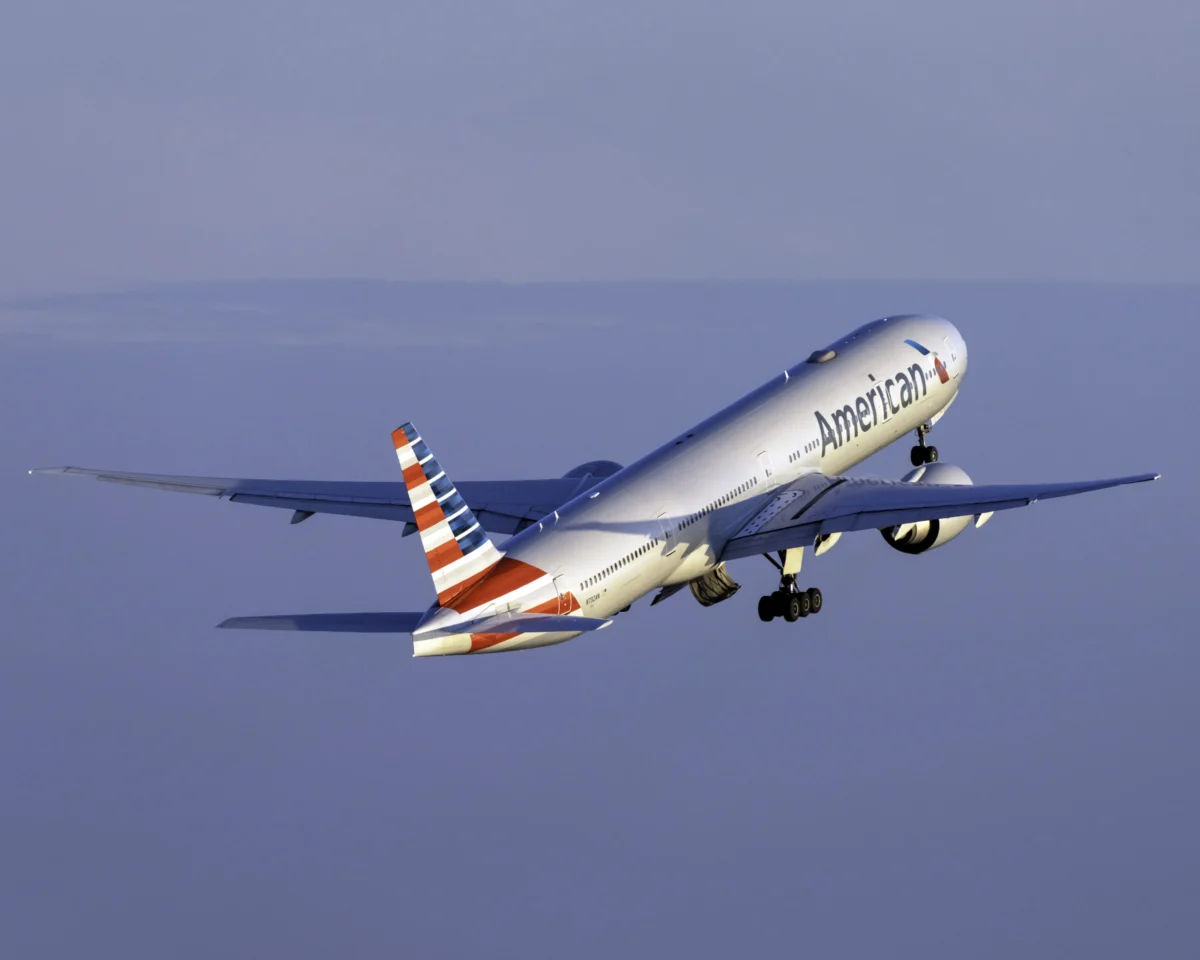
American Airlines and Alaska Airlines are currently engaged in early-stage discussions regarding a potential comprehensive revenue-sharing partnership and other strategic initiatives, according to individuals familiar with the matter. This potential alliance, which would extend beyond a traditional codeshare, aims to integrate various aspects of their operations, including coordinated schedules, pricing strategies, and shared revenue streams. Such a deep collaboration is seen by industry observers as a strategic move to bolster both carriers’ financial performance, particularly as they navigate a challenging operational environment marked by persistently high fuel costs and ongoing recovery from the global pandemic.
The proposed partnership is envisioned to be more extensive than American Airlines’ previous Northeast Alliance (NEA) with JetBlue Airways, which was ultimately dissolved following a Department of Justice (DOJ) antitrust lawsuit. A significant component of the new discussions involves integrating Alaska Airlines into American Airlines’ existing joint business ventures (JBVs) with international partners British Airways and Japan Airlines. This integration would provide Alaska Airlines, a prominent West Coast carrier, with enhanced access to a global network, while simultaneously strengthening American Airlines’ domestic feed, particularly in crucial Western markets. It is important to note that these discussions do not involve a potential merger between the two airlines, but rather a strategic commercial alignment.
Background and Evolution of the American-Alaska Relationship
The relationship between American Airlines and Alaska Airlines has evolved significantly over the past two decades. For many years, the two carriers maintained a robust codeshare agreement, allowing passengers to seamlessly connect between their respective networks and earn reciprocal frequent flyer benefits. This partnership, which had been in place for more than two decades, provided American with valuable access to Alaska’s strong West Coast presence, and in turn, offered Alaska passengers connections to American’s extensive global network.
However, in 2017, Alaska Airlines announced its intention to join the Oneworld airline alliance, a move that prompted American Airlines to significantly scale back their codeshare relationship. At the time, Alaska was deepening its partnership with Delta Air Lines, and American sought to focus on its own growth strategy. The full codeshare agreement between American and Alaska was officially terminated in March 2018, marking a period of competitive distance between the two carriers.
The landscape shifted again in 2020 when Alaska Airlines formally announced its decision to join the Oneworld alliance, a move that became effective in March 2021. This decision inherently brought Alaska Airlines back into closer alignment with American Airlines, a founding member of Oneworld. Alongside the Oneworld entry, American and Alaska began to rebuild their codeshare relationship and expand their interline agreements, signaling a renewed strategic interest in collaboration. This re-engagement laid the groundwork for the more profound partnership now under discussion, building upon a foundation of shared alliance membership and re-established operational links. The current talks represent a potential deepening of this renewed relationship, aiming for a level of commercial integration that goes far beyond a standard codeshare.
Strategic Rationale and Network Complementarity
The impetus for such an expanded partnership stems from several strategic considerations for both American and Alaska. For American Airlines, integrating Alaska more deeply into its network offers significant advantages, particularly in the competitive West Coast market. Alaska Airlines maintains a dominant presence in key Pacific Northwest hubs like Seattle (SEA) and Portland (PDX), and has a strong network across California and other Western states. By coordinating schedules and pricing with Alaska, American can effectively extend its reach into these high-growth markets, funneling more passengers onto its long-haul domestic and international flights from hubs like Dallas/Fort Worth (DFW), Phoenix (PHX), and Los Angeles (LAX). This deepens American’s market share against formidable competitors such as Delta Air Lines and United Airlines, both of whom have strong West Coast operations and alliances.
For Alaska Airlines, the benefits are equally compelling. Despite its strong regional presence, Alaska has a relatively limited international network. By joining American’s joint business ventures with British Airways and Japan Airlines, Alaska passengers would gain seamless access to a vast array of transatlantic and transpacific destinations. This could significantly enhance Alaska’s appeal to corporate travelers and leisure passengers seeking international connections, allowing it to compete more effectively with carriers offering broader global reach. Furthermore, revenue sharing allows Alaska to participate in the profitability of routes that feed into American’s international network, even if Alaska does not directly operate those long-haul segments. The partnership would also likely involve enhanced reciprocal loyalty program benefits, offering more value to frequent flyers of both airlines.
Financial Pressures and Industry Landscape
The timing of these talks is particularly noteworthy given the prevailing financial pressures facing the airline industry. Surging fuel costs have been a major headwind for carriers globally. For instance, in early 2020s, crude oil prices experienced significant volatility, often exceeding $100 per barrel, leading to jet fuel prices that were more than double pre-pandemic levels in certain periods. Fuel typically represents one of the largest operating expenses for airlines, often accounting for 20-30% of total costs. The dramatic increase in this single input cost has severely impacted airline profitability and recovery efforts.
In Q1 2022, for example, many major U.S. airlines reported fuel expenses that were 30-50% higher than the same period in 2019, despite flying fewer capacity. This necessitated higher fares and significant cost-cutting measures. A revenue-sharing partnership allows airlines to optimize their networks, reduce redundant capacity, and increase load factors across their combined operations, thereby improving unit revenues and mitigating the impact of high fuel costs. By coordinating schedules and pricing, they can more efficiently fill seats on connecting flights, ensuring that each flight segment is as profitable as possible.
Beyond fuel, the industry continues to grapple with post-pandemic recovery challenges, including labor shortages, air traffic control limitations, and supply chain disruptions affecting aircraft maintenance and parts. These factors collectively create an environment where strategic alliances become increasingly attractive as a means to achieve efficiencies, expand market reach without significant capital investment, and enhance competitive positioning.
Regulatory Landscape and Implications
Any deep commercial alliance between major U.S. airlines inevitably attracts scrutiny from regulatory bodies, particularly the Department of Justice (DOJ). The DOJ has demonstrated a heightened focus on competition in the airline industry, exemplified by its successful challenge to American Airlines’ Northeast Alliance (NEA) with JetBlue Airways.
The NEA, formed in 2020, involved extensive coordination on schedules, pricing, and revenue sharing in the Northeast United States, particularly at slot-constrained airports like New York’s JFK and LaGuardia (LGA), and Boston (BOS). The DOJ argued that this alliance amounted to a de facto merger without the regulatory review required for an actual merger, leading to reduced competition and higher fares for consumers. A federal judge agreed, ordering the dissolution of the NEA in May 2023, citing concerns that it eliminated competition, especially in the crucial Northeast corridor.
The American-Alaska talks will undoubtedly be viewed through the lens of this recent precedent. Key differences, however, might influence the regulatory outcome. Unlike the NEA, which involved slot coordination at highly constrained airports and a partnership between two airlines that were largely competitors on many routes in the Northeast, the proposed American-Alaska deal primarily leverages network complementarity. Alaska’s strong West Coast presence and American’s global reach could be argued to create new connecting opportunities rather than simply eliminating head-to-head competition. Moreover, Alaska Airlines is already a member of the Oneworld alliance, meaning some level of cooperation with American is expected within that framework.
However, the DOJ’s concern about "anti-competitive effects" on pricing and capacity will remain paramount. The extent to which American and Alaska would coordinate pricing on routes where they might otherwise compete, or the potential for the alliance to suppress the entry of new competitors, will be closely examined. Both airlines would likely need to present a compelling case that the benefits to consumers—such as expanded route options, seamless travel, and potentially more competitive offerings against rival mega-carriers—outweigh any potential harm to competition. Legal experts suggest that any agreement would need to be carefully structured to avoid the pitfalls that led to the NEA’s demise, possibly by focusing on growth and network expansion rather than market consolidation in already competitive segments.
Broader Impact and Implications
For Passengers: If approved, the partnership would likely translate into more seamless travel experiences, expanded route options, and potentially more integrated loyalty program benefits for customers of both airlines. Travelers on Alaska Airlines could gain direct access to a wider array of international destinations through American’s JBV partners, while American passengers would benefit from enhanced connectivity throughout the Pacific Northwest and West Coast. However, there could also be concerns about reduced choice and potentially higher fares on routes where the two airlines might have otherwise competed independently, though proponents would argue that efficiencies gained could lead to more stable pricing.
For Competitors: A strengthened American-Alaska alliance would intensify competition with other major U.S. carriers, particularly Delta Air Lines and United Airlines, which have their own extensive domestic and international alliance networks. Delta, with its strong West Coast hubs and transpacific presence, and United, with its significant global network and Star Alliance partners, would face a more formidable combined offering. This could potentially spur further consolidation or deeper alliances among other carriers as they seek to maintain competitive parity.
For the Industry: The success or failure of this potential partnership could serve as a bellwether for future airline alliances in a post-pandemic, high-cost operating environment. It would demonstrate the regulatory appetite for deep commercial agreements that stop short of full mergers but involve extensive coordination. The industry is continuously seeking ways to optimize networks, manage costs, and enhance revenue, and strategic partnerships offer a capital-efficient method to achieve these goals.
Conclusion
The ongoing discussions between American Airlines and Alaska Airlines represent a significant development in the U.S. airline industry. Driven by the strategic need to optimize networks, manage rising fuel costs, and enhance competitive positioning, a comprehensive revenue-sharing partnership could reshape the landscape of air travel, particularly on the West Coast and for international connections. While the early stage of these talks precludes any definitive outcomes, the potential for a deeper collaboration between two major Oneworld partners highlights the industry’s continuous evolution. Any eventual agreement will undoubtedly face rigorous scrutiny from regulators, who remain vigilant against arrangements that could diminish competition, underscoring the delicate balance between strategic business imperatives and public interest concerns. The coming months will likely reveal the true scope and potential impact of this proposed alliance.




 Anjar Salim
 Dwi Wanna
 Budi Mulyono
 Lukman Taruna Persada Ramadan
 Chandra Hamzah
 Gabriela Annisa