
 Anjar Salim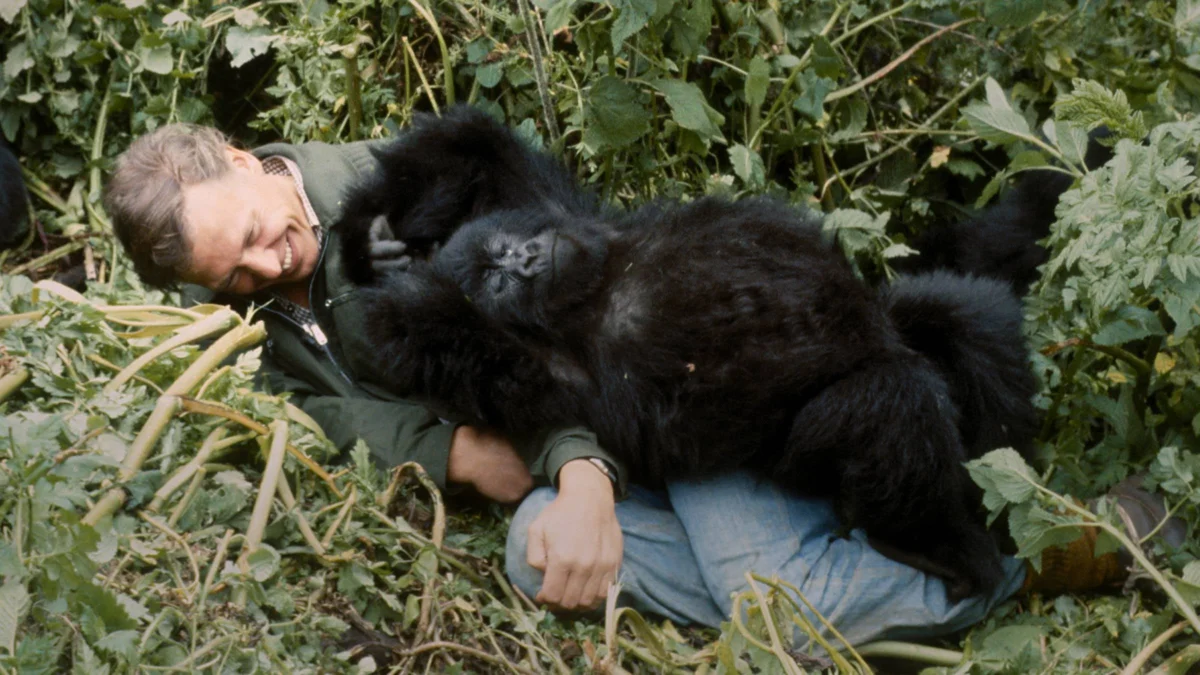
As the world prepares to commemorate the 100th birthday of Sir David Attenborough in May 2026, a new cinematic retrospective is set to illuminate one of the most transformative moments in the history of natural history filmmaking. The Netflix documentary, A Gorilla Story, scheduled for release on April 22, 2026, revisits a pivotal 1978 encounter between the legendary broadcaster and a family of mountain gorillas in Rwanda’s Virunga Mountains. Directed by Oscar-winner James Reed, known for his work on My Octopus Teacher, and produced by the acclaimed Silverback Films, the documentary serves as both a tribute to Attenborough’s unparalleled career and a case study in the successful recovery of a species once pushed to the precipice of extinction.
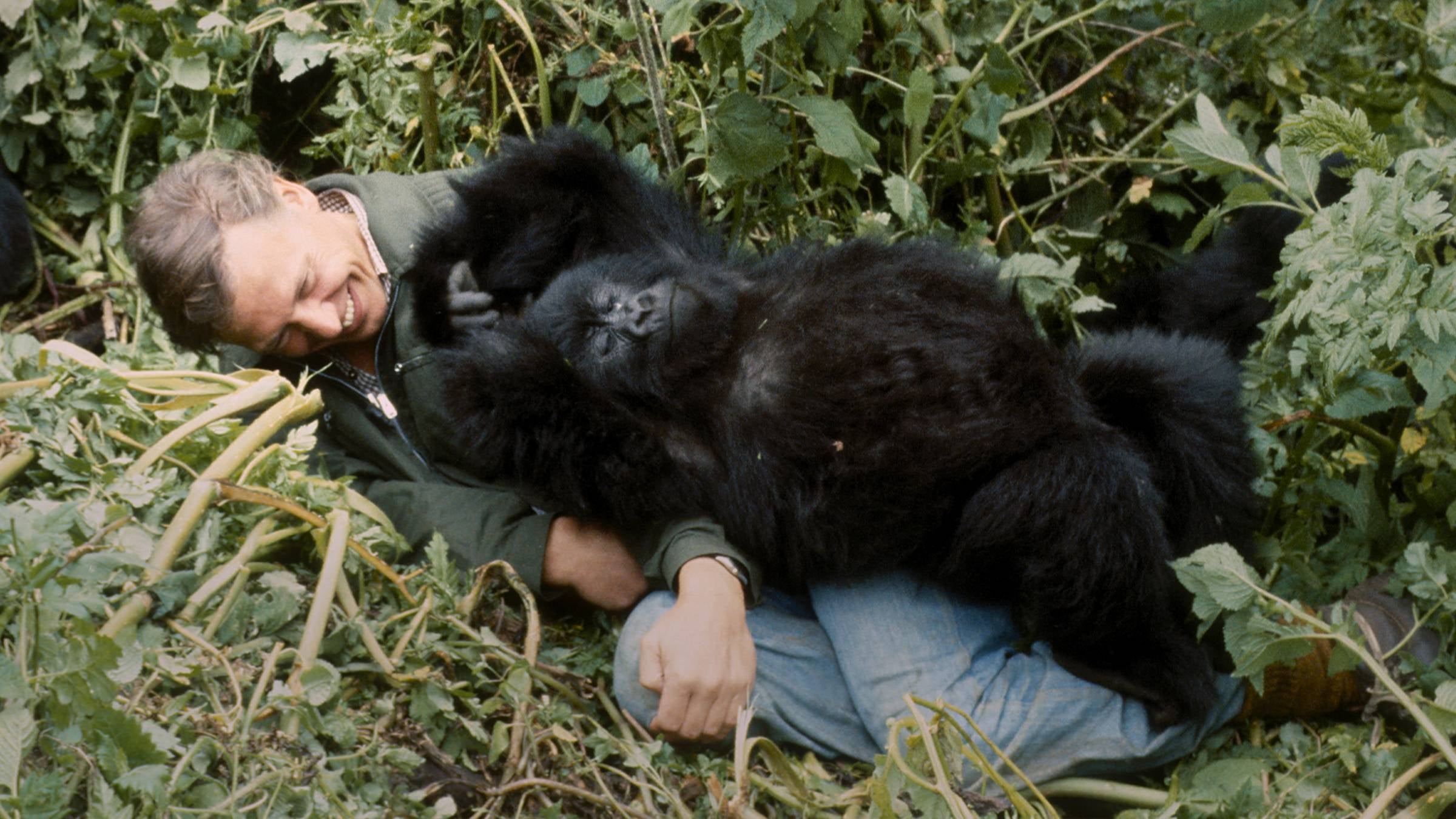
The film centers on unscripted footage captured during the production of the landmark BBC series Life on Earth. At the time, Attenborough was a young naturalist attempting to document the intimate lives of primates in their natural habitat. The resulting sequence, which featured a baby gorilla named Pablo interacting playfully with the broadcaster, became a global sensation. Decades later, experts and historians agree that these few minutes of film did more than entertain; they fundamentally altered the human perception of gorillas from fearsome "monsters" to gentle, social beings, sparking a global conservation movement that continues to yield results nearly half a century later.
The 1978 Expedition: A Catalyst for Global Awareness
In January 1978, the production team for Life on Earth ascended the misty slopes of Volcanoes National Park in Rwanda. The mission was fraught with technical and physical challenges, as the crew navigated dense vegetation and high altitudes to locate the elusive mountain gorillas. At the time, the species was in a state of crisis. Decades of poaching, habitat loss, and civil unrest had decimated their numbers.
The documentary reveals that the iconic encounter was entirely unplanned. Following the protocols established by American primatologist Dian Fossey, Attenborough announced his presence to the gorilla troop using low, guttural grunts intended to signal non-aggression. While the crew hoped for distant shots of the troop, they were instead met with a display of extraordinary curiosity. Attenborough recounts the moment he felt a weight on his feet, only to look down and find a young male infant, later identified as Pablo, climbing onto him.
The resulting footage captured Attenborough’s whispered commentary as he lay among the gorillas: "There is more meaning and mutual understanding in exchanging a glance with a gorilla than any other animal I know." This statement, delivered in a moment of "sheer bliss," became a defining mantra for environmentalists. It highlighted the biological and emotional proximity between humans and great apes, with whom we share approximately 98 percent of our DNA.
The Evolution of the Pablo Group: A Fifty-Year Chronology
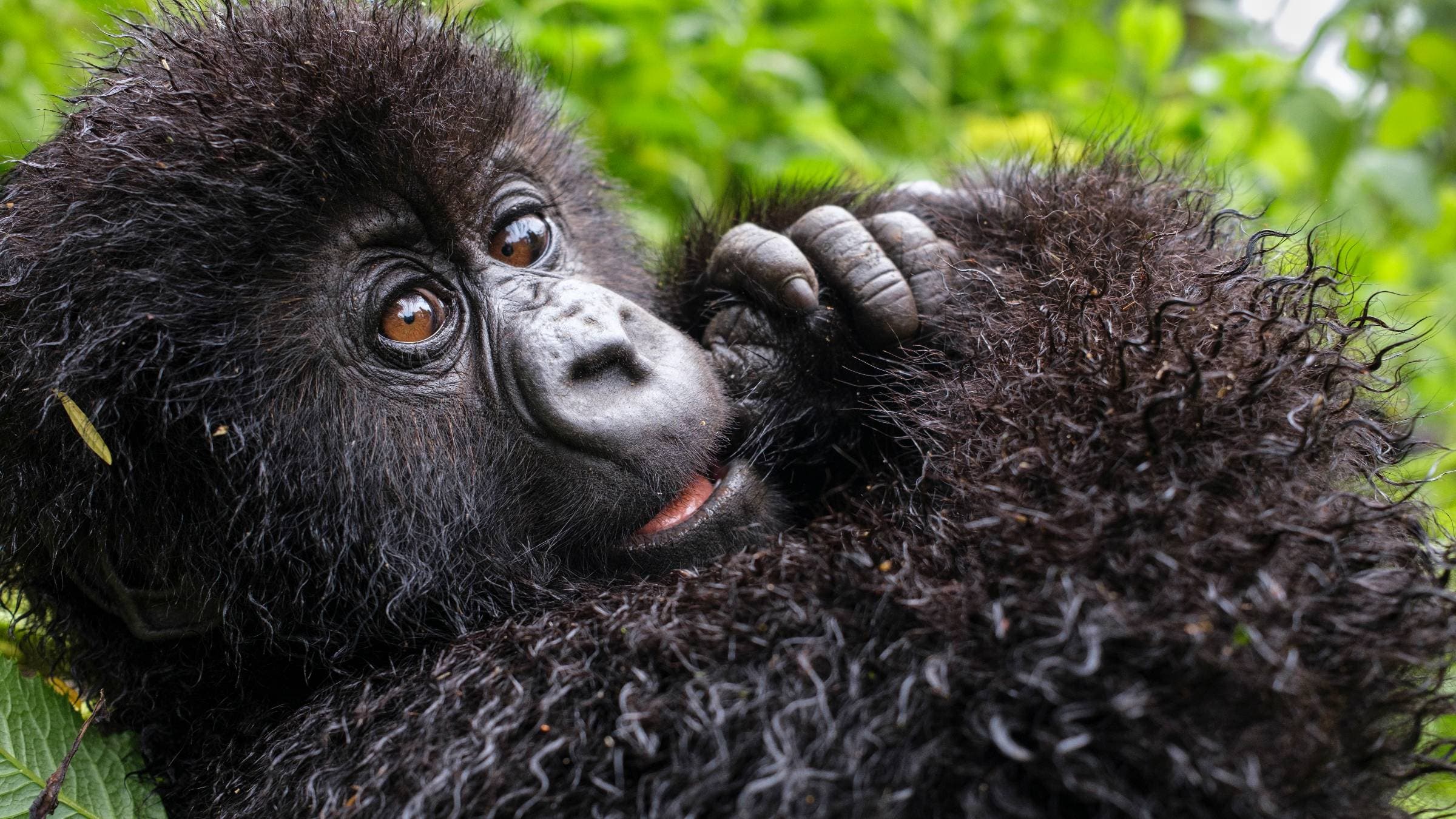
A Gorilla Story goes beyond the 1978 footage to track the "Pablo group" over the subsequent five decades. This longitudinal perspective offers a rare glimpse into the social dynamics and survival strategies of a specific gorilla lineage. Following the 1978 filming, Pablo grew into a powerful silverback. In 1993, he successfully formed his own independent group, which eventually became one of the largest and most successful families in the history of the Virunga population.
According to Dr. Tara Stoinski, President and CEO of the Dian Fossey Gorilla Fund, the Pablo group has become one of the most-studied primate families in scientific history. The group’s expansion and stability have provided researchers with invaluable data on gorilla reproduction, social hierarchy, and aging. By focusing on this specific family, the documentary humanizes the broader statistics of conservation, showing how the survival of a single infant in 1978 paved the way for generations of descendants.
Statistical Recovery: From the Brink to a Stable Future
The data regarding mountain gorilla populations serves as a testament to the efficacy of "active conservation." When Attenborough first visited the Virunga Mountains in the late 1970s, the situation was dire. Estimates from that era suggest the population had plummeted to fewer than 250 individuals, down from approximately 450 in the mid-20th century. The species was widely expected to go extinct by the end of the millennium.
However, the 2026 data presented in the film shows a remarkable reversal. Today, the mountain gorilla population in the Virunga Massif—a volcanic range spanning Rwanda, Uganda, and the Democratic Republic of Congo—exceeds 600 individuals. When combined with the population in Uganda’s Bwindi Impenetrable National Park, the total number of mountain gorillas globally is estimated to be over 1,000.
This growth has led the International Union for Conservation of Nature (IUCN) to reclassify the species from "Critically Endangered" to "Endangered." While they remain under threat, they are the only great ape subspecies whose numbers are currently increasing, a feat largely attributed to the intense, daily protection efforts initiated by Dian Fossey and sustained by the Rwandan government and international NGOs.
The Role of Dian Fossey and Active Conservation
The documentary pays significant homage to the late Dian Fossey, whose pioneering work in Rwanda laid the groundwork for Attenborough’s visit. Fossey’s "active conservation" model was revolutionary; it moved beyond mere habitat protection to include daily anti-poaching patrols, veterinary interventions, and the habituation of gorilla groups for research and controlled observation.
Attenborough credits Fossey’s presence for the gorillas’ willingness to accept his approach in 1978. "The first time I met mountain gorillas, they allowed me to approach, which of course would not have been possible without the pioneering work of Dian Fossey," Attenborough notes in the film. The documentary explores the darker side of this history as well, mentioning the 1977 killing of Digit, one of Fossey’s most beloved silverbacks, by poachers. Digit’s death served as a global wake-up call, leading to the establishment of the Digit Fund (now the Dian Fossey Gorilla Fund) and a surge in international financial support for the Virungas.
The Economic Impact of High-Value Ecotourism
A critical component of the Rwandan conservation success story detailed in A Gorilla Story is the integration of tourism into the national economy. Praveen Moman, founder of Volcanoes Safaris and a pioneer in community-based tourism, provides context on how the "Rwanda Model" became a global standard for sustainable travel.
In contemporary Rwanda, a single gorilla trekking permit costs $1,500. While the price point is high, the documentary breaks down the allocation of these funds to demonstrate their impact:
- 75 Percent: Dedicated directly to the conservation of the park and the protection of the gorillas.
- 15 Percent: Directed to the national government for administrative and infrastructure costs.
- 10 Percent: Distributed to local communities living adjacent to the national parks.
This revenue-sharing model has transformed the relationship between local populations and the forest. By funding schools, healthcare facilities, and infrastructure, the gorillas have become a source of economic pride rather than a competitor for land or a target for poaching. The strict regulations—limiting groups to eight visitors, restricting encounters to one hour, and maintaining a minimum distance of seven meters—ensure that tourism does not compromise the health or social structure of the animals.
Scientific and Documentary Synergy
The production of A Gorilla Story benefited from a close collaboration between Silverback Films and the Dian Fossey Gorilla Fund. Researchers served as scientific advisors, ensuring that the identification of individual gorillas in archival footage was accurate and that the portrayal of their behavior remained grounded in peer-reviewed data.
James Reed’s direction utilizes modern cinematography to contrast with the grainier, handheld 16mm film of the 1970s. This visual juxtaposition emphasizes the passage of time and the permanence of the natural world when properly defended. The film also features never-before-seen outtakes from the 1978 expedition, providing a more comprehensive look at the challenges faced by the original film crew and the raw, unedited reactions of a young Attenborough.
Broader Implications and the "Attenborough Effect"
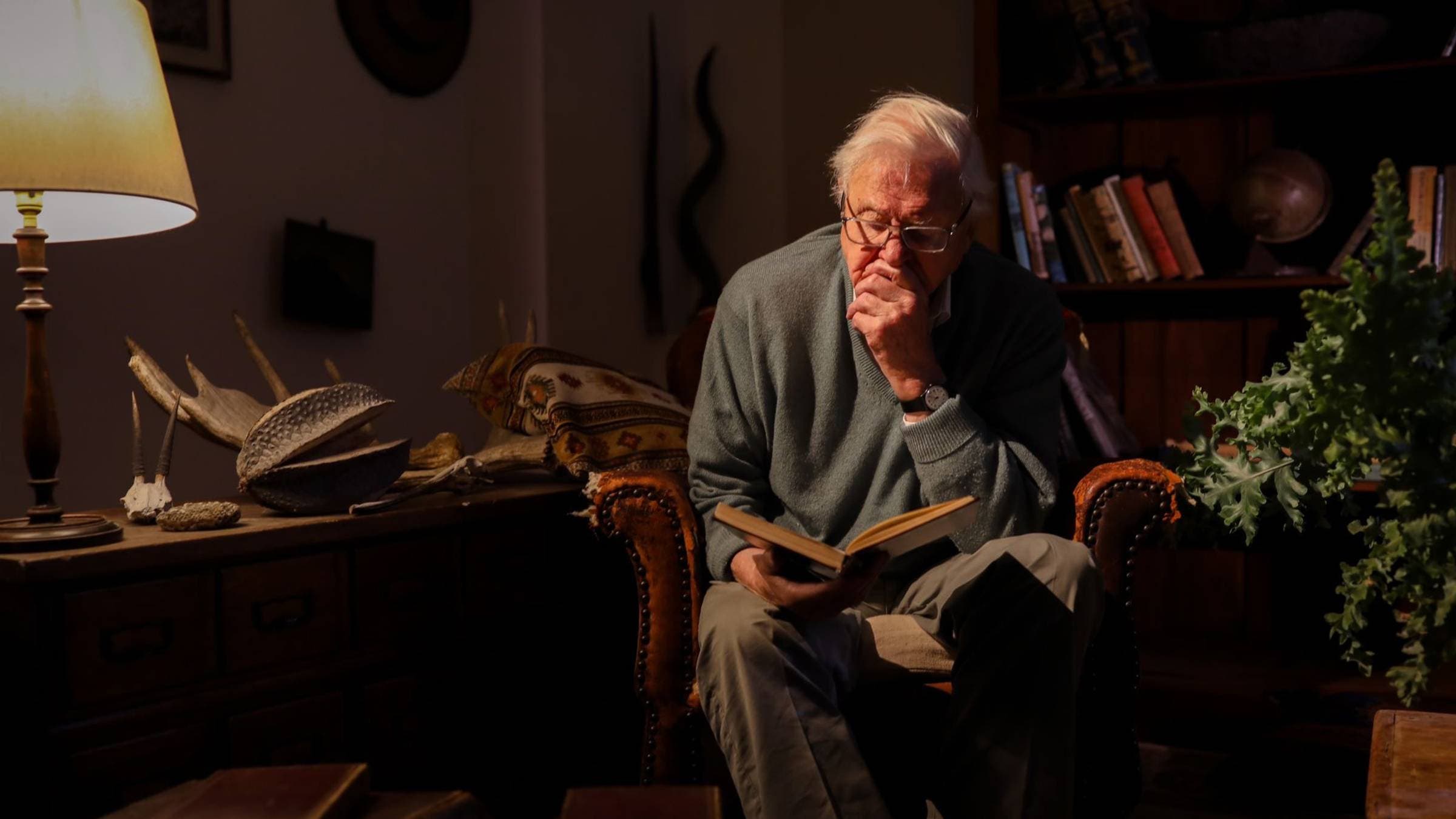
The documentary concludes with an analysis of the "Attenborough Effect"—the phenomenon where media coverage of the natural world leads to tangible shifts in public policy and consumer behavior. The 1978 encounter is presented as the genesis of this effect. By bringing the "gentle giants" into living rooms across the globe, Attenborough created a constituency for a species that most people would never see in person.
Experts interviewed in the film suggest that the mountain gorilla’s recovery serves as a blueprint for other endangered species. The combination of high-level political will, scientific rigor, community engagement, and sensitive ecotourism provides a template that is being adapted for the protection of tigers in India and jaguars in the Pantanal.
As Sir David Attenborough enters his second century, A Gorilla Story serves as a poignant reminder of the power of storytelling in the fight against biodiversity loss. In his own words featured in the film’s finale: "It is one of the greatest conservation success stories I have witnessed. And perhaps that’s down to the profound connection people feel towards gorillas. It is a connection that has stayed with me my whole life. And it all began with one special little gorilla."


 Chandra Hamzah
 Tatiana Tantri Indah Sari
 Budi Mulyono
