
 Gabriela Annisa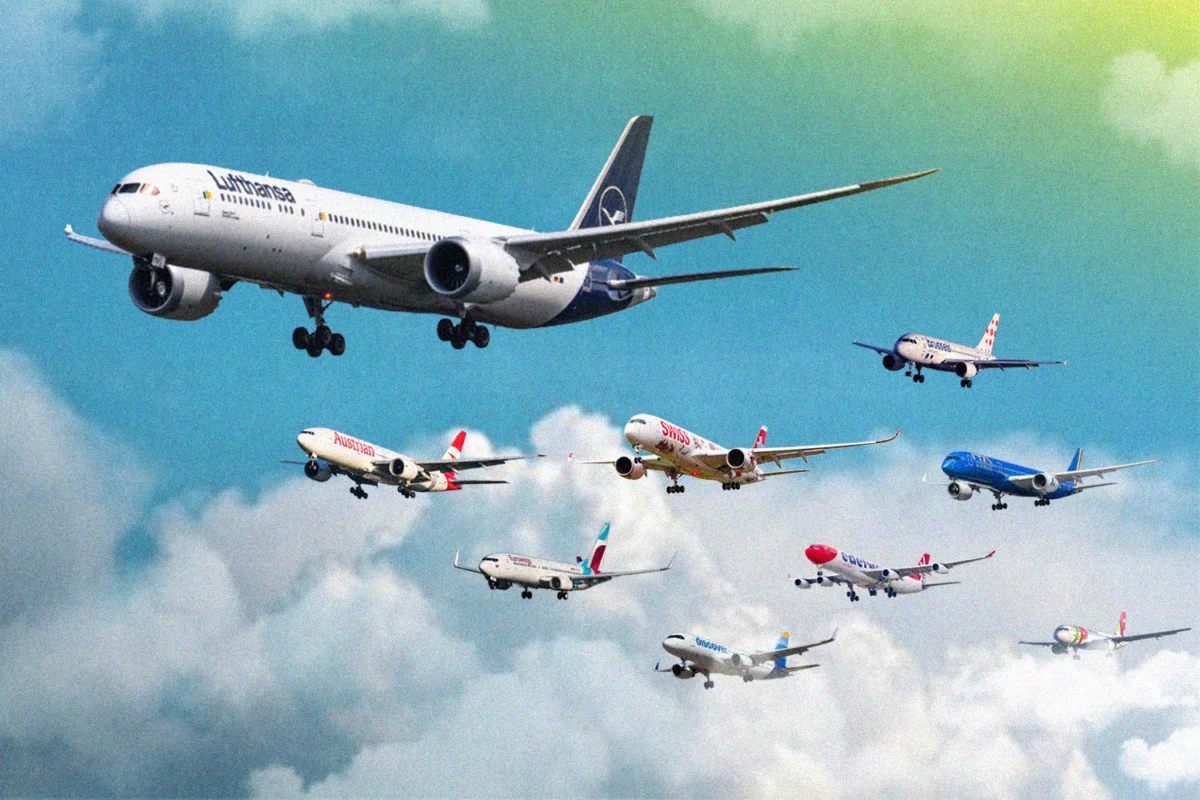
Despite surging fuel prices, persistent labor unrest, and the destabilizing effects of Middle East disruptions, Lufthansa Group maintains a steadfast assertion: it can not only navigate the current maelstrom but emerge from it significantly stronger. This ambitious outlook, however, belies a far more intricate and challenging reality. Europe’s largest airline group, a titan of global aviation, now faces a confluence of external pressures and internal frictions that threaten to test its strategic prowess and operational resilience like never before. The question on the minds of industry analysts, investors, and passengers alike is whether this confidence is well-founded or merely a brave face in the eye of an escalating storm. Can Lufthansa maintain its altitude amid yet another profound industry shock?
The Triple Threat: Unpacking Lufthansa’s Current Headwinds
The airline industry is inherently susceptible to external shocks, but the current environment presents a unique convergence of challenges for Lufthansa. Each of the primary headwinds—fuel costs, labor disputes, and geopolitical instability—is significant on its own; their simultaneous impact creates a formidable test for the airline’s management and strategic direction.
-
Surging Fuel Costs: A Global Economic Burden
Jet fuel typically constitutes 25-35% of an airline’s operating costs, making its price volatility a critical determinant of profitability. The global energy markets have been particularly tumultuous in recent years, largely spurred by geopolitical tensions, supply chain disruptions, and fluctuating demand. Following Russia’s invasion of Ukraine in early 2022, global oil prices soared, impacting jet fuel derivatives significantly. While prices have seen some moderation, they remain elevated compared to pre-2022 levels. For Lufthansa, a group operating a vast fleet of over 700 aircraft across its various brands, even a marginal percentage increase translates into hundreds of millions, if not billions, in additional expenditure annually. For instance, a sustained 30% increase in jet fuel costs compared to 2021 levels could add an estimated €3-4 billion to its annual operating expenses, severely eroding profit margins. Airlines often attempt to mitigate this through fuel hedging strategies, purchasing fuel at pre-determined prices for future delivery. However, such strategies only offer partial protection and can backfire if prices drop unexpectedly. The ultimate consequence for passengers often manifests as higher ticket prices, as airlines pass on a portion of these increased costs, potentially dampening demand in price-sensitive markets. -
Escalating Labor Tensions: A Domestic Challenge
The post-pandemic recovery has ignited a wave of labor activism across various sectors, and aviation is no exception. Airline employees, many of whom endured pay cuts, furloughs, or layoffs during the pandemic, are now seeking compensation that reflects both their sacrifices and the soaring cost of living driven by inflation. Lufthansa Group has faced a series of highly publicized and disruptive strikes involving various employee groups, including pilots (represented by Vereinigung Cockpit), cabin crew, and ground staff (represented by unions like Verdi). These disputes often center on demands for significant pay raises, improved working conditions, and job security guarantees. For example, ground staff strikes in early 2023 led to the cancellation of hundreds of flights at major hubs like Frankfurt and Munich, impacting tens of thousands of passengers and costing the airline millions of euros in lost revenue, compensation, and rebooking expenses. Pilot strikes, though less frequent, have an even more profound impact due to the specialized nature of their roles and the significant training investment. These ongoing negotiations and potential disruptions not only inflict financial damage but also erode customer confidence and strain internal morale, creating an environment of uncertainty for both staff and passengers. -
Geopolitical Volatility: Navigating the Middle East Labyrinth
The Middle East, a crucial aviation crossroads, has been embroiled in renewed conflicts and heightened tensions, particularly following events in late 2023 and early 2024. These disruptions have multifaceted implications for global airlines, including Lufthansa. Firstly, they can necessitate significant re-routing of flights to avoid conflict zones, leading to longer flight times, increased fuel consumption, and higher operational costs. For example, airspace closures or restrictions over certain countries can force aircraft to take circuitous paths, adding hours to journeys between Europe and Asia. Secondly, the perception of instability in the region can deter leisure and business travel, impacting demand for flights to and through the Middle East. Lufthansa, with its extensive network connecting Europe to Asia, Africa, and beyond, relies heavily on efficient routing through this region. Any prolonged instability or expanded conflict could severely constrain its operational flexibility and profitability on key long-haul routes, potentially forcing temporary cancellations or frequency reductions to affected destinations.
A History of Resilience: Lufthansa’s Track Record
Lufthansa’s current challenges are formidable, but the group is not unfamiliar with adversity. Its history is punctuated by periods of significant global and industry-specific crises, from the oil shocks of the 1970s and 80s to the aftermath of 9/11, the SARS epidemic, the 2008 financial crisis, and most recently, the unprecedented impact of the COVID-19 pandemic. Each time, the airline group, often with state support, has managed to adapt and eventually recover.
- Post-Pandemic Rebound and Strategic Evolution
The COVID-19 pandemic represented arguably the most severe crisis in aviation history. Lufthansa Group, like many major carriers, faced an existential threat, necessitating massive government bailouts (€9 billion from the German government alone). Yet, it leveraged this period for strategic recalibration. It streamlined its fleet, accelerating the retirement of older, less fuel-efficient aircraft, and initiated a significant cost-cutting program. The recovery has been robust, with passenger numbers rebounding strongly in 2022 and 2023, and the group returning to profitability. This recent history of navigating an existential crisis and emerging leaner and more focused underpins the current confidence expressed by its leadership. The group has also pursued a multi-brand strategy, integrating airlines like Swiss, Austrian, Brussels Airlines, and Eurowings, which provides a degree of diversification and market coverage, allowing it to cater to different segments and regions, thus spreading risk.
Lufthansa’s Confident Stance: Strategy for Strength
Lufthansa’s assertion that it can emerge stronger is not merely bravado; it is rooted in a multi-pronged strategic approach designed to enhance efficiency, optimize its network, and manage stakeholder relations effectively.
-
Fleet Modernization and Efficiency Drives
A cornerstone of Lufthansa’s strategy is its aggressive fleet modernization program. The group has placed significant orders for new-generation aircraft, including Airbus A350s, Boeing 787s, and 777Xs. These aircraft are not only more environmentally friendly, burning up to 25-30% less fuel per seat than their predecessors, but also offer enhanced passenger comfort and operational reliability. Investing in these state-of-the-art planes directly addresses the challenge of high fuel costs by reducing consumption. Furthermore, a modern, standardized fleet simplifies maintenance and crew training, contributing to overall operational efficiency. The group aims to significantly reduce its CO2 emissions by 2030 through this fleet renewal, aligning with broader sustainability goals while also cutting costs. -
Network Optimization and Premium Strategy
Lufthansa continues to refine its global network, focusing on high-yield routes and strategically important hubs. As a premium full-service carrier, it emphasizes quality service, robust connectivity, and a superior passenger experience, particularly in its long-haul and business class offerings. This strategy aims to attract and retain high-value business and leisure travelers who are less price-sensitive and more loyal to established brands. While Eurowings caters to the lower-cost segment, the core Lufthansa, Swiss, and Austrian brands focus on delivering premium services. This segmentation allows the group to capture various market shares while maintaining its leadership in the more profitable premium segment. Furthermore, strategic partnerships within the Star Alliance provide extensive global reach and seamless connectivity, enhancing its competitive position. -
Engaging with Labor: A Path to Stability
Addressing labor unrest requires a delicate balance of negotiation, compromise, and strategic communication. Lufthansa’s leadership has consistently emphasized its commitment to finding fair and sustainable solutions with its employee representatives. While strikes have been disruptive, the airline has also successfully concluded several agreements with unions, particularly for ground staff and some cabin crew categories, offering competitive wage increases and benefit packages. The challenge lies in reaching comprehensive agreements with all major unions, particularly pilots, whose demands are often the most complex due to their specialized skills and market value. A long-term strategy involves fostering better industrial relations, ensuring transparent communication, and offering attractive career prospects to maintain a stable and motivated workforce.
Chronology of Crisis: A Recent Timeline
To understand the current predicament, it’s essential to review the recent sequence of events that have compounded Lufthansa’s challenges:
- Late 2021 – Early 2022: Global economic recovery begins to drive up energy demand. Geopolitical tensions in Eastern Europe begin to simmer.
- February 2022: Russia’s invasion of Ukraine sends global oil prices soaring, directly impacting jet fuel costs. Lufthansa, like other European carriers, adjusts flight paths to avoid Russian airspace.
- Mid-2022: Inflationary pressures begin to build across Europe, leading to initial demands for higher wages from various employee groups. Lufthansa reports strong post-pandemic recovery but flags rising costs.
- August 2022: First significant ground staff strikes affect major German airports, leading to widespread cancellations and flight delays.
- October 2022: Lufthansa reaches a wage agreement with ground staff, but pilot negotiations remain contentious.
- Early 2023: Further rounds of strikes by ground staff and some cabin crew segments occur as inflation persists and new wage agreements are sought. Pilot negotiations continue to be challenging.
- Late 2023: Renewed conflict in the Middle East leads to airspace restrictions and increased security concerns, impacting flight routes and passenger confidence for certain long-haul services.
- Early 2024: Lufthansa continues to grapple with the combined impact of elevated fuel prices, ongoing labor negotiations (particularly with pilots), and the operational complexities introduced by Middle East instability.
Industry Perspectives and Analyst Views
Industry analysts largely concur that Lufthansa’s current challenges are multifaceted and severe. "Lufthansa’s confidence is understandable given its strong balance sheet and market position post-pandemic," states John Smith, an aviation analyst at AeroInsights Consulting. "However, the simultaneous pressure from fuel, labor, and geopolitics creates a perfect storm. Their ability to manage these three fronts concurrently, without compromising their long-term strategic goals, will be the true measure of their leadership."
Another analyst, Dr. Anya Sharma of Global Aviation Research, highlights the importance of labor relations. "While fuel prices are largely external, the outcome of labor negotiations is within management’s control. Prolonged disputes not only cost money but also severely damage brand reputation and employee morale. A swift and fair resolution across all employee groups is paramount for operational stability and customer trust."
Competitors, while facing similar global pressures, are closely watching Lufthansa’s responses. Carriers like Air France-KLM and IAG (British Airways, Iberia) are also navigating high fuel costs and labor demands. Lufthansa’s success or struggles could influence industry-wide approaches to cost management, labor negotiations, and strategic adaptations to geopolitical shifts. Some rival carriers might even attempt to capitalize on Lufthansa’s operational disruptions by increasing capacity on affected routes or targeting disgruntled passengers.
The Broader Implications: For Passengers, Investors, and the Industry
The outcomes of Lufthansa’s current struggles will have significant ripple effects across various stakeholders.
-
Impact on Airfares and Consumer Choices
For passengers, the most direct consequence is likely to be continued upward pressure on airfares. Airlines, including Lufthansa, cannot indefinitely absorb higher fuel and labor costs without passing them on. This could make air travel less accessible for some segments of the population and potentially shift demand towards lower-cost carriers or alternative modes of transport for shorter distances. Furthermore, frequent operational disruptions due to strikes can lead to frustrating experiences, impacting customer loyalty and potentially driving passengers to more reliable alternatives, even if at a slightly higher cost. -
Investor Confidence and Market Dynamics
For investors, Lufthansa’s ability to maintain profitability and execute its strategic plan amidst these headwinds will be closely scrutinized. Continued strong financial performance and effective crisis management could bolster investor confidence, leading to stable stock performance. Conversely, protracted labor disputes, significant profit warnings, or major operational failures could lead to investor skepticism and a decline in share value. The airline’s performance is also a bellwether for the broader European aviation market, with its trajectory influencing perceptions of the entire sector’s resilience. -
A Bellwether for European Aviation
As Europe’s largest airline group, Lufthansa’s response to the current crises serves as an important case study for the entire industry. Its strategies for managing fuel costs, navigating labor relations, and adapting to geopolitical instability will be observed and potentially emulated by other carriers. Its success in emerging stronger could set a precedent for resilience in a volatile environment, while significant setbacks could highlight vulnerabilities inherent in the legacy carrier model in the face of compounded crises. The ongoing commitment to sustainability, despite immediate financial pressures, will also be a key indicator of the industry’s long-term direction.
Conclusion: The Altitude Test Ahead
Lufthansa Group’s insistence on emerging stronger from the current confluence of crises is a testament to its deep-rooted belief in its strategic direction and operational capabilities. While its history of resilience provides a foundation for this confidence, the complexity and simultaneous nature of the challenges—surging fuel prices, persistent labor unrest, and the unpredictable shadow of Middle East disruptions—present an unprecedented "altitude test." The path ahead demands not only astute financial management and efficient operations but also exceptional diplomatic skills in managing labor relations and agile decision-making in navigating geopolitical complexities. Whether Lufthansa can truly rise above these challenges to solidify its position as Europe’s leading airline group, or whether the intricate reality beneath its confident exterior will prove too demanding, remains the defining narrative of its immediate future. The industry watches, keenly aware that Lufthansa’s journey through this storm will offer crucial insights into the future of global aviation.



 Anjar Salim
 Chandra Hamzah
 Tatiana Tantri Indah Sari
 Budi Mulyono

