
 Tatiana Tantri Indah Sari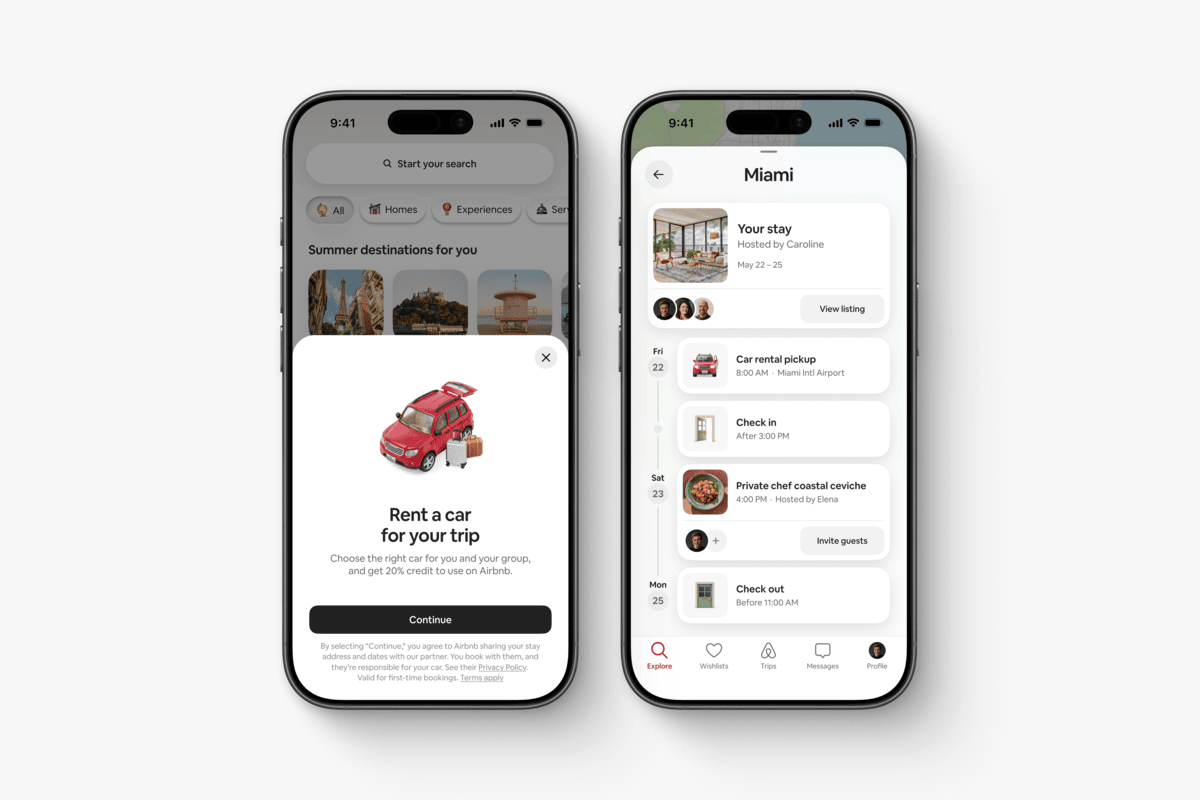
San Francisco, CA – In a significant strategic pivot, Airbnb announced a broad array of new features and services as part of its annual Summer Release, signaling an aggressive push beyond its core accommodation business into the broader travel ecosystem. Unveiled by CEO Brian Chesky on Wednesday, the updates represent a "scatter shot" approach rather than a singular focus, encompassing everything from rental cars and enhanced experiences to grocery delivery, airport pickups, and luggage storage. This multifaceted expansion directly positions the home-sharing giant as a direct competitor to established online travel agencies (OTAs) like Booking Holdings and Expedia Group, which have long dominated the bundling of travel components. The move underscores Airbnb’s ambition to become a comprehensive travel platform, managing every aspect of a user’s journey from arrival to departure.
A Strategic Leap into Comprehensive Travel Services
For years, Airbnb has primarily been synonymous with unique accommodations, from spare rooms to entire homes. However, the latest Summer Release demonstrates a clear intention to broaden its scope and capture a larger share of the traveler’s wallet. The most prominent new offering is the direct integration of rental car bookings within the Airbnb app, marking the company’s first official foray into this critical segment of the travel market. This addition is particularly notable given that approximately a quarter of Airbnb guests currently rent a car during their stay, a service previously booked through external platforms. By bringing this in-house, Airbnb aims to streamline the booking process, enhance convenience, and keep users within its proprietary ecosystem.
Beyond rental cars, the company is re-engaging with the hotel sector—a space it has explored in various capacities before—and significantly enhancing its "Experiences" offerings to include "Landmark Experiences." The release also sees Airbnb venturing into more localized, ancillary services, including grocery delivery, scheduled airport rides (an initiative first launched in March), and luggage storage solutions. These additions collectively transform Airbnb from a mere accommodation provider into a potential one-stop shop for virtually all travel needs, from the moment a trip is planned until its conclusion.
The Evolution of Airbnb’s Vision: From Stays to Super-App
The current strategic shift is not entirely unprecedented but represents an acceleration of a vision CEO Brian Chesky has articulated over time. In September of the previous year, Chesky hinted at this direction during a discussion with investors, stating that artificial intelligence (AI) had opened new opportunities for Airbnb to disrupt "mature industries." This statement laid the groundwork for the comprehensive platform expansion now being realized. Chesky’s long-standing ambition has been to transform Airbnb into an "end-to-end travel company," a goal first championed with the launch of "Trips" in 2016, which sought to integrate Experiences and Places (local recommendations) alongside Stays. While "Trips" saw mixed success and eventually led to a streamlining of the Experiences offering, the current Summer Release indicates a renewed and more robust commitment to this overarching strategy, potentially leveraging advancements in AI to better personalize and integrate these diverse services.
The company’s past flirtations with traditional hotel listings, such as partnering with boutique hotels, also provide context. While Airbnb’s core identity remains rooted in unique, host-led accommodations, recognizing the demand for varied lodging options, especially in urban centers or for business travelers, has always been part of its peripheral strategy. The re-emphasis on the "hotel business" likely signifies a more structured approach to integrate these options, possibly through curated partnerships or a dedicated portal that aligns with Airbnb’s brand ethos of distinctiveness.
Key Offerings Detailed: A Multi-Pronged Attack
Rental Cars: Driving into Competitive Territory
The introduction of direct rental car bookings is arguably the most impactful announcement for its immediate competitive implications. By offering this service, Airbnb directly challenges the long-standing business models of Booking.com and Expedia, which have successfully leveraged car rentals as a key component of their travel bundles for years. For Airbnb, the incentive is clear: a significant portion of its users already requires car rentals. Integrating this service not only adds convenience for guests but also creates a new revenue stream through commissions and helps solidify Airbnb as the primary touchpoint for a traveler’s journey. The company’s ability to potentially offer seamless pick-up/drop-off directly at Airbnb properties or partner locations could provide a unique selling proposition, differentiating it from traditional car rental platforms.
Re-entering the Hotel Business: A Curated Approach
While specific details regarding the nature of Airbnb’s re-entry into the hotel segment were limited, it is anticipated to be a more refined and targeted approach than previous ventures. It is unlikely Airbnb will simply list generic hotel chains. Instead, consistent with its brand, the focus might be on boutique hotels, unique inns, or curated collections that align with the "distinctive stays" narrative. This could involve partnerships with smaller, independent hotels or property managers seeking to tap into Airbnb’s vast user base. For travelers, this expands their choices beyond traditional homes and apartments, offering hotel-like amenities and services while potentially retaining a unique local flavor.
Landmark Experiences: Elevating Local Immersion
Airbnb’s "Experiences" platform has been a cornerstone of its ambition to offer more than just a place to stay. The introduction of "Landmark Experiences" suggests a premium tier of activities, possibly involving iconic locations, exclusive access, or highly curated, high-value adventures. These could range from private tours of historical sites to unique culinary journeys or immersive cultural events. This move aims to cater to travelers seeking memorable, once-in-a-lifetime activities, further enriching the travel experience and increasing the average spend per trip within the Airbnb ecosystem. It also positions Airbnb to compete more directly with high-end tour operators and luxury travel providers.
Ancillary Services: Enhancing Convenience and Stickiness
The inclusion of grocery delivery, airport pickups, and luggage storage underscores Airbnb’s commitment to solving practical pain points for travelers.
- Airport Pickups: Launched in March, this service directly addresses the common challenge of navigating unfamiliar transportation upon arrival. By integrating scheduled rides, Airbnb offers a seamless transition from the airport to the accommodation, enhancing the overall guest experience and providing peace of mind.
- Grocery Delivery: For longer stays or family trips, the ability to order groceries directly through the app before or during a stay adds immense convenience. This service taps into the growing market for on-demand delivery and helps guests feel more at home, reducing the immediate need to find local supermarkets.
- Luggage Storage: Solving the perennial problem of early check-ins or late check-outs, luggage storage options allow guests to explore a city unencumbered, maximizing their travel time. This service, often overlooked, significantly improves the flexibility and enjoyment of a trip’s beginning and end.
These ancillary services, while seemingly minor, contribute significantly to creating a comprehensive, frictionless travel experience, encouraging users to rely solely on Airbnb for all their travel-related needs.
Market Implications and Competitive Landscape
The Summer Release marks a definitive shift in the competitive dynamics of the online travel industry. For years, Booking Holdings (with brands like Booking.com, Priceline) and Expedia Group (Expedia, Hotels.com, Vrbo) have thrived on their ability to bundle flights, hotels, car rentals, and activities, offering a holistic travel planning experience. Airbnb, by expanding into these categories, is directly encroaching on their established territory.
Challenges and Opportunities for Airbnb:
- Brand Perception: Can Airbnb successfully broaden its brand identity beyond unique accommodations without diluting its core appeal?
- Operational Complexity: Managing diverse supply chains, partnerships, and customer service for car rentals, experiences, and local services is significantly more complex than managing host-guest relationships for stays.
- Supplier Relationships: Legacy OTAs have deep, long-standing relationships with airlines, hotel chains, and car rental companies. Airbnb will need to build robust partnerships quickly and effectively.
- Technology Integration: Seamlessly integrating these disparate services into a user-friendly interface will be crucial. This is where Chesky’s mention of AI becomes critical—AI could personalize recommendations, optimize pricing, and streamline bookings across all categories.
- Monetization: Each new service presents opportunities for commissions and service fees, potentially diversifying Airbnb’s revenue streams beyond accommodation bookings.
Impact on Legacy OTAs:
- Increased Competition: Booking Holdings and Expedia Group will face a formidable new competitor with a massive global user base and strong brand loyalty.
- Innovation Pressure: The incumbent OTAs may be compelled to accelerate their own innovation, potentially by enhancing their unique offerings or improving their user experience.
- Market Share Battles: Expect intensified competition for market share in car rentals, experiences, and potentially even traditional hotel bookings.
Analyst and Industry Reactions
While specific official statements from competitors were not immediately available, industry analysts widely view Airbnb’s aggressive expansion as a logical, albeit challenging, strategic move.
"Airbnb is clearly moving towards becoming a full-service travel super-app," commented a senior travel industry analyst from a prominent research firm, who preferred to remain anonymous to speak freely. "The growth ceiling for just accommodation, especially in mature markets, can be limiting. By adding these ancillary services, they significantly expand their addressable market and increase the lifetime value of each customer. The key will be execution and how well they can integrate these services without compromising the user experience or their unique brand identity."
Another analyst from a financial institution noted, "This is a direct challenge to the Booking.com and Expedia models. Airbnb has a massive and engaged user base, and if they can convert even a fraction of their accommodation bookers to also book cars, experiences, and other services through their platform, it could have a substantial impact on the market." However, they also cautioned, "These are complex businesses with tight margins and fierce competition. Airbnb will need to prove its operational prowess beyond its core peer-to-peer model."
The Road Ahead: Challenges and Opportunities
Airbnb’s Summer Release represents a bold declaration of intent: to evolve from a niche accommodation provider into a dominant, all-encompassing travel platform. This strategic pivot, rooted in CEO Brian Chesky’s long-term vision and leveraging technological advancements like AI, aims to capture a larger share of the global travel market, estimated to be worth trillions of dollars.
The success of this ambitious undertaking will hinge on several factors. Firstly, effective execution and seamless integration of these new, diverse services will be paramount. A fragmented or clunky user experience could undermine the convenience Airbnb aims to offer. Secondly, managing the operational complexities of car rentals, diverse experiences, and local services will require significant investment in technology, partnerships, and customer support infrastructure. Thirdly, maintaining the brand’s unique appeal and community-centric ethos while expanding into more commoditized travel sectors will be a delicate balancing act.
In a post-pandemic travel landscape where convenience, personalization, and seamless booking experiences are increasingly valued by consumers, Airbnb’s comprehensive Summer Release positions the company to meet these evolving demands. Whether it can successfully dethrone or significantly challenge the long-established reign of legacy OTAs remains to be seen, but one thing is clear: the battle for the future of travel booking has just intensified.




 Anjar Salim
 Chandra Hamzah
 Budi Mulyono
 Lukman Taruna Persada Ramadan
