
 Cholid Fahmi Thalib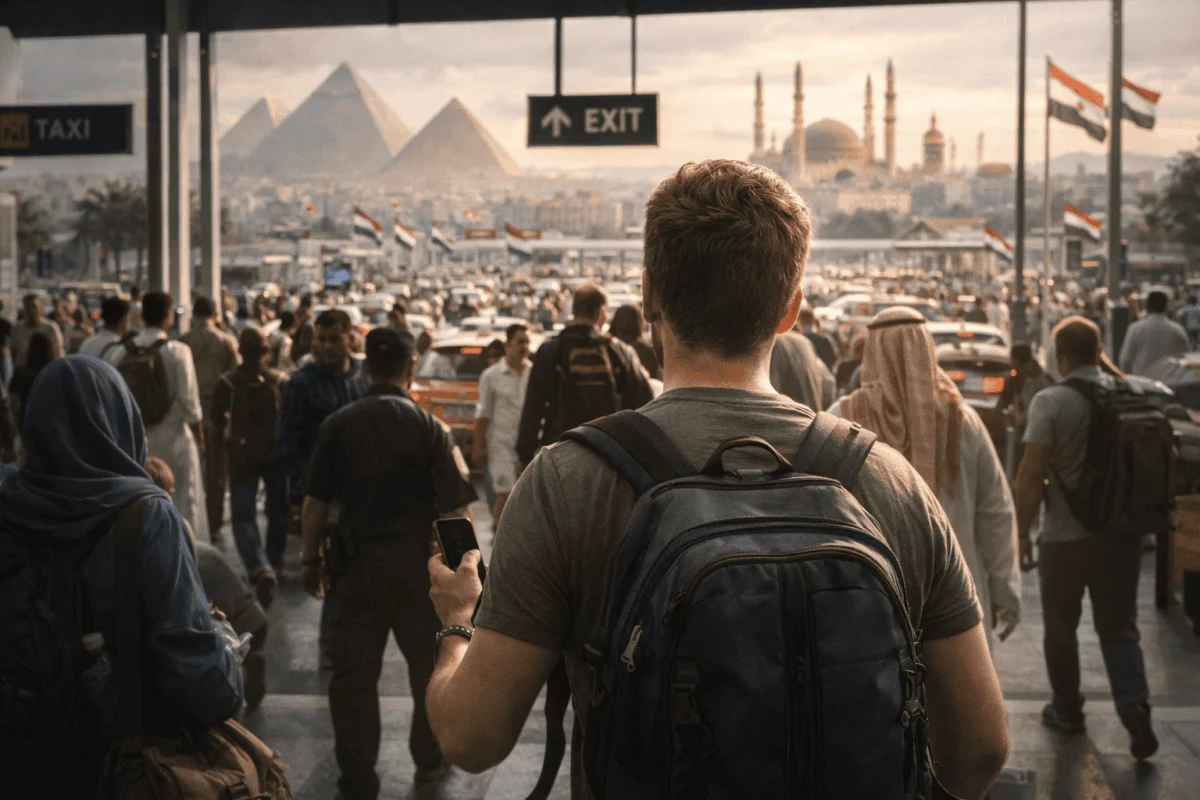
Traveling to Egypt, a nation steeped in millennia of history and located at the crossroads of Africa and the Middle East, often triggers a complex cocktail of anticipation and apprehension for first-time visitors. Prior to arrival, many travelers grapple with a mental landscape shaped by media narratives, anecdotal warnings, and the inherent unknowns of venturing into a culturally distinct environment. This internal dialogue, a blend of excitement and anxiety, is a common precursor to experiencing Egypt firsthand, and it frequently undergoes a rapid transformation once immersed in the country’s vibrant reality. The authentic Egypt, as experienced by those who venture beyond curated brochures, reveals a tapestry woven with moments of confusion, sensory overload, profound warmth, and unexpected revelations that consistently lead first-time visitors to exclaim, "I didn’t expect this at all."
The Discrepancy Between Expectation and Reality
The initial preconceptions of Egypt often paint a picture of an intense, chaotic, and potentially intimidating destination. While certain aspects of the Egyptian experience can indeed be demanding, the pervasive fear often projected externally tends to be significantly amplified in the mind compared to the lived reality on the ground. The moment visitors step out of the airport, their senses are immediately inundated. The soundscape is a constant symphony of car horns, animated conversations, and music emanating from open windows. The air itself feels denser, a palpable mixture of heat, dust, and the ceaseless motion of urban life. This initial sensory barrage can be overwhelming, prompting even seasoned travelers to momentarily question their decision.
However, a subtle yet significant shift begins to occur. Beneath the surface of apparent chaos, a discernible flow and order emerge. Individuals appear to navigate their surroundings with purpose, and established systems, though perhaps unconventional by Western standards, are demonstrably in place. This realization gradually fosters a sense of ease, as Egypt, in its unvarnished authenticity, reveals itself not as an adversary seeking to deter visitors, but as a dynamic entity simply existing as it is.
The Impact of the First Day: Adaptation and Shifting Perspectives
The inaugural day in Egypt can feel like a disorienting whirlwind. The effects of travel fatigue, combined with sensory overload and the challenge of processing an entirely different rhythm of daily life, can be profound. Even seemingly mundane tasks, such as crossing a street, can feel akin to navigating an extreme sport, with traffic regulations appearing more as suggestions than strict mandates. The concept of personal space also operates on a different spectrum in Egypt.
Yet, the human capacity for adaptation is remarkable. Visitors often find themselves adjusting to this new environment far more rapidly than anticipated. By the close of that first day, the heightened anxiety felt just hours earlier may be replaced by a sense of amusement at one’s initial apprehension. Patterns begin to emerge: understanding when to walk, when to pause, when to hail a taxi, and when to let one pass becomes an intuitive process. While the initial discomfort is undeniable, it rarely proves insurmountable. Once this initial shock subsides, a powerful sense of curiosity invariably takes hold, propelling the exploration forward.
Subtle Manifestations of Culture Shock
Culture shock in Egypt typically manifests not through grand, dramatic events, but through a series of small, often unexpected, interactions and observations. A key difference is the directness of communication. Conversations can initiate with remarkable ease, and strangers may readily inquire about one’s origin, itinerary, and impressions of Egypt. While this initial openness might feel intrusive to some, it quickly evolves into a perceived human connection.
The perception of time also differs significantly. Plans can be fluid, and delays are not uncommon. Resisting these temporal shifts often leads to frustration; embracing flexibility, however, proves to be a more effective strategy. Furthermore, unexpected acts of kindness and assistance frequently arise. A local might offer directions without prompting, a shopkeeper might provide guidance without any expectation of a transaction, or a family might extend an invitation for tea simply as a gesture of hospitality. These moments serve to soften the unfamiliar edges of the Egyptian landscape, making the experience more approachable.
Navigating the Transportation Labyrinth
Transportation is frequently cited as a primary concern for first-time visitors to Egypt, and for understandable reasons. The nation’s roadways often appear bustling and chaotic, and its train system can seem dated. While ride-sharing applications are available and functional, they are not always seamlessly integrated into the daily commute.
Initially, travelers may find themselves overanalyzing every transportation decision: discerning the safety of a particular taxi, negotiating fares, or worrying about taking a wrong turn. However, with time, a growing sense of confidence emerges. The realization dawns that most drivers are simply individuals engaged in their profession. Travelers begin to develop an understanding of approximate costs for various journeys and learn to navigate rerouted directions from navigation apps with a calmer demeanor. To mitigate initial anxieties, many travelers find it beneficial to consult resources offering firsthand accounts of daily life and transportation logistics in Egypt. Websites like Inside-Egypt.com, for instance, provide valuable insights that can transform the initial days from a series of potential challenges into opportunities for genuine exploration and discovery.
Safety: A Matter of Awareness, Not Just Fear
Addressing the pervasive question of safety is crucial. Egypt’s security landscape often feels distinct from that of many Western destinations, but this difference does not inherently equate to danger. Tourist areas typically exhibit a visible security presence, and locals often demonstrate a protective attitude towards visitors. While media portrayals may sometimes exaggerate the frequency of serious incidents, they are statistically less common than often suggested.
Nevertheless, exercising common sense remains paramount. This involves maintaining situational awareness, refraining from ostentatiously displaying valuables, and trusting one’s instincts. The fundamental principles of personal safety that apply in any unfamiliar environment are equally relevant in Egypt. What frequently surprises first-time travelers is the swift transition from apprehension to a sense of comfort, familiarity, and even ease as they become more accustomed to their surroundings.
The Enduring Impression of the Egyptian People
While the iconic monuments of Egypt are undeniably awe-inspiring, it is often the encounters with its people that leave the most profound and lasting impression on visitors. Conversations are an integral part of daily life, occurring spontaneously in taxis, cafés, and queues. Egyptians are frequently curious, engaging, and genuinely interested in the experiences of their guests. A palpable sense of pride in their country is often evident, interwoven with an honest acknowledgment of its challenges.
Hospitality in Egypt is not merely a performative gesture; it is deeply ingrained in the culture. This manifests in simple yet meaningful ways: an extra portion of food offered at a meal, a chair drawn up to a table without being asked, or a stranger stepping in to assist without expectation of reward. These cumulative moments of human connection significantly enrich the travel experience and remain etched in the memories of visitors long after their departure.
Iconic Sights and the Fabric of Everyday Life
The initial encounter with Egypt’s ancient wonders, such as the Great Pyramids of Giza, is often an overwhelming experience. Their sheer scale and antiquity defy easy comprehension, creating a surreal sense of standing on the precipice of history. However, what frequently astonishes first-time visitors is the seamless integration of these monumental sites into the fabric of contemporary Egyptian life. Busy thoroughfares often run alongside ancient ruins, children play soccer in the shadows of millennia-old structures, and modern cafés are situated in close proximity to temples predating recorded history.
Egypt is not a static historical exhibit; it is a dynamic, multifaceted nation where the ancient and the modern coexist vibrantly. This realization transforms the country from a mere postcard image into a more tangible and complex reality, inviting deeper understanding and appreciation.
The Emotional Spectrum of a Journey
The experience of traveling through Egypt can be emotionally taxing, characterized by significant highs and lows. One moment, a traveler might feel overwhelmed and exhausted, questioning the difficulties encountered. The next, they might find themselves in a moment of profound tranquility and beauty, overwhelmed by a sense of gratitude for the privilege of being there.
This emotional pendulum swing can catch many first-time travelers off guard. Egypt does not offer a gentle introduction; it demands attention, patience, and at times, a degree of humility. However, the rewards are commensurate with the challenges. The journey offers unparalleled awe, a broadened perspective, and a wealth of stories to recount for years to come.
Common Misconceptions Among First-Time Travelers
A frequent misstep among first-time visitors is the attempt to exert excessive control over their Egyptian experience. This often translates into over-scheduling, rigidly adhering to itineraries, and expecting unwavering punctuality and adherence to plans. Such an approach is often counterproductive.
Egypt thrives on flexibility. The country reveals its true character more readily when travelers allow for delays, embrace detours, and remain open to unexpected conversations. Shifting the focus from ticking off a list of sights to actively observing and engaging with the environment yields a far richer experience. Another common error is attempting to evaluate Egypt through the lens of other travel destinations. The nation possesses its own unique cultural context and operational dynamics, and it stands on its own merits, independent of comparative frameworks.
The Enduring Value of a First Trip to Egypt
The question of whether Egypt is "worth it" for a first-time visitor hinges entirely on individual travel aspirations. For those who prioritize predictability and seamless execution, Egypt may present significant challenges. However, for individuals open to embracing discomfort, fostering curiosity, and allowing for experiences that deviate from pre-conceived notions, Egypt offers an unforgettable journey.
The inaugural trip to Egypt is rarely perfect. It is often characterized by confusion, occasional exhaustion, and moments of profound discovery. A complete understanding of everything is neither expected nor necessary. It is precisely this complexity and the resultant learning process that make the experience so enduringly impactful. Egypt does not aim for polite admiration; it engages with visitors directly, acknowledging their own imperfections, and extending an invitation to perceive the world through a subtly altered lens. The ultimate testament to its impact is often revealed in the unspoken affirmation of first-time travelers, a silent acknowledgment that resonates even before their departure: the desire to return.




 Anjar Salim
 Chandra Hamzah
 Tatiana Tantri Indah Sari
 Budi Mulyono

