
 Susilo Edi Turonggo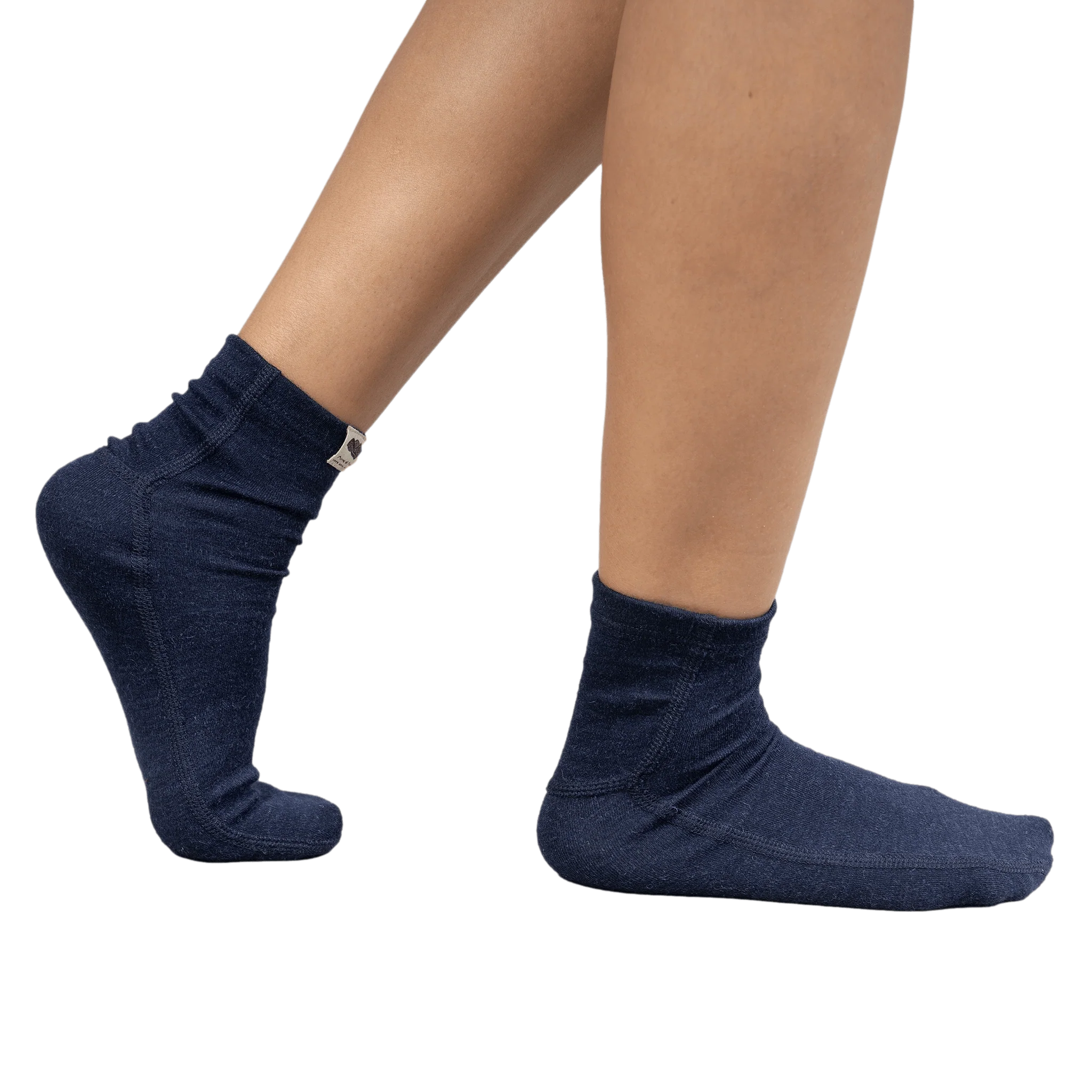
The Hidden Dangers of Conventional Socks: A Call for Scrutiny
For many, the irritation, itchiness, or unpleasant odors associated with synthetic socks are a familiar discomfort. Beyond mere inconvenience, these issues often stem from the very materials and chemical processes employed in their manufacture. Plastic-based fabrics like polyester, nylon, and acrylic, while offering durability and elasticity, are notorious for trapping moisture and odors, creating an environment conducive to bacterial growth. More concerning, however, are the chemical treatments and dyes commonly used in their production. Azo-benzene disperse dyes, frequently applied to polyester, are recognized skin sensitizers, capable of triggering allergic reactions such as contact dermatitis in susceptible individuals. Research indicates that certain azo dyes can metabolize into aromatic amines, some of which are classified as carcinogens, posing a potential health risk when absorbed through the skin. This absorption is particularly pertinent for socks, as the occlusive environment created by footwear, especially during perspiration, can accelerate the migration of these chemicals to the skin. The long-term implications of continuous exposure to such substances, particularly for individuals with compromised skin barriers or heightened sensitivities, underscore the urgent need for safer alternatives.
Beyond individual health, the environmental footprint of conventional sock manufacturing is substantial. The production of synthetic fibers is energy-intensive and often relies on fossil fuels, contributing to greenhouse gas emissions. The dyeing and finishing processes typically involve significant water consumption and the discharge of chemical-laden wastewater, polluting local ecosystems. Furthermore, synthetic textiles shed microplastic fibers during washing, which eventually find their way into waterways and oceans, entering the food chain and posing a global environmental threat.
The Rise of Non-Toxic Alternatives: A Paradigm Shift in Footwear
In response to these multifaceted concerns, a burgeoning market for non-toxic and sustainably produced socks has emerged. This segment prioritizes natural, breathable fibers and eco-friendly manufacturing processes, offering consumers a healthier and more environmentally responsible choice. The shift signifies a broader trend in the fashion industry towards greater accountability, transparency, and a commitment to ethical production. Consumers are increasingly seeking products that align with their values, driving innovation in material science and supply chain management within the textile sector.
Key Pillars of Responsible Sock Production
The journey towards truly non-toxic and sustainable socks is multifaceted, encompassing material sourcing, manufacturing processes, and end-of-life considerations. Several critical factors distinguish these conscientious brands from their conventional counterparts:
Natural Materials: Beyond Comfort, A Commitment to Health and Planet
The foundation of a non-toxic sock lies in its material composition. Brands committed to health and sustainability overwhelmingly favor natural fibers, which offer inherent advantages over synthetics.
- 100% Natural Fibers: For individuals with extreme sensitivities or existing skin conditions, socks made from 100% natural fibers are paramount. While the inclusion of a small percentage of elastane (typically for stretch and shape retention) is common and generally well-tolerated, truly synthetic-free options are rare. Brands like Cottonique and Arms of Andes stand out in this regard, meticulously crafting socks entirely devoid of synthetic components, catering to the most delicate skin.
- Merino and Alpaca Wool: These luxurious natural fibers are exceptional choices for socks due to their inherent properties. They are naturally odor-resistant, moisture-wicking, and temperature-regulating, keeping feet comfortable in various climates. Ethical sourcing is crucial, and certifications like the Responsible Wool Standard (RWS) ensure that wool is harvested without harmful practices such as mulesing, promoting animal welfare and responsible land management.
- Organic Cotton: A perennial favorite, organic cotton is grown without synthetic pesticides, herbicides, or genetically modified organisms, significantly reducing its environmental impact and minimizing chemical residues. It is soft, breathable, and hypoallergenic, making it an excellent choice for sensitive skin. Certifications like GOTS (Global Organic Textile Standard) provide assurance of organic integrity throughout the supply chain.
- Tencel (Lyocell): Derived from sustainably sourced wood pulp, Tencel is a regenerated cellulosic fiber known for its exceptional softness, breathability, and moisture-wicking capabilities. Its closed-loop production process, which recycles water and solvents, makes it an environmentally friendly option.
- Linen: Valued for its strength, breathability, and natural cooling properties, linen is derived from the flax plant, which requires less water and fewer pesticides than cotton. It offers a distinct texture and durability, making it a sustainable choice.
- Bamboo Viscose: While bamboo itself is a sustainable crop, the process of converting it into viscose can be chemical-intensive. However, when processed responsibly, bamboo viscose offers superior softness, breathability, and moisture absorption, making it a comfortable fiber. Brands committed to sustainability ensure that their bamboo viscose is processed in an environmentally conscious manner, often certified by Oeko-Tex.
- Recycled Blends: For those less sensitive to synthetics, blends incorporating recycled materials like nylon and polyester can offer a sustainable compromise, diverting waste from landfills. However, the preference remains for a majority composition of natural fibers to maximize comfort and minimize chemical exposure.
The Imperative of Non-Toxic Dyes and Finishes
Beyond the fibers themselves, the chemicals used in dyeing and finishing processes pose significant health and environmental risks.
- Undyed Options: The most direct approach to avoiding dye sensitivities is to opt for undyed socks, which embrace the natural hues of the fibers. Several brands offer this minimalist, yet highly effective, solution.
- Certified Dyes: For colored socks, certifications like Oeko-Tex Standard 100 and bluesign are crucial indicators. Oeko-Tex tests for a comprehensive list of harmful substances at every stage of textile production, ensuring that the final product is safe for human contact. Bluesign goes further, evaluating the entire manufacturing process to minimize environmental impact, optimize resource use, and ensure worker safety, guaranteeing that only approved chemicals are used.
- Restricted Substances Lists (RSLs): Brands that proactively manage their chemical footprint often maintain their own RSLs, which are internal guidelines specifying prohibited or restricted chemicals in their production. This demonstrates a commitment to chemical management beyond minimum regulatory requirements.
Ensuring Ethical Supply Chains: Transparency and Worker Welfare
The ethical dimension of textile production is gaining prominence. Consumers increasingly demand to know that their products are made under fair labor conditions, free from exploitation.
- Supply Chain Transparency: Brands that openly share the locations of their manufacturing facilities and suppliers demonstrate a commitment to transparency. This allows for greater scrutiny and accountability regarding labor practices and environmental standards.
- Fair Trade Certification: Fair Trade certification ensures that farmers and workers receive fair wages, work in safe conditions, and have collective bargaining rights. It also often includes provisions for environmental protection.
- WRAP (Worldwide Responsible Accredited Production): WRAP is a globally recognized independent certification program dedicated to promoting safe, lawful, humane, and ethical manufacturing around the world.
- B Corp Certification: Certified B Corporations are businesses that meet the highest standards of verified social and environmental performance, public transparency, and legal accountability to balance profit and purpose. This holistic certification encompasses a broad range of ethical and sustainable practices.
Sustainable Packaging: Reducing the Environmental Footprint
Even small items like socks can contribute to waste if packaged irresponsibly.
- Compostable and Biodegradable Packaging: Brands committed to sustainability often use packaging materials that can break down naturally, reducing landfill waste.
- Recycled and Recyclable Materials: Utilizing recycled content for packaging and ensuring that the packaging itself is recyclable minimizes the demand for virgin resources and closes the loop on material use.
- FSC Certification: The Forest Stewardship Council (FSC) certification guarantees that paper and cardboard packaging materials are sourced from responsibly managed forests, promoting biodiversity and sustainable forestry practices.
Spotlight on Leading Brands: Innovations in Non-Toxic Sock Manufacturing
The market now offers a diverse array of brands dedicated to producing non-toxic and sustainable socks, each with unique strengths and commitments.
- Harvest & Mill: A leader in domestic production, Harvest & Mill crafts dye-free organic cotton socks in natural colors. Their commitment to a shortened supply chain, with cotton grown, spun, and knit in the U.S., supports local agriculture and reduces transportation emissions. The brand’s dedication extends to repurposing or recycling all fabric scraps and utilizing compostable packaging, embodying a circular economy approach. Consumer feedback highlights their dye-free socks as exceptionally cozy, breathable, and lightweight, even with a thick cotton construction, providing comfort without pressure points.
- Subset (formerly Knickey): This Brooklyn-based brand emphasizes PFAS-free, Fair Trade, and Oeko-Tex-certified organic cotton socks. Their transparent supply chain traces cotton from an organic farm in India through ginning, spinning, dyeing, and sewing in the same region, ensuring ethical oversight. While their socks are noted for being thinner and suitable for tight-fitting shoes or dressier occasions, they contain 24% synthetics, a point of consideration for those seeking purely natural options. The elastic cuffs are designed to minimize skin contact, a benefit for sensitive wearers.
- Paka: A certified B Corp, Paka specializes in durable, lightweight socks made primarily from alpaca wool and Tencel. Their moisture-wicking and odor-resistant properties are enhanced by Oeko-Tex-certified dyes and traditional spinning techniques by Peruvian artisans. Paka’s commitment to sustainability is further demonstrated through its use of biodegradable and compostable packaging. User experience often praises these socks for their warmth and suitability for harsh winters or hiking, though some minor itchiness has been reported, attributed to the natural texture of alpaca wool rather than a chemical reaction. A notable aspect is the inclusion of up to 50% recycled synthetics, balancing performance with recycled content.
- Arms of Andes: Distinguished for its rare offering of 100% synthetic-free socks, Arms of Andes focuses on pure alpaca fiber slipper socks sourced from free-range alpacas. These Oeko-Tex-certified socks are lightweight yet insulating, soft, and moisture-wicking. The brand’s close collaboration with co-op farmers in the Andes, from sourcing to sewing, ensures ethical production and supports local communities. Their use of compostable packaging further aligns with their sustainable ethos.
- Cottonique: As specialists in 100% cotton allergy-free apparel, Cottonique provides completely synthetic-free socks designed for the most sensitive skin. Their products are Latex-free, bleach-free, and hypoallergenic, featuring covered seams to prevent rubbing. The brand actively collaborates with dermatologists to validate the safety of their offerings. Sourcing organic cotton from India and manufacturing in the Philippines, Cottonique maintains a commitment to compostable packaging.
- Boody: Hailing from Sydney, Boody offers a range of socks varying in thickness, suitable for diverse activities. They utilize Oeko-Tex-certified organic bamboo viscose from India, alongside organic cotton and recycled nylon. The brand operates with a strong code of conduct and partners with WRAP-certified facilities in China, Vietnam, and India, ensuring ethical labor practices.
- Kotn: A certified B Corp, Kotn fosters direct trade relationships with local Egyptian cotton farmers, guaranteeing fair prices and a completely traceable supply chain. Their socks are made with organic cotton and Oeko-Tex-certified dyes, and they employ recycled and recyclable packaging. While generally well-regarded for comfort and a professional aesthetic, some pairs contain up to 20% synthetics.
- Quinn: Designing garments specifically for individuals with eczema, Quinn offers a selection of organic cotton non-toxic socks, including dye-free, lightweight, and mid-weight options. Their products are designed in Canada and ethically manufactured in Oeko-Tex-certified factories in Portugal and Sri Lanka. While their cotton is GOTS-certified, the specific sourcing location is less transparent. Similar to other brands, some pairs contain up to 20% synthetics. User feedback praises the comfort and breathability of their undyed cotton ankle socks and merino wool options, noting the latter’s extra-thick heel for warmth.
- Cariloha: This certified B Corp provides hypoallergenic socks crafted from bamboo viscose and organic cotton. Their Oeko-Tex and Fair Trade-certified bamboo is sourced from China, and they use FSC-certified paper packaging. The brand’s manufacturing locations are not explicitly detailed, which could be an area for increased transparency.
- Dedicated: Dedicated distinguishes itself with Fair Trade organic cotton socks featuring bold patterns. Their cotton suppliers are WRAP-certified, and product pages offer transparency on manufacturing locations. A consideration for consumers is that their socks contain up to 25% elastane.
- Darn Tough: Manufactured in Vermont in family-owned mills, Darn Tough socks are known for their durability and comfort. They utilize RWS-certified merino wool in vibrant, colorful styles. The brand uses Oeko-Tex-certified materials and adheres to a strict restricted substances list, regularly testing for hazardous substances. Their packaging incorporates FSC-certified recycled paper, compostable bags, and vegetable-based inks. It is important to note that their socks can contain up to 50% synthetics to achieve their renowned durability and performance.
- Nisolo: A certified B Corp primarily known for leather shoes, Nisolo also offers a line of stylish and comfortable socks. These are produced in a family-owned mill in North Carolina, utilizing upcycled cotton, linen, wool, and recycled polyester. Nisolo prioritizes supply chain traceability and aims to pay a living wage across its entire network. Their packaging is made with recycled materials. A significant proportion of their socks, up to 70%, consist of synthetics.
- Swedish Stockings: This brand specializes in knee-highs and ankle socks, offering classic, supportive, colorful, and patterned options. Their products are made in Italy using Oeko-Tex-certified materials, including bamboo viscose, organic cotton, organic wool, recycled polyester, and virgin and recycled elastane. While offering a wide range, some of their socks are entirely synthetic.
The Broader Implications: A Growing Market for Conscious Consumption
The evolution of the sock market from a largely undifferentiated commodity to a segment driven by health, ethical, and environmental considerations reflects a broader societal shift towards conscious consumption. Consumers are no longer satisfied with products that merely serve their function; they demand transparency, sustainability, and ethical integrity from the brands they support. This trend has significant implications for the textile industry, pushing manufacturers to innovate in material science, adopt cleaner production technologies, and ensure fair labor practices across their global supply chains.
The growth of the non-toxic and sustainable apparel market signals a future where environmental and social responsibility are not niche concerns but core components of brand identity and consumer expectation. As awareness continues to spread regarding the unseen impacts of everyday items, the demand for truly sustainable options, even for something as seemingly simple as socks, will only intensify, fostering a more responsible and health-conscious industry landscape.



 Anjar Salim
 Chandra Hamzah
 Tatiana Tantri Indah Sari
 Budi Mulyono

